
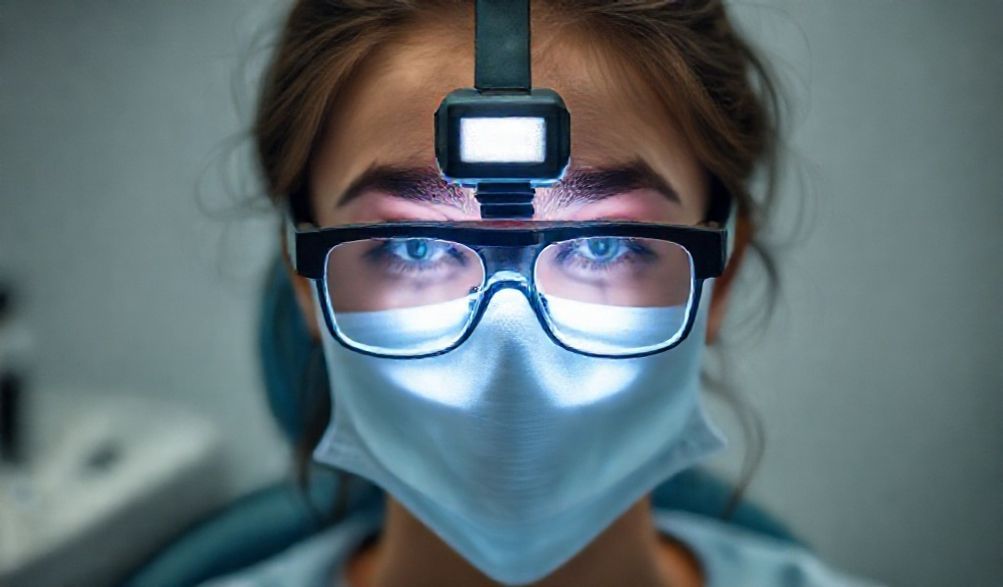
The Ultimate Guide to Dental Headlights for Glasses: Enhancing Precision & Comfort
Every dentist knows the feeling: leaning in, squinting, shifting the patient’s head, and adjusting the overhead light for the tenth time, all in a futile attempt to banish shadows from a deep distal cavity. This daily struggle with inadequate illumination is more than just an annoyance; it’s a direct contributor to eye strain, procedural fatigue, and the risk of missing critical details. For decades, the profession relied on bulky overhead lights, a significant step up from nothing but far from ideal. The advent of surgical loupes marked a revolution in magnification, yet they often highlighted a new problem—the light source was no longer aligned with the clinician’s line of sight.
Enter the modern solution: the integrated dental headlight for glasses. This isn’t merely an accessory; it’s a transformative piece of technology that mounts directly onto your loupes or prescription safety glasses, putting brilliant, focused light exactly where you are looking. This guide serves as your comprehensive resource, whether you’re considering your first purchase or looking to upgrade your current system. We’ll delve into the undeniable benefits, break down the key features you must consider, overview system types, and provide essential tips for setup and safety. The insights here are synthesized from equipment specifications, ergonomic research, and the practical experiences of practicing clinicians, ensuring you receive advice that is both expert-informed and immediately applicable to your practice.
Why a Dental Headlight for Glasses is a Game-Changer
Moving from an external light source to one integrated with your vision is a paradigm shift. The benefits extend far beyond simply “seeing better,” impacting your physical well-being and clinical outcomes at a fundamental level.
Unparalleled Ergonomic Benefits
The traditional posture of a dentist—head tilted forward, neck craned, back hunched—to catch the light from a fixed source is a primary driver of career-ending musculoskeletal disorders. A dental headlight for glasses directly attacks this problem by making the light source coaxial with your visual axis. Because the light is mounted on your glasses and moves with your head, you can maintain a neutral, upright spinal posture. There’s no need to twist or strain to illuminate a target; you simply look at it, and it’s lit. This alignment drastically reduces the chronic strain on your neck, shoulders, and back, promoting a healthier posture during long, demanding procedures and investing directly in the longevity of your career.
Superior Illumination and Shadow Reduction
Overhead and chair-mounted lights create shadows the moment your head or a dental instrument enters the path between the light and the oral cavity. Your own head can block the light! A headlight system eliminates this issue. The light emanates from a point just above your eyes, following your gaze directly into the operating field. This provides deep, shadow-free illumination of even the most challenging posterior regions, interproximal areas, and deep preparation walls. The result is a uniformly bright field where anatomy, caries, and margins are revealed with clarity, not hidden in darkness.
Enhanced Visual Acuity and Procedure Precision
Bright, focused light does more than just illuminate; it enhances contrast and resolution. When combined with dental loupes, a high-quality dental headlight for glasses allows for exceptional differentiation between tooth structures, decay, old restorative materials, and soft tissue. This heightened visual acuity translates directly to improved clinical precision. You can identify caries extensions more accurately, finish margins with greater confidence, and place implants with enhanced spatial awareness. Ultimately, this leads to superior diagnostic decisions, higher-quality restorations, and better patient outcomes.
Key Features to Consider When Choosing Your System
Not all headlight systems are created equal. Understanding the core features will help you select the perfect dental headlight for glasses for your specific clinical needs and ergonomic preferences.
Light Source Technology: LED vs. Halogen
This is the most fundamental choice, and the industry has reached a clear consensus:
* Halogen: The older technology. It produces a warm, yellowish light that some find pleasing. However, halogen bulbs generate significant heat, have a much shorter lifespan (typically 50-100 hours), are less energy-efficient, and their brightness dims over time.
* LED (Light Emitting Diode): The modern standard. LEDs provide a brighter, whiter light that is closer to natural daylight, enhancing tissue differentiation. They run cool, are extremely energy-efficient, and have a lifespan of tens of thousands of hours—often outlasting the system itself. While the initial cost may be higher, the lack of bulb replacements and superior performance make LED the unequivocal recommendation for any new purchase.
Brightness (Lumens) and Beam Focus
Brightness in dental headlights is often measured in lux (illuminance at the working distance) rather than lumens. Ranges can vary from 10,000 lux for basic illumination to over 100,000 lux for surgical-grade systems.
* General dentistry (restorative, endo, perio) typically thrives in the 30,000 – 60,000 lux range.
* Surgical specialties (oral surgery, implantology) often benefit from the highest intensities, 80,000 lux and above, for penetrating deeper tissue and providing exceptional contrast.
Equally important is beam focus. A system with an adjustable focus allows you to switch from a wide, flood-like beam for a full-arch view to a tight, concentrated spotlight for pinpoint work on a single tooth or implant driver. This versatility is invaluable.
Power Source and Cable Management
Your choice here affects mobility and convenience.
* Battery Packs: Usually worn on a belt clip or in a pocket, battery packs offer complete freedom of movement. Modern lithium-ion batteries provide ample power for a full clinical day (4-8+ hours). Consider weight and charging time.
* Wall-Mounted Power Supplies: These plug directly into an outlet, providing unlimited, consistent power with no worry of battery failure mid-procedure. The trade-off is a physical tether to the wall, which can limit movement.
Cable management is a critical ergonomic detail. A lightweight, flexible, and tangle-free cable that runs comfortably from your glasses to the power source is essential to prevent drag and snagging, which can disrupt your posture and workflow.
Compatibility with Your Dental Loupes and Glasses
This is non-negotiable. A dental headlight for glasses must integrate seamlessly with your existing eyewear. Most systems are designed to attach to specific brands and models of loupe frames (e.g., Designs for Vision, Orascoptic, SurgiTel, Heine). Many also offer universal mounts or adapters for standard prescription safety glasses, but you must verify the frame is robust enough to handle the weight and stress. Look for adjustable mounting arms that can be tailored to your interpupillary distance (IPD) and working distance to ensure perfect alignment of the light beam with your visual axis.
Top Dental Headlight Systems for Glasses: A Professional Overview
The market offers a range of systems tailored to different needs and specialties. Here’s an overview of common categories to guide your research.
High-Intensity Systems for Surgical Precision
These are the powerhouses of the headlight world. Characterized by maximum brightness outputs (often 80,000+ lux), they may feature dual LED spots for enhanced depth perception and shadow reduction, sophisticated cooling systems, and robust construction. They are designed for procedures where absolute visual clarity and tissue differentiation are paramount.
* Ideal Users: Oral and maxillofacial surgeons, periodontists, implantologists, and any specialist performing intricate surgical procedures.
Versatile All-Rounders for General Dentistry
This category represents the workhorse for most practices. These systems offer an excellent balance of strong, adjustable brightness (typically 40,000-70,000 lux), reliable battery life, manageable weight, and user-friendly controls. They provide more than enough illumination for 95% of clinical tasks, from complex preps to endodontic access.
* Ideal Users: General practitioners, prosthodontists, endodontists, pediatric dentists, and hygienists performing advanced therapies.
Lightweight and Ergonomic-First Designs
For the clinician who prioritizes comfort above all else, these systems are engineered to be barely noticeable. They focus on minimal weight at the glasses mount, compact and light battery packs, and ultra-slim, flexible arms. The brightness may be slightly lower than surgical tiers but is perfectly sufficient for most clinical work, and the ergonomic payoff can be significant over an 8-hour day.
* Ideal Users: Dentists prone to neck fatigue, those performing very long procedures like full-mouth rehabilitations, or clinicians new to headlight systems who want to ease into the experience.
Maximizing Your Investment: Setup, Maintenance & Safety
A premium dental headlight for glasses is a significant investment. Proper handling ensures it performs optimally and lasts for years.
Proper Initial Setup and Calibration
- Secure Mounting: Carefully attach the light source to your loupe or glasses frame according to the manufacturer’s instructions, ensuring all screws are snug.
- Balance the Weight: Adjust the positioning on the frame or the tilt of the light arm to balance the weight and prevent your glasses from sliding forward.
- Beam Alignment: This is crucial. With the system on, project the beam onto a flat surface. Adjust the light arm so the brightest “hot spot” of the beam is centered directly in the middle of your field of view through your loupes. The light should follow your gaze perfectly without you having to look around the beam.
Routine Cleaning and Maintenance Checklist
- Lenses: Gently clean the headlight lens with a soft, lint-free cloth and approved lens cleaner. Avoid abrasive materials.
- Mounts & Arms: Wipe down with a disinfectant cloth compatible with the materials. Avoid excess moisture near electrical connections.
- Cables: Regularly inspect for fraying, kinks, or damage. Never yank the cable to disconnect it.
- Batteries: Follow the manufacturer’s charging guidelines. For lithium-ion batteries, avoid letting them fully discharge regularly. Store in a cool, dry place.
Essential Safety Practices
- Never Look Directly: Never look directly into the headlight beam, even during setup. The intensity can cause temporary flash blindness or retinal discomfort.
- Patient Eye Protection: This is mandatory. The intense light, especially the blue spectrum from LEDs, can reflect brightly off teeth and instruments. Always place orange or amber-colored patient safety glasses or shields over your patient’s eyes to protect their retinas from photochemical injury.
- Heat Management: Although LEDs run cool at the source, the focused beam can still generate heat on a surface. Be mindful of prolonged direct exposure on a single spot of oral tissue, especially in surgical settings.
Frequently Asked Questions (FAQ)
Q: Can I attach a dental headlight to my own prescription glasses?
A: Yes, many systems offer universal mounts or adapters for prescription frames. However, you must ensure the frame is sturdy enough to support the weight. Dedicated safety glasses or loupe frames are often recommended for optimal stability, protection from debris/fluids, and perfect alignment.
Q: How long does the battery typically last on a cordless system?
A: Battery life varies by model and brightness setting. Modern LED systems typically offer between 4 to 8+ hours of runtime on a single charge at medium-high intensity, which is sufficient for a full clinical day. Always check the manufacturer’s specifications for your specific use case.
Q: Is the light from an LED headlight safe for patient tissues?
A: Modern dental LED headlights are designed to be safe, emitting minimal to no UV radiation. The primary risk is the intense concentration of visible light. This is why using patient eye protection (orange/amber shields that filter blue light) is a non-negotiable standard of care to prevent retinal strain or injury.
Q: What is the typical cost range for a quality system?
A: Prices vary widely based on features and brand. A basic, entry-level LED system may start around \$500. Versatile, high-quality systems for general practice often range from \$1,000 to \$2,000. High-end, surgical-grade systems with dual spots and advanced batteries can range from \$1,500 to \$3,000+. View it as a long-term investment in your clinical capability and physical health.
Conclusion
A dental headlight for glasses is far more than a simple lamp; it is a critical investment in your professional ergonomics and clinical excellence. By aligning brilliant, shadow-free illumination with your direct line of sight, it reduces physical strain, enhances visual acuity, and elevates the precision of every procedure you perform. When selecting your system, carefully prioritize your specific clinical needs, ergonomic sensitivities, and compatibility with your existing loupes or eyewear. We strongly recommend trying demo units where possible to feel the weight and test the light quality firsthand.
Investing in the right equipment is an investment in a longer, healthier, and more precise career in dentistry. For personalized advice, consult directly with reputable dental equipment suppliers and colleagues who use these systems daily. Their hands-on experience can provide invaluable context to the specifications. Have you found a particular dental headlight for glasses system transformative in your practice? Share your experiences to help fellow clinicians make an informed choice.
p>