
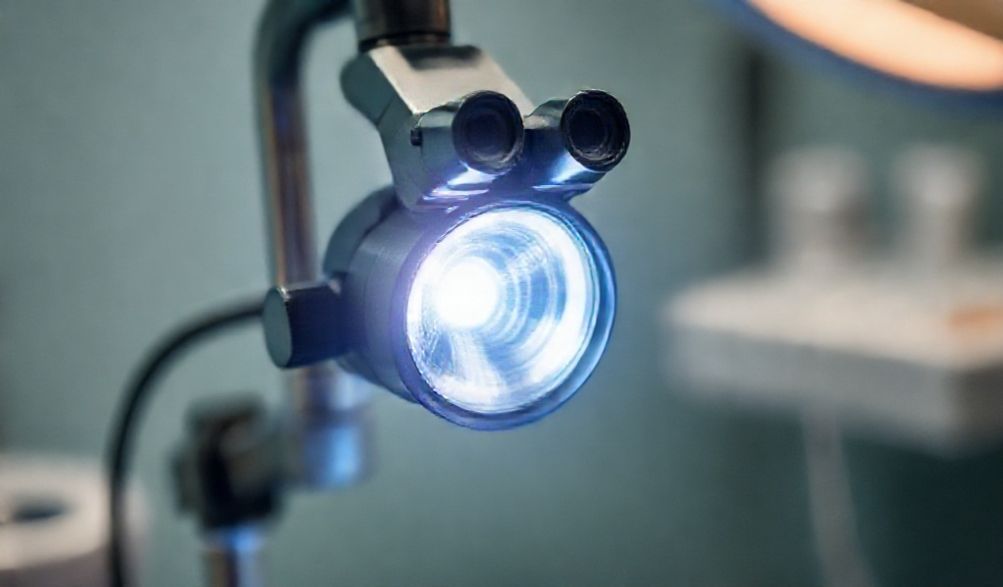
Dental Loupes Headlights: A Complete Guide to Enhanced Vision, Precision, and Ergonomics
You’ve just finished your third root canal of the day. As you lean back, a familiar ache radiates from your neck and shoulders. Your eyes feel strained from squinting into the dark recesses of the oral cavity, battling shadows cast by your overhead light. You wonder if there’s a better way—a way to see the microscopic margin clearly without contorting your spine, a way to illuminate the field without relying on awkward, external light sources. This scenario is all too common in dentistry, a profession built on minute details and prolonged static postures.
The solution is not just a tool, but a transformative system that has become essential for the modern dental clinician: dental loupes with an integrated headlight. This combination is more than a simple magnification aid; it’s a fundamental investment in clinical excellence, personal well-being, and the longevity of your career. By merging enhanced vision with targeted, shadow-free illumination, this technology addresses the core physical and visual challenges of dental practice.
This comprehensive guide synthesizes expert opinions from seasoned clinicians, technical specifications from leading manufacturers, and evidence-based ergonomic principles. Our goal is to move beyond marketing claims and provide you with the practical knowledge needed to make an informed decision. We will explore the undeniable benefits, dissect the key features, walk you through the selection process, and outline best practices for integrating a dental loupes headlight system into your daily workflow. Whether you’re a seasoned practitioner considering an upgrade or a new graduate investing in your first set, this guide will illuminate the path to a more precise, comfortable, and confident practice.
What Are Dental Loupes with Headlights? Combining Magnification and Illumination
At its core, a dental loupes headlight system is an ergonomic wearable device that combines two critical elements: optical loupes for magnification and an LED light source mounted on the frame. This integration creates a synergistic effect where the illuminated field is perfectly aligned with your magnified field of view.
The Core Components: Loupes (Galilean vs. Prismatic) and LED Headlights
The foundation is the loupe itself. There are two primary optical designs:
* Galilean Loupes: These are the more common entry-level systems, typically offering lower magnification (2x to 3.5x). They use a simple lens system (a convex objective lens and a concave eyepiece lens) that is lighter, more compact, and generally less expensive. They provide a larger field of view and greater depth of field at lower magnifications.
* Prismatic (Keplerian) Loupes: These are more advanced systems, using a series of prisms to fold the light path. This allows for higher magnifications (3.5x to 8x and beyond) with excellent clarity, a wider field of view at high power, and better optical resolution. They are typically heavier and more costly than Galilean systems.
The integrated LED headlight is the game-changing companion. Modern systems feature powerful, cool-running Light Emitting Diodes (LEDs) that are mounted either on the loupe frame itself or on a separate band. This light projects a bright, focused beam directly where you are looking, independent of the operatory’s overhead light.
How They Work Together: Eliminating Shadows and Reducing Eye Fatigue
The true power lies in the combination. The overhead dental light, while bright, often creates shadows from your hands, instruments, or the patient’s own anatomy. You instinctively move your head to find a better angle, leading to poor posture. An integrated headlight, however, is co-axial with your line of sight. Wherever you look, the light follows, flooding the magnified operative site with shadow-free illumination. This eliminates the eye’s constant struggle to adjust between bright and dark areas, dramatically reducing accommodative strain and fatigue.
A Brief Evolution: From Simple Magnifiers to Integrated Ergonomic Systems
Dental magnification began with simple, handheld lenses. The adoption of telescopic loupes in the late 20th century was a major leap forward. Initially, clinicians used separate headlamps, which were cumbersome. The integration of a lightweight, powerful LED light source directly onto the loupe frame marks the current evolution—creating a unified, ergonomic system designed to support the clinician’s body and enhance their vision simultaneously.
Top Benefits of Using Loupes with an Integrated Headlight
Investing in a quality dental loupes headlight system yields a compelling return across four key areas: clinical outcomes, physical health, visual comfort, and professional performance.
Unmatched Clinical Precision and Improved Patient Outcomes
This is the most significant clinical benefit. Enhanced visualization allows you to:
* Detect incipient caries and cracks that are invisible to the naked eye.
* Visualize margins with supreme clarity during preparation and cementation, leading to better-fitting restorations and reduced plaque retention.
* Navigate subgingival areas and root canals with greater confidence, improving the outcomes of periodontal and endodontic procedures.
* Remove calculus more completely during scaling and root planing.
This level of detail directly translates to higher-quality dentistry, increased longevity of your work, and improved overall patient care.
Significant Reduction in Physical Strain (Ergonomics)
Dental professionals have a staggeringly high incidence of musculoskeletal disorders. A loupes headlight system is a primary ergonomic intervention. Properly fitted loupes enforce an upright, neutral spine posture by incorporating a declination angle—the angle at which the oculars are tilted downward. This allows you to look straight ahead while viewing the patient’s mouth, eliminating the need to hunch over. The hands-free, targeted light further reduces the need for twisting and straining to catch the overhead light. The result is a dramatic reduction in chronic neck, back, and shoulder pain.
Elevated Visual Acuity and Reduced Eye Fatigue
As mentioned, the co-axial illumination eliminates shadows and glare. Furthermore, magnification reduces the accommodative demand on your eyes. Instead of your ciliary muscles constantly working to focus on a tiny, close-up area, the loupes do the work. This can alleviate symptoms of digital eye strain, headaches, and general visual fatigue, especially after long clinical days.
Increased Professional Confidence and Efficiency
When you can see better, you work with more confidence. There is less guesswork, fewer redos, and a smoother procedural flow. Identifying issues early, placing margins accurately the first time, and working with precision inherently leads to greater efficiency. This confidence not only improves your daily experience but also enhances your reputation for quality and care.
Key Features to Consider When Choosing a Dental Loupes Headlight
Not all systems are created equal. Understanding these technical features will help you select a system that fits your specific needs.
Light Source Metrics: LED Color Temperature, Luminosity, and Beam Pattern
- Color Temperature: Measured in Kelvins (K). A temperature around 5500K – 6000K is considered “daylight white.” This provides excellent color rendition, allowing for accurate differentiation of tooth structure, tissues, and composite shades, which is crucial for aesthetic work.
- Luminosity (Brightness): Measured in lumens. A range of 30,000 to 100,000+ lux (a measure of illuminance at the working distance) is common. Look for a system with adjustable brightness settings to conserve battery and tailor light to different procedures.
- Beam Pattern: A focused spot beam is ideal for high-magnification, deep-cavity work (like endo). A wider flood beam provides better peripheral illumination for procedures like impressions or oral surgery. Some advanced systems offer adjustable or hybrid beam patterns.
Power and Convenience: Battery Life, Battery Type, and Charging Options
- Battery Life: The benchmark is a full clinical day. Look for systems that offer 6-10+ hours on a single charge at a medium brightness setting. Always check real-world reviews, as manufacturer claims can be optimistic.
- Battery Type & Charging: Rechargeable lithium-ion (Li-ion) batteries are standard. They are lightweight, have no memory effect, and charge quickly. Convenience features like a magnetic charging dock, a portable charging case, or a belt-clip battery pack can significantly impact your daily workflow.
Comfort & Design: Weight Distribution, Adjustability, and Compatibility
- Weight Distribution: The system should feel balanced. A heavy light on the front of the frame can cause neck strain. Some designs use a counterweight on the back of the headband, while others distribute weight evenly through a lightweight frame.
- Adjustability: The light should be easily adjustable in multiple planes (up/down, left/right, tilt) to achieve perfect alignment with your visual axis. The headband or frame should be fully customizable for a secure, comfortable fit.
- Compatibility: If you already own loupes, check if the manufacturer offers a compatible headlight attachment. If buying new, consider a unified system from one manufacturer for guaranteed compatibility and streamlined service.
Durability and Warranty: Build Quality and Manufacturer Support
Dental practices are demanding environments. Look for robust construction, moisture resistance, and a reputable manufacturer. A comprehensive warranty (often 2-5 years on optics, 1-2 years on electronics) and accessible customer service for repairs and adjustments are non-negotiable for a professional tool.
How to Select the Right Loupes and Headlight System for Your Practice
Choosing the right system is a personal and professional decision. Follow this framework to find your perfect match.
Assessing Your Clinical Needs: General Dentistry vs. Specialties
Your specialty dictates your needs. A general dentist might prioritize a versatile system with 3.0x-4.0x magnification and a balanced beam for everything from exams to composites. An endodontist requires higher magnification (4.5x-6.0x+) and a very focused, bright spot beam to see deep into canals. A surgeon or periodontist might value a wider field of view and a flood beam for larger operative sites.
Getting the Fit Right: The Critical Importance of Working Distance and Declination Angle
This is the most crucial step and requires a professional fitting.
* Working Distance: The distance from your eyes to your patient’s mouth. This is measured precisely so your magnified field is in perfect focus at that exact distance.
* Declination Angle: The downward tilt of the oculars. This is calculated based on your height, torso length, and chair position to force you into an ergonomic, upright posture. An incorrect angle will defeat the ergonomic purpose.
Trying Before Buying: The Role of Demonstrations and Clinical Trials
Never buy loupes and a headlight sight-unseen. Schedule a live, in-office demonstration with a certified representative from a reputable company. Wear them, move around, and simulate clinical motions. Some companies offer take-home trial periods—this is invaluable. Use them during actual procedures to test comfort, clarity, and battery life in your own operatory.
Budgeting for Quality: Understanding Cost vs. Long-Term Investment
A high-quality dental loupes headlight system is a significant investment, often ranging from $1,500 to over $5,000. Reframe this not as an expense, but as a long-term investment in:
1. Your Health: Preventing career-ending musculoskeletal pain and visual strain.
2. Your Practice: Enabling higher-quality, more efficient dentistry that attracts and retains patients.
3. Your Career Longevity: Allowing you to practice comfortably for decades.
Consider financing options, and remember that the cost of not investing may be far greater in the long run.
Best Practices for Using and Maintaining Your Dental Loupes Headlight
To maximize the lifespan and benefits of your system, adopt these habits.
Proper Adjustment and Daily Setup for Optimal Posture
Take 30 seconds each morning to ensure your headband is snug and the light is correctly aligned. Consciously maintain the upright posture the declination angle is designed to promote. Periodically re-check your posture in a mirror.
Cleaning and Care for Lenses and Light Components
- Lenses: Use only lens-specific microfiber cloths and approved lens cleaning solutions. Never use paper towels, clothing, or harsh chemicals, as they can scratch or degrade anti-reflective coatings.
- Light & Frame: Wipe down the frame and light housing with a disinfectant wipe compatible with the materials. Avoid getting moisture in the electrical ports or lens housing.
Battery Management Tips for All-Day Reliability
- Follow the manufacturer’s charging instructions.
- Get into a routine of placing the system on its charger at the end of every day.
- If using a belt-clip battery, consider having a spare charged battery ready for unexpectedly long days.
Knowing When to Service or Upgrade Your System
Have your alignment and prescription checked every 1-2 years. If you notice a persistent decline in image clarity, visible scratches on the lenses, or flickering/dimming of the light, contact the manufacturer for service. Consider upgrading if your clinical focus changes (e.g., moving into more specialized procedures requiring higher magnification).
Frequently Asked Questions (FAQ) About Dental Loupes Headlights
Q: Are dental loupes with headlights worth the investment?
A: Absolutely. They are one of the most impactful investments a dentist can make. The combined benefits of improved clinical precision, reduced physical strain, and less eye fatigue protect your ability to practice and directly enhance the quality of care you provide. The return on investment in terms of health, efficiency, and practice growth typically far outweighs the initial cost.
Q: What is the ideal magnification for a general dentist?
A: Most general dentists find a magnification between 2.5x and 3.5x to be an excellent starting point. It provides a significant visual enhancement without an overly restricted field of view. The “ideal” level is personal and depends on your visual acuity and the procedures you most commonly perform. Testing different magnifications during a consultation is essential.
Q: How long does the headlight battery typically last?
A: Modern LED headlights with high-quality lithium-ion batteries typically last 6 to 10+ hours on a single charge at medium-to-high brightness, which is more than sufficient for a full clinical day. Battery life varies by model, brightness setting, and battery age.
Q: Can I add a headlight to my existing loupes?
A: In many cases, yes. Numerous manufacturers design headlight systems that can be mounted onto existing loupe frames, either their own brand or sometimes others. The key is compatibility with the frame’s mounting points. Consult with your original loupe provider or a headlight manufacturer to confirm.
Q: How do I prevent fogging of the loupe lenses?
A: Fogging is a common issue, especially when wearing a mask. Solutions include: 1) Ensuring your loupes have a high-quality anti-fog coating; 2) Using anti-fog wipes or sprays designed for optical lenses; 3) Improving your mask fit—using a nose-sealing mask or double-masking to direct breath downward; 4) For persistent issues, a small, quiet fan system that attaches to the loupes can create an airflow barrier.
Conclusion
Dental loupes with integrated headlights have evolved from a niche accessory to a cornerstone of modern, sustainable dentistry. They represent a powerful synergy of technology and ergonomics, designed to protect the clinician while empowering them to deliver exceptional patient care. By bringing light and magnification into perfect harmony, this system addresses the fundamental physical and visual challenges of the profession.
Selecting the right system is a decision that merits careful consideration of expert advice, technical evidence, and your individual practice patterns. It is an investment validated by the experience of thousands of clinicians who have found greater precision, comfort, and confidence in their daily work.
The next step is to move from research to experience. We strongly urge you to schedule a live, in-person demonstration with a certified representative from a reputable loupe company. Feel the weight, experience the clarity, and see the shadow-free illumination for yourself. Take control of your visual and physical well-being. Invest in a dental loupes headlight system—it’s an investment in the future of your practice and your personal health.
p>