
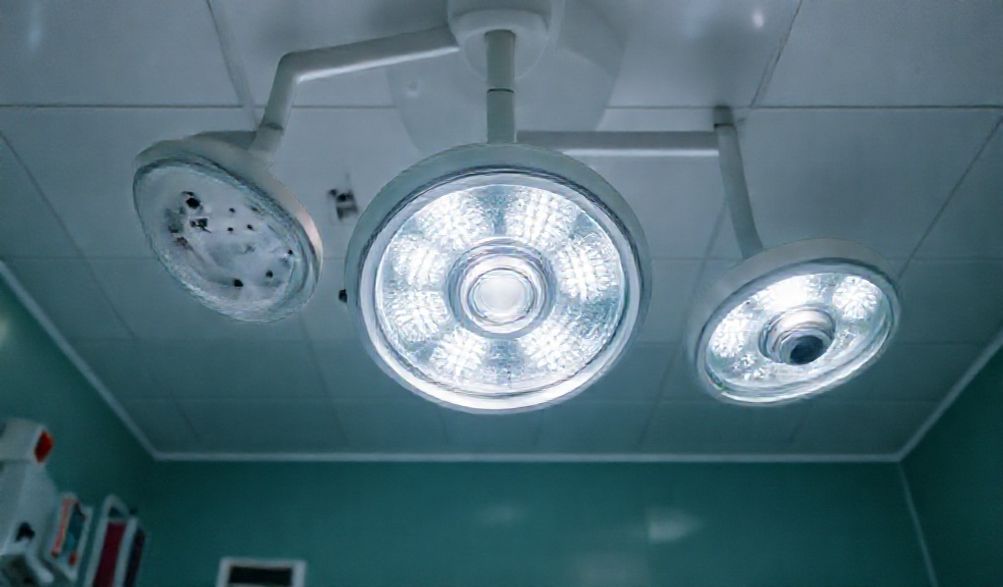
Clinical Lighting in Hospitals: Enhancing Patient Outcomes, Staff Efficiency, and Safety
Imagine a patient recovering from major surgery. Their pain is managed, their vitals are stable, yet they feel persistently anxious, struggle to sleep, and their recovery seems to stall. Now, consider a seasoned surgeon performing a complex, hours-long procedure. As fatigue sets in, the subtle difference between healthy and ischemic tissue becomes harder to discern under the harsh, static glare of the operating light.
What invisible factor links these two scenarios? Light.
Beyond mere visibility, light is a potent biological and psychological regulator. In the high-stakes environment of a hospital, where every detail can impact life-altering outcomes, lighting is far from an afterthought—it is a critical, non-negotiable component of the therapeutic environment. Research indicates that poor lighting can contribute to medical errors, increase patient confusion and agitation, and accelerate staff burnout.
This pillar page serves as the definitive guide to clinical lighting. We will move beyond basic illumination to explore why specialized lighting systems are a foundational element of modern, evidence-based hospital design. This guide provides authoritative, evidence-based information, synthesizing insights from peer-reviewed medical studies, rigorous lighting engineering standards (such as those from the Illuminating Engineering Society – IES), and healthcare design best practices. Our goal is to equip hospital administrators, facility managers, clinical staff, and designers with the knowledge to make informed, strategic decisions about their lighting infrastructure.
We will deconstruct the science of how light affects human physiology and performance, examine its specialized applications across a hospital, delve into the critical technical specifications, and provide a practical framework for implementation. By the end, you will understand that clinical lighting is not an expense, but an investment in patient healing, staff efficacy, and overall facility safety.
The Science Behind Clinical Lighting: More Than Just Illumination
Clinical lighting is grounded in a deep understanding of photobiology—the science of how light interacts with living organisms. It acknowledges that light is a primary driver of human health and performance, a concept often termed “Human Centric Lighting.”
Circadian Rhythms and Patient Healing
At the core of patient-centered lighting is the circadian system—our internal 24-hour biological clock. This rhythm, which governs sleep-wake cycles, hormone release, and even cell regeneration, is primarily synchronized by light entering our eyes.
- The Hormonal Mechanism: Specialized photoreceptors in the retina are exquisitely sensitive to short-wavelength (blue-rich) light. Morning light suppresses the sleep hormone melatonin and stimulates cortisol, promoting alertness. As daylight wanes towards evening, reduced blue light allows melatonin to rise, preparing the body for rest.
- The Hospital Disruption: Traditional hospital environments often feature constant, cool-white, high-intensity lighting 24/7. This “circadian chaos” severes patients from natural time cues, leading to sleep fragmentation, increased confusion (notably “sundowning” in elderly patients), and higher rates of depression.
- The Evidence for Change: Studies are compelling. Research published in journals like The Journal of Clinical Sleep Medicine has shown that implementing dynamic, circadian-tuning lighting in patient rooms can lead to improved sleep efficiency, reduced depressive symptoms, and even a statistically significant reduction in average length of stay. Lighting that mimics the natural progression of daylight is not a luxury; it is a non-pharmacological intervention supporting the fundamental biology of healing.
Visual Acuity and Medical Staff Performance
While patients need light for healing, clinicians need light to see with precision. Visual performance directly impacts diagnostic accuracy, procedural safety, and staff endurance.
- Color Rendering is Critical: Accurate color discrimination is vital. Is that tissue pink and perfused or pale and ischemic? Does that skin have a jaundiced hue? The Color Rendering Index (CRI) measures a light’s ability to reveal true colors. In clinical settings, a CRI of 90+ is often mandatory. More specifically, the R9 value (saturation of red) is crucial for assessing blood oxygenation, skin tones, and tissue health.
- Controlling Glare and Shadow: Glare on computer screens, monitors, or polished surfaces causes visual fatigue and errors. Unified Glare Rating (UGR) is a key metric to control this. In procedural areas, lighting must be designed to minimize shadows cast by clinicians’ heads and hands, often through multi-point source surgical lights or strategically placed ambient fill lighting.
- The Performance Link: Adequate, high-quality lighting reduces visual strain, minimizes the risk of misdiagnosis, and allows staff to maintain focus during long shifts. It is a direct contributor to a culture of safety and precision.
Psychological and Behavioral Impacts
Lighting profoundly shapes human emotion and behavior. In a stressful hospital setting, its psychological role is paramount.
- Reducing Anxiety and Disorientation: Harsh, uniform lighting can feel institutional and increase anxiety. Softer, warmer lighting in patient rooms and waiting areas can create a more calming, residential feel. Well-designed wayfinding—using light to guide patients and visitors along corridors and to key destinations—redules stress and empowers independence.
- Supporting Dementia Care: For patients with cognitive impairments, lighting is a therapeutic tool. Clear day/night cycles reduce agitation. Adequate nighttime lighting for safe navigation to the bathroom can prevent falls without disrupting sleep.
- Promoting a Humane Environment: Ultimately, clinical lighting seeks to counteract the dehumanizing potential of healthcare environments. It acknowledges the patient as a whole person, whose psychological well-being is integral to their physical recovery.
Key Applications of Specialized Hospital Lighting
A one-size-fits-all approach fails in a hospital. Lighting must be meticulously tailored to the specific tasks and needs of each space.
Surgical Suite and Procedure Room Lighting
This is the pinnacle of technical lighting, where performance is non-negotiable.
- Surgical Lights: These provide intense, shadow-free illumination of the surgical site. Key features include high color rendering (CRI >90, R9 >50), the ability to maintain a consistent color temperature even when dimmed, and deep cavity penetration. They must be easily sterilizable and highly maneuverable.
- Ambient Room Lighting: Supports non-procedural tasks, staff movement, and must integrate seamlessly with imaging systems (e.g., dimming automatically when an X-ray is taken). It often features a neutral color temperature (~4000K) to complement the surgical light without causing color distortion.
Patient Room Lighting Systems
The patient room requires a layered, flexible approach, often described as having three distinct “zones”:
- Ambient/Circadian Lighting: The primary layer, often comprising indirect or direct/indirect luminaires. In modern systems, this is tunable, automatically shifting from cooler, brighter light during daytime hours to warmer, dimmer light in the evening to support the patient’s circadian rhythm.
- Task Lighting: Dedicated, patient-controlled lighting for reading, eating, or bedside examinations. It should be glare-free, directional, and separate from the circadian system to allow for individual needs without disrupting the biological lighting program.
- Night Lighting: Low-level, warm-toned lighting integrated into toe-kicks, handrails, or wall sconces that provides enough light for safe navigation to the bathroom without shocking the system or disturbing sleep. Patient control over their immediate environment is a key principle for comfort and autonomy.
Diagnostic and Examination Area Lighting
Accuracy is everything. Lighting in rooms for dermatology, triage, emergency departments, and general examination must facilitate precise visual assessment.
- The focus is on exceptional color fidelity (CRI 95+, high R9) and even, diffuse illumination to reveal true skin tones, rashes, bruising, and tissue conditions without shadows or color casts that could mask symptoms.
- Lighting must also be compatible with and not interfere with other diagnostic technologies used in the space.
Common Areas and Staff Spaces
Lighting supports the entire ecosystem of the hospital.
- Corridors and Nurses’ Stations: Require consistent, shadow-free light for safety and task performance. At night, light levels can be reduced on a schedule, with motion sensors boosting illumination as needed for staff rounds.
- Staff Break Rooms and Lounges: These areas should use warmer, relaxing lighting to promote psychological detachment and recovery from stress, contrasting with the alert, task-oriented lighting of clinical zones.
Critical Specifications and Technology for Clinical Lighting
Navigating the technical language is essential for specifying the right solution.
Understanding Technical Metrics: CCT, CRI, R9, Lux, and UGR
- CCT (Correlated Color Temperature): Measured in Kelvin (K), it describes the visual “warmth” or “coolness” of white light. Warm white (~2700-3000K) is relaxing; cool white (~4000-5000K) is alerting. Tunable systems can vary CCT throughout the day.
- CRI (Color Rendering Index) & R9: CRI is an average score (0-100) of a light’s color accuracy across 8 standard colors. R9 is a specific score for deep red. Healthcare demands high CRI and a high R9 value (often >50) for critical color discrimination.
- Lux (Illuminance): The amount of light falling on a surface. Different tasks require different lux levels (e.g., 300-500 lux for a patient room, >1000 lux for surgical tasks).
- UGR (Unified Glare Rating): A standardized measure of discomfort glare. Lower numbers are better. For areas with computer work, a UGR of <19 is typically targeted.
LED Technology: Benefits and Considerations
LEDs have revolutionized clinical lighting, but quality varies drastically.
- Benefits: Superior energy efficiency and longevity (reducing operational costs and maintenance disruptions). Instant-on capability and excellent tunability across CCT and intensity. They emit minimal heat and virtually no infrared or UV radiation, which is crucial for patient comfort and material preservation.
- Critical Considerations: Not all LEDs are equal. Flicker-free performance is mandatory to prevent headaches and eyestrain; this is determined by the quality of the LED driver. Smooth, continuous dimming without color shift or pop-on is essential for patient rooms. The fixtures must also be designed for the healthcare environment—sealed, cleanable, and durable.
Smart Lighting and IoT Integration
The future of clinical lighting is connected and intelligent.
- Automated Protocols: Systems can run pre-programmed circadian lighting schedules, perform daylight harvesting (dimming electric lights when sunlight is sufficient), and use occupancy sensing to save energy in unoccupied spaces.
- Operational & Clinical Integration: Smart lighting networks can feed data into a Building Management System (BMS) and even Electronic Health Records (EHR). Imagine lights that gently ramp up at a prescribed time to help wean a patient off sedation, or a room that signals it needs cleaning by changing its light color after discharge.
- Infection Control: Touchless control via apps, voice, or sensors reduces high-touch surfaces, a key benefit for infection prevention.
Implementing a Clinical Lighting Strategy: A Step-by-Step Framework
Upgrading clinical lighting is a strategic project, not just a procurement exercise.
Conducting a Needs Assessment and Audit
Begin with a multidisciplinary team (facilities, clinical staff, infection control, patient experience). Audit existing conditions: measure light levels (lux), note glare points, interview night-shift nurses about their challenges, and gather patient feedback. Understand the clinical workflows each space must support.
Navigating Codes, Standards, and Compliance
Lighting must comply with a web of guidelines:
* IESNA (RP-29-20): The Lighting for Hospitals and Healthcare Facilities recommended practice is the industry bible.
* FGI (Facility Guidelines Institute): Incorporated into many state codes, providing minimum standards for illumination in healthcare settings.
* International Standards (IEC 60601): For medical electrical equipment, including surgical lights.
* Local Health Authority Regulations: Always confirm with local codes.
Selecting the Right Partners and Products
Choose manufacturers and lighting designers with proven healthcare experience. They should understand the unique hygiene, reliability, and performance requirements. Insist on mock-ups. Before a hospital-wide rollout, build a sample patient room or exam room to evaluate the lighting in person with clinical staff.
Planning for Maintenance and Lifecycle Costs
Consider the total cost of ownership. Ensure the selected luminaires can withstand rigorous cleaning protocols without degrading. Plan for spare parts and confirm the manufacturer’s support lifespan. A well-designed system should deliver consistent performance for a decade or more.
Frequently Asked Questions (FAQ) About Hospital Lighting
Q: What is the most important factor in choosing lighting for a patient room?
A: The ability to support the patient’s circadian rhythm through tunable, automated lighting, while also providing flexible, glare-free task lighting for reading and exams. Giving the patient control over their immediate environment is equally crucial for comfort and autonomy.
Q: How does clinical lighting differ from standard commercial lighting?
A: Clinical lighting prioritizes medical and biological outcomes over cost or general aesthetics. It has far stricter requirements for color accuracy (CRI/R9), hygiene (cleanable seals), controllability, and reliability to support critical clinical tasks and respect patient physiology. It is a therapeutic tool first.
Q: Can upgrading to LED clinical lighting really improve patient outcomes?
A: Yes, when properly specified as part of a human-centric lighting strategy. Peer-reviewed studies indicate that tunable LED systems mimicking natural daylight patterns can positively affect sleep architecture, reduce agitation, and create an environment more conducive to healing. The evidence is strongest for the benefits of circadian regulation.
Q: What are the common mistakes in hospital lighting design?
A: Key pitfalls include: using a uniform, static cool-white light throughout the facility; creating glare on medical screens or polished floors; neglecting the specific needs of nighttime navigation and care; and failing to involve nurses, doctors, and facilities staff in the planning process from the beginning.
Q: Is smart lighting worth the investment in a hospital setting?
A: Beyond significant energy savings, smart lighting offers operational and clinical value. This includes automated care protocols, enhanced infection control via touchless operation, valuable data on space utilization, and future-proofing the facility. The Return on Investment (ROI) should be calculated on this total value, not on energy savings alone.
Conclusion
Clinical lighting is far more than a utility; it is a foundational, therapeutic tool that is integral to the mission of a modern healthcare facility. It represents a powerful synergy between design, technology, and medicine, simultaneously enhancing the patient experience, safeguarding clinical accuracy, supporting staff well-being, and improving operational efficiency.
As we have explored, decisions in this domain must be grounded in authoritative, human-centric lighting science and adhere to established healthcare design standards—moving far beyond simple checklists of illumination levels. It requires a thoughtful, evidence-based approach.
Your Call to Action: Begin by focusing on one area of impact. Assemble a multidisciplinary team to conduct a lighting audit of your patient rooms or a key diagnostic department. Evaluate not just light levels, but the quality of light and its alignment with human needs. Seek out resources and partners with specialized healthcare expertise.
The future of healthcare environments is adaptive, responsive, and healing-centric. By embracing the principles of advanced clinical lighting today, you are not only solving immediate challenges but also positioning your facility to seamlessly adopt the next wave of innovations—from Li-Fi for secure data transmission to biometric-responsive lighting systems—ensuring a legacy of exceptional care built on a foundation of light.
p>