
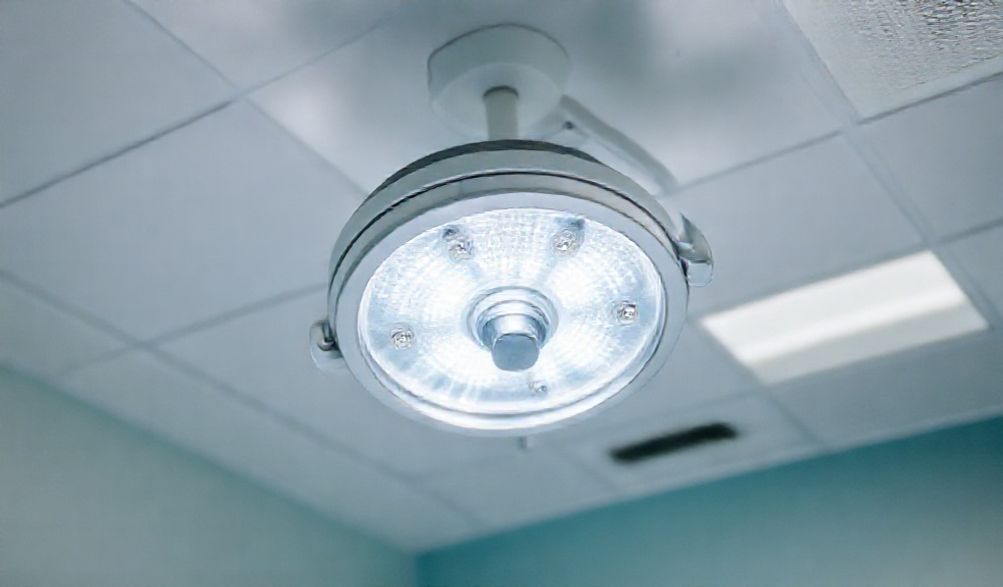
The Complete Guide to Ceiling Mounted Surgical Lights: Technology, Benefits & Selection
Introduction
In the high-stakes environment of an operating room, few factors are as fundamentally critical—and yet sometimes as overlooked—as illumination. The difference between a clear, shadow-free view of the surgical field and one hampered by glare or darkness can be the difference between a routine procedure and a complication. Optimal lighting is not merely a convenience; it is a direct contributor to surgical precision, speed, and, ultimately, patient safety.
This definitive guide is crafted to demystify the sophisticated technology of the modern ceiling mounted surgical light. Drawing on engineering specifications, clinical ergonomics, and real-world facility planning insights, it serves as an essential resource. Whether you are a surgeon advocating for better tools, an OR manager overseeing a renovation, a biomedical engineer evaluating performance, or a procurement specialist navigating capital investments, understanding these systems is paramount.
We will move beyond basic catalogs to explore the advanced technology that powers today’s lights, their tangible and significant benefits over traditional floor-standing models, the critical criteria you must consider during selection, and the best practices for integration and long-term maintenance. By the end, you will be equipped with the knowledge to make an informed decision that elevates the capabilities of your operating theater.
The Evolution of Surgical Lighting: From Shadow to Precision
The journey to today’s advanced ceiling mounted surgical light is a story of relentless pursuit of clarity, control, and sterility. Understanding this evolution underscores why modern systems are engineered as they are.
Early Incandescent Systems and Their Limitations
The earliest dedicated surgical lights were simple incandescent fixtures. While a vast improvement over ambient sunlight or oil lamps, they were plagued by intense heat radiation (often uncomfortably heating the surgeon’s head and the patient’s tissue), poor color rendering that distorted tissue appearance, and profound, single-source shadows cast by the surgeon’s hands and instruments. Their output was also inconsistent and dimmed over the bulb’s short lifespan.
The Halogen Revolution and Improved Color Rendering
The introduction of halogen bulbs marked a significant leap. They offered a whiter, brighter light with a higher Color Rendering Index (CRI), allowing for better differentiation between tissues, arteries, and nerves. Multi-reflector systems were developed to channel light from a single bulb into a ring-like pattern, reducing the central shadow. However, halogen lights still generated substantial infrared heat, consumed significant energy, and had a limited operational life, leading to high ongoing maintenance and replacement costs.
LED Technology: The Modern Standard for Efficiency & Control
The adoption of Light Emitting Diode (LED) technology has been transformative, establishing the current gold standard. LEDs solve the historical trifecta of problems: they are exceptionally energy-efficient, produce minimal radiant heat (preventing tissue desiccation and surgeon discomfort), and have lifespans measured in decades, not hundreds of hours. Most importantly, LED technology enables precise electronic control over intensity and color temperature, and allows for the design of complex, multi-point light sources that virtually eliminate shadows. This shift has made the sophisticated, feature-rich ceiling mounted surgical light we know today possible.
Core Technology & Components of a Modern Ceiling Mounted Light
A state-of-the-art ceiling mounted surgical light is a marvel of interdisciplinary engineering, integrating optics, mechanics, and digital controls into a single, reliable system.
LED Arrays: Understanding Lumens, Color Temperature, and CRI
The heart of the system is its LED array.
* Lumens: Measures the total quantity of visible light emitted. Modern lights deliver intense, focused illumination, often exceeding 160,000 lux at the center of the field, without excessive spill that causes glare.
* Color Temperature (CCT): Measured in Kelvins (K), this defines the “warmth” or “coolness” of the white light. Surgical lights typically operate in the 4000K to 5000K range. A cooler temperature (5000K+) offers a crisp, daylight-like appearance that can enhance contrast, while a warmer tone (4000K) is often easier on the eyes during long procedures.
* Color Rendering Index (CRI): A critical metric (on a scale of 0-100) that indicates how accurately a light source reveals the true colors of objects compared to natural light. For surgery, a CRI >90 is essential for correctly distinguishing between tissues, oxygenated blood, and subtle pathological changes.
Optical Systems: Lenses, Reflectors, and Depth of Illumination
The raw light from LEDs is shaped by sophisticated optics. Lenses and specially engineered reflectors work in concert to focus the light, creating a deep, homogeneous field. “Depth of illumination” is a key specification—it refers to the distance the light can penetrate into a cavity (e.g., during deep abdominal or pelvic surgery) while maintaining a uniformly bright and shadow-reduced field. Advanced systems achieve depths of 30cm or more.
Mechanical Design: Articulating Arms, Balance Systems, and Sterile Handles
The mechanical structure defines usability. Systems feature multi-segment, counterbalanced articulated arms that allow the light head to be positioned effortlessly with a single finger-touch on a sterile handle. High-quality balance systems ensure the light stays securely in its set position without drift, even when bumped. The handles themselves are designed for easy, aseptic draping and provide intuitive control over coarse and fine positioning.
The Control System: Touchscreens, Footswitches, and Integration
Digital control panels, often touchscreen-based and mounted on the light head or a separate column, allow for precise adjustment of intensity, color temperature, and focus. Footswitches enable hands-free control for the surgeon. The most advanced systems can integrate with the broader OR ecosystem, allowing lighting presets to be recalled as part of a digital surgical workflow or interfacing with room control systems.
Key Advantages of Ceiling Mounted Surgical Lamps
Why has the ceiling mounted surgical light become the dominant choice in new operating room construction and renovations? The advantages are compelling and multifaceted.
Unparalleled Sterility and Reduced Floor Clutter
By removing the large, wheeled base of a floor-standing light, the ceiling mount eliminates a major source of floor-level contamination and a significant obstacle. There are no wheels to trap debris or cords to trip over. This creates a cleaner, more open floor plan that facilitates easier cleaning and reduces the risk of intraoperative contamination.
Superior Maneuverability and Full-Body Cavity Coverage
The multi-articulating arms of a ceiling system provide a vastly greater range of motion. The light head can be swung completely away from the table for patient transfer, positioned directly over any part of the body, or angled steeply for procedures like perineal or shoulder surgery. This “working envelope” ensures optimal coverage for any surgical approach without the physical constraints of a floor stand’s base.
Enhanced Surgical Team Ergonomics and Reduced Fatigue
Ease of positioning translates directly to ergonomic benefits. Surgeons and staff can adjust the light quickly and precisely without straining or wrestling with a heavy apparatus. The reduction in physical effort and the provision of consistent, high-quality illumination help minimize eye strain and physical fatigue during long, complex procedures.
Optimal Integration with Operating Room Infrastructure
Ceiling-mounted systems are designed as part of the OR’s permanent architecture. They integrate seamlessly with other ceiling-mounted services like surgical booms, gas columns, and imaging equipment. This planned integration creates a cohesive, efficient, and technology-ready environment, unlike the ad-hoc placement of mobile equipment.
Critical Selection Criteria for Your OR
Selecting the right ceiling mounted surgical light is a strategic decision. Here are the key factors to evaluate beyond brand name.
Assessing Luminous Performance: Field Size, Depth, and Shadow Management
Request a live or video demonstration with simulated obstructions. Evaluate:
* Field Size & Homogeneity: Is the illuminated area large and even, with a smooth fall-off at the edges?
* Depth of Illumination: Can it maintain quality light deep within a cavity?
* Shadow Reduction: Place a simulator (like a cylinder) in the field. How effectively do the multiple LED modules fill in the shadow? True shadow management is the hallmark of a premium system.
Evaluating Ease of Use: Intuitive Controls and Ergonomic Positioning
Test the mechanical movement. Is it smooth and fluid? Does it hold position firmly? Are the sterile handles responsive? Navigate the control panel—is it intuitive, or cluttered and complex? The system should empower, not hinder, the surgical team.
Planning for the Future: Compatibility, Scalability, and Serviceability
Consider the system’s connectivity. Does it use open protocols for potential integration with future OR technologies? If you plan to add lights or upgrade controls later, is the system scalable? Crucially, investigate the manufacturer’s service network, parts availability, and typical response times. Reliability is non-negotiable.
Total Cost of Ownership: Initial Investment vs. Long-Term LED Savings
While the upfront cost is higher than some alternatives, analyze the Total Cost of Ownership (TCO). Factor in the massive savings from LED energy efficiency (often 50-70% less than halogen) and the near-elimination of bulb replacement costs and associated labor over a 10-15 year period. The long-term financial and operational benefits are substantial.
Installation, Maintenance, and Safety Protocols
Proper implementation is key to realizing the full benefits of your investment in a ceiling mounted surgical light.
Pre-Installation Planning: Structural Requirements and OR Layout
A detailed site survey is essential. Engineers must verify the ceiling structure can support the dynamic and static loads of the light and its mounting system. The OR layout must be mapped to ensure the light’s range of motion covers all necessary table positions and that it does not conflict with other ceiling-mounted equipment or ventilation.
Routine Maintenance Schedules for Peak Performance
Adhere strictly to the manufacturer’s preventive maintenance schedule. This typically includes annual inspections by a certified technician to check balance, arm tension, electrical safety, and control system function. Regular cleaning of lenses and handles per protocol is vital to maintain light output and sterility.
Essential Safety Checks and Compliance
Ensure the system is installed and maintained in compliance with the international safety standard IEC 60601-2-41, which specifically governs the essential performance and safety of surgical luminaires. Regular electrical safety tests (e.g., ground resistance, leakage current) are mandatory.
Troubleshooting Common Issues
Be aware of common problems:
* Flickering: Often indicates a failing power supply or control module.
* Positioning Drift: Usually points to worn bearings or failing gas springs in the balancing system.
* Control Failures: Can range from dead touchscreens to unresponsive footswitches, often related to internal electronics or connection issues.
For all these, the first step is always to contact your biomedical engineering department or the manufacturer’s service provider—never attempt internal repairs.
Frequently Asked Questions (FAQ)
Q1: What is the typical lifespan of an LED ceiling-mounted surgical light?
A: High-quality LED systems are designed for 50,000 to 60,000 hours of use, often translating to over a decade of normal OR service before light output degrades significantly, far outperforming older halogen technologies.
Q2: How do ceiling lights manage to reduce shadows compared to floor stands?
A: They utilize multiple LED modules arranged in a ring or matrix. These modules emit light from different angles, converging on the surgical site. When a surgeon’s head or instrument blocks one module, the others fill in, dramatically minimizing obstructive shadows.
Q3: Are these lighting systems compatible with all operating room tables?
A: Generally, yes. The primary consideration is the range and reach of the light’s arms. A proper pre-installation site survey ensures the selected model’s “working envelope” covers the full travel path of your OR table at all relevant heights and angles.
Q4: What are the most important certifications to look for?
A: Essential certifications include ISO 13485 (quality management for medical devices) and compliance with the international safety standard IEC 60601-2-41 specifically for surgical luminaires. Region-specific marks like the FDA listing in the USA or CE marking in Europe are mandatory.
Q5: Can the light’s color temperature be adjusted during a procedure?
A: Yes, many advanced models offer tunable white light. A surgeon might select a cooler temperature (e.g., 5000K) for enhanced tissue differentiation at the start and switch to a warmer tone (e.g., 4000K) to reduce eye strain during a long procedure.
Conclusion
The modern ceiling mounted surgical light is far more than a simple fixture; it is a pivotal investment in the foundational triad of surgical success: precision, efficiency, and safety. Driven by the revolutionary capabilities of LED and digital optical technology, these systems provide the clear, consistent, and controllable illumination that modern surgery demands.
When making your selection, move beyond basic specifications. Prioritize demonstrable luminous performance tailored to your surgical specialty, intuitive ergonomic design that supports your team, and a proven, reliable service network that ensures uptime. The right light is not merely purchased equipment—it becomes a seamless, intelligent extension of the surgical team’s senses, a core component of a high-functioning, future-ready operating room.
As we look forward, the trajectory points toward even greater integration. The surgical light is poised to evolve into a connected data node within the smart OR, potentially offering insights on usage patterns, further automating workflows, and continuing to illuminate the path toward better patient outcomes.
p>