
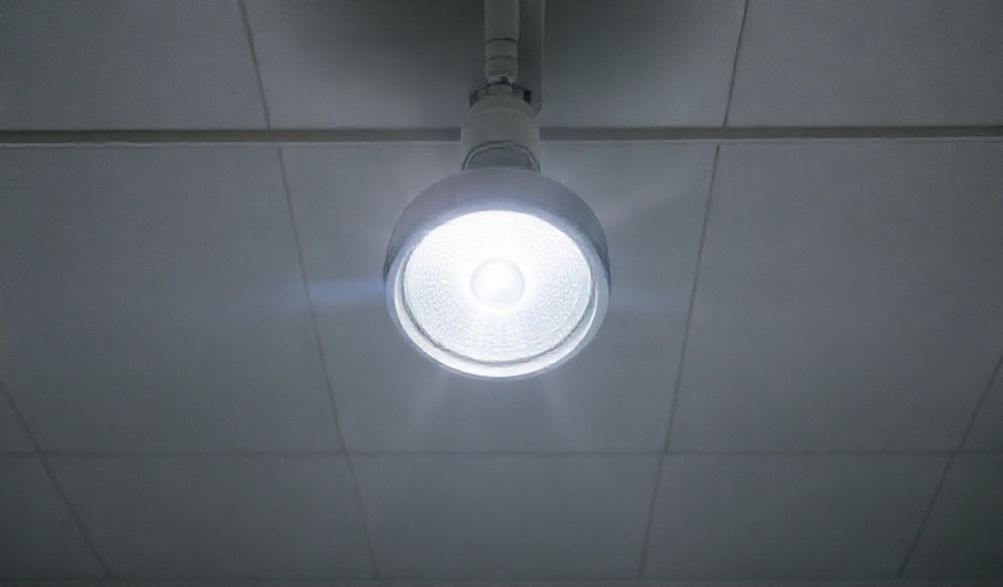
Operating Lights: A Comprehensive Guide to Surgical Illumination Technology
In the high-stakes environment of the modern operating room (OR), every piece of technology plays a role in determining patient outcomes. While much attention is given to advanced imaging and robotic systems, one fundamental tool remains the cornerstone of every successful procedure: the operating light. Far more than a simple lamp, today’s surgical illumination systems are sophisticated, life-critical medical devices. Their quality directly influences a surgeon’s precision, a team’s efficiency, and, ultimately, patient safety.
The journey from the shadow-casting single bulb of the late 19th century to today’s intelligent, shadow-free LED arrays is a story of relentless innovation focused on clinical need. This evolution reflects a deepening understanding of how light interacts with human tissue and the human eye during the delicate act of surgery.
This guide serves as an authoritative, expert-driven resource for the healthcare professionals who depend on and procure these systems: surgeons, OR nurses, clinical engineers, and hospital procurement teams. We will delve into the critical role of surgical lighting, decode its core technologies, provide a framework for selection, and outline best practices for use and maintenance—all grounded in the highest standards of accuracy for medical information.
The Critical Role of Operating Lights in Surgical Success
A surgeon’s primary senses are sight and touch. The operating light is the tool that translates the visual field into actionable intelligence. Inadequate or poor-quality illumination is not merely an inconvenience; it is a significant risk factor, potentially leading to prolonged operation times, increased surgeon fatigue, and diagnostic uncertainty.
Beyond Illumination: How Lighting Impacts Surgical Precision and Safety
The purpose of a surgical light is to create an optimal visual environment. This goes beyond simple brightness. Key objectives include:
- Shadow Reduction: Even minor shadows can obscure critical anatomy, vessels, or suture lines. Modern systems are engineered to eliminate the surgeon’s own shadow from the primary field.
- True Tissue Color Rendering: Accurate differentiation between arterial blood, venous blood, fatty tissue, and organ parenchyma is vital. Lighting must provide a spectrum that allows for true color discrimination.
- Depth Perception: The light must illuminate cavities and deep wounds evenly, providing a three-dimensional understanding of the surgical site without creating “hot spots” or dark recesses.
Medical guidelines often specify required illumination levels. For example, general surgery typically requires a minimum of 40,000 lux at the center of the field, with higher levels (up to 160,000 lux or more) recommended for highly delicate specialties like neurosurgery or ophthalmic microsurgery. These standards, often referenced in guidelines from bodies like the Association of periOperative Registered Nurses (AORN), underscore the direct link between quantified light quality and procedural safety.
Key Metrics: Understanding Lux, Color Temperature, and Shadow Management
When evaluating an operating light, understanding its technical specifications is crucial:
- Illuminance (Lux): This measures the amount of light falling on a surface. It’s the primary metric for “brightness” at the surgical site. A high lux value at a defined working distance (e.g., 1 meter) indicates powerful output.
- Color Rendering Index (CRI): Perhaps the most critical metric after lux, CRI measures a light source’s ability to reveal the true colors of objects compared to natural light. A CRI of 90+ (out of 100) is considered excellent for surgery, ensuring tissues appear in their natural hues. A low CRI can make tissues look jaundiced or cyanotic, misleading the surgical team.
- Color Temperature (Kelvin, K): This describes the “warmth” or “coolness” of the light. Surgical lights typically range from 4000K (warm white) to 5000K (cool, daylight white). A temperature around 4500K is often preferred as it balances good color rendering with reduced eye strain over long procedures.
- Shadow Dilution: This is a performance measure, not a direct specification. It quantifies a light’s ability to minimize shadows, often expressed as a percentage. It is achieved through optical design, such as using multiple light sources from slightly different angles.
Core Technologies and Types of Modern Operating Lights
The technology inside the surgical light head has undergone a revolutionary shift, moving from hot, inefficient, and inconsistent sources to precise, reliable, and intelligent systems.
LED Dominance: Benefits Over Traditional Halogen and Xenon
Light Emitting Diode (LED) technology has become the unequivocal standard for new operating light installations, and for good reason:
- Cool Light & Patient Safety: LEDs emit minimal infrared (heat) radiation. This dramatically reduces the risk of thermal injury to exposed tissues and desiccation (drying out), a significant drawback of halogen and xenon lamps.
- Longevity and Consistency: An LED array can last for 40,000-60,000 hours, compared to 1,000-2,000 hours for a halogen bulb. More importantly, LED intensity remains consistent throughout its lifespan, whereas traditional bulbs dim over time.
- Energy Efficiency: LEDs consume significantly less power, reducing the OR’s energy load and heat output, which also lowers air conditioning costs.
- Total Cost of Ownership: While the initial purchase price of an LED system may be higher, the savings from reduced energy use, eliminated bulb replacements, and lower maintenance make it more economical over its lifetime.
Surgical Light Head Designs: Central vs. Multi-Point Systems
The physical design of the light head determines its shadow management and field coverage:
- Central Reflector Systems: These feature a single, large reflector with the light source (LED array) at its focal point. They produce a single, homogeneous beam with excellent depth of illumination and are known for their simplicity and reliability.
- Multi-Point or Satellite Systems: These consist of several smaller, independent LED modules arranged in a ring or cluster. Each module can be focused independently, allowing for exceptional shadow reduction—if the surgeon’s head blocks one module, the others fill in the gap. They often offer more flexible field shaping.
Both types utilize sophisticated optics, like prismatic lenses or reflector coatings, to shape and direct the light. The choice between them often comes down to surgical specialty preference and the specific ergonomics of the OR.
Integration with the Digital OR: Connectivity and Hybrid Suites
The modern operating light is no longer an isolated device. It is a node in the connected OR ecosystem:
- Integrated Camera Systems: Many lights now have built-in, high-definition 4K cameras that provide a stable, perfectly illuminated view for documentation, teaching, and telemedicine.
- Video Overlay & Control: Lighting controls can be integrated into the OR’s touch panels or voice control systems. Video from the light’s camera can be routed to monitors and recording devices throughout the suite.
- Hy OR Suites: In environments like hybrid angiography/OR suites, lights are designed with wider coverage to accommodate large C-arms and other imaging equipment without sacrificing illumination of the surgical field.
How to Choose the Right Operating Light: A Procurement Checklist
Selecting an operating light is a significant capital investment. The decision must balance clinical performance, user satisfaction, and long-term value.
Assessing Clinical Needs: Procedure-Specific Requirements
The “best” light is the one that best fits your surgical caseload.
- Depth of Illumination vs. Field Diameter: Depth of illumination is the distance along the beam axis where the light remains above a required lux level (e.g., 40,000 lux). A deep cavity procedure like spinal surgery needs great depth. Field diameter is the width of the illuminated area. A wide field is crucial for open abdominal surgery. These are often inversely related; a light optimized for one may compromise on the other.
- Specialty Considerations:
- Neurosurgery & Cardiac: Require extremely high, homogeneous illumination with exceptional depth and shadow control.
- Minimally Invasive Surgery (MIS): Lights must provide wide, even surface illumination for monitor-based surgery and often feature a “cold” mode to avoid heating the patient’s skin during long laparoscopic procedures.
- Trauma & Emergency: Speed and reliability are key. Lights with simple, intuitive positioning and instant-on full brightness are vital.
Evaluating Ergonomic and Practical Features
The technology must serve the people using it.
- Maneuverability: Assess the reach, pivot points, and balance of the suspension system. Can it be positioned effortlessly and stay precisely where placed, even after being moved?
- Ease of Sterilization: All handles and touchpoints must be designed for rapid and effective cleaning. Seamless surfaces and removable, autoclavable handles are standard.
- Fail-Safe Systems: Redundant light sources (multiple LED modules) ensure that if one fails, the procedure can continue without catastrophic darkness. Battery backup for power-outage scenarios is also critical.
Compliance, Standards, and Safety Certifications
This is non-negotiable. Any operating light must be a certified medical device.
- IEC 60601-2-41: This is the paramount international standard specifically for surgical luminaires. It defines safety and performance requirements, including maximum allowable surface temperatures, stability, and light quality metrics.
- Regional Approvals: Devices must carry the appropriate regulatory mark for their region—CE marking in Europe, FDA clearance in the United States, etc.
- Infection Control Standards: Design should facilitate compliance with local and international guidelines for cleaning and disinfection in the OR.
Best Practices for Operation, Maintenance, and Sterilization
To ensure performance, safety, and longevity, proper handling and care of the operating light are essential.
Daily Protocols for Optimal Performance and Longevity
- Pre-Surgery Check: Before the first case, a member of the team should perform a brief functional check: turn the light on, run it through intensity settings, ensure it moves smoothly and holds position, and check that the handles are clean and secure.
- Positioning: Move the light using the designated handles, not the sterile drape or the light head itself. Position it before draping the patient to avoid contaminating the sterile field. Fine-tune the focus to get an even, bright field without glare.
Scheduled Maintenance and Infection Control
- Daily Cleaning: After each procedure, all non-sterile handles and touchpoints must be thoroughly cleaned and disinfected with hospital-approved agents that are compatible with the materials (e.g., plastics, coatings). This is a critical step in preventing Healthcare-Associated Infections (HAIs).
- Sterile Handle Protocol: Sterile handles should be attached after the surgical team scrubs in. After use, they are removed and sent for sterilization (autoclaving) per hospital protocol.
- Professional Servicing: The internal optical and mechanical systems require periodic professional maintenance as recommended by the manufacturer (typically annually). This includes checking alignment, calibrating sensors, and verifying that light output meets original specifications. Never attempt to open or service the light head internally without qualified personnel.
The Future of Surgical Illumination
The evolution of the operating light continues, driven by digitalization and data.
Smart Lighting and Adaptive Intelligence
The next generation of lights will be context-aware. Imagine a system that uses cameras and sensors to automatically adjust its focus, intensity, and even beam shape as the surgeon moves instruments or the procedure transitions from a wide incision to a deep cavity. This “auto-follow” or adaptive lighting could reduce cognitive load and manual adjustments.
Enhanced Visualization: Integration with Augmented Reality (AR)
The convergence of lighting and imaging will deepen. Future systems may project surgical navigation data, tumor margins, or vital anatomical landmarks directly onto the patient’s tissue using precisely calibrated AR overlays. The operating light would provide the perfect baseline illumination for these digital guides to be clearly visible, creating a true augmented surgical reality.
FAQ Section
What is the typical lifespan of an LED operating light?
Modern LED surgical lights are designed for a lifespan of 40,000 to 60,000 hours of operation. Under typical OR use, this translates to 15-20 years of service before a significant drop in performance, far exceeding traditional light sources.
How often should surgical lights be serviced or calibrated?
Manufacturers generally recommend a comprehensive professional service and performance check at least once per year. This ensures all safety and performance parameters, such as illuminance and color rendering, remain within specification.
Can operating lights contribute to surgeon fatigue?
Yes. Poor lighting—causing glare, shadows, inadequate color rendering, or the need for constant manual adjustment—can lead to visual and mental strain, contributing to fatigue. High-quality, ergonomically designed lights with excellent homogeneity and control reduce this strain.
What is the difference between depth of illumination and field diameter?
Depth of illumination is how deeply into a cavity the light maintains a useful brightness. Field diameter is how wide the illuminated area is on a surface. A light may excel at one; the best systems offer a strong balance of both.
Are there specific lights recommended for minimally invasive surgery (MIS)?
For MIS, look for lights with a broad, even field for surface illumination during port placement and open phases. A “cold light” mode is highly beneficial to prevent patient thermal injury during long laparoscopic procedures where the light is focused on one area of skin.
How do we properly clean and disinfect the surgical light without damaging it?
Always follow the manufacturer’s instructions. Generally, use a soft cloth with a mild, hospital-grade disinfectant that is non-abrasive and alcohol-free (unless specified). Avoid spraying liquid directly onto the light; spray the cloth instead. Pay special attention to handles and control panels. Never use abrasive pads or harsh chemicals.
Conclusion
The modern operating light is a paradigm of focused engineering, where optics, ergonomics, and digital integration converge to support the pinnacle of patient care. It is not a utility but a life-critical partner to the surgical team. As this guide has outlined, selecting the right system requires a careful analysis of clinical needs, a commitment to ergonomics and safety standards, and an understanding of the total value over time.
Investment in surgical illumination should be driven by the goal of enhancing precision, safety, and team performance. We encourage procurement teams to involve surgeons, nurses, and clinical engineers in the evaluation process, to demand live demonstrations in realistic settings, and to prioritize long-term reliability and support.
As we look ahead, the trajectory is clear: surgical lighting will become more intelligent, more integrated, and more indispensable. By making informed decisions today, healthcare institutions illuminate the path to better outcomes for years to come.
p>