
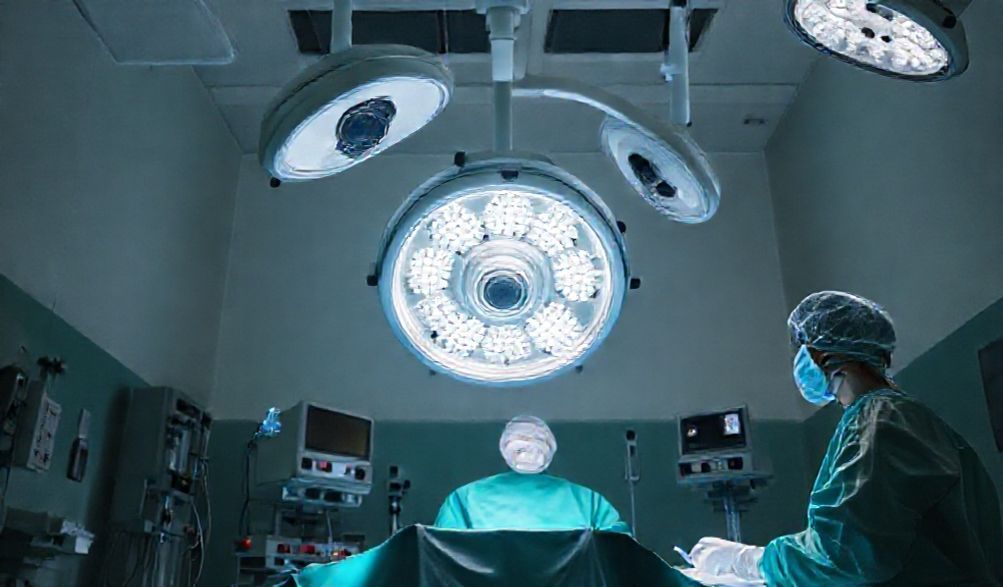
Operation Theatre Lights: A Comprehensive Guide to Surgical Lighting Systems
In the high-stakes environment of an operating theatre, every detail is calibrated for precision and success. While advanced imaging and robotic systems often capture the spotlight, one fundamental element remains the bedrock of every procedure: light. Imagine a cardiac surgeon navigating a complex valve repair or a neurosurgeon differentiating between grey and white matter—a single shadow, a subtle misrepresentation of color, or a moment of visual fatigue can have profound consequences. surgical lighting is not merely about visibility; it is about creating an optimal visual field where life-saving decisions are made with absolute clarity. This guide delves into the critical world of operation theatre lights, moving beyond basic specifications to explore the engineering, human factors, and stringent standards that define modern surgical illumination. Whether you are a hospital administrator overseeing a capital procurement, a biomedical engineer managing equipment, or a medical professional seeking a deeper understanding of your tools, this comprehensive resource synthesizes insights from surgical device manuals, peer-reviewed studies on clinical ergonomics, and international healthcare standards like IEC 60601-2-41 to inform your decisions.
The Critical Role of Lighting in Modern Surgery
Surgical lighting has evolved from simple spotlights to sophisticated environmental systems designed to support the surgical team’s performance and directly influence patient outcomes.
Beyond Illumination: How OT Lights Impact Surgical Outcomes
The right light does more than just light up the incision site. It is an active contributor to surgical efficacy and team well-being.
- Reducing Eye Strain and Fatigue for Surgical Teams: Procedures can last for many hours, demanding intense visual concentration. Poor lighting—with glare, inconsistent illumination, or inadequate intensity—forces the eye muscles to work harder, leading to fatigue, headaches, and decreased concentration. Optimal lighting minimizes this strain, helping to maintain peak performance throughout long operations, a factor supported by studies on surgeon ergonomics and alertness.
- Enhancing Tissue Differentiation and Color Rendition: Surgery is a chromatic landscape. Distinguishing a pale nerve from surrounding fascia, identifying the precise hue of oxygenated blood, or spotting the early signs of tissue ischemia requires light that renders colors accurately. This is quantified by the Color Rendering Index (CRI). High-fidelity color is non-negotiable for accurate diagnosis and intervention within the surgical field.
- Minimizing Shadows in Deep Cavity Procedures: In orthopedic, spinal, or abdominal surgeries, the operative field can be deep and narrow. The surgeon’s head, hands, and instruments can cast obstructive shadows. Advanced lighting systems are engineered to dilute these shadows through multi-source optics, ensuring that critical anatomy is never hidden from view at a crucial moment.
Core Principles of Surgical Lighting: Intensity, Focus, and Sterility
The performance of an OT light is governed by several interlinked principles:
- Intensity: Measured in lux (lumens per square meter), intensity requirements vary. While general surgery may require 40,000-100,000 lux at the center of the field, delicate procedures like neurosurgery or microsurgery can demand up to 160,000 lux for exceptional detail. Importantly, this intensity must be homogenous, with a minimal drop-off (e.g., no less than 60% of center lux) at the periphery of the illuminated field.
- Focus & Depth of Illumination: Unlike a camera’s depth of field, a surgical light’s “depth of illumination” refers to its ability to provide consistent, shadow-reduced light even as instruments move in and out of a deep cavity. This is achieved through precise optical design and the strategic placement of multiple light-emitting elements.
- Sterility: The light must be part of the sterile field without becoming a source of contamination. Handles are designed for easy draping or are themselves sterilizable. The entire light head and arm assembly must have seamless, crevice-free surfaces that can withstand rigorous cleaning with hospital-grade disinfectants.
Key Components and Technology of Advanced OT Lights
Modern surgical lights are complex assemblies of optics, mechanics, and electronics. Understanding the components demystifies their capabilities.
The Light Head: LED vs. Halogen – A Detailed Comparison
The light source technology is the heart of the system.
- LED (Light Emitting Diode): The current industry standard.
- Advantages: Exceptional energy efficiency (reducing operational costs and heat load in the OR), extremely long lifespan (40,000-60,000 hours), and minimal infrared/UV emission, which drastically reduces the risk of tissue drying or thermal injury. LEDs offer exceptional color temperature stability over their lifetime and can be digitally controlled for intensity and, in some models, color temperature.
- Disadvantages: Higher initial capital investment, though this is offset by the total cost of ownership.
- Halogen: The predecessor technology, now largely obsolete in new installations.
- Advantages: Provided a warm, full-spectrum light that was a significant improvement over earlier incandescent bulbs.
- Disadvantages: Very inefficient, converting most energy into heat. This poses patient safety risks and increases OR cooling demands. They have a very short lifespan (1,000-2,000 hours), leading to frequent, disruptive bulb changes and higher running costs. Color temperature can shift as the bulb ages.
The Structure: Arms, Mounts, and Maneuverability
The structure delivers the light head to the precise point in space where it’s needed and holds it securely.
- Mounts: Ceiling-mounted systems are most common, freeing up floor space. They can be single-track, X-Y track, or multi-axis for greater coverage in a single OR. Wall mounts and mobile floor stands are used for specific applications or in hybrid operating rooms where ceiling space is crowded with other equipment.
- Articulating Arms: These are marvels of balanced engineering. Modern arms use spring-assisted or magnetic counterbalance systems. Key considerations include the number of joints (for flexibility), total reach, and the ease of movement. A quality arm should move effortlessly with a light touch but lock rigidly in any position without drift or sagging, ensuring stability during the most delicate moments.
Integrated Systems and Smart Features
The modern OT light is becoming a connected hub.
- Camera Integration: High-definition video cameras can be embedded in the light head, providing an optimal, sterile overview for teaching, telemedicine, and documentation.
- Advanced Control: Touchscreen panels, touchless gesture control, or voice activation allow for sterile adjustment. Preset modes can instantly recall optimal lighting configurations for specific procedures (e.g., “Cardiac,” “Laparoscopic,” “Ortho”).
- Connectivity: Integration with the OR’s network allows for monitoring of usage, performance data, and predictive maintenance alerts.
How to Choose the Right Operation Theatre Light: A Buyer’s Checklist
Selecting OT lights is a strategic investment. This experience-based checklist guides you beyond the brochure.
Assessing Technical Specifications
Demand verified test reports, not just marketing claims.
- Illumination Level: Require data on center field lux (e.g., ≥ 160,000 lux) and the homogeneity (e.g., ≥ 60% at a defined periphery, like a 30cm diameter). Ask for the measurement distance (typically 1 meter).
- Color Rendering Index (CRI): This is critical. Insist on a CRI of 90 or higher (Ra90+). A CRI of 95+ (Ra95) is ideal for the most color-critical specialties. Test this in person if possible—look at surgical drapes and tissue models.
- Shadow Dilution & Light Field Diameter: Evaluate the shadow management. Have a vendor representative demonstrate by placing an instrument in the field. The shadow should be faint and low-contrast (“diluted”). The adjustable field diameter should suit your specialty’s needs.
Evaluating Practical and Operational Factors
These factors determine daily usability and long-term costs.
- Ease of Sterilization: Inspect the light head and handles. Are surfaces smooth? Can handles be autoclaved? How easy is it to drape?
- Redundancy: What happens if an LED array fails? The best systems have multiple, independently wired LED modules so that a single failure causes only a slight dimming, not a blackout.
- Noise: In a quiet OR, the hum of cooling fans can be distracting. Test the light at full intensity and listen.
- Total Cost of Ownership (TCO): Calculate beyond the purchase price. Factor in the energy savings of LED vs. halogen, the cost and frequency of bulb/replacement parts, and the expected service intervals. A more expensive, reliable LED system often has a lower TCO over 10 years.
Installation, Maintenance, and Safety Standards
Proper deployment and upkeep are as important as the initial selection.
Compliance with International Medical Device Regulations
OT lights are Class I or II medical devices and must comply with stringent regulations.
- IEC 60601-2-41: This is the paramount international standard specifically for surgical luminaires and diagnostic luminaires. It covers essential safety and performance requirements, including maximum allowable temperature rises, stability, light field characteristics, and mechanical strength.
- Regional Markings: Ensure the device carries the appropriate regulatory marks for your region—CE marking (Europe), FDA clearance (USA), CDSCO approval (India), etc. This is non-negotiable for patient safety and legal operation.
Routine Maintenance and Sterilization Protocols
A disciplined maintenance schedule ensures reliability and safety.
- Daily: Cleaning staff should wipe down all external surfaces, especially handles, with approved disinfectants.
- Weekly/Monthly: Clinical staff or biomed should check arm movement, balance, and locking function.
- Annually: A mandatory professional service by qualified technicians. This includes verifying lux output with a calibrated meter, checking electrical safety (earth resistance, leakage currents), re-calibrating balance systems, and inspecting all mechanical components. Detailed service logs must be maintained for audit trails and quality accreditation (like JCI or NABH).
Common Troubleshooting Issues
- Flickering/Dimming: Usually indicates a failing power supply, control board, or, in halogens, a dying bulb. For LEDs, it could be a failing driver module.
- Stiff Arm Movement: Can be due to worn bearings, failing gas springs, or imbalanced counterweights. Do not attempt to grease or repair arms in-house. This is a job for certified service personnel.
- Rule of Thumb: Any issue affecting light output, electrical safety, or mechanical stability requires a call to technical support. Only simple surface cleaning should be an in-house task.
Frequently Asked Questions (FAQ) About Operation Theatre Lights
Q1: What is the typical lifespan of an LED surgical light compared to a halogen one?
A: LED OT lights typically offer 40,000 to 60,000 hours of operational life, which translates to over a decade of regular use. This vastly outperforms halogen bulbs, which last only 1,000 to 2,000 hours, resulting in frequent, costly replacements and potential OR downtime.
Q2: Why is the Color Rendering Index (CRI) so important for a surgery light?
A: A high CRI (90+ is ideal, 95+ is excellent) ensures that tissues, blood, and organs are seen in their true, natural colors. This accuracy is vital for critical distinctions—differentiating an artery from a vein, identifying the pallor of ischemic tissue, or noting the cyanotic hue of poorly oxygenated blood. It reduces diagnostic uncertainty directly at the operative site.
Q3: Can surgical lights cause burns on patients?
A: Modern LED lights emit very little infrared (heat) radiation compared to old halogen models, significantly reducing this risk. However, no light is 100% cool. Proper protocol must be followed: lights should not be positioned extremely close to the patient’s skin for prolonged periods. The built-in heat management systems in quality lights are designed to meet strict international safety standards (IEC 60601-2-41) that limit surface temperature.
Q4: How often should operation theatre lights be professionally serviced?
A: Manufacturers and standards typically recommend a comprehensive professional service at least once per year. This service verifies that illumination levels are within specification, checks the mechanical stability and balance of the arms, inspects all electrical safety parameters, and ensures continued compliance with medical device regulations.
Q5: Are there “shadowless” operation theatre lights?
A: Truly “shadowless” light is a physical impossibility when solid objects (like a surgeon’s hands) interrupt a light path. The goal of modern multi-source lighting systems is shadow dilution. By using multiple LED arrays set at different angles within a single light head, shadows are overlapped, making them faint, low-contrast, and non-obstructive to the surgeon’s view.
Conclusion
Selecting and maintaining operation theatre lighting is a profound responsibility that intersects clinical outcomes, team performance, and operational efficiency. It is a strategic decision that goes far beyond simple procurement. As this guide has outlined, the key takeaways are clear: prioritize advanced LED technology for its safety, efficiency, and longevity; demand verifiable technical specifications, especially high CRI and homogeneous lux output; and never compromise on compliance with international safety standards like IEC 60601-2-41. Looking forward, surgical lighting will continue to evolve, integrating more deeply with hybrid OR ecosystems, potentially using AI to auto-adjust to surgical video feeds, and connecting to hospital IoT platforms for smart asset management. Ultimately, investing in a superior surgical lighting system, backed by rigorous standards and a robust maintenance culture, is a direct and impactful investment in patient safety, surgical precision, and the well-being of the entire operative team.
p>