
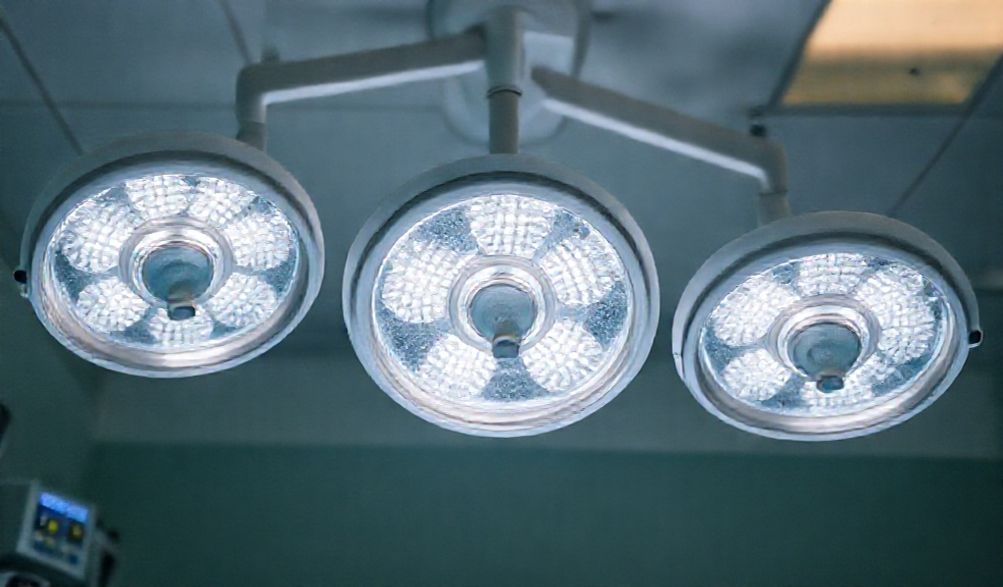
Surgical Lights: A Comprehensive Guide to Types, Technology, and Selection for Optimal Patient Care
In the high-stakes environment of the operating room, where millimeter precision can define the line between success and complication, one critical tool is often overlooked: light. It is the medium through which a surgeon’s skill is translated into action. Studies have consistently shown that optimal illumination correlates directly with improved surgical outcomes, including reduced error rates, shorter procedure times, and enhanced patient safety. In fact, research indicates that inadequate lighting can contribute to visual fatigue and misinterpretation of tissue morphology, directly impacting procedural efficacy.
This guide is designed as a definitive, neutral educational resource for surgeons, hospital administrators, procurement specialists, and biomedical engineers. Our purpose is to demystify the technology behind modern surgical lights, moving beyond marketing claims to focus on industry standards, clinical requirements, and technical specifications. Whether you are researching to understand the basics, compare systems for a new operating suite, or make a significant capital purchase, this article provides a clear, unbiased framework for evaluation. We will explore the evolution of this vital technology, break down its core components, examine the different types available, and provide a practical checklist for selection and maintenance.
The Evolution of Surgical Lighting: From Shadow to Clarity
The history of surgical lighting is a journey from battling obscurity to engineering clarity, mirroring the advancement of surgery itself.
Early Days: Sunlight and Simple Lamps
For centuries, surgery was dictated by the sun. Procedures were scheduled for midday near windows, severely limiting when and where they could be performed. The introduction of candles and oil lamps offered marginal improvement but introduced new dangers—open flames in proximity to volatile antiseptics like ether—and provided poor, flickering illumination that cast deep, obstructive shadows.
The Incandescent Revolution and its Limitations
Thomas Edison’s incandescent bulb in the late 19th century marked the first major leap. It provided a safer, more controllable light source, allowing for the first dedicated surgical lamps. These early fixtures were often single-point sources, creating significant shadows and radiating intense heat downward, which could desiccate tissue and discomfort the surgical team. While a vast improvement, the quest for a cool, shadow-reduced, and bright field of light was far from over.
The Advent of Halogen and LED: A Quantum Leap
The mid-20th century saw the rise of halogen lamps, which offered brighter, whiter light and better color rendering than standard incandescents. They became the OR standard for decades. However, they were intensely hot, energy-inefficient, and had relatively short lifespans, leading to high operational costs and maintenance burdens.
The true paradigm shift arrived with Light Emitting Diode (LED) technology. Initially used in minor applications, advances in LED output, color quality, and thermal management have made it the undisputed global standard for major surgical lights. This transition represents not just an incremental improvement but a fundamental re-engineering of how light is delivered in the OR.
Core Technologies in Modern Surgical Lights
Today’s surgical lights are sophisticated medical devices. Understanding their core technologies is key to evaluating their performance.
LED Technology: Why It’s the Standard
The dominance of LED is due to a confluence of superior characteristics:
* Superior Color Rendering Index (CRI): CRI measures a light source’s ability to reveal the true colors of objects compared to natural light. In surgery, a high CRI (≥90, with ≥95 being ideal) is non-negotiable. It allows surgeons to accurately differentiate between arterial and venous blood, identify subtle tissue variations, and distinguish pathological from healthy tissue. LED systems excel in providing consistent, high-CRI illumination.
* Cool Light Emission: Unlike halogen bulbs that convert most energy into infrared radiation (heat), LEDs are fundamentally cool-light sources. Minimal heat is projected onto the surgical site, drastically reducing the risk of tissue desiccation and improving patient safety and surgeon comfort.
* Energy Efficiency and Longevity: LEDs consume a fraction of the power of halogen systems and boast lifespans of 40,000 to 60,000 hours—often a decade or more of OR use. This translates to massive savings on energy and bulb replacement costs, a key factor in Total Cost of Ownership (TCO).
Understanding Light Field Characteristics
The quality of light is defined by more than just brightness. Key metrics include:
* Depth of Illumination: This refers to the light’s ability to penetrate deep cavities (e.g., in pelvic or thoracic surgery) without a significant fall-off in intensity. A light with good depth provides consistent illumination at varying tissue depths.
* Homogeneity: A perfect surgical light field is uniformly bright with no “hot spots” (areas of excessive brightness) or sharp gradients. High homogeneity reduces eye strain as the surgeon’s gaze moves across the field and ensures no area is under-illuminated.
* Luminous Intensity and Adjustability: Measured in lux (lumens per square meter), intensity must be sufficient for the task—typically ranging from 40,000 lux for minor procedures to over 160,000 lux for complex microsurgery. The ability to dim the light smoothly is crucial for adapting to different procedural stages and surgeon preference.
Advanced Features for Enhanced Precision
Manufacturers integrate advanced systems to address historical challenges:
* Shadow Reduction Technology: True “shadow-free” light is a misnomer. Modern systems use multiple LED arrays arranged in concentric rings. When a surgeon’s head or instrument blocks one set of beams, the others fill in the shadow, dramatically reducing its contrast and size, making it less obstructive.
* Color Temperature Control: Some systems allow surgeons to adjust the color temperature of the white light (e.g., from a warmer 4000K to a cooler 5000K). This can enhance contrast for specific tissues or align with a surgeon’s visual preference.
* Sterilization Compatibility and Sealed Designs: To meet stringent infection control standards, light heads feature seamless, sealed enclosures that can withstand repeated cleaning with harsh disinfectants. Sterile, removable handles are standard, allowing for intraoperative repositioning without breaking the sterile field.
Types of Surgical Lights and Their Clinical Applications
Surgical lights are not one-size-fits-all. They are categorized based on their mounting, mobility, and intended use.
Major Surgical Lights (Ceiling-Mounted)
These are the primary lights in main operating rooms.
* Configurations: They come as single-arm or multi-arm (typically two) systems. Multi-arm lights offer greater flexibility, allowing two light heads to be combined for maximum intensity or positioned independently to illuminate a large field from different angles.
* Applications: Used for major procedures like general surgery, orthopedics, cardiothoracic, and neurosurgery. Their high intensity, deep cavity illumination, and advanced shadow control are essential for these complex operations.
Minor Surgical Lights (Portable and Stand-Mounted)
Designed for flexibility and lower-intensity needs.
* Characteristics: These are often mobile units on a floor stand or wall-mounted on a swing arm. They are smaller, lighter, and easier to position than major lights.
* Applications: Ideal for minor procedure rooms, emergency departments, labor and delivery suites, outpatient surgery centers, and for wound care. They provide excellent illumination for suturing, biopsies, and other localized procedures.
Specialty Surgical Lights
These systems are tailored for specific disciplines.
* Endoscopy/Laparoscopy Lights: The light source for minimally invasive surgery is inside the patient, delivered via a fiberoptic cable connected to a high-intensity console light. These sources require extreme brightness and stable color output.
* Headlight Systems: Worn by the surgeon, these provide a focused, coaxial light beam that follows the surgeon’s gaze perfectly. Indispensable in specialties like dentistry, ENT, plastic surgery, and neurosurgery, where the surgical site is deep and narrow.
* Examination Lights: Found in clinics and pre-op areas, these provide high-quality, cool illumination for patient assessment and minor office-based procedures.
How to Choose the Right Surgical Light System: A Procurement Checklist
Selecting surgical lights is a significant capital decision. A systematic, multi-disciplinary approach is essential.
Assessing Clinical Requirements and OR Workflow
- Surgical Specialty Mix: What types of procedures are most common? A hospital specializing in microvascular surgery will have different intensity and precision needs than one focused on general surgery.
- Team Dynamics: Consider the size of the surgical team and their typical positioning. Does the light need to accommodate multiple surgeons or assistants viewing the field from different angles?
Evaluating Key Performance Specifications
- Illuminance (Lux): Verify the light output at a standard distance (e.g., 1 meter). Ensure it meets or exceeds the requirements for your most demanding procedures.
- Light Field Diameter & Depth: The diameter at the working distance should be appropriate for your typical surgical field. Depth of illumination is critical for deep-cavity work.
- Color Rendering Index (CRI): Do not compromise. Insist on a CRI of 90 or higher, with 95+ being the benchmark for superior tissue differentiation.
Considering Ergonomics and Usability
- Maneuverability: The light should move smoothly and effortlessly, staying in position without drift. Test the balance and reach of the arms.
- Sterile Interaction: Evaluate the design and feel of the sterile handles. Can they be easily gripped and manipulated with gloved hands?
- Control Panel: Controls should be intuitive, accessible, and easy to clean. Touchscreen interfaces with programmable settings are now common.
Total Cost of Ownership (TCO) and Compliance
- Beyond Purchase Price: Calculate long-term savings from LED energy efficiency and eliminated bulb replacements. Factor in expected service costs.
- Service & Warranty: Understand the manufacturer’s support network, warranty length, and terms. Availability of local biomedical engineering support is a plus.
- Regulatory Compliance: The device must carry necessary approvals for your region (e.g., FDA in the USA, CE marking in Europe) and comply with medical device standards like ISO 9001 and the safety standard IEC 60601-1.
Maintenance, Sterilization, and Safety Best Practices
Proper care ensures performance, longevity, and safety.
Routine Cleaning and Disinfection Protocols
- Follow Manufacturer Instructions: Use only approved cleaning agents and methods. Harsh chemicals or abrasive wipes can damage anti-reflective coatings and seals.
- Daily vs. Terminal Cleaning: Establish protocols for a daily wipe-down of handles and surfaces, and a more thorough terminal cleaning between procedures, paying attention to all crevices and joints.
Scheduled Preventive Maintenance
- Biomedical Inspection: Regularly scheduled checks should assess the mechanical integrity of arms and joints, electrical safety, and the security of all mounts.
- Performance Verification: Periodically measure light output (lux) and color metrics (CRI, temperature) to ensure the system has not degraded below acceptable clinical levels.
Ensuring Patient and Staff Safety
- Thermal Safety: While LED lights are cool, always follow use guidelines. Avoid having the light head stationary too close to a single spot on drapes or skin for an extended period.
- Stability: Regularly check ceiling mounts, counterbalance mechanisms, and floor locks (for mobile lights) to prevent any risk of accidental movement or drooping during a procedure.
FAQ Section
Q1: What is the most important factor when choosing a surgical light?
A: There is no single factor; it’s a balance. However, Light Quality (encompassing high CRI, homogeneity, and sufficient intensity) is foundational for visual accuracy, followed closely by reliability and ergonomics to support the surgical team.
Q2: How long do LED surgical lights typically last?
A: High-quality LED surgical lights can have a lifespan of 40,000 to 60,000 hours, which translates to over a decade of typical operating room use, significantly outperforming older halogen technologies.
Q3: Can surgical lights cause burns or tissue damage?
A: Modern LED lights emit very little infrared radiation, drastically reducing the risk of thermal tissue damage compared to older halogen lights. However, proper use and adherence to manufacturer safety guidelines are always essential.
Q4: What does “shadow-free” light really mean?
A: No light is perfectly shadow-free. “Shadow reduction” technology uses multiple light sources from slightly different angles so that if an instrument blocks one beam, the others fill in the area, minimizing the contrast and size of any shadow.
Q5: Are there specific lights for different surgical specialties?
A: Yes. While major lights are versatile, specialties like neurosurgery or plastic surgery may prioritize extreme color accuracy and depth, while minimally invasive surgery might integrate lights with camera systems. Headlights are essential for dentists and some ENT procedures.
Conclusion
Surgical lights are far more than simple room fixtures; they are precision optical instruments that form a critical link in the chain of patient care. Their evolution from hot, shadow-casting points to cool, homogeneous, and intelligent systems has directly enabled advances in surgical technique and safety.
When evaluating options, let clinical evidence and verified performance data—not marketing alone—guide your decision. The selection process must be collaborative: involve surgeons who will use the lights daily, consult with clinical engineering teams on serviceability, and engage procurement specialists on lifecycle costs.
Before finalizing any major purchase, insist on a live demonstration in a simulated OR environment. There is no substitute for hands-on evaluation of maneuverability, light quality, and ergonomics. As we look forward, the integration of surgical lights with advanced imaging, AI-driven automatic adjustment, and connected OR data systems promises to further enhance their role as a central, intelligent hub in the modern operating theater.
p>