
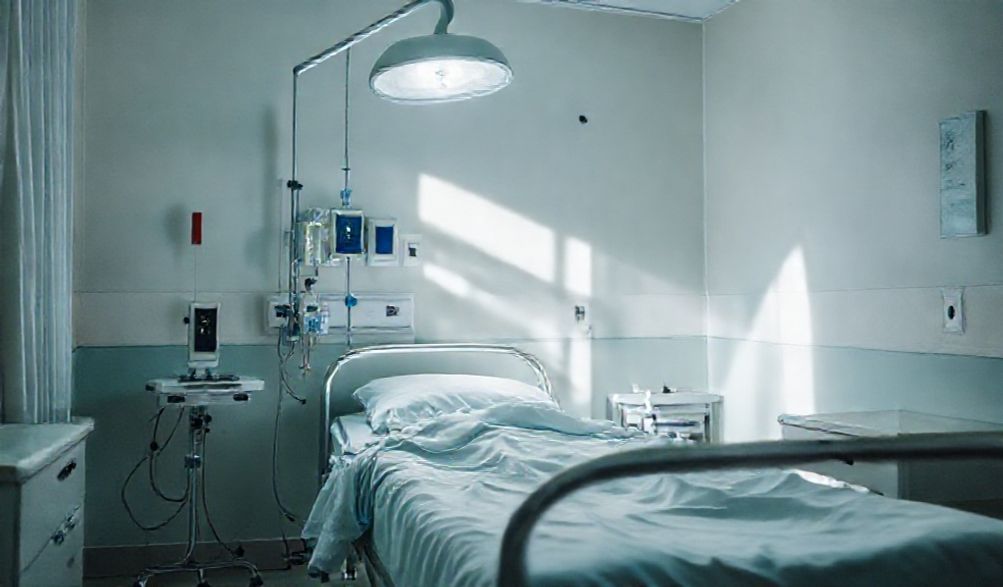
The Ultimate Guide to Hospital Bed Light Fixtures: Safety, Function & Patient Care
In the intricate ecosystem of a healthcare facility, every piece of equipment has a purpose. Among the most ubiquitous yet profoundly impactful is the humble light fixture suspended over a patient’s bed. Far from a simple source of illumination, a hospital bed light is a critical piece of medical equipment, a silent partner in patient care that influences recovery trajectories, staff efficiency, and clinical outcomes. Its role extends beyond banishing shadows; it is a tool for diagnosis, a modulator of well-being, and a guardian of safety.
This guide, developed with insights into healthcare ergonomics and patient-centered design, provides a comprehensive examination of over-bed lighting systems. We will delve into the reasons why specialized lighting is non-negotiable, unpack the features that define an optimal fixture, explore the various types available, and provide a practical framework for selection and maintenance. Whether you are a facility manager overseeing a renovation, a clinician advocating for better tools, or a caregiver seeking to understand the environment, this knowledge ensures you can select and utilize lighting that truly serves its purpose in the delicate art of healing.
Why Specialized Hospital Bed Lighting is Non-Negotiable
To consider an over-bed light as merely a lamp is to misunderstand the clinical environment entirely. In a setting where precision, safety, and human vulnerability intersect, the lighting must be engineered to meet extraordinary demands.
Beyond Illumination: The Role of Lighting in Patient Recovery
The influence of light on human physiology and psychology is well-documented, and this is magnified in a healthcare setting. For patients, often confined to bed and disconnected from natural day-night cycles, the quality of artificial light becomes paramount.
- Circadian Rhythm and Sleep: Clinical studies consistently show that exposure to bright, blue-rich light during the day helps regulate circadian rhythms, improving alertness and mood. Conversely, warm, dim light in the evening supports the production of melatonin, promoting restful sleep. Poorly designed, constant, harsh lighting can disrupt these cycles, leading to sleep deprivation, increased confusion (especially in elderly patients), and a longer, more stressful recovery.
- Patient Comfort and Orientation: Glare from a poorly shielded bulb can cause significant discomfort, headaches, and disorientation for a patient who may be bedridden and unable to reposition easily. Adjustable, diffuse, and glare-free lighting reduces this stress, creating a more calming and controllable environment. The ability for a patient to adjust their own light for reading or to signal for help fosters a sense of autonomy and dignity.
Meeting Rigorous Healthcare Standards & Compliance
A hospital is not a home or office. Every device must comply with a complex web of international and national standards designed to protect patients and staff from harm.
- Safety Certifications: Fixtures must carry relevant certifications from bodies like IEC (International Electrotechnical Commission) and UL (Underwriters Laboratories), often with specific healthcare listings (e.g., UL 60601-1). These ensure protection against electrical shock, fire hazards, and mechanical failures.
- Infection Control: This is a primary driver of design. Surfaces must be completely seamless and made of non-porous materials (e.g., medical-grade polymers, anodized aluminum) that can withstand daily—and sometimes hourly—cleaning with powerful, harsh disinfectants without corroding, cracking, or discoloring.
- Physical Durability: Hospital equipment is used 24/7 and must endure accidental bumps from beds, IV poles, and staff. The fixture, and particularly its articulating arms, must be robust enough to maintain precise positioning over years of constant use.
Key Features of an Optimal Over-Bed Medical Light
When evaluating a hospital bed light, these core features separate a basic fixture from a true clinical tool.
Clinical-Grade Light Quality & Adjustability
This is the heart of its medical function.
- Color Temperature & CRI (Color Rendering Index): The ability to accurately assess a patient is critical. High CRI (90+) lighting reveals true skin tones, allowing clinicians to better detect cyanosis (bluish skin), jaundice (yellowness), pallor, or rashes. Some advanced systems offer tunable white light, enabling staff to switch between a cooler, brighter light for examinations and a warmer, softer light for ambient room lighting, supporting circadian health.
- Precision Optics & Dimming: The light beam should be even, wide, and free of harsh edges or intense hotspots that create shadows—a nurse needs to see a vein clearly, not have it obscured by a shadow from their own hand. Smooth, full-range dimming (often from 0-100%) is essential. It allows staff to set the perfect level for a procedure and lets patients adjust light to a comfortable, non-intrusive level for rest.
Design for Hygiene and Durability
The fixture must be as resilient as it is functional.
- Seamless & Cleanable Surfaces: Every joint, crevice, or textured surface is a potential reservoir for pathogens. Optimal fixtures have a monolithic, smooth design that can be wiped down quickly and thoroughly. Switches and controls should be capacitive touch or fully sealed mechanical buttons.
- Robust Construction: Look for heavy-duty materials, reinforced articulation points, and a reputation for reliability. The focus should be on Total Cost of Ownership—a slightly more expensive, durable fixture that lasts 10+ years is far more economical than a cheaper one requiring frequent repairs or replacement.
Ergonomic Design for Staff and Patient Safety
The light should adapt to people, not the other way around.
- Articulating Arms: A multi-jointed arm (often with gas spring counterbalances) provides a wide range of motion. This allows a clinician to position the light source exactly where needed—whether for a foot examination or reading a chart—without moving the patient or straining themselves.
- Intuitive Controls: Interfaces must be simple and accessible. This includes:
- Staff Controls: Often located on the light head or arm for easy adjustment during procedures.
- Patient Controls: Bedside switches, pendants, or integrated panels that allow the patient to turn the light on/off and dim it without calling for assistance. Integration with the nurse call system is a key feature, allowing the bed light to flash or indicate a call.
Types of Hospital Bed Light Fixtures and Their Applications
The physical layout of the room and clinical workflow dictate the best mounting solution.
Ceiling-Mounted Track & Monorail Systems
These systems feature a fixed track on the ceiling from which light heads can be suspended and easily repositioned.
* Best For: Maximum flexibility. Ideal for multi-bed bays, emergency departments, or treatment rooms where the bed or equipment layout may change. They keep the floor and walls completely clear.
* Consideration: Installation is more complex and may not be suitable for rooms with very high ceilings.
Wall-Mounted Articulating Arms
A dedicated arm is mounted to the wall directly behind or beside the patient’s bed.
* Best For: Providing stable, reliable lighting for a single bed. They offer excellent range of motion and are a common, cost-effective solution for standard patient rooms. Some models feature a detachable “examination light” for closer, more focused work.
* Consideration: They require clear wall space and can limit bed positioning.
Integrated Headwall Lighting Systems
Here, the lighting is built into the patient headwall unit, which also houses medical gases, electrical outlets, data ports, and monitoring equipment.
* Best For: A streamlined, unified aesthetic and consolidated functionality. It creates a clean, uncluttered environment that is easy to clean and service.
* Consideration: This is typically part of a larger headwall procurement or renovation project and offers less flexibility for future changes.
Selecting the Right Fixture: A Facility Manager’s Checklist
Making the right choice requires a strategic, multi-faceted approach.
Assessing Clinical Needs and Workflow
Engage with end-users from the start. Ask:
* What specific procedures (wound dressing, IV insertion, reading) are performed at the bedside?
* What is the staff workflow? Do multiple clinicians need access simultaneously?
* What are the room dimensions and bed placement limitations?
Total Cost of Ownership (TCO) Considerations
Look beyond the sticker price. Calculate:
* Energy Efficiency: LED fixtures consume significantly less power than old halogen models.
* Maintenance Costs: What is the warranty? How easy is it to service? Are replacement parts readily available?
* Lifespan: A fixture with a 100,000-hour LED and robust mechanics will outlast cheaper alternatives many times over.
Vendor Evaluation: Questions to Ask
When speaking with manufacturers or suppliers, be prepared:
* “Can you provide all relevant IEC/UL certification documents?”
* “What is the warranty on the light engine and the mechanical arm?”
* “Do you offer local service support and training for our maintenance staff?”
* “Can this system integrate with our existing nurse call or building management system?”
Installation, Maintenance, and Safety Best Practices
Proper implementation is as crucial as the selection itself.
Professional Installation is Key
Always use certified electricians familiar with national and local healthcare electrical codes (like NFPA 99 in the U.S.). Improper installation can void warranties, create safety hazards, and fail compliance inspections. They will ensure proper grounding, circuit loading, and secure mounting.
Creating a Proactive Maintenance Schedule
Preventative care avoids clinical disruptions.
* Monthly/Quarterly: Wipe down surfaces with approved disinfectants. Check all arm joints and counterbalance mechanisms for smooth operation and any signs of wear or “droop.”
* Annually/Bi-Annually: A more thorough inspection by biomedical engineering or facilities staff to check electrical connections, switch functionality, and the integrity of the light output (no flickering, consistent dimming).
FAQ Section
Q: Can a regular LED light be used over a hospital bed?
A: Absolutely not. Standard commercial or residential LED fixtures lack the medical-grade color accuracy (CRI), precise dimming capabilities, hygienic sealed housing, and critical safety certifications (like UL 60601-1) required in a clinical environment. They can introduce glare, hinder accurate patient assessment, and pose infection control and electrical safety risks, leading to compliance failures.
Q: How does over-bed lighting differ from surgical lighting?
A: They are designed for fundamentally different tasks. Surgical lights are engineered for ultra-high intensity, deep-cavity illumination in a sterile field, with features like shadow reduction and focused beams. Over-bed lights are for general examination, patient comfort, and ambient room lighting. They provide broader, softer, and more adjustable light, with a greater emphasis on patient comfort, ease of use, and integration into the patient room.
Q: What is the typical lifespan of a medical-grade LED bed light?
A: High-quality medical LED fixtures typically have a rated lifespan of 50,000 to 100,000 hours. However, this refers to the light source itself. The mechanical components—articulating arms, joints, and switches—are subject to wear and tear. A robust fixture with a 5+ year warranty on the entire system is a good benchmark.
Q: Are there smart features available in modern hospital bed lights?
A: Yes. The market is evolving with connected features. These include integration with nurse call systems for visual alerts, automated circadian lighting programs that adjust color temperature and intensity throughout the day, touchless or voice-activated controls to support infection prevention, and connectivity to building management systems for energy monitoring and predictive maintenance.
Q: Who should be involved in the selection process for new bed lighting?
A: A multidisciplinary team is essential for success. This should include clinical staff (nurses, doctors) to represent workflow needs, facility management for installation and TCO, infection control practitioners to vet materials and cleanability, and biomedical engineering to evaluate serviceability and compliance. This collaborative approach ensures the solution meets all operational, clinical, and regulatory requirements.
Conclusion
Selecting the right hospital bed light fixture is a decision that resonates through every layer of patient care. It is an investment not just in a piece of hardware, but in patient well-being, staff efficiency, and clinical excellence. The choice requires a careful balance of unwavering safety standards, intelligent ergonomic design, and a deep understanding of the human experience within a clinical space.
By prioritizing clinical-grade light quality that aids diagnosis and supports recovery, insisting on hygienic and durable construction that withstands the rigors of the environment, and choosing intuitive designs that empower both staff and patients, healthcare facilities can illuminate the path to better outcomes. The right light does more than dispel darkness; it fosters a safer, more comfortable, and more healing environment for all. Always partner with reputable manufacturers and engage your clinical teams to ensure your final selection truly becomes a beacon of care.
p>