
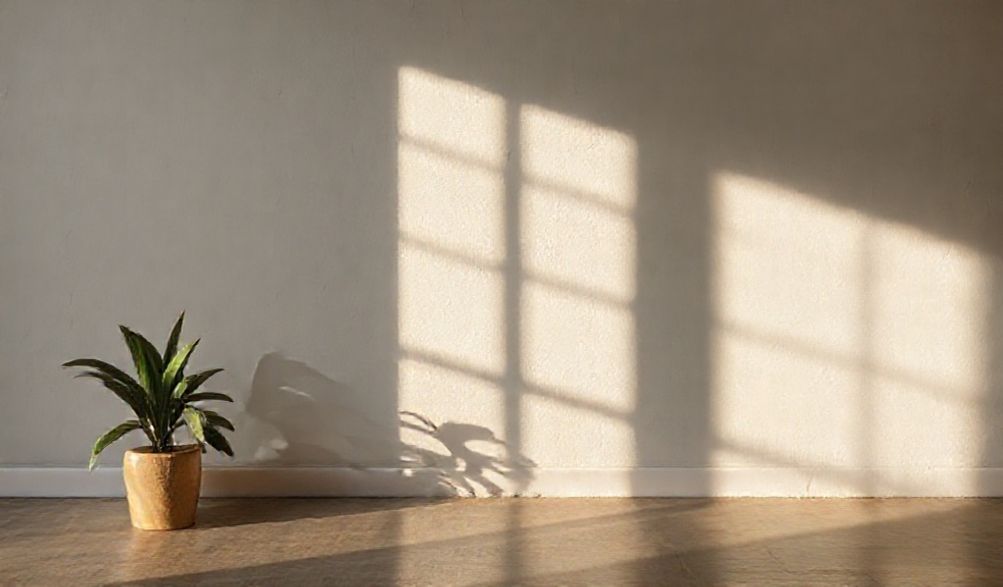
How to Eliminate Shadows with Lighting: A Complete Guide to Brighter, More Functional Spaces
Shadows are more than just an aesthetic nuisance; they can impact safety, functionality, and mood in any space. Whether you’re a homeowner frustrated by a dark kitchen counter, a photographer battling unwanted shadows in a portrait, or a business owner ensuring a well-lit retail floor, mastering light is key. This comprehensive guide, grounded in lighting principles and practical application, will empower you to understand why shadows form and provide actionable, step-by-step solutions to eliminate them. We’ll move beyond simple tips to a strategic understanding of lighting design, helping you create evenly illuminated, inviting, and highly usable environments for any purpose.
Understanding the Science of Shadows: Why They Form
To eliminate a problem, you must first understand its cause. Shadows are created when an object blocks light from a source. This simple fact is the foundation of all lighting design. By manipulating the light source, we can control the shadow’s presence, hardness, and direction.
The Core Principle: Light Direction & Point Sources
Imagine a single, bright light in a dark room, like a bare bulb. This is a point source. Light rays travel in straight lines from this single point. When an object interrupts these straight rays, it creates a hard, defined shadow with a sharp edge because the light has only one path to take. The size and position of the shadow change based on the distance and angle between the light, the object, and the surface the shadow falls upon.
A key concept here is the relative size of the light source. A small, distant light (like the sun on a clear day) creates very hard shadows. Conversely, a large, close light source (like a cloudy sky or a large softbox) creates soft, diffused shadows with blurry edges. This is because the light rays are hitting the object from many different angles, “wrapping” around it and filling in the shadow from the sides.
Types of Problem Shadows and Their Impact
Not all shadows are created equal. Identifying the type helps you choose the right solution.
- Task Shadows: This is the most common functional issue. Your own body blocks the primary light source while you’re working at a counter, desk, or bench. This makes detailed work like chopping vegetables, reading small print, or assembling components difficult, straining your eyes and reducing accuracy.
- Ambient Shadows: These are the large, gloomy dark areas in room corners, under furniture, or in the center of a hallway. They make spaces feel smaller, cavernous, and unwelcoming. They are typically caused by insufficient or poorly placed general lighting.
- Accent Shadows: While dramatic, high-contrast shadows can be desirable in art galleries or for creating mood, they are problematic in settings requiring clear, uniform visibility. Harsh shadows under cabinets, inside shelves, or across a bathroom mirror can hide details and create an uneven, unsettling environment.
Foundational Lighting Strategy: The Layered Approach
Professional lighting designers don’t rely on a single switch to light a room. They use a layered approach, which is the most effective, long-term strategy to combat shadows comprehensively. Think of it as building a complete lighting ecosystem.
Layer 1: Ambient (General) Lighting
This is the base layer—the foundation of your lighting plan. Its purpose is to provide overall, uniform illumination to a room, effectively washing away large ambient shadows. Think of it as the substitute for the sun or the sky in your indoor environment. It sets the baseline light level from which you build.
- Solutions: Recessed ceiling lights (downlights), flush-mount or semi-flush-mount ceiling fixtures, chandeliers (with translucent shades to diffuse light), and indirect lighting techniques like cove lighting or uplighting that bounce soft light off walls and ceilings.
Layer 2: Task Lighting
This is the targeted, surgical strike against shadows. Task lighting places bright, focused light exactly where you need it for specific activities. It directly solves the problem of “task shadows” by ensuring the work surface itself is illuminated, independent of your body’s position.
- Solutions: Under-cabinet LED strip or puck lights in kitchens, adjustable desk lamps, focused reading lights, vanity strip lights on either side of a mirror, and pendant lights suspended over islands, dining tables, or workbenches.
Layer 3: Accent Lighting
While its primary role is to highlight architectural features, artwork, or textures, strategic accent lighting is a powerful tool for filling in residual shadows. It adds depth, dimension, and balance to a space, preventing it from looking flat and ensuring light comes from multiple angles.
- Solutions: Wall sconces (which provide crucial vertical illumination on walls), track lighting aimed at artwork or bookshelves, and well-placed picture lights. A wall sconce in a dark corner, for example, acts as both an accent and a shadow-filler.
Practical Techniques to Eliminate Shadows
With the layered strategy as your framework, here are specific, actionable methods you can implement immediately.
1. Increase & Diversify Light Sources
The single biggest mistake is relying on one dominant light source. Shadows are created by obstruction. If light can only come from one direction, an object will always cast a shadow on its opposite side. The solution is to use multiple fixtures from different angles. This ensures light “wraps around” objects, filling in the shadows cast by any single source. Instead of one bright ceiling light in the center of a living room, use several lower-wattage recessed lights spread apart, supplemented by floor and table lamps.
2. Embrace Indirect and Diffused Light
Direct light from a bare bulb is harsh and shadow-intensive. Diffusion scatters the light rays, softening them and dispersing them more evenly across a space, which minimizes harsh, defined shadows.
- How-to: Always use fixtures with shades, frosted glass, or fabric diffusers. Employ bounced light by aiming a floor lamp (torchiere) or uplight at a white ceiling, turning the entire ceiling into a large, soft light source. Install cove or valance lighting where the light source is concealed in a ledge or behind a baffle, washing the wall or ceiling with a smooth, shadow-free glow.
3. Optimize Light Placement & Angles
Where you put the light is as important as the light itself.
- For Task Areas: The golden rule is to position the light source in front of or beside you, not behind you. For a desk, place the lamp on the side opposite your writing hand to prevent your hand from casting a shadow on your work. In a kitchen, under-cabinet lighting placed at the front of the cabinet shines directly down on the counter, bypassing your body altogether.
- For General Spaces: When planning ambient lighting, think about the room’s footprint. Place lights strategically to cover the entire area evenly. Pay special attention to corners and areas behind large furniture, which are natural shadow traps.
4. Utilize Reflective Surfaces & Colors
Your room’s surfaces are active participants in lighting. Light-colored walls, ceilings, and floors act as natural reflectors, bouncing and diffusing available light around the room to brighten shadowed areas. A matte white ceiling is the best reflector for ambient light. Strategic use of mirrors is a classic and powerful trick. Placing a mirror opposite a window or a light fixture can effectively double the light’s impact and redirect it into dark spots.
Solutions for Specific Scenarios
Eliminating Shadows in Home Photography & Videography
For quality media, controlling shadows is non-negotiable. The goal is to create flattering, even light on your subject.
- Technique: Use a three-point lighting setup. The Key Light is your main light. The Fill Light (placed on the opposite side of the camera from the key) is crucial—its sole job is to “fill in” the shadows created by the key light, softening them. The Back Light (or hair light) separates the subject from the background.
- Tool Recommendation: For home setups, softboxes and umbrella lights are essential. They create a large, diffuse light source that produces soft, wraparound light with minimal harsh shadows. A simple, affordable alternative for fill light is a 5-in-1 reflector.
Fixing Shadows in Kitchen Workspaces
The kitchen is a prime battleground for task shadows. Overhead lighting, especially from a central fixture, leaves you working in your own shadow.
- Primary Solution: Install under-cabinet LED lighting. This is the most effective upgrade for any kitchen. LED strip lights or puck lights mounted at the front of your upper cabinets throw light directly onto the countertop, perfectly illuminating food prep areas regardless of where you stand.
- Secondary Solution: Ensure this task layer is supported by adequate overhead ambient lighting, such as a grid of recessed downlights or a central fixture with a diffuser. For islands, pendants provide both task and ambient light from a mid-level height.
Creating Shadow-Free Office & Study Environments
Eye strain and reduced productivity are direct results of poor office lighting.
- The Formula: Combine a good ambient overhead light (to eliminate room shadows and reduce contrast with your bright screen) with a high-quality, adjustable desk lamp. The lamp should have a shade that directs light downward onto your work surface. Position it so it lights your desk without causing glare on your computer screen or creating a sharp shadow from your hand. An arm-style lamp offers the most flexibility.
FAQ: Your Lighting and Shadow Questions, Answered
Q1: What is the single most effective change I can make to reduce shadows?
A: Implementing the layered lighting approach. Relying on a single overhead light source is the most common cause of problematic shadows. Adding dedicated task lighting (like an under-cabinet light or a desk lamp) is often the most impactful and immediate first step you can take.
Q2: Are LED lights better for reducing shadows than traditional bulbs?
A: LED technology itself doesn’t directly reduce shadows, but its practical advantages enable far better shadow-reduction solutions. LEDs are cool-running, allowing you to place multiple fixtures closer to surfaces (like under cabinets or in shelves) and use more fixtures without heat concerns. Their directional nature also makes them excellent for precise task lighting, and their dimmability helps you balance light layers perfectly.
Q3: How can I eliminate harsh shadows outdoors, like on a patio or entrance?
A: Avoid a single, glaring spotlight mounted on the wall. Instead, use downlighting from eaves or trees (simulating a moonlighting effect) and wall-washing fixtures mounted high to graze down vertical surfaces. Using path lights or low-level step lights at a distance from the main area can also fill in shadows cast from above, creating a safer and more inviting space.
Q4: Can smart lights help with shadow problems?
A: Yes, strategically. Smart lighting systems allow you to group multiple fixtures (e.g., “All Ambient Lights,” “Kitchen Task Lights”) and control them simultaneously with one command or automation, ensuring all layers of light are used easily. You can also fine-tune the balance—dimming a harsh overhead light while boosting a corner floor lamp to fill shadows—to create the perfect scene for any activity.
Q5: I have shadowy corners even with a ceiling light. What can I do?
A: This means your ceiling light is not providing enough spread or is poorly positioned relative to the room’s layout. The direct solution is to add a floor lamp, a wall sconce, or a table lamp in that corner to directly illuminate it. A torchiere floor lamp that bounces light off the ceiling is a particularly effective way to lift light into a dark corner without adding glare.
Conclusion
Eliminating shadows is not about flooding a space with blinding, uncomfortable light; it’s about applying intelligent, layered illumination from multiple angles and for specific purposes. By understanding the cause of shadows and systematically implementing the solutions outlined—starting with robust ambient light, adding precise task lighting, and using accent lights for balance and fill—you can transform any dark, awkward, or inefficiently lit area. Remember to leverage the power of diffusion, strategic placement, and reflective surfaces to soften and spread light. Whether your goal is safety, productivity, comfort, or simply beauty, taking control of your lighting is one of the most powerful ways to enhance your daily environment. Start by assessing one problem area, apply the principles in this guide, and enjoy the dramatic improvement of a beautifully, functionally lit space.
p>