
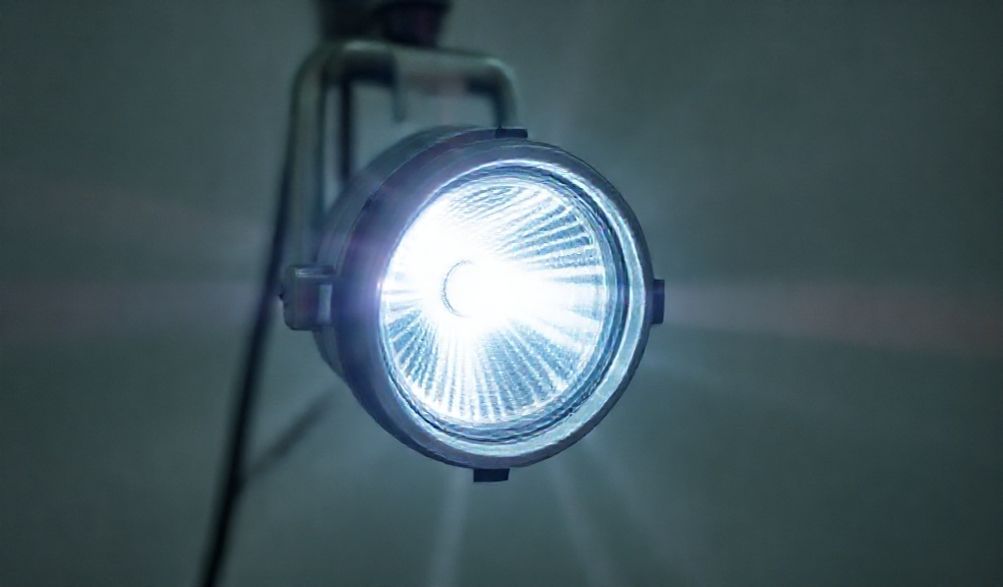
The Ultimate Guide to Medical Headlights: Enhancing Precision in Patient Care
Imagine this: you’re deep into a complex procedure. The anatomy is intricate, the margins are tight, and a shadow just fell across the critical plane of dissection. You adjust the overhead lamp, but your assistant’s hand blocks the light. You lean in, straining your neck, trying to catch a glimpse of a bleeder or a nerve pathway in the dim recesses of a cavity. This scenario, familiar to countless surgeons, dentists, and specialists, highlights a fundamental truth in medicine: precision is paramount, and vision is the foundation of precision.
In an era of robotic surgery and advanced imaging, one of the most impactful tools remains profoundly personal and tactile—the medical headlight. More than just a hands-free flashlight, it is an essential extension of a clinician’s senses, casting a pure, focused beam exactly where the eyes are looking. Yet, its selection and use are often afterthoughts, relegated to generic equipment catalogs.
This guide aims to change that. Compiled from industry standards, clinical best practices, and technical equipment specifications, this resource is designed to be your definitive manual on medical headlights. We will demystify the technology, break down the critical features, and provide specialty-specific guidance to empower you to make an informed decision. Whether you’re a resident investing in your first system or a seasoned practitioner seeking an upgrade, understanding this tool will directly enhance your diagnostic accuracy, procedural efficiency, and, ultimately, patient care.
What is a Medical Headlight and Why is It Indispensable?
At its core, a medical headlight is a personal, wearable illumination system. It consists of a light source mounted on a headband or attached to eyewear, projecting a beam of light that moves in perfect coordination with the wearer’s gaze. This simple concept unlocks profound clinical benefits.
Core Definition and Basic Function
The primary purpose of a medical headlight is to deliver bright, focused, and shadow-free light directly into the surgical or examination field, coaxial with the user’s line of sight. Unlike overhead surgical lights, which can be blocked by hands, instruments, or the patient’s own anatomy, the headlight’s beam originates from the surgeon’s forehead, illuminating exactly what they are looking at. This creates an “on-axis” or coaxial lighting condition, where the light path and the visual path are nearly identical, dramatically reducing glare and revealing true depth and texture.
The Direct Impact on Clinical Outcomes
The value of a high-quality medical headlight transcends mere convenience; it tangibly affects outcomes.
- Reducing Fatigue and Enhancing Ergonomics: Long procedures under poor lighting force the eyes to constantly adjust, leading to significant eye strain, headaches, and neck pain from unnatural postures. A well-positioned headlight provides consistent, optimal illumination, allowing for a more neutral head position and reducing physical fatigue, which is crucial for maintaining focus during marathon surgeries.
- Improving Accuracy and Safety: Enhanced visualization is directly linked to fewer errors. The ability to clearly differentiate between tissue types, identify small vessels and nerve branches, and see the true margins of a lesion leads to more accurate dissections, more complete excisions, and more precise repairs. In fields like dentistry or otolaryngology, it can mean the difference between locating a micro-canal or missing it.
- A Cross-Specialty Essential: The utility of the medical headlight is universal. From the deep cavity of a spinal surgery to the confined space of the oral cavity in dentistry, from the detailed surface examination in dermatology to the microsurgical demands of ophthalmology and plastic surgery, this tool is a cornerstone of modern clinical practice, including veterinary medicine.
Key Features to Evaluate When Choosing a Medical Headlight
Selecting a headlight is not about finding the “brightest” one; it’s about finding the right tool for your specific needs. Here are the critical specifications to scrutinize.
Light Source Technology: LED vs. Halogen vs. Xenon
The heart of any headlight is its light source. The evolution from halogen to LED represents the single biggest advancement in this technology.
- LED (Light Emitting Diode): The undisputed modern standard. LEDs offer superior brightness with minimal heat output, eliminating the “hot spot” on the patient and the clinician’s forehead. They are extremely energy-efficient, leading to longer battery life, and have a phenomenal lifespan (often 50,000+ hours). Most critically, high-quality LEDs produce a consistent color temperature of 5500-6000 Kelvin, which mimics natural daylight. This, combined with a high * ما هي تكلفة وعمر بطاريات الاستبدال؟, ensures true tissue color rendition, allowing you to accurately assess perfusion, inflammation, and tissue viability.
- Halogen/Xenon: Once common, these are now largely obsolete. They produce light by heating a filament, resulting in significant waste heat, shorter bulb life (1,000-2,000 hours), and a yellowish light that distorts tissue colors. Their inefficiency also drains batteries quickly.
Expertise Takeaway: For any new purchase, an LED-based system is the only recommended choice, backed by overwhelming technical and clinical data.
Brightness and Beam Control
Brightness is measured in قياس شدة الإضاءة (total light output). However, what matters more clinically is illuminance at the working distance, measured in مستوى الـ (lumens per square meter). A headlight might produce 3,000 lumens, but its focused optics might deliver over 100,000 lux on a small spot 20cm away.
- Lumen Range: For most surgical and dental procedures, a system capable of 2,000 to 4,000 lumens is more than sufficient. Examination-focused fields may require less.
- Beam Focus & Spot Size: The optics are crucial. Look for a system with a highly adjustable, focused beam that produces a sharp, defined edge with minimal peripheral scatter. The ability to change the spot size from a small, intense circle for micro-work to a wider flood for a larger field is a valuable feature.
Comfort and Ergonomics: Design for Long Procedures
If a headlight is uncomfortable, you won’t wear it properly, negating its benefits. Key ergonomic factors include:
- توزيع الوزن: The total weight and its balance are critical. Systems with a rear counterweight or a separate belt-mounted battery pack distribute weight more evenly than all-in-one forehead units.
- عصابة الرأس: Look for padded, moisture-wicking, and fully adjustable headbands. A secure, comfortable fit prevents slippage during long, dynamic movements.
- Battery Pack Options: Waist/Belt Packs offer the best balance and longest runtime but have a cord. Wall-Mounted Power Supplies provide unlimited power for long, stationary procedures. Integrated Batteries (cordless) offer maximum mobility but add weight to the head.
Power System and Runtime
- Rechargeable Lithium-Ion: This is the standard. They are lightweight, have no memory effect, and offer excellent power density.
- Runtime: Always check runtime at the brightness level you intend to use. A 4-hour runtime on high power is a common benchmark. Features like a clear battery-level indicator (e.g., an LED bar on the pack or headpiece) and quick-charge capability (e.g., 1 hour to 80% charge) are highly practical.
Types of Medical Headlight Systems
Medical headlights generally fall into three main design categories, each with distinct advantages.
Traditional Corded Headlight Systems
This classic design features a lightweight headpiece connected by a cable to a separate control box containing the battery and electronics, often worn on the waist or belt.
- اقتصادي التكلفة، يتحرك تلقائيًا مع الكرسي. Typically the most powerful systems available. The separate battery allows for larger capacity, meaning longer or even unlimited runtime if plugged into AC power. The headpiece itself is very light.
- يمكن أن يتعارض مع حركة المساعد، قد يكون له مدى محدود، ويرتبط عمر الضوء بعمر الكرسي. The cord can limit mobility and presents a potential snag hazard. Cord management is an additional consideration in the sterile field.
Modern Cordless/Rechargeable LED Headlights
These all-in-one systems integrate the battery and light source into a single unit mounted on the headband.
- اقتصادي التكلفة، يتحرك تلقائيًا مع الكرسي. Unmatched freedom of movement and mobility. No cords to manage, tangle, or sterilize. Ideal for procedures where the clinician moves around the patient or works in non-sterile exam settings.
- يمكن أن يتعارض مع حركة المساعد، قد يكون له مدى محدود، ويرتبط عمر الضوء بعمر الكرسي. Runtime is limited by battery charge. The integrated design places more weight on the head, which can be a comfort factor during very long procedures.
Loupe-Integrated Headlight Systems
Here, the LED light source is mounted directly onto the frame of surgical telescopic loupes.
- اقتصادي التكلفة، يتحرك تلقائيًا مع الكرسي. Provides perfect, permanent coaxial alignment—the light is always exactly where you are looking through the loupes. It streamlines equipment, reducing items on the head.
- يمكن أن يتعارض مع حركة المساعد، قد يكون له مدى محدود، ويرتبط عمر الضوء بعمر الكرسي. This is often the most expensive option. The system is specialized and tied to your loupes. Weight and balance depend heavily on the loupe frame design.
How to Select the Right Headlight for Your Medical Specialty
Your specialty dictates your primary requirements. Use this as a starting point for your evaluation.
Recommendations for Surgical Specialties (General, Plastic, Neuro, Ortho)
- Needs: High brightness and deep cavity penetration are critical. You need a system that can deliver intense, focused light into abdominal, thoracic, or spinal cavities. Long, uninterrupted runtime (4+ hours on high) is essential for major cases.
- Best Fit: Often a traditional corded system with a waist-pack battery or AC power capability, or a high-performance cordless system with a spare battery. Look for high lux ratings at 20-30cm working distance.
Recommendations for Dental and Oral Surgery
- Needs: Shadow-free illumination in the confined, reflective oral cavity. The light must work in harmony with dental loupes. Comfort for prolonged, angled neck positions is a major factor.
- Best Fit: Loupe-integrated systems are extremely popular for their perfect alignment. Otherwise, lightweight cordless LED headlights أو corded systems with a slim, adjustable light guide are excellent. A cooler light source (LED) is vital due to proximity to the patient’s face.
Recommendations for Examination-Focused Fields (Dermatology, Primary Care, Wound Care)
- Needs: يُعد الحصول على حقل ضوئي true color accuracy for assessing skin lesions, rashes, and tissue health. The system should be lightweight and easy to don/doff for patient exams. Extreme brightness is less critical than color fidelity.
- Best Fit: A lightweight cordless LED headlight with a high CRI (>93) and daylight color temperature (5500K-6000K). Simpler, more cost-effective models are often perfectly adequate.
Best Practices for Using and Maintaining Your Medical Headlight
A premium tool requires proper care to ensure performance, longevity, and safety.
Proper Positioning and Adjustment for Optimal Illumination
- Don the Headband: Secure it comfortably so it will not slip.
- Coarse Alignment: Before turning it on, point the light guide towards your hand at your typical working distance (e.g., 25cm). Adjust the angle so the beam is centered.
- Fine-Tune with Eyes: Look at your target area and turn on the light. Without moving your head, adjust the light guide until the “hot spot” of the beam is centered in your field of view. The goal is for the brightest part of the beam to fall where your central vision is focused.
Cleaning, Disinfection, and Sterilization Protocols
This is a critical point of patient and provider safety. The following are general guidelines. You MUST adhere to your healthcare facility’s Infection Prevention and Control (IPC) policy and the specific Instructions for Use (IFU) provided by the headlight manufacturer.
- General Rule: Most modern headlight systems are not fully submersible or autoclavable. The electronic components in the headpiece and battery pack cannot withstand steam sterilization.
- Cleaning & Low-Level Disinfection: After each use, the non-sterile parts (headband, battery pack, cords) should be wiped down with a hospital-grade disinfectant wipe compatible with plastics and electronics. The light guide tip should be carefully cleaned.
- Barrier Protection: In sterile surgical fields, the non-sterile headlight and cord are almost always covered with a sterile, transparent plastic sheath or drape. This is the primary method for maintaining sterility.
- Sterilizable Components: Only if explicitly stated by the manufacturer, certain metal light guide arms or loupe mounting brackets may be detachable and autoclavable. Never assume a component is sterilizable without written validation from the manufacturer.
Battery Care and Long-Term Storage Tips
- For Lithium-Ion batteries, avoid consistently draining them to 0%. Partial discharges are better than full ones.
- If storing the system for a month or more, store the battery at a 40-60% charge level in a cool, dry place.
- Use only the manufacturer-provided charger.
قسم الأسئلة الشائعة
Q1: What is the ideal color temperature for a medical headlight?
ج: 5500-6000 Kelvin. This range replicates natural midday sunlight, providing optimal color contrast and the most accurate visual representation of tissue, blood, and pathology.
Q2: How many lumens do I really need for surgical procedures?
ج: Lumens alone can be misleading. Focus on the manufacturer’s lux-at-distance specification. For deep cavity surgery, you often need 40,000 to 150,000 lux at 20-30cm. A headlight producing 2,000-4,000 lumens with good optics typically achieves this. Always consult the technical data sheet for lux ratings.
Q3: Can I sterilize my medical headlight in an autoclave?
A: Only if explicitly stated and approved by the manufacturer in the official Instructions for Use (IFU). The vast majority of systems are عدم fully autoclavable. Standard protocol involves low-level disinfection of the device and the use of a sterile barrier sheath in the operating field. Autoclaving an unapproved unit will destroy it.
Q4: What is the typical battery life for a cordless LED headlight?
ج: It varies significantly by model and brightness setting. On a high-power setting, modern systems typically offer 3 to 8 hours of continuous use. Many feature quick-charge technology that can provide several hours of use from a 30-60 minute charge.
Q5: Are medical headlights worth the investment for a new practitioner?
ج: Absolutely. It is a fundamental professional tool, akin to a good stethoscope or quality loupes. It improves your clinical capability, reduces procedural fatigue, and enhances patient safety and outcomes from the outset of your career. View it as a necessary, long-term investment in your practice and your patients’ care.
الخاتمة
A medical headlight is far more than a simple light; it is a critical interface between the clinician’s skill and the patient’s need for precise, safe care. The right system dissolves shadows, reveals true color, and reduces physical strain, allowing you to perform at your peak. The choice ultimately balances three pillars: superior جودة الضوء (LED, high CRI, daylight temperature), sustainable الراحة for long procedures, and specialty-specific needs for brightness, runtime, and configuration.
As a final, crucial point of trustworthiness and expertise: always prioritize devices from reputable manufacturers that provide clear, validated technical data and—just as importantly—explicit, detailed cleaning and disinfection protocols. Your due diligence in selecting and maintaining this tool is a direct investment in patient safety and your own long-term professional performance.
دعوة للعمل: Take a moment to assess your current lighting challenges. List the requirements of your most common procedures—working distance, runtime, need for mobility. Use this guide as a framework to evaluate models or to speak knowledgeably with a medical equipment supplier. Illuminate your work, and elevate your care.
ص>