
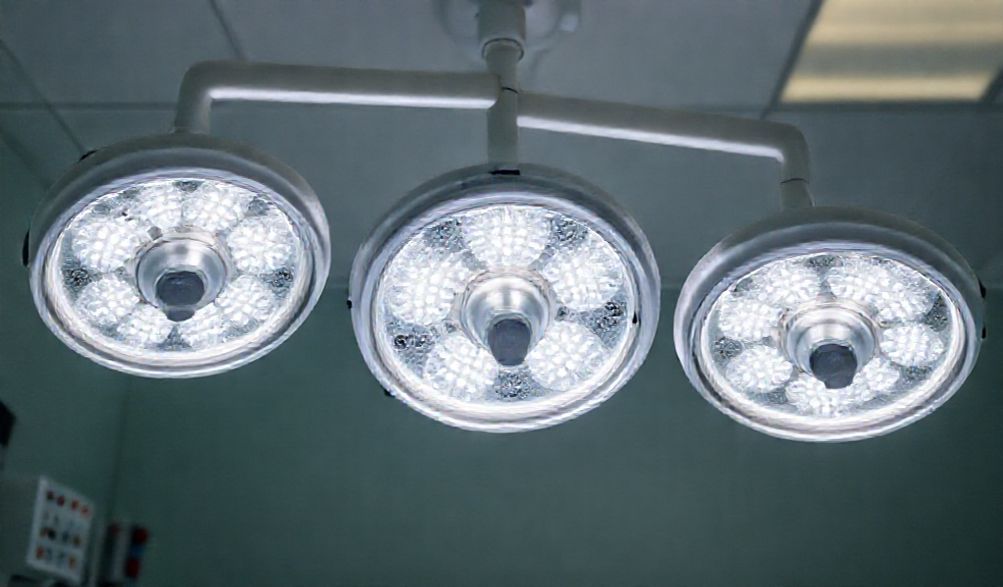
Your Complete Guide to Buying Surgery Lights for Sale: Quality, Safety, and Value
The operating room is a theater of precision, where every instrument, every movement, and every second counts. At the center of this high-stakes environment is a piece of equipment so fundamental that its performance can directly dictate success: the الضوء الجراحي. For administrators, clinical engineers, and surgeons tasked with procuring new OR equipment, navigating the market for “surgery lights for sale” is a complex challenge that blends clinical necessity with fiscal pragmatism.
This isn’t a simple purchase of a lamp; it’s an investment in patient safety, surgical accuracy, and staff ergonomics. The right lighting system enhances a surgeon’s ability to differentiate between subtle tissue shades, reduces debilitating eye strain during lengthy procedures, and maintains the integrity of the sterile field. The wrong choice can lead to shadows, hotspots, fatigue, and compromised outcomes.
With options ranging from cutting-edge LED systems to value-driven refurbished units, and specifications filled with terms like Lux, CRI, and depth of illumination, the decision-making process can feel overwhelming. This comprehensive guide is designed to cut through the complexity. We’ll explore the core technology, decode essential features, compare purchase pathways, and provide a step-by-step procurement framework. Our goal is to empower you with the knowledge to make an informed, confident, and cost-effective investment that will illuminate your operating theater for years to come.
Understanding Surgical Lighting: Core Principles and Technology
Before evaluating specific models or vendors, it’s crucial to understand what sets surgical illumination apart from any other light source. These are engineered medical devices built to exacting standards for a singular, critical purpose.
The Critical Role of Illumination in Surgical Outcomes
Superior surgical lighting is a force multiplier for the surgical team. Its primary job is to render the surgical site in a way that mimics natural daylight, providing clarity, contrast, and color accuracy. Proper illumination directly reduces surgeon eye strain and mental fatigue, which is paramount during multi-hour procedures. When a surgeon doesn’t have to struggle to see, cognitive load decreases, and focus can remain entirely on the task at hand.
Furthermore, advanced lighting is designed to minimize shadows cast by surgeons’ heads and hands. This shadow reduction is not a mere convenience; it is vital for procedural accuracy. It allows for better depth perception and tissue differentiation—being able to distinguish a nerve from a blood vessel or healthy tissue from diseased tissue often comes down to subtle color and texture variations under perfect light.
Key Technical Specifications Decoded
When comparing surgery lights for sale, you’ll encounter specific technical terms. Here’s what they truly mean:
- Lux and Lumen Output: Lux measures illuminance (how much light falls on a surface), while lumens measure luminous flux (the total light output). In surgery, a consistent, high-intensity field (often 40,000 to 160,000 lux at the center) is needed. However, “more” isn’t always “better.” The light must be homogeneous, without harsh gradients or dim edges that can cause pupil constriction/dilation and strain.
- مؤشر تجسيد الألوان (CRI): This is arguably the most critical specification. CRI measures a light source’s ability to reveal the true colors of objects compared to natural light. A high CRI (≥90, with ≥95 being ideal) is non-negotiable. It ensures blood appears red, tissue appears its correct hue, and organs are seen in their true color, which is essential for accurate diagnosis and intervention.
- Depth of Illumination: This refers to the light’s ability to provide consistent intensity even deep within a body cavity. A light with excellent depth of illumination will maintain a bright, uniform field whether the focus is on a surface incision or deep within a pelvic or thoracic cavity, eliminating “hotspots” at the center and dark areas at the periphery.
LED vs. Halogen: A Modern Comparison
The shift from halogen to LED is the defining technological transition in surgical lighting.
- Halogen Lights: The traditional choice, they produce a warm, high-CRI light. Their significant drawbacks include high energy consumption, substantial radiant heat output (which can dry out tissue and discomfort the surgical team), and short bulb lifespan (typically 1,000-2,000 hours), leading to frequent and costly replacements.
- LED Lights: Now the modern standard, LEDs offer dramatic advantages. They are vastly more energy-efficient (reducing operating costs by up to 80%), produce minimal radiant heat, and have an exceptionally long lifespan (40,000 to 60,000+ hours). This means a decade or more of use without a bulb change. While the upfront cost for LED surgery lights for sale is higher, the Total Cost of Ownership (TCO) is almost always lower due to savings on energy, replacement bulbs, and reduced cooling load in the OR.
Key Features to Evaluate When Purchasing Surgery Lights
Beyond raw specifications, the design and usability features of a surgical light system determine how well it integrates into the surgical workflow.
Maneuverability and Ergonomic Design
A light must go where the surgery goes without compromising sterility. Evaluate the (غالبًا أكثر من متر من نقطة التثبيت) ضروري لوضع الضوء بعيدًا عن يديك، ومساعدك، والمعدات الأخرى. و articulation of the light arms. Can the light head be easily positioned directly over the surgical site from various ceiling mount points? A smooth, perfectly counterbalanced system allows for effortless repositioning with a single touch, even while scrubbed, preventing contamination of the sterile field. Also, assess the control panels—they should be intuitive, easy to clean, and positioned for access by circulating nurses.
Light Field Characteristics and Shadow Management
Look beyond the single number for lux. Inquire about the focal spot diameter (the size of the central, highest-intensity area) and the عمق المجال. Modern systems use computer-designed reflectors and multiple LED arrays (often in a concentric ring configuration) to create what’s known as “shadow dilution.” When a surgeon’s head blocks one set of LEDs, the others fill in the gap, dramatically reducing obstructive shadows. This multi-source design is key to consistent illumination.
Sterility and Infection Control Compliance
The physical design must support a sterile environment. The light head should have a seamless, closed canopy with no crevices or seams where pathogens can accumulate. All materials must withstand daily cleaning with harsh disinfectants without degrading. Features like sealed joints, antimicrobial coatings, and smooth surfaces are not extras—they are essential for infection control protocols.
Navigating Your Purchase Options: New vs. Refurbished
One of the most significant decisions you’ll face is whether to invest in new or certified refurbished surgery lights for sale. Both are valid paths, depending on your facility’s needs and budget.
The Case for New Surgical Lights
Purchasing new offers the pinnacle of current technology, design, and warranty. You receive the latest LED innovations, the most advanced ergonomic features, and guaranteed compliance with all contemporary safety and performance standards (like IEC 60601-2-41). A full manufacturer’s warranty (typically 2-5 years) provides peace of mind. This path is ideal for new hospital construction, major OR suite renovations, or when a specific, cutting-edge feature is required.
The Value Proposition of Certified Refurbished Lights
For many facilities, certified refurbished lights present an outstanding value. “Certified refurbished” means a pre-owned light from a reputable manufacturer (e.g., Stryker, Steris, Berchtold) has been taken by a specialized vendor, completely disassembled, worn parts replaced, updated with new LED modules if applicable, meticulously tested, and recertified to meet original performance specifications.
The primary advantage is cost, with savings of 40-60% compared to new models. This allows facilities to acquire premium-brand performance on a constrained budget or equip multiple rooms for the price of one new light. The key is vetting the refurbisher. They must provide a robust warranty (a minimum of one year on parts and labor), full service records, and documentation of compliance. They should be an authorized service partner for the brands they refurbish.
Red Flags to Avoid in the Marketplace
Exercise extreme caution with “as-is” equipment sold without certification or warranty. These units may have hidden damage, outdated safety standards, or compromised performance. Always prioritize vendors with a sterling reputation, proven healthcare experience, and a robust service network. The lowest upfront price can lead to the highest long-term cost in repairs and downtime.
The Procurement Process: A Step-by-Step Guide
A structured approach ensures you select the right system for your specific needs.
1. Conducting a Needs Assessment for Your Facility
Start internally. What surgical specialties are performed (e.g., delicate neurosurgery vs. open abdominal procedures)? What is the size and layout of your ORs? What is the ceiling infrastructure (track systems, fixed points)? Most importantly, consult your key stakeholders: surgeons, OR nurses, and biomedical engineering staff. Their hands-on experience is invaluable in defining requirements for light intensity, maneuverability, and ease of use.
2. Sourcing and Evaluating Suppliers
Look for suppliers with deep, proven الخبرة العملية in the medical capital equipment space. Request detailed product specifications, ask for references from similar facilities, and review case studies. A trustworthy supplier acts as a consultant, helping you match technology to need, not just processing an order.
3. Total Cost of Ownership (TCO) Beyond the Sticker Price
The purchase price is just the beginning. An honest TCO analysis includes:
* التثبيت: Ceiling reinforcement, electrical work, and assembly.
* الصيانة: Cost of annual preventive maintenance inspections.
* المستهلكات: For halogen lights, factor in the cost and labor of bulb replacements every few months.
* استهلاك الطاقة: Calculate the yearly cost difference between an energy-hungry halogen and an efficient LED.
* Service & Support: Understand the cost and coverage of service contracts. Ensure replacement parts will be available for the system’s lifespan.
FAQ: Common Questions About Surgery Lights for Sale
What is the typical lifespan of an LED surgical light?
The LED modules themselves are rated for 40,000 to 60,000 hours of use. In a typical operating room schedule, this translates to 10-15 years or more before a decrease in light output may be noticed, far surpassing the 1,000-2,000 hours of a halogen bulb.
Can I retrofit my old surgical light with LED technology?
For many major brands, yes. Specialized vendors offer LED retrofit kits that replace the old halogen lamp assembly. This requires a professional assessment to ensure proper heat dissipation, electrical compatibility, and that the upgraded performance meets expectations. It can be a cost-effective way to modernize a reliable mechanical system.
ما الضمان الذي يجب أن أتوقعه؟
New surgical lights from major manufacturers typically come with a 2 to 5-year comprehensive warranty. A reputable supplier of certified refurbished surgery lights for sale should provide a minimum of a 1-year full warranty on parts and labor, with options to extend.
How critical is service and support after the sale?
It is absolutely critical. Surgical lights are mechanical devices that require calibration and maintenance. Choose a vendor with a responsive, qualified service network. When a light is down, an OR may be down, resulting in significant revenue loss. Reliable support minimizes this risk.
Are there specific standards surgery lights must meet?
Yes. In the United States, surgical lights are regulated by the FDA as Class II medical devices. Internationally, they must comply with the IEC 60601-2-41 standard, which rigorously defines requirements for safety, performance (including light field homogeneity and color rendering), and marking.
الخاتمة
The search for the right surgery lights for sale is a strategic process that balances clinical excellence with operational wisdom. By grounding your decision in the core principles of surgical illumination—prioritizing exceptional Color Rendering Index, deep and homogeneous light fields, and ergonomic design—you invest directly in surgical precision and staff well-being. Carefully weighing the long-term value of new technology against the significant savings of certified refurbished equipment allows for smart fiscal management without compromising on quality.
Ultimately, success lies in partnering with a knowledgeable and reputable supplier who provides not just a product, but expertise, reliable support, and a commitment to your facility’s success. Move beyond just finding a light for sale; invest in a lighting system that will serve as a dependable, high-performing cornerstone of your operating room, illuminating the path to better patient outcomes for countless procedures to come. Begin with a thorough needs assessment, ask the detailed questions outlined here, and choose a partner you can trust.
ص>