
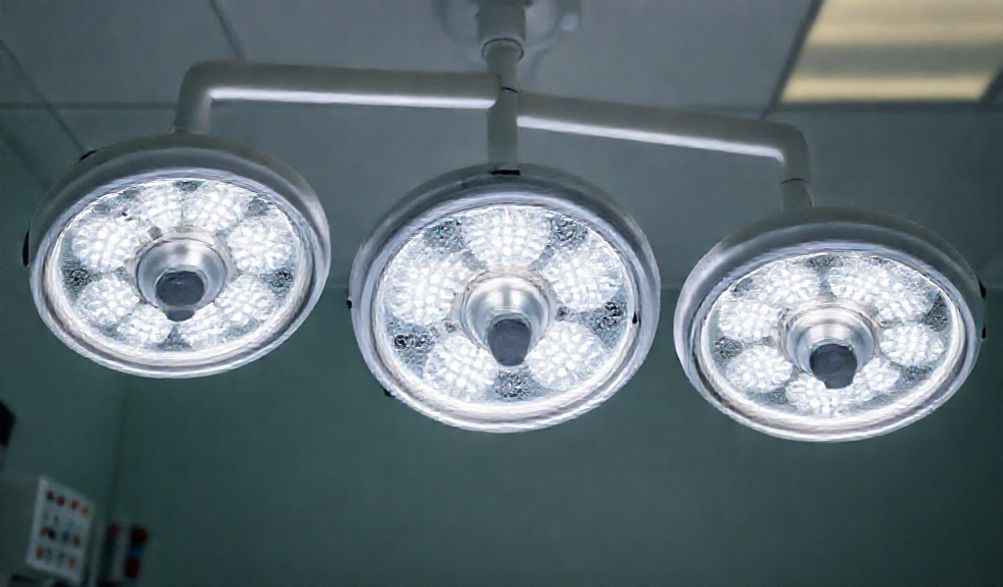
Your Guide to Buying Surgery Lights for Sale: Quality, Safety, and Value
In the high-stakes environment of an operating room, every piece of equipment plays a role in patient outcomes. Yet, few are as fundamentally crucial—and often as under-scrutinized during procurement—as the الضوء الجراحي. It is the surgeon’s sun, the single most critical tool for visual clarity. A poor lighting decision transcends a mere budgetary line item; it directly impacts tissue differentiation, surgical precision, procedural duration, and team fatigue. Choosing the wrong system can cast a literal and figurative shadow over patient safety and clinical efficacy.
This guide is designed for the decision-makers—medical administrators, procurement officers, and surgical center managers—tasked with navigating the complex market of surgery lights for sale. Our purpose is to move beyond simple product listings and provide a framework for making an informed, safe, and truly cost-effective purchase. The advice herein synthesizes critical industry standards (such as IEC 60601-2-41 for safety and performance), proven procurement best practices, and a deep dive into technical specifications, all with the paramount goal of prioritizing patient and staff well-being.
We acknowledge that a search for “surgery lights for sale” signals a clear transactional intent. However, this is not a commodity purchase. It is a high-value investment in your facility’s clinical capability. This post promises and delivers a comprehensive roadmap, transforming you from a casual buyer into an educated specifier, ready to select a lighting system that illuminates the path to superior surgical care for years to come.
Understanding Surgical Lighting: Core Principles and Terminology
Before evaluating specific models or prices, it’s essential to understand why surgical lighting is a specialized medical device and the key metrics that define its performance. This foundational knowledge is critical for meaningful conversations with suppliers and for evaluating marketing claims against clinical reality.
Why Specialized Lighting is Non-Negotiable in Surgery
Surgical lights bear no resemblance to standard room, office, or even high-quality architectural lighting. Their design addresses unique physiological and procedural challenges:
* Depth Perception & Tissue Differentiation: Surgeons work in a three-dimensional cavity. The light must provide intense, even illumination that reveals contours, layers, and subtle differences between tissue types (e.g., artery, vein, nerve, tumor margin). Standard lights create flat, glaring illumination that washes out these vital details.
* Reduction of Eye Strain: Procedures can last many hours. Surgical lights are engineered to produce minimal glare and are often designed with a color temperature (typically around 4000K-4500K, a “neutral white”) that reduces blue-light-induced fatigue, helping to maintain surgeon visual acuity and focus throughout long operations.
* Sterility & Safety: These are Class I medical devices in contact with the sterile field (albeit indirectly via light handles). Their design must allow for easy, effective cleaning and disinfection without harboring pathogens.
Key Technical Specifications Decoded
Navigating product brochures requires fluency in the language of lighting science. Here are the non-negotiable terms:
- Lux & Illuminance: This is the measure of light intensity falling on the surgical field, expressed in lux. While standards vary, a high-quality light should deliver a minimum of 40,000 to 160,000 lux at a defined distance (e.g., 1 meter). More isn’t always better; excessive, unfocused light can cause glare and tissue reflection. The key is high, adjustable illuminance with excellent control.
- Depth of Field: Perhaps one of the most critical features. This refers to the light’s ability to maintain a focused, uniform spot size and intensity as the distance from the light head to the wound changes. A deep depth of field means the light remains effective and in focus even when the surgeon’s hands or instruments move deeper into the cavity, eliminating the constant need for refocusing.
- مؤشر تجسيد الألوان (CRI): A scale from 0 to 100 that measures a light source’s ability to reveal the true colors of objects compared to natural light. For surgery, where the color of blood, tissue, and organs is a critical diagnostic cue, a CRI of >90 is essential, with >95 being ideal. A low CRI can make tissues appear grayish or washed out, masking hypoxia or other vital signs.
- Shadow Reduction: No light can eliminate the shadow of a surgeon’s head or hands, but it can minimize the obstructive, dense shadows that hide the surgical site. This is achieved through sophisticated multi-diode optical systems. Hundreds of individual LEDs are arranged in a specific pattern (often a “halo” or “matrix”) so that when an object blocks some diodes, the light from the surrounding diodes fills in the shadow, creating only a soft, diluted penumbra.
Key Factors to Evaluate When Buying Surgery Lights
With the core principles established, you can build a decision-making framework. This moves beyond specs on paper to the practical, clinical, and financial realities of ownership.
Clinical Performance & Safety
This is the foremost category. A light must be, above all, a safe and effective medical device.
* الامتثال التنظيمي: Insist on proof of compliance with relevant medical device regulations—FDA 510(k) clearance in the U.S., CE Marking under the EU’s MDR for Europe, and other regional certifications. This validates the light as a tested and approved medical device, not just a commercial lighting product.
* Heat Management: The light must illuminate without cooking the tissue. Modern LED systems excel here, emitting far less infrared radiation than old halogen lights. Verify the light’s heat dissipation specifications to prevent tissue drying (desiccation) and staff discomfort from radiant heat.
* Fail-Safe Systems: What happens during a power fluctuation or diode failure? Look for systems with redundant power supplies, backup battery modules that keep the light operational for a critical period, and designs where the failure of a single LED does not darken the entire field.
Design, Mobility, and Ergonomics
How the light integrates into your OR workflow is as important as its output.
* Mounting Configuration:
* مثبت على السقف: The most common, offering the greatest range of motion and keeping the floor clear. Requires robust ceiling infrastructure.
* Wall-Mounted or Track-Mounted: Good for smaller rooms or specific layouts, but with a more limited arc of movement.
* Mobile Stand Lights: Offer flexibility for multi-purpose rooms, outpatient centers, or as supplemental lighting. Ensure stability and ease of movement.
* Sterilization & Cleanability: The entire light head, especially the handles used by sterile personnel, must be designed with seamless, crevice-free surfaces that can withstand repeated wiping with hospital-grade disinfectants. Ask for details on the IP (Ingress Protection) rating if applicable.
* Articulation & Handling: The light should move effortlessly, with intuitive controls. Test the balance—does it stay where you position it, or does it drift? Is the handle easy to grip with a gloved hand? Smooth, fluid movement reduces frustration and OR time.
Total Cost of Ownership (TCO) Beyond the Sale Price
The initial purchase price is just the entry fee. A truly cost-effective purchase considers all expenses over the system’s lifespan.
* Initial Purchase vs. Long-Term Value: A cheaper light with a 2-year warranty and poor efficiency is often more expensive in the long run than a premium light with a 5+ year warranty and superior reliability.
* LED Lifespan & Efficiency: Quality LED surgical lights boast lifespans of 50,000 to 100,000 hours. This translates to decades of use before significant light output degradation, eliminating the frequent and costly bulb replacements of halogen systems. Their energy efficiency also leads to substantial savings on electricity.
* Service & Warranty: A robust, responsive service network is invaluable. What is the warranty period on the entire light head and on the LED engine? What are the costs and terms for a preventative maintenance contract? A supplier with strong local service support protects your investment far more effectively than a low-cost vendor with no service footprint.
Types of Surgical Lights Available for Sale
The market can be segmented by technology and specialization, helping you narrow your focus.
LED Surgical Lights (The Modern Standard)
This is the unequivocal technology of choice for new purchases. Benefits include:
* Cool Light Operation: Minimal infrared emission protects tissue and improves staff comfort.
* Exceptional Longevity & Stability: 50,000+ hour lifespans with minimal color shift over time.
* Superior Color Rendering: Consistently achieves CRIs >90, often >95.
* High Energy Efficiency: Drastically reduced power consumption compared to older technologies.
* Instant On/Off & Dimming: No warm-up time and precise, flicker-free intensity control.
Halogen and Older Technologies
While still found in some facilities, halogen and metal halide lights are largely obsolete for new purchases. They are characterized by:
* إخراج حراري عالي: Significant infrared radiation can dry tissues.
* Short Bulb Life: Frequent, costly replacements (every 500-1000 hours).
* Poorer Color Stability: Color temperature and CRI degrade as the bulb ages.
* Higher Operational Costs: Due to bulb and energy costs.
Specialized Lights for Specific Procedures
Beyond general surgery lights, consider dedicated systems for niche applications:
* Neurosurgery & Spine Lights: Often feature exceptionally deep depth of field to illuminate deep canals and cavities.
* ENT & Ophthalmology Lights: May be smaller, more maneuverable, and sometimes offer adjustable color temperature to enhance contrast in bloody or specific tissue fields.
* Endoscopy/Hybrid OR Lights: Designed to work in conjunction with large imaging systems, often with extended reach and low-profile designs.
* Dermatology & Minor Procedure Lights: Focus on high intensity for surface procedures, often on mobile stands.
A Step-by-Step Procurement Checklist
This actionable checklist translates knowledge into a structured buying process.
Pre-Purchase Assessment
- Conduct a Facility Audit: Document OR dimensions, ceiling height and load capacity, electrical infrastructure, and the types of procedures most frequently performed.
- Define Clinical Requirements: Involve surgeons and nurses. What are their frustrations with current lights? What specific features (e.g., depth of field, handle design) are priorities?
- Establish a TCO Budget: Determine a budget range that considers initial cost, expected lifespan, and ongoing service, not just the purchase order price.
- Form a Selection Committee: Include clinical staff (surgeons, nurses), biomedical engineering/IT, facilities management, and procurement.
Vetting Suppliers and Manufacturers
- Verify Certifications: Request and validate FDA, CE, and other relevant regulatory documentation.
- Check References: Ask for a list of recent, comparable installations and contact those facilities. Ask about performance, reliability, and service support.
- Evaluate Support Ecosystem: Scrutinize the warranty, availability of service contracts, lead times for parts, and the proximity/quality of technical support.
- Review Installation Requirements: Get detailed installation plans and quotes. Ensure your facility can accommodate the system without unexpected structural or electrical costs.
During the Demonstration & Trial
- Perform a “Shadow Test:** Have a staff member place their hand in the light field. Observe how effectively the multi-diode system dilutes the shadow.
- Test Depth of Field: Use a surgical trainer or a tiered object. Move the light up and down. Does the focused spot size and intensity remain consistent?
- Solicit Hands-On Feedback: Let surgeons and nurses manipulate the light. Is the movement smooth? Are the handles intuitive? Does it feel balanced?
- تقييم جودة الإضاءة: عرض مواد ملونة مختلفة (أحمر، أصفر، وردي) تحت الضوء لتقييم تجسيد الألوان بشكل ذاتي.
الأسئلة الشائعة (FAQ) حول شراء أضواء العمليات الجراحية
س1: ما هو النطاق السعري المعتاد لمصباح جراحي LED جديد عالي الجودة؟
ج: يختلف التسعير بشكل كبير بناءً على التكوين والتقنية والعلامة التجارية. قد يتراوح سعر رأس إضاءة LED واحد فاخر لغرفة عمليات رئيسية من 20,000 إلى 50,000+ درهم إماراتي. سيكون النظام الكامل المكون من رؤوس إضاءة متعددة ونظام تحكم وبنية تركيبية أعلى تكلفة. قد تبدأ أسعار أضواء LED صغيرة متنقلة للإجراءات البسيطة من حوالي 5,000 إلى 15,000 درهم إماراتي. ضع دائمًا في الاعتبار تكاليف التركيب المهنية، وهي تكاليف كبيرة وضرورية.
س2: هل شراء إضاءة جراحية مُجدَّدة أو مستعملة خيار آمن؟
ج: يمكن أن يكون مسارًا فعالاً من حيث التكلفة إذا تم بمنتهى الحذر. يجب أن تكون الوحدة مُجدَّدة بالكامل وفق مواصفات الشركة المصنعة الأصلية من قبل مزود خدمة معتمد. يجب أن تأتي مع ضمان كامل، وسجل خدمة قابل للتحقق، ووثائق محدثة تثبت امتثالها لمعايير السلامة الحالية. لا تشترِ أبدًا مصباحًا جراحيًا مستعملًا “كما هو” من مصدر غير معتمد، لأن سلامة المرضى والطاقم لا يمكن المساس بها.
س3: كم مرة تحتاج أضواء العمليات الجراحية إلى صيانة أو استبدال المصباح؟
ج: تتطلب أضواء LED الحديثة حدًا أدنى من الصيانة. لا توجد “مصابيح” يجب استبدالها بالمعنى التقليدي. ومع ذلك،, فإن الفحوصات المهنية السنوية أو نصف السنوية حاسمة. يجب أن يقوم فني معتمد بفحص المكونات الميكانيكية (الأذرع، الفرامل، المحامل)، والسلامة الكهربائية، والمعايرة، وتنظيف البصريات الداخلية. تضمن هذه الصيانة الوقائية الأداء الأمثل والسلامة والعمر الطويل.
س4: هل يمكننا تركيب نظام الإضاءة الجراحية بأنفسنا؟
ج: لا، بالتأكيد. تركيب الإضاءة الجراحية هو مهمة للفنيين المعتمدين المقدمين من الشركة المصنعة أو تاجر معتمد. يتضمن رفع أحمال ثقيلة، وتركيبًا هيكليًا دقيقًا لتحمل أحمال ديناميكية كبيرة، وتوصيلات كهربائية معقدة، والمعايرة والاختبار النهائيين. يلغي التركيب الذاتي الضمانات، ويخلق مخاطر سلامة جسيمة (خطر فشل هيكلي أو صدمة كهربائية)، ومن المرجح أن يؤدي إلى نظام ذي أداء ضعيف.
الخاتمة
يعد شراء surgery lights for sale إضاءة العمليات الجراحية أحد أهم الاستثمارات التي يمكن لقسم العمليات القيام بها. إنه استثمار ليس فقط في المعدات، ولكن في الجودة السريرية، وأداء فريق الجراحة، وفي النهاية، سلامة المرضى. نادرًا ما يكون أدنى سعر أولي مؤشرًا على أفضل قيمة طويلة الأجل.
بينما تمضي قدمًا، دع هذا الدليل يكون إطارك المرجعي. لخص النصيحة الأساسية: رجِّح مؤشرات الأداء السريري مثل عمق المجال ومؤشر تجسيد اللون، واطلب شهادات سلامة قابلة للتحقق، وحلل دائمًا إجمالي تكلفة الملكية. الأهم من ذلك، استفد من الخبرة داخل مؤسستك — أشرك فريقك الجراحي في عملية التقييم.
خطوتك المنطقية التالية هي التحرك. استخدم قائمة التحقق من المشتريات المقدمة لإجراء تقييمك الداخلي. ثم تواصل مع الموردين ذوي السمعة الطيبة بمواصفاتك المحددة. حدد مواعيد عروض عملية حية في منشأتك إذا أمكن، وشاهد بنفسك الفروق الحرجة في الأداء. من خلال اتباع نهاج دقيق ومستنير، ستختار نظام إضاءة جراحية يوفر إضاءة ساطعة وموثوقة لعدد لا يحصى من الإجراءات الناجحة في المستقبل.
ص>