
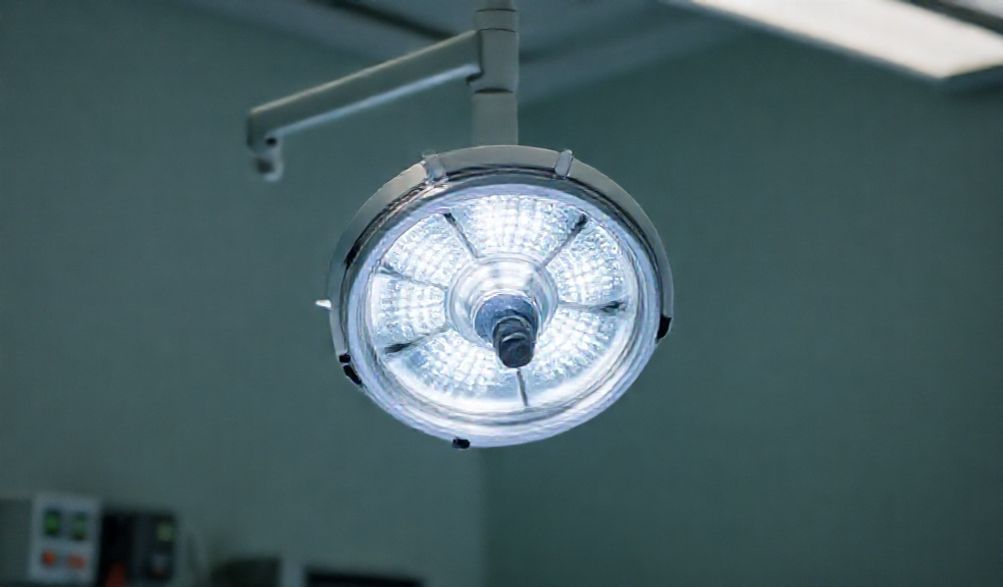
Surgical Lamps: A Complete Guide to Technology, Types, and Selection for Optimal Outcomes
Introduction
What separates a good surgical outcome from a great one? While skill, technology, and teamwork are paramount, the foundation of every successful procedure is something more fundamental: what the surgeon sees. For centuries, inadequate lighting—from sunlight to flickering flames—posed a significant barrier to surgical progress. Today, the modern surgical lamp is a pinnacle of medical engineering, a tool so advanced it directly influences precision, safety, and efficiency in the operating room.
This guide serves as a comprehensive, authoritative resource for surgical professionals, hospital procurement teams, and medical facility planners. Our goal is to move beyond basic specifications and illuminate the critical considerations behind selecting the right lighting system. The information herein is synthesized from clinical studies, manufacturer white papers, and adherence to stringent industry standards like IEC 60601-2-41, which governs the safety and performance of medical electrical equipment.
We recognize that searching for “surgical lamp” stems from a core need: to understand the underlying technology, compare different types, identify key features, and ultimately make a confident, informed purchasing decision. This guide will demystify the advanced technology behind modern systems, compare the main lamp types and their clinical applications, provide a detailed procurement checklist, and preview the future of intelligent surgical lighting. By the end, you will be equipped with the knowledge to choose a surgical lamp that not only illuminates the field but elevates the entire surgical process.
The Critical Role of Illumination in Modern Surgery
Beyond Basic Lighting: Why Specialized Lamps Are Non-Negotiable
A surgical lamp is not a simple room light. It is a precision instrument designed to meet the extraordinary visual demands of surgery. Its primary function is to create an optical environment where the surgeon can perform with maximum acuity and minimal strain.
- Visual Acuity and Precision: Inadequate or poor-quality light forces the surgeon’s eyes to constantly adjust, leading to fatigue, decreased concentration, and even headaches. A high-performance surgical lamp delivers intense, focused light that reveals minute anatomical details, suture threads, and subtle tissue variations, enabling unparalleled precision.
- Tissue Differentiation and Pathology Detection: The ability to distinguish between artery, vein, nerve, and various tissue types is color-dependent. A lamp with poor color rendering can make tissues appear similar, increasing the risk of error. Furthermore, detecting early signs of ischemia, infection, or malignancy often relies on perceiving subtle color shifts that are only visible under accurate, high-fidelity light.
Key Performance Metrics of a Surgical Lamp
Evaluating a surgical lamp requires understanding its measurable performance characteristics:
- Illuminance (Lux): This is the measure of light intensity falling on the surgical field. While requirements vary, major procedures typically need between 40,000 to 160,000 lux at the center of the light field. Insufficient lux leads to a dim field; excessive lux can cause glare and tissue drying.
- Homogeneity: Perhaps the most critical factor for comfort, homogeneity refers to the evenness of the light across the entire illuminated area. A lamp with poor homogeneity will have a bright “hot spot” in the center with rapidly fading light at the edges, creating harsh shadows and forcing the surgeon to reposition the light or strain to see. High-quality lamps achieve homogeneity levels above 60-70%, providing a consistent, shadow-reduced field.
- مؤشر تجسيد الألوان (CRI): CRI measures a light source’s ability to reveal the true colors of objects compared to natural light. For surgery, a CRI of 90 or higher (out of 100) is essential. A high CRI ensures blood appears its true red, fat is distinctly yellow, and tissues are seen in their authentic hues, which is vital for accurate assessment.
- Depth of Illumination: This describes the lamp’s ability to provide adequate light deep within a body cavity, such as during abdominal or pelvic surgery. It’s a function of the optical design, ensuring that light penetrates effectively without excessive scattering or loss of intensity at depth.
Core Technology & Components of Advanced Surgical Lamps
Light Source Evolution: Halogen vs. LED
The heart of any surgical lamp is its light source, and here, technology has made a revolutionary leap.
- Halogen: The legacy technology, halogen bulbs produce light by heating a tungsten filament. While they offered good color rendering, their drawbacks are significant: they generate substantial heat (posing a patient burn risk and surgeon discomfort), have a short lifespan (typically 1,000-2,000 hours), and are highly inefficient, converting most energy into heat rather than light.
- LED (Light Emitting Diode): LED is the unequivocal modern standard. These solid-state semiconductors offer transformative benefits:
- Cool Light: LEDs emit minimal infrared radiation, drastically reducing the heat directed at the surgical site and the surgical team.
- Exceptional Efficiency: They consume up to 80% less energy than halogen equivalents for the same light output.
- Long Lifespan: High-quality LED modules are rated for 50,000 to 60,000 hours, meaning they can last for over a decade without replacement, minimizing downtime and maintenance costs.
- Superior Color Stability: LED color temperature and CRI remain consistent throughout their entire lifespan, unlike halogen bulbs which dim and yellow over time.
Optical Systems and Light Field Design
The light source is only the beginning. Sophisticated optics shape and control the light. Reflector systems, often comprising hundreds of tiny, precisely angled mirrors, and multi-lens configurations work in concert to gather and direct the light. Advanced systems use parallel beam technology, where light rays are emitted in near-parallel paths. This technology is key to achieving high depth of illumination (the parallel beams penetrate deep cavities effectively) and excellent homogeneity (the overlapping beams from multiple reflector segments create a uniformly bright field with soft, manageable shadows).
The Surgical Light Head: Design and Maneuverability
The light head must be an extension of the surgeon’s will—effortless to position and stable once placed. Key design aspects include:
- Balance and Articulation: A perfectly counterbalanced arm with multiple joints (often 4-7) allows the heavy light head to be moved with a fingertip touch and to hold its position precisely, even when fully extended.
- Reach and Coverage: The system must provide sufficient coverage over the entire operating table, accommodating different patient positions and surgical team layouts.
- Sterilization-Friendly Design: Surfaces must be seamless, non-porous, and easy to wipe down with hospital-grade disinfectants. The design should have no crevices where contaminants can accumulate, supporting strict infection control protocols.
Types of Surgical Lamps and Their Clinical Applications
Ceiling-Mounted Surgical Lamps
The most common sight in a main operating room, these systems are mounted directly to the ceiling structure.
- الوصف: Available as single, double (the most common), or multi-head configurations. Multiple heads provide redundancy and allow light to be directed from different angles to eliminate shadows.
- اقتصادي التكلفة، يتحرك تلقائيًا مع الكرسي. Space-saving (no floor stands), provide maximum unobstructed floor space for equipment and personnel, and offer very stable, high-performance illumination.
- يمكن أن يتعارض مع حركة المساعد، قد يكون له مدى محدود، ويرتبط عمر الضوء بعمر الكرسي. Require fixed installation during construction or renovation, involve a higher initial capital investment.
- Best For: Major operating rooms for procedures like general surgery, cardiac, orthopedic, neurosurgery, and transplant.
Surgical Headlights (LED Headlamps)
These are personal, wearable lighting systems that provide unparalleled flexibility.
- الوصف: A lightweight headband holds a powerful LED light source, often connected via a fiber-optic cable or wire to a battery pack or console. The light is co-axial, meaning it illuminates exactly where the surgeon is looking.
- اقتصادي التكلفة، يتحرك تلقائيًا مع الكرسي. Ultimate flexibility and mobility; perfect for deep and narrow cavities; eliminates the problem of a colleague’s head casting a shadow; excellent for teaching (the observer sees exactly what the surgeon sees).
- يمكن أن يتعارض مع حركة المساعد، قد يكون له مدى محدود، ويرتبط عمر الضوء بعمر الكرسي. Illuminates a smaller field than overhead lights; is battery-dependent, requiring charging management; can be less comfortable for very long procedures.
- Best For: Minimally invasive surgery (laparoscopy, arthroscopy), dentistry, ENT, plastic surgery, and any procedure requiring extreme precision in confined spaces.
Wall-Mounted and Mobile Floor Lamps
These systems offer flexibility without permanent ceiling installation.
- الوصف: A single or double light head is mounted on a multi-jointed arm attached to a wall or a mobile floor stand.
- اقتصادي التكلفة، يتحرك تلقائيًا مع الكرسي. Cost-effective solution; highly versatile and can be moved between rooms as needed; easier to install.
- يمكن أن يتعارض مع حركة المساعد، قد يكون له مدى محدود، ويرتبط عمر الضوء بعمر الكرسي. The floor-standing models can obstruct valuable floor space and create trip hazards with cables; may have less reach and stability than ceiling-mounted systems.
- Best For: Minor procedure rooms, emergency departments, outpatient surgery centers, labor & delivery rooms, and as supplementary lighting in main ORs.
How to Choose the Right Surgical Lamp: A Procurement Checklist
Assessing Clinical Needs and Workflow
Start with the clinical purpose. Match the surgical lamp type to the surgical specialty and the most common procedures performed in the room. Consider the room size, operating table orientation, and the typical size of the surgical team. A busy trauma OR might prioritize a robust, multi-head ceiling system, while an endoscopy suite might find a combination of a ceiling light and surgeon headlamps most effective.
تقييم المواصفات الفنية
Return to the key metrics with a critical eye:
* Illuminance: Ensure it meets or exceeds the lux requirements for your planned procedures.
* مؤشر تجسيد اللون (CRI): Do not accept anything below 90; 95+ is ideal for specialties like plastic or liver surgery.
* Homogeneity: Look for a stated value >60%. Request a demo to see the light field in person—the absence of a sharp, central hot spot is telling.
* التوثيق: Review the warranty, rated LED lifespan, and the manufacturer’s recommended service schedule.
Hygiene, Safety, and Compliance Considerations
- مكافحة العدوى: Inspect the physical design. Are surfaces smooth, sealed, and without seams? Can it be thoroughly and quickly cleaned?
- الامتثال: The device must carry the necessary regulatory markings (e.g., CE Mark, FDA clearance) as a Class I or II medical device.
- Thermal Management: Confirm the lamp’s heat dissipation specifications. LED systems should have negligible heat radiation at the surgical site.
Total Cost of Ownership (TCO) Analysis
Look beyond the purchase price. Calculate the long-term costs:
* استهلاك الطاقة: An LED system will save thousands in electricity over a halogen system.
* Replacement Parts: Halogen bulbs need frequent, costly replacement. LED modules, while expensive upfront, may not need replacing for 10+ years.
* الصيانة: Factor in the cost and frequency of recommended preventative maintenance.
The Future of Surgical Lighting: Smart Integration and Enhanced Visualization
إن surgical lamp is evolving from a passive illuminator to an active, integrated data hub within the digital operating room.
Integration with Imaging and OR Systems
Modern systems now feature built-in 4K ultra-high-definition cameras within the light head. This allows for seamless recording of procedures for documentation, teaching, and telemedicine without obstructing the field with external cameras. Furthermore, lights are becoming nodes on the OR network, allowing their intensity, color temperature, and even focus to be controlled from the central OR integration touchscreen or by voice command.
Advanced Visualization Modes
Future-focused lamps are incorporating specialized light spectra. For example, narrow-band imaging uses specific blue and green light wavelengths to enhance the contrast of mucosal and vascular patterns on the tissue surface, aiding in early cancer detection. Looking further ahead, research is underway into using the surgical lamp as a projection platform for Augmented Reality (AR), overlaying vital imaging data (like 3D tumor margins from a pre-op MRI) directly onto the patient’s anatomy in the surgeon’s field of view.
الأسئلة المتكررة (FAQ)
Q: What is the typical lifespan of an LED surgical lamp?
ج: High-quality LED surgical lights are designed to last 50,000 to 60,000 hours. With typical daily use in an operating room, this often translates to over a decade of service before a significant drop in light output is observed.
Q: How often do surgical lamps need to be serviced or calibrated?
ج: Annual preventative maintenance is highly recommended. This service checks mechanical balance and articulation, verifies light intensity (lux) and homogeneity, cleans internal optics, and ensures all safety systems are functional. Always adhere to the manufacturer’s specific service schedule to maintain warranty and optimal performance.
Q: Can surgical lamps contribute to patient burns?
ج: Modern LED lamps emit dramatically less infrared radiation (heat) than old halogen models, making this risk very low. However, no light source is completely cold. Safety guidelines must be followed: lights should not be positioned extremely close to the patient’s skin or tissue for prolonged, uninterrupted periods.
Q: Are there “green” or sustainable surgical lamp options?
ج: Absolutely. LED مصابيح الجراحة هي الخيار المستدام النهائي. استهلاكها المنخفض للطاقة بشكل كبير (غالبًا أقل بنسبة 60-80٪ من الهالوجين) يقلل من البصمة الكربونية لغرفة العمليات. كما أن عمرها الافتراضي الطويل يقلل أيضًا من النفايات الطبية الناتجة عن التخلص المتكرر من المصابيح.
س: ما هي أهم ميزة لتقليل إجهاد عيون الجراح؟
ج: التماثل الممتاز هو أمر بالغ الأهمية. مجال ضوئي متساوٍ يقلل الظلال يمنع العينين من التكيف باستمرار بين المناطق المضيئة والمظلمة. يجب أن يقترن هذا بـ درجة حرارة لونية عالية، والتي توفر رؤية مستقلة وألوان حقيقية. معًا، يخلقان بيئة بصرية مريحة تدعم التركيز لفترات طويلة. مؤشر تجسيد اللون (CRI), اختيار مصباح الجراحة هو قرار حاسم يتجاوز بكثير مجرد شراء بنية تحتية بسيطة. إنه استثمار في أداة أساسية تؤثر مباشرة على أداء الجراحة وسلامة المرضى وكفاءة الإجراءات. يصبح الضوء المناسب شريكًا صامتًا في غرفة العمليات، مما يمكن فريق الجراحة من الأداء بأقصى طاقته.
الخاتمة
يعد اختيار surgical lamp عند اتخاذ هذا الاختيار، أعط الأولوية للثقة والشراكة. اختر المعدات من الشركات المصنعة ذات السمعة الطيبة التي تقدم أدلة سريرية قوية لادعاءاتها، وتدريبًا شاملاً لطاقمك، وشبكات خدمة ودعم موثوقة وسريعة الاستجابة. توصيتنا النهائية واضحة: أعط الأولوية لتقنية LED لأدائها المتفوق وسلامتها وتكلفة الملكية الإجمالية المفضلة. الأهم من ذلك، لا تشتري أبدًا بناءً على المواصفات وحدها. أصر على تجربة شخصية أو عرض توضيحي في بيئة غرفة عمليات محاكاة لتجربة جودة الضوء والتعامل معه وقدرات التكامل بنفسك.
بينما تستمر الجراحة في تقدمها الثابت نحو مزيد من الرقمية والتقنيات طفيفة التوغل واتخاذ القرارات القائمة على البيانات، فإن مصباح الجراحة الذكي المتكامل.
سيتطور دون شك من مجرد مضيء إلى منصة مركزية للتصور والبيانات داخل غرفة العمليات الذكية في المستقبل. surgical lamp will undoubtedly evolve from an illuminator to a central visualization and data platform within the smart operating room of the future.
ص>