
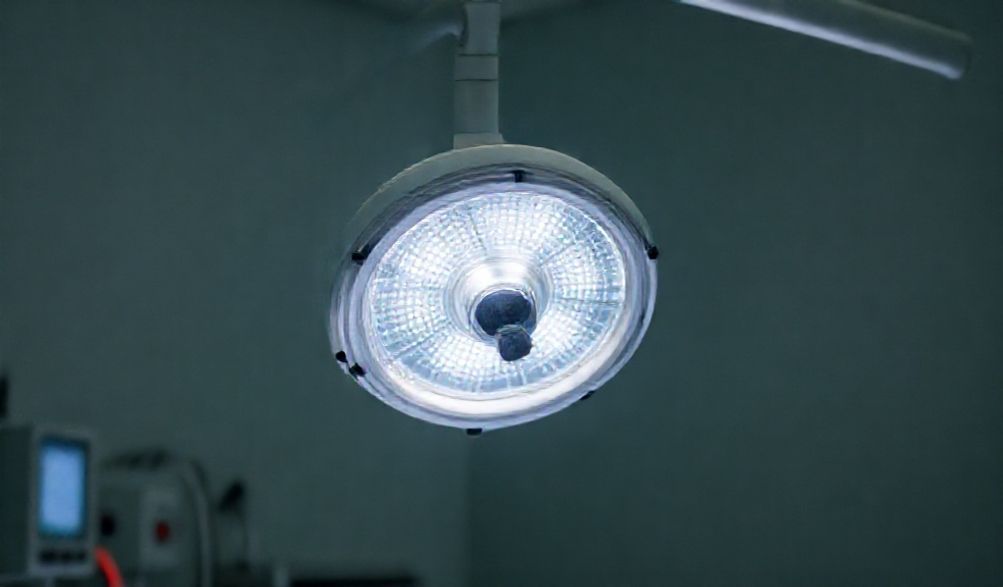
Surgery Lamps: A Comprehensive Guide to Types, Features, and Selection for Optimal Surgical Outcomes
Introduction
Imagine a master watchmaker attempting to repair a delicate, intricate mechanism while working in dim, flickering light. The risk of error would be immense. Now, translate that scenario to an operating room, where a surgeon’s task involves navigating the complex landscape of the human body. Here, lighting is not a mere utility; it is a fundamental instrument of care. While the scalpel, sutures, and imaging technology often take center stage, the surgery lamp is the silent, indispensable partner that makes every precise cut and careful dissection possible. In fact, studies consistently underscore that optimal visualization is directly linked to surgical precision, reduced operative time, and enhanced patient safety.
The challenges of inadequate surgical lighting are significant. They range from immediate physical strain—causing surgeon eye fatigue and headaches—to direct clinical risks like obscured anatomy, harsh shadows that hide critical structures, and heat generation that can desiccate exposed tissue. Furthermore, poor color rendering can distort the appearance of tissues, making it difficult to differentiate between, say, a nerve and a tendon, or to accurately assess tissue perfusion and health.
Enter the modern surgery lamp, or operating light. Far from a simple bulb on a stand, it is a highly engineered system designed to overcome these very challenges. This guide synthesizes information from medical device standards, clinical ergonomic studies, and leading manufacturer specifications to provide a clear, authoritative roadmap. Our goal is to empower hospital administrators, clinical engineers, and surgical teams with the knowledge needed to make informed decisions. We will delve into the technology behind these vital tools, break down the key features that matter most, and provide a structured approach to selecting the right system for your specific surgical environment.
The Critical Role of Surgical Lighting in Modern Medicine
Beyond Illumination: How Lighting Impacts Surgical Precision and Safety
A superior surgery lamp does much more than just brighten a room. It creates a controlled visual environment that enhances the surgeon’s natural abilities. Key aspects include:
- Depth of Illumination: This refers to the lamp’s ability to provide consistent, high-quality light deep into a body cavity, such as during abdominal or pelvic surgery. A good lamp illuminates the base of a deep wound as clearly as the surface, eliminating the need for constant refocusing and manual retraction just to see.
- Shadow Reduction and Dilution: A single point of light creates harsh, obstructive shadows. Modern systems use multiple light sources (often within a single lamp head) or multiple lamp heads to “fill in” shadows created by the surgeon’s head, hands, and instruments. This is known as shadow dilution, ensuring the surgical site remains uniformly lit from multiple angles.
- True Tissue Color Rendition: Accurate color perception is non-negotiable. Differentiating between arterial blood (bright red) and venous blood (darker red), identifying bile, or assessing the viability of tissue (pink vs. pale vs. cyanotic) relies on a light source that reproduces the full color spectrum faithfully.
The impact on outcomes is tangible. Reduced visual strain leads to less surgeon fatigue, potentially lowering error rates. Clear visualization can shorten procedure times. Most importantly, it contributes directly to patient safety by ensuring the surgical team can see exactly what they are doing at all times.
A Brief Evolution: From Shadow-Casting Bulbs to LED Systems
The journey of surgical lighting mirrors the broader arc of medical technology—a relentless pursuit of greater control, safety, and efficiency. Early operating rooms relied on simple incandescent bulbs or natural light, plagued by heat and shadows. The introduction of halogen lamps in the mid-20th century was a leap forward, offering brighter, whiter light. However, they generated intense radiant heat, required frequent and costly bulb replacements, and were energy-inefficient.
The current revolution is led by Light Emitting Diode (LED) technology. LEDs represent a paradigm shift, offering cool, stable, and highly efficient illumination. This evolution from a simple “light” to an intelligent “visualization system” underscores its foundational role in modern surgery.
Core Components and Technology of a Surgery Lamp
Understanding the core components demystifies the specifications and helps in evaluating different models.
Light Source Breakdown: LED vs. Halogen (A Legacy Comparison)
Today, LED is the unequivocal standard for new purchases. However, understanding the comparison highlights why.
-
LED Technology:
- المزايا: The primary benefit is cool light; LEDs emit minimal infrared radiation, drastically reducing the risk of tissue drying and thermal injury. They boast an exceptionally long lifespan (typically 50,000+ hours), virtually eliminating the cost and downtime of bulb replacements. They are highly energy-efficient, cutting operational costs. LED light output and color temperature remain stable over their entire lifespan, unlike halogens which dim and yellow over time.
- الاعتبارات: The initial purchase price can be higher, though Total Cost of Ownership (TCO) is almost always lower.
-
Halogen Technology (Legacy):
- Context: Once the standard, halogen systems are now considered legacy technology. Their decline is due to significant drawbacks: intense heat output, frequent bulb replacement (every 1,000-2,000 hours), higher energy consumption, and gradual degradation of light quality.
The Optical System: Lenses, Reflectors, and Light Field Design
The light source is just the beginning. The optical system—comprising specially designed lenses and reflectors—shapes the raw light into a usable surgical tool. This system is engineered to produce a homogeneous (evenly distributed) light field with a high depth of illumination.
Key terms to know:
* Light Field Diameter: The size of the illuminated area at a typical working distance (e.g., 1 meter). It must be large enough to cover the surgical site.
* Depth of Illumination: A measure of how far into a cavity the light maintains its specified intensity and homogeneity. This is a critical metric for deep-cavity surgeries.
Mechanical Structure: Arms, Mounts, and Maneuverability
The best light is useless if it can’t be positioned precisely and held steadily. The mechanical system is crucial for ergonomics.
* Mounts: Ceiling-mounted systems are most common in dedicated ORs, freeing up floor space. Wall mounts أو mobile floor stands offer flexibility for minor procedure rooms, outpatient suites, or multi-purpose rooms.
* المفصلية: Surgical light arms use a series of balanced joints (often with gas springs) to allow smooth, effortless positioning. They must move easily into place and then stay exactly where they are put, without drift.
* Sterile Handling: Lamp heads feature handles that can be easily draped with sterile sleeves or are designed with smooth, cleanable surfaces, allowing the surgeon or assistant to reposition the light during a procedure without breaking sterility.
Key Features to Evaluate When Choosing a Surgery Lamp
When comparing models, focus on these performance and practical categories.
Illumination Performance Metrics
- Intensity (Lux/Lumens): Measured in lux (illuminance at the surface). General surgery typically requires 40,000 to 160,000 lux. Deep-cavity or microsurgery demands the higher end of this range or more.
- مؤشر تجسيد الألوان (CRI): This is a scale (0-100) that measures a light’s ability to reveal the true colors of objects compared to natural light. For surgery, a CRI >90 is essential, with >95 being ideal for specialties like plastic surgery or oncology where subtle color differences are critical.
- Homogeneity: The light field should be uniform, without hot spots (glaring bright centers) or dark edges. Good homogeneity reduces the need for constant lamp adjustment during surgery.
Safety and Ergonomics
- Heat Management: As noted, LED’s cool-light advantage directly enhances patient safety by minimizing tissue desiccation and improving surgeon comfort.
- Shadow Dilution: Evaluate how the lamp design mitigates shadows. This can be through a multi-lens system within a single head or via a configuration of multiple independent lamp heads.
- Surgeon Comfort: Look for intuitive controls (often on a sterile handle), anti-glare designs, and smooth, responsive maneuverability that doesn’t require excessive force.
Durability and Operational Practicalities
- التوافق مع التعقيم: All surfaces, especially handles, must withstand repeated cleaning with hospital-grade disinfectants without degrading.
- Lifespan and Maintenance: Factor in the long-term TCO. An LED system’s higher upfront cost is offset by negligible bulb costs and lower energy bills for over a decade.
- Fail-Safe Features: A battery backup system is critical. In a power outage, the light should maintain illumination (often at a reduced level) long enough to safely conclude the procedure or activate emergency protocols.
Types of Surgery Lamps and Their Applications
Surgery lamps are not one-size-fits-all. The right type depends on the procedural needs.
Major Procedure Lamps
- For: General surgery, orthopedic, cardiothoracic, neurosurgery, and other major open procedures.
- Characteristics: Large light field diameter (often 25-35 cm), very high intensity, and typically feature multiple lamp heads (2-4) on a single ceiling mount for superior shadow dilution and coverage of large surgical fields.
Minor Procedure/Specialty Lamps
- For: Examination rooms, dental suites, outpatient surgery centers, endoscopy, and minor wound care.
- Characteristics: Smaller, simpler, and often more mobile. They may be single-headed on a floor stand or a small wall mount. Intensity and field size are sufficient for localized procedures.
Hybrid and Integrated Systems
This is a growing trend. Modern lamps can be integrated with 4K or high-definition cameras, allowing for live streaming of the surgical field for education, telemedicine consultation, or documentation. Some systems integrate with operating room integration networks, allowing control from a central touchscreen.
A Step-by-Step Guide to Selecting the Right Surgery Lamp
Follow this structured approach to navigate the selection process.
Step 1: Assess Your Primary Surgical Specialties and Needs
Start with clinical requirements. Ask:
* What are the most common procedures performed?
* How critical is deep-cavity illumination (e.g., pelvic surgery vs. superficial dermatology)?
* Is exceptional color fidelity (CRI >95) a priority?
* Will the light be used for teaching or require integrated recording?
Step 2: Evaluate Your Physical Operating Room Environment
The physical space dictates constraints and opportunities.
* Measure ceiling height and strength.
* Map out the room size and OR table placement.
* Determine if you need a single light for one table or a system that can service multiple tables.
* Assess existing infrastructure (electrical, data for integrated systems).
Step 3: Compare Brands and Models Against Your Key Criteria
Create a simple comparison matrix. List your top models as columns and your key features (from Section H2) as rows. Fill in the specifications. This visual tool makes trade-offs and value propositions clear.
Step 4: Plan for Installation, Training, and Long-Term Support
The purchase is just the beginning. Choose a vendor with a strong reputation for:
* التثبيت الاحترافي: Ensuring the system is perfectly balanced and calibrated.
* Comprehensive Clinical Training: ضمان معرفة الجراحين والطاقم كيفية استخدام جميع الميزات بشكل فعال ومتوافق مع بيئة العمل.
* خدمة موثوقة وضمان: يعد اتفاق الخدمة القوي والضمان القوي مؤشرين على ثقة الشركة المصنعة وأمرين بالغَي الأهمية لتقليل فترات التوقف.
قسم الأسئلة الشائعة
س: ما هو العمر الافتراضي النموذجي لمصباح جراحة LED؟
ج: تمتلك مصابيح الجراحة عالية الجودة من نوع LED عمرًا افتراضيًا متوسطًا يتراوح بين 50,000 إلى 60,000 ساعة. في غرفة عمليات مزدحمة تُستخدم 10 ساعات يوميًا، يعادل هذا أكثر من 15 عامًا من الخدمة، دون الحاجة إلى استبدال المصابيح. وهذا يتناقض بشكل حاد مع أنظمة الهالوجين، التي كانت تتطلب تغيير المصابيح كل بضعة أشهر.
س2: كم تبلغ تكلفة نظام إضاءة جراحي عالي الجودة؟
ج: من المستحيل تقديم رقم واحد، حيث تختلف التكاليف على نطاق واسع. قد يبدأ سعر مصباح إجراء بسيط مفرد على حامل بآلاف الدولارات، بينما يمكن أن يصل نظام إجراء رئيسي متعدد الرؤوس معلق بالسقف ومتكامل مع الكاميرا إلى عشرات الآلاف. المفتاح هو تقييمه باعتباره استثمارًا رأسماليًا طويل الأجل, ، حيث تكون التكلفة الإجمالية للملكية (بما في ذلك استهلاك الطاقة والصيانة واستبدال المصابيح) أكثر أهمية من سعر الشراء الأولي.
س: هل يمكن تخصيص مصابيح الجراحة لإجراءات محددة؟
ج: نعم، تقدم العديد من الأنظمة خيارات التخصيص. تشمل الخيارات الشائعة مرشحات مختلفة لدرجة حرارة اللون (مثل ضوء أكثر دفئًا لبعض تطبيقات الجراحة التجميلية)، ووضعيات ضوء “بؤري” مركز للجراحة المجهرية، وبالطبع تكامل الكاميرات ووحدات البث المذكورة سابقًا.
س4: ما هي أهم الشهادات التي يجب البحث عنها؟
ج: تحقق دائمًا من هذه الشهادات الحرجة:
* تصريح السوق التنظيمي: تصريح إدارة الغذاء والدواء الأمريكية 510(k)، وعلامة CE في أوروبا.
* معيار السلامة: IEC 60601-1 (المعيار الدولي لسلامة المعدات الكهربائية الطبية).
* إدارة الجودة: شهادة ISO 13485، التي تحدد متطلبات نظام إدارة الجودة في تصميم وتصنيع الأجهزة الطبية.
س5: كم مرة يحتاج مصباح الجراحة إلى صيانة وقائية؟
ج: بينما لا تحتاج مصادر LED تقريبًا إلى أي صيانة، فإن الأنظمة الميكانيكية والكهربائية تحتاج إليها. توصي الشركات المصنعة عادةً بـ فحص صيانة وقائية احترافي سنوي. وهذا يضمن حركة الأذرع بسلاسة وأمان، وتأمين جميع الوصلات الكهربائية، ووظيفة بطارية النسخ الاحتياطي، وأن إخراج الضوء لا يزال ضمن المعايرة المحددة. اتبع دائمًا جدول الشركة المصنعة وبروتوكولات الهندسة السريرية في مستشفاك.
الخاتمة
يعد اختيار مصباح الجراحة قرارًا استراتيجيًا يتردد صداه عبر غرفة العمليات، مؤثرًا على النتائج السريرية، وبيئة عمل الفريق، وكفاءة المنشأة لأكثر من عقد. إنه ليس مجرد شراء للسطوع، بل استثمار في أداة متطورة تقدم ضوءًا مُتحكمًا فيه وباردًا ومتجانسًا — يحول الإضاءة إلى امتداد موثوق لرؤية الجراح.
يحمل هذا القرار وزنًا كبيرًا لسلامة المرضى وتميز العمليات الجراحية. لذلك، فإن استثمار الوقت لفهم المواصفات، وإعطاء الأولوية للميزات التي تلبي احتياجاتك السريرية، والشراكة مع مصنعين وموردين معتمدين وذوي سمعة طيبة هو أمر بالغ الأهمية. استخدم هذا الدليل كقائمة مرجعية أساسية. خطوتك التالية الأكثر قيمة هي جمع طاقم الهندسة السريرية وقادة الجراحة لديك، ومراجعة سجلات حالات غرفة العمليات والتحديات المحددة لديك، والأهم من ذلك،, تطلب عروضًا حية أو تركيبًا تجريبيًا طلب عروض توضيحية عملية من الموردين المحتملين. إن رؤية وتوجيه الأضواء في بيئة واقعية هو أفضل طريقة لتجربة الفروق التي لا تستطيع أوراق المواصفات سوى وصفها.
ص>