
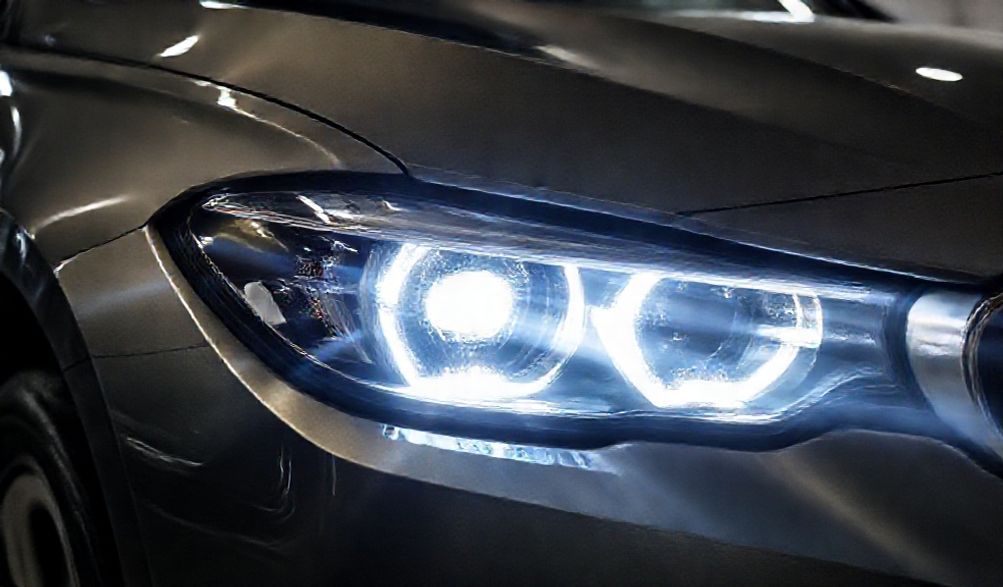
Adaptive Beam Headlights Explained: Safety, Technology & How They Work
Imagine driving on a dark, winding country road. Your high beams are essential to see the next curve, but a pair of oncoming headlights appears in the distance. You fumble for the stalk, switching back to low beams, and are suddenly plunged into near-darkness, straining to see the road’s edge. Just as you adjust, the other car passes, and you switch the high beams back on. This frustrating, all-too-common dance isn’t just annoying—it’s a safety compromise.
What if your headlights could intelligently see that oncoming car and, in a fraction of a second, dim المكون the specific slice of light that would hit its windshield, while keeping the rest of the road—and the shoulder where a deer might be poised—fully illuminated? This isn’t science fiction; it’s the reality of adaptive beam headlights. As an automotive technology that has been transforming nighttime driving in Europe for over a decade and is now finally available in the United States, adaptive beams represent one of the most significant leaps in vehicle lighting since the sealed-beam headlight. This post will provide clear, factual information to demystify this intelligent system, explain how it enhances safety for you and others, and help you understand its role in the future of driving.
What Are Adaptive Beam Headlights? The Intelligent Lighting Solution
At its core, an adaptive beam headlight system is a dynamic lighting technology that automatically and continuously adjusts the headlight pattern in real-time to provide optimal forward illumination without dazzling other road users. Unlike static headlights, which have a fixed beam pattern, adaptive beams (often called Adaptive Driving Beams or ADB) are “aware” of their surroundings.
Core Definition and Function
Adaptive beam headlights are an advanced front-lighting system that uses sensors and electronic controls to modify the distribution of light from the headlamps. The primary goal is dual-purpose: to maximize the driver’s seeing distance and to minimize glare for other drivers. It achieves this not by simply turning beams on and off, but by actively shaping the light output, creating zones of high and low intensity within the beam pattern based on the precise traffic situation.
The Key Difference: Adaptive vs. Standard vs. Auto High-Beams
The terminology can be confusing, so it’s crucial to distinguish between these three common systems:
- Standard (Static) Headlights: These are traditional headlights with fixed low-beam and high-beam patterns. The driver manually switches between them. The low-beam pattern is dipped to avoid glaring others, inherently limiting forward and peripheral visibility.
- Automatic High-Beam Assist: This is a helpful but simpler system. A sensor (often a camera) detects headlights or taillights and automatically switches from high beams to low beams when traffic is present. It’s a binary on/off function.
- Adaptive Driving Beams (ADB): This is the intelligent evolution. ADB doesn’t just switch; it modulates. When it detects other vehicles, it dynamically creates a “shadow” or a zone of reduced intensity around those vehicles within the high-beam pattern. The areas not occupied by other cars remain fully illuminated with high-beam intensity. It provides the benefits of high beams almost all the time, without the associated glare.
How Do Adaptive Beam Headlights Work? The Technology Behind the Beam
The magic of adaptive beams is a symphony of hardware and software working in milliseconds. It transforms your headlights from dumb bulbs into perceptive, reactive tools.
The System Components: Sensors, Cameras, and Control Units
The system relies on a few key components, often shared with other advanced driver-assistance systems (ADAS):
- Forward-Facing Camera: Mounted typically behind the windshield near the rearview mirror, this is the “eyes” of the system. It identifies light sources (headlights, taillights), determines their position, distance, and movement, and can also read road signs and lane markings.
- Sensors & Data Integration: Additional sensors, like steering angle sensors, GPS data, and vehicle speed sensors, provide context. Is the car entering a curve? Climbing a hill? This data is crucial for anticipating where the light needs to be directed.
- Electronic Control Unit (ECU): This is the “brain.” It processes all the data from the camera and sensors in real-time, calculating the optimal headlight beam pattern dozens of times per second.
- Adaptive Light Modules: This is the “muscle.” The ECU’s commands are executed here. There are two primary technological approaches:
- Matrix LED Systems: These use an array of many individually controlled LED segments (e.g., 32, 84, or even over 100). The ECU can turn specific LEDs on or off or dim them to carve precise shadows around detected vehicles while others stay lit.
- Dynamic Shield Systems: These systems use a movable shade or shield (often with Digital Light Processing – DLP technology) placed in front of a high-intensity light source. The shield moves physically to block specific portions of the beam, creating the shaded zones.
The Adaptive Process in Action
The entire sequence happens seamlessly and continuously:
- Detection: The camera identifies light sources up to 800 meters away, classifying them as oncoming headlights, preceding taillights, or even roadside reflectors.
- Calculation: The ECU fuses this data with vehicle dynamics (speed, yaw, steering angle). It predicts the path of both your vehicle and the detected objects. It then generates a precise light map: “Illuminate zones A, C, and E at 100%; dim zones B and D around that car to 20%.”
- Adjustment: The command is sent to the headlight modules. In a matrix system, specific LEDs are deactivated. In a shield system, the shield moves to the calculated position. The result is a beam pattern that fluidly dances around other vehicles, bends into corners (cornering lights are often integrated), and broadens at intersections to illuminate crosswalks and sidewalks.
Proven Safety Benefits of Adaptive Beam Technology
The sophisticated engineering serves one paramount goal: safety. Studies and real-world evidence point to substantial benefits.
Enhanced Visibility and Reduced Driver Fatigue
By providing near-constant high-beam levels of illumination, adaptive beams dramatically extend the driver’s functional sight distance. This means earlier detection of potential hazards—a pedestrian stepping off the curb, debris in the road, or an animal at the roadside. The IIHS has noted that better lighting gives drivers more time to react, which is critical in avoiding collisions. Furthermore, the constant optimal light level reduces the severe eye strain and cognitive load associated with frequent manual switching between high and low beams. This leads to less driver fatigue on long nighttime journeys, keeping the driver more alert.
Preventing Glare for Oncoming and Preceding Traffic
This is the other side of the safety equation. Glare from oncoming high beams is not just an irritation; it causes temporary blindness and impairs the vision of other drivers for several seconds—a dangerous amount of time at speed. Adaptive beams are designed to be polite. By precisely shadowing other vehicles, they eliminate the primary safety trade-off of conventional high beams. The National Highway Traffic Safety Administration (NHTSA), in its ruling to allow ADB in the U.S., estimated that this technology could prevent thousands of crashes annually by improving visibility while controlling glare. It’s an active safety feature that protects not only the driver using it but everyone sharing the road.
Availability, Regulations, and Vehicle Considerations
For drivers interested in this technology, understanding the practical landscape is key.
Are Adaptive Beam Headlights Legal Where You Drive?
The regulatory history is important. Adaptive beam headlights have been legal and commonplace in Europe since the mid-2000s. However, in the United States, Federal Motor Vehicle Safety Standard (FMVSS) 108 had strict, decades-old requirements for headlight patterns that effectively banned adaptive beam technology. After extensive research and advocacy, the NHTSA amended FMVSS 108 in فبراير 2022, ، مما سمح أخيرًا باستخدام مصابيح الشعاع التكيفي القيادي في السيارات الجديدة في الولايات المتحدة. وهذا يعني أن شركات تصنيع السيارات يمكنها الآن تضمين هذه الميزة في الموديلات المباعة محليًا، وقد بدأنا نرى طرحها في موديلات سنة 2023 وما بعدها.
أي ماركات وموديلات السيارات تقدم الشعاع التكيفي؟
مع توافق اللوائح الأمريكية الآن، تنتشر التكنولوجيا بسرعة من العلامات الفاخرة إلى الماركات الأكثر شيوعًا. وهي غالبًا ما تكون ميزة ضمن حزم التكنولوجيا أو الإضاءة المتميزة. فيما يلي بعض الأمثلة على الأنظمة ذات العلامات التجارية:
* أودي: مصابيح LED مصفوفية التصميم ومصابيح LED المصفوفية الرقمية (متوفرة في موديلات A4، A6، A8، Q5، Q7، e-tron)
* بي إم دبليو: مصابيح LED التكيفية مع الشعاع الانتقائي (متوفرة في السلسلة 3، السلسلة 5، X5، X7)
* مرسيدس-بنز: DIGITAL LIGHT (متوفر في S-Class، EQS، GLE)
* تويوتا/لكزس: نظام الشعاع العالي التكيفي BladeScan (متوفر في لكزس RX، NX، تويوتا ميراي)
* فورد/لينكون: الإضاءة البيكسلية التكيفية (لينكون)، نظام الإضاءة الأمامية التكيفي (فورد)
* فولفو: الشعاع العالي النشط مع تكنولوجيا البيكسل
* هيونداي/جينيسيس: الشعاع التكيفي القيادي (متوفر في جينيسيس GV70، GV80، هيونداي آيونيك 5/6)
* بورش: نظام الإضاءة الديناميكي بورش بلس (PDLS+)
الأسئلة الشائعة (FAQ) حول مصابيح الشعاع التكيفي
س: هل يمكنني تركيب مصابيح تكيفية لسيارتي القديمة؟
ج: بالتأكيد لا تقريبًا. المصابيح التكيفية ليست مجرد استبدال بسيط لمبة أو غطاء. فهي أنظمة أمان متكاملة بعمق تتطلب كاميرا أمامية محددة، وأجهزة استشعار، وحزم أسلاك، وتكامل مع شبكة السيارة، ومعايرة مصنعية. التعديل اللاحق غير عملي، ولا فعال من حيث التكلفة، ولا آمن، لأنه قد يضر بأداء النظام ووظائف ADAS الأخرى.
س: هل تعمل المصابيح التكيفية في الضباب أو المطر الغزير؟
ج: وظيفتها الأساسية هي الاستجابة لمصادر الضوء الأخرى وهندسة الطريق. في الضباب أو الثلج الكثيف، يمكن للضوء أن ينعكس عن الهطول، مما قد يقلل الفعالية. إنها ليست بديلاً عن مصابيح الضباب المخصصة، التي تستخدم نمط شعاع عريض ومنخفض القطع مصمم لإضاءة سطح الطريق دون إنشاء “جدار من الضوء” عاكس. يجب على السائقين لا يزالون تشغيل مصابيح الضباب يدويًا في الظروف المناسبة.
س: كم تبلغ تكلفة إصلاح المصابيح التكيفية؟
ج: تكاليف الإصلاح أعلى بكثير من تكاليف مصابيح الهالوجين القياسية أو حتى وحدات LED. تحتوي مجموعة المصباح التكيفي التالفة على إلكترونيات معقدة، وعدسات دقيقة، وغالبًا مجموعة من مصابيح LED. قد تصل تكلفة وحدات الاستبدال إلى عدة آلاف من الدولارات لكل منها، وتتطلب معايرة/توجيهًا احترافيًا باستخدام أدوات تشخيص متخصصة. استشر دائمًا وثيقة تأمينك ووكالة معتمدة أو ورشة إصلاح للحصول على تقدير دقيق.
س: هل تلغي تمامًا الحاجة لي لاستخدام مفتاح الشعاع العالي؟
ج: في الغالبية العظمى من سيناريوهات القيادة على الطرق العامة مع مرور آخر، نعم — النظام آلي بالكامل ويتولى جميع تعديلات الشعاع. ومع ذلك، يبقى المفتاح اليدوي عادةً للحالات الاستثنائية، مثل إشارة السائقين الآخرين في المناطق النائية أو إذا كنت بحاجة إلى تجاوز النظام لأي سبب. قد تقوم السيارة أيضًا بإلغاء تنشيط الوظيفة التكيفية تلقائيًا في بعض الظروف الجوية السيئة.
الخاتمة
مصابيح الشعاع التكيفي هي أكثر بكثير من مجرد وسيلة راحة ذكية؛ فهي تمثل تقدمًا أساسيًا في سلامة السيارات الاستباقية. من خلال تعزيز رؤية السائق بذكاء مع حماية رؤية الآخرين في الوقت نفسه، تعالج هذه التكنولوجيا تنازلاً أساسيًا طويل الأمد في القيادة الليلية. بدعم من أبحاث هيئات مرموقة مثل IIHS و NHTSA، وبعد أن أصبحت قانونية الآن في جميع أنحاء الولايات المتحدة، تنتقل المصابيح التكيفية من كونها رفاهية أوروبية إلى معيار سلامة عالمي. لأي سائق يفكر في سيارته القادمة — خاصة الذي يسافر كثيرًا بعد حلول الظلام — فإن فهم هذه التكنولوجيا وإعطاؤها الأولوية يعد خطوة ذكية ومستنيرة نحو رحلة أكثر أمانًا للجميع على الطريق.
ص>