
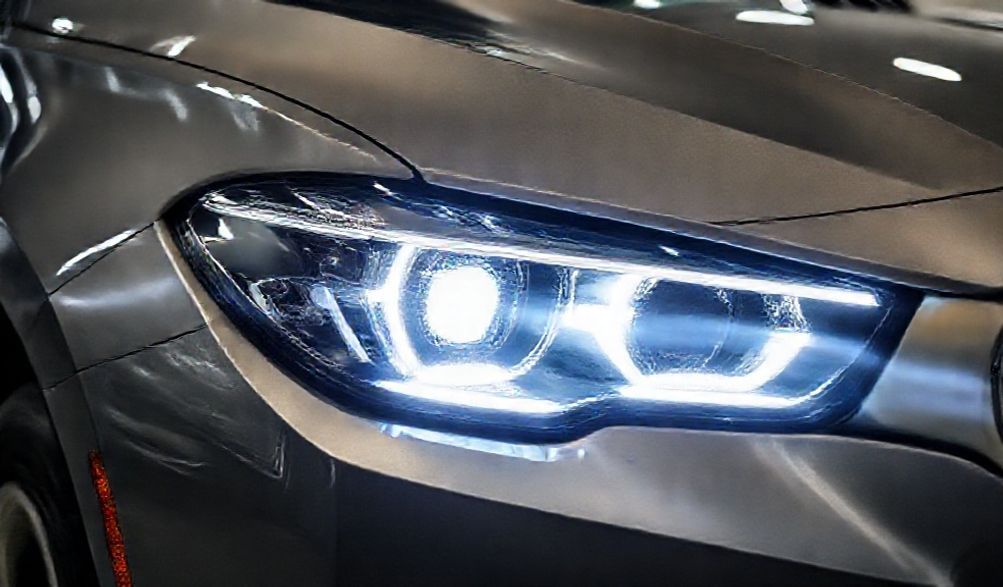
Adaptive Headlights Explained: Safety, Technology, and How They Work
You’re driving on a winding country road at night. As you approach a sharp curve, your headlights illuminate the guardrail but leave the actual turn ahead in deep shadow. A moment later, the blinding glare from an oncoming SUV floods your cabin, forcing you to squint and momentarily lose sight of the road’s edge. This tense, familiar scenario highlights a fundamental flaw in traditional car design: static headlights are ill-suited for our dynamic driving world.
For over a century, headlight technology remained relatively stagnant—a simple choice between a low beam that illuminates a short, wide area and a high beam that throws light far down a straight path. This binary system forces a constant, manual compromise between seeing the road and not blinding others. But what if your headlights could think?
Enter المصابيح الأمامية التكيفية—also known as Adaptive Driving Beams (ADB) or matrix headlights. This intelligent evolution of automotive lighting doesn’t just react to darkness; it responds to the entire driving environment. By automatically adjusting their beam pattern, direction, and intensity, they aim to provide optimal illumination exactly where and when you need it, enhancing safety for you and everyone sharing the road.
This comprehensive guide will demystify this advanced technology. We’ll break down how adaptive headlights work, examine the compelling safety data behind them, explore their current availability and the recent regulatory shift that’s about to change the American automotive landscape, and glimpse into their exciting future. Our goal is to provide you with the expert-backed knowledge needed to understand this critical safety feature and make informed decisions about your next vehicle.
What Are Adaptive Headlights? A Technological Breakdown
At their core, adaptive headlights are about moving beyond the simple on/off switch of traditional high beams. They are a sophisticated system designed to provide maximum forward visibility without ever subjecting other road users to dangerous glare. To appreciate their innovation, it’s essential to understand how they function on a technical level.
Core Function: Beyond Simple High Beams
The fundamental principle is dynamic adjustment. Unlike conventional auto high-beam systems, which merely toggle between high and low beams when they detect taillights or headlights, adaptive systems are far more nuanced. They continuously modify the headlight output based on a constant stream of data including:
* Vehicle Speed: At highway speeds, the beam may focus farther down the road; in the city, it may widen for better peripheral vision.
* Steering Angle & Yaw Rate: The lights pivot to illuminate the path you are actually turning into, not just the straight-ahead road.
* Surrounding Traffic: Cameras detect the precise position of oncoming and preceding vehicles, allowing the system to selectively dim only the portions of the beam that would hit them.
* Environmental Conditions: Some systems integrate with navigation or weather data to anticipate curves or adjust for rain.
This results in a headlight beam that is no longer a static cone of light, but a malleable, intelligent shape that molds itself to the driving scenario in real-time.
Key Components and How They Work Together
This magic is performed by a coordinated orchestra of hardware and software:
1. Sensors & Cameras: This is the system’s eyes and ears. A network typically includes a forward-facing camera (often mounted near the rearview mirror), a steering angle sensor, a yaw rate sensor, wheel speed sensors, and sometimes GPS data. The camera is crucial for identifying light sources from other vehicles, pedestrians, and road signs.
2. Processing Unit (ECU): This is the brain. A dedicated electronic control unit analyzes the data from all sensors dozens of times per second. It runs complex algorithms to determine the exact optimal headlight position and beam pattern for the current millisecond.
3. Advanced Light Modules: This is the muscle that executes the commands. The technology here varies:
* Swiveling Modules: For cornering functions, motors physically pivot the headlight housing or internal reflectors.
* LED Arrays (Matrix LED): The most common system for ADB. The high beam is produced by a cluster of many individual LED segments. The ECU can turn off specific segments (e.g., those aimed at an oncoming car) while leaving the rest at full intensity.
* Digital Micromirror Devices (DMD) / Pixel Lighting: The cutting edge. Similar to a projector, thousands of tiny mirrors can be individually tilted to create incredibly precise light patterns with razor-sharp cut-offs, capable of “bending” light around multiple vehicles simultaneously.
Common Types of Adaptive Headlight Systems
Not all adaptive systems are created equal. The technology exists on a spectrum:
* Adaptive Front-lighting System (AFS): This is often the entry point. AFS headlights swivel laterally based on steering input and sometimes speed, illuminating corners and curves. They significantly improve visibility on winding roads but may still require switching between high and low beams manually or via a basic auto function.
* Adaptive Driving Beam (ADB) / Matrix LED: This represents the full realization of the “always-on high beam” ideal. Using an array of LEDs, the system maintains high-beam levels of illumination while actively creating a “shadow” around detected vehicles. As cars pass or are overtaken, the shadow moves with them, ensuring the driver has the brightest possible view without causing glare.
* Pixel Lighting & Digital Light: This is the next generation, currently found on high-end luxury vehicles. With resolution measured in thousands or even millions of individual pixels, these systems offer unparalleled control. They can project symbols or information onto the road, highlight specific hazards like pedestrians with a focused spotlight, and create complex, dynamic light patterns impossible for older systems.
Proven Safety Benefits of Adaptive Headlights
This technological sophistication isn’t just for show; it translates directly into tangible safety improvements. The primary mission of any headlight is to help the driver see and be seen, and adaptive systems excel at both.
Enhancing Driver Vision and Reducing Fatigue
The benefits for the driver are immediate and significant:
* Improved Illumination of Curves and Intersections: By lighting the actual path of the turn, AFS systems give drivers critical extra seconds to identify hazards like debris, animals, or pedestrians at the roadside before entering the curve.
* Extended High-Beam Use: ADB systems allow drivers to benefit from the far-reaching illumination of high beams more than 90% of the time, even in traffic. This dramatically extends the sight distance and time to react compared to standard low beams.
* Reduced Eye Strain and Fatigue: The constant cycle of being dazzled by oncoming lights and then switching to low beams is visually taxing on long night drives. By eliminating glare from other vehicles, adaptive headlights create a more consistent and comfortable visual environment, reducing driver fatigue.
Data and Studies: What the Research Shows
The safety case isn’t merely theoretical; it’s backed by rigorous research from leading transportation safety institutions.
* Insurance Institute for Highway Safety (IIHS): The IIHS, a leading authority on vehicle safety, began rating headlights in 2016 due to the clear link between illumination quality and crash rates. They have consistently found that vehicles with good-rated headlights have lower nighttime crash rates. In their evaluations, adaptive systems, particularly those with curve-adaptive and high-beam assist features, frequently earn the highest “Good” ratings. The IIHS states that halving the risk of nighttime crashes is a realistic goal with improved headlight technology.
* National Highway Traffic Safety Administration (NHTSA): The U.S. government’s road safety agency has acknowledged the potential of ADB systems. In its ruling to permit them, NHTSA cited estimates that these systems could prevent thousands of crashes annually. Their research indicates that poor lighting is a factor in approximately half of all fatal crashes that occur at night, despite lower traffic volumes.
Protecting Other Road Users
Perhaps the most elegant aspect of adaptive headlight technology is its ethos of mutual safety. It’s designed not just to help the driver see, but to ensure others are not blinded.
* For Oncoming Drivers: By precisely dimming only the sliver of light aimed at an approaching vehicle, ADB systems eliminate the dangerous “flash blindness” that causes temporary vision loss and is a major contributor to head-on collisions.
* For Pedestrians and Cyclists: Advanced systems can detect vulnerable road users and subtly adjust the beam to avoid shining directly in their eyes, while sometimes even highlighting them with a gentle spotlight to ensure the driver is aware of their presence.
Availability, Regulations, and Considerations for Buyers
As the safety benefits become undeniable, adaptive headlights are transitioning from a luxury novelty to a sought-after safety feature. Understanding their availability, the regulatory landscape, and practical ownership considerations is key.
Finding Cars with Adaptive Headlights
The technology has trickled down from the luxury segment into the mainstream.
* Pioneers & Luxury Standard-Bearers: Brands like Audi (with its Digital Matrix LED), BMW (Adaptive LED), Mercedes-Benz (Digital Light), and Volvo (Active Bending Lights) have offered sophisticated systems for years, often as standard or in premium packages.
* Mainstream Adoption: Today, you can find adaptive headlight technology (often AFS or basic ADB) on popular models from Toyota (e.g., Highlander, Camry), Honda (e.g., Accord, CR-V), Ford (e.g., F-150, Mustang Mach-E), Hyundai, ، و Kia. It is frequently bundled into upper trim levels or optional “Technology,” “Premium,” or “Lighting” packages.
* Buyer’s Tip: When researching a new car, don’t just look for “adaptive headlights” in the brochure. Check the specific package contents. Look for terms like “Adaptive Front-lighting System (AFS),” “Adaptive Driving Beam,” “Matrix LED,” or “Pixel Headlights.” Always ask the dealer for a demonstration at night to see the feature in action.
The Regulatory Landscape: A Shift in the U.S.
For decades, a regulatory hurdle stifled the most advanced adaptive headlight technology in the United States.
* The Old Rule (FMVSS 108): Established in the 1960s, the Federal Motor Vehicle Safety Standard 108 required a strict physical separation between high-beam and low-beam filaments. This made the dynamic, pixel-based shading of ADB systems technically illegal, as they used a single light source to perform both functions.
* The 2022 NHTSA Ruling: In a landmark decision, the NHTSA amended FMVSS 108 to permit Adaptive Driving Beam headlights. This brought the U.S. in line with Europe and Asia, where such systems have been legal and common for over a decade.
* What This Means for You: Automakers no longer need to create watered-down versions of their global headlight systems for the U.S. market. Consumers can expect to see true, advanced ADB and pixel lighting technology on an increasing number of new models starting in the 2023-2024 model years and beyond.
Cost, Maintenance, and Repair Considerations
While the safety payoff is high, there are practical factors to weigh:
* Upfront Cost: Adaptive headlights are more expensive to produce. You will typically find them as part of an optional package that can add $1,000 to $3,000 or more to a vehicle’s price. However, as with all technology, costs are decreasing with wider adoption.
* Repair Complexity and Cost: This is the most significant consideration. A minor fender-bender that cracks a standard headlight housing might cost a few hundred dollars to fix. Damaging an adaptive unit involves replacing not just the lens and bulb, but potentially the entire LED array, sensors, and motors. Repairs can easily run into the thousands of dollars per headlight. Furthermore, after replacement, the system often requires precise calibration using specialized equipment to ensure the cameras and lights are aligned correctly. This is a job for a certified technician and may add several hundred dollars to the bill.
* Insurance: Given the high repair cost, it’s wise to review your auto insurance policy. Consider whether a lower deductible is worthwhile for peace of mind.
The Future of Adaptive Headlight Technology
Adaptive headlights are not the endgame; they are a foundational step toward a fully integrated, communicative lighting ecosystem for future vehicles.
Integration with Advanced Driver-Assistance Systems (ADAS)
The next leap involves deep integration with other vehicle systems:
* Navigation Synergy: Headlights could proactively illuminate an upcoming freeway exit or sharp turn flagged by the GPS.
* Object Highlighting: عند ارتباطها بأنظمة الرؤية الليلية أو الكاميرات المتطورة، يمكن للمصابيح الأمامية أن تلقي تلقائيًا بقعة ضوء على مشاة يعبرون الطريق أمام السيارة أو غزال على جانب الطريق، مما يجذب انتباه السائق مباشرة إلى الخطر.
* دعم القيادة الآلية: بالنسبة للمركبات شبه المستقلة، يعد الإضاءة الذكية أداة استشعار واتصال حاسمة، تضمن أن “عيون” السيارة يمكنها الرؤية بشكل مثالي في جميع الظروف.
قدرات الإضاءة الرقمية والإسقاط
الانتقال إلى الأنظمة القائمة على البكسل يفتح وظائف جديدة غير إضاءة:
* إسقاطات الاتصال: يمكن للمصابيح الأمامية إسقاط رموز على الطريق، مثل ممر للمشاة، أو دليل عرض لمنطقة بناء ضيقة، أو رموز تحذيرية للجليد أو العوائق أمام السيارة.
* إسقاطات مساعدة السائق: يمكن إسقاط أسهم الدوران، أو خطوط مسافة التباعُد، أو أدلة الانتظار مباشرة في خط رؤية السائق على الرصيف.
التوحيد القياسي والاعتماد الأوسع
المسار واضح. مع زوال الحواجز التنظيمية وانخفاض تكاليف التصنيع وفقًا للمنحنى التنازلي النموذجي للإلكترونيات السيارية، ستتبع تقنية المصابيح الأمامية التكيفية مسار المكابح المانعة للانغلاق، والتحكم الإلكتروني بالثبات، وكاميرات الرؤية الخلفية. سوف تنتقل من خيار فاخر إلى ميزة شائعة، وفي النهاية، إلى توقع أمان قياسي في جميع المركبات الجديدة، مما يجعل القيادة الليلية أكثر أمانًا للجميع.
الأسئلة المتكررة (FAQ)
س1: هل المصابيح الأمامية التكيفية هي نفسها الحزم العالية الآلية؟
ج: لا. تقوم الحزم العالية الآلية ببساطة بتشغيل وإطفاء الحزم العالية. تقوم المصابيح الأمامية التكيفية (خاصة ADB) بتشكيل وتعديل الحزمة باستمرار، غالبًا مع إبقاء الحزم العالية مضاءة مع حجب الضوء بشكل انتقائي عن السيارات الأخرى.
س: كم تبلغ تكلفة إصلاح المصابيح التكيفية؟
ج: يمكن أن تكون تكاليف الإصلاح أعلى بكثير من المصابيح الأمامية القياسية بسبب أجهزة الاستشعار والإلكترونيات المعقدة. قد تكون هناك حاجة إلى معايرة طفيفة بعد استبدال الزجاج الأمامي، بينما يمكن أن تصل تكلفة استبدال الوحدة الكاملة إلى آلاف. تحقق دائمًا من شركة التأمين الخاصة بك وفني معتمد.
س3: هل يمكنني الحصول على مصابيح أمامية تكيفية في أي سيارة جديدة؟
ج: أصبحت أكثر شيوعًا ولكنها ليست عالمية بعد. غالبًا ما توجد في مستويات القطع الأعلى أو حزم التكنولوجيا. إنها ميزة رئيسية للبحث عنها عند شراء مركبة.
س4: هل تعمل المصابيح الأمامية التكيفية في جميع الظروف الجوية؟
ج: على الرغم من تطورها، يمكن أن ينخفض أداؤها في الضباب الكثيف أو الثلج أو المطر حيث قد يتم عرقلة أجهزة الاستشعار والكاميرات. يجب أن يظل السائق دائمًا منتبهًا ويضبط الأضواء يدويًا إذا لزم الأمر.
س5: هل هي قانونية حيث أعيش؟
ج: أنظمة المصابيح الأمامية التكيفية (AFS) التي تحني الضوء كانت قانونية. أصبحت تقنية الحزمة التكيفية للقيادة (ADB) الأحدث قانونية الآن في الولايات المتحدة اعتبارًا من عام 2022، بعد أوروبا ومناطق أخرى. تحقق دائمًا من اللوائح المحلية للحصول على أحدث المعلومات.
الخاتمة
تمثل المصابيح الأمامية التكيفية قفزة عميقة في تكنولوجيا سلامة السيارات. بالانتقال من الإضاءة الثابتة إلى الضوء الذكي المتجاوب الذي يرى الطريق ويتفاعل معه، تعالج واحدة من أقدم وأكثر مخاطر القيادة استمرارية: الظلام. تؤكد البيانات من هيئات موثوقة مثل IIHS و NHTSA إمكاناتها في تقليل التصادمات الليلية بشكل كبير، وحماية السائقين والركاب ومستخدمي الطريق المعرضين للخطر على حد سواء.
كمستهلك، فإن فهم هذه التكنولوجيا يمكنك من إعطائها الأولوية. عند التسوق لشراء سيارتك القادمة، اعتبر المصابيح الأمامية التكيفية ليس مجرد إضافة للراحة أو الرفاهية، ولكن كميزة أمان نشطة حيوية - تعمل بنشاط على منع الحوادث قبل وقوعها. مع التغييرات التنظيمية الأخيرة التي أطلقت إمكاناتها الكاملة في الولايات المتحدة، نقف على عتبة عصر جديد. المصابيح الأمامية التكيفية تستعد لتصبح معيارًا سائدًا، مكونًا حاسمًا في النظام البيئي الأوسع للمركبات الذكية والمتصلة والأكثر أمانًا للجميع.
ص>