
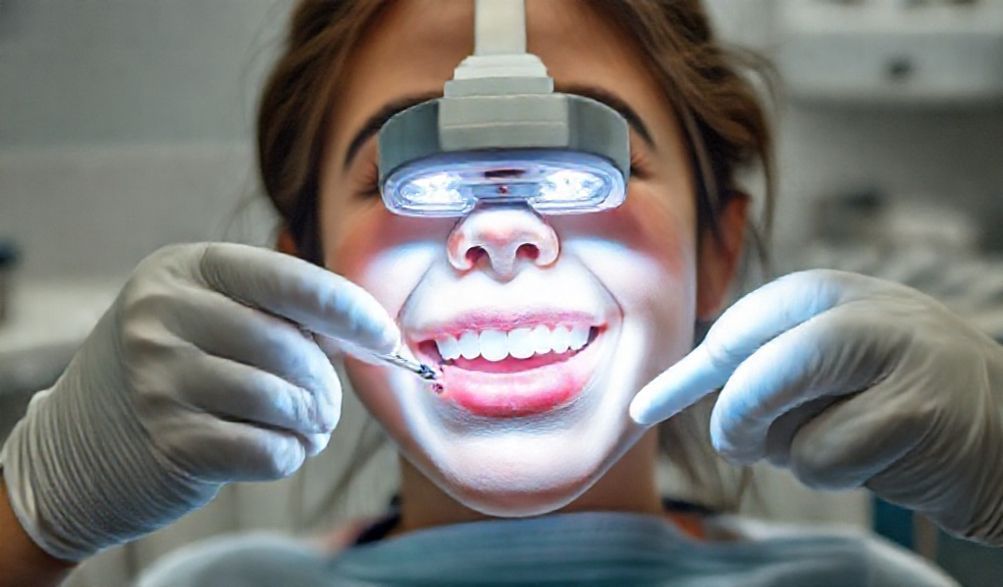
The Best Dental Headlight for Precision, Comfort, and Clinical Excellence
In the intricate world of dentistry, where margins are measured in microns and anatomy is revealed in subtle shades of enamel and dentin, vision is everything. Yet, for many practitioners, the foundational tool for that vision—the operatory light—is often an afterthought, a piece of overhead equipment that casts as many shadows as it illuminates. The struggle is real: craning your neck to catch a sliver of light, squinting to differentiate a caries-stained groove from a shadow, or ending a long day with a pounding headache and stiff shoulders. This isn’t just an inconvenience; it’s a compromise. A compromise on diagnostic certainty, procedural precision, and ultimately, on patient outcomes and your own career longevity.
This guide is crafted for the discerning dental professional—the dentist, surgeon, or hygienist who recognizes that superior care is built on superior tools. Our purpose is to move beyond basic product listings and provide a comprehensive, evidence-based framework for selecting a dental headlight. We will analyze how the right system directly enhances your clinical Expertise, transforms your daily الخبرة by combating fatigue, and upholds the highest standards of patient trust and care. By dissecting key features, comparing system categories, and offering a practical decision framework, we aim to equip you with the knowledge to make an investment that pays dividends in precision, comfort, and professional excellence for years to come.
Why Your Dental Headlight is a Critical Investment
A dental headlight is far more than a simple hands-free flashlight. It is a fundamental extension of your senses, a pivotal tool that influences every aspect of clinical practice, from diagnosis to execution.
Beyond Illumination: Impact on Diagnostic Accuracy & Procedure Success
Optimal illumination is the first line of defense against clinical error. A high-quality headlight provides a bright, shadow-free, and color-accurate field that is coaxial with your line of sight—meaning the light goes exactly where you are looking.
- Enhanced caries detection: Subtle changes in tooth translucency and color, indicative of early demineralization or hidden caries, become glaringly obvious under a focused, high-color-rendering light. This allows for more conservative, preventative interventions.
- Superior Margin Visualization: In restorative and prosthetic dentistry, the integrity of the margin is paramount. A headlight with excellent depth of field and minimal peripheral shadowing allows you to clearly identify any discrepancies, flash, or voids at the critical tooth-restoration interface, ensuring a perfect seal and longevity.
- Improved Tissue Differentiation: During surgical procedures, periodontal therapy, or even routine examinations, the ability to distinguish between healthy and inflamed tissue, pulp, and dentin is crucial. The right light spectrum and intensity reveal these subtleties, guiding more accurate and less invasive treatment.
Ergonomics and Practitioner Health: Combating Eye Strain and Fatigue
Dentistry is a physically demanding profession, and poor lighting is a primary contributor to musculoskeletal disorders and premature burnout. The wrong headlight exacerbates these issues.
- Reduced Eye Strain: Constantly adjusting your focus between a brightly lit oral cavity and a darker surrounding environment forces your pupils and ciliary muscles to work overtime. A headlight that delivers consistent, evenly distributed illumination to your entire magnified field reduces this constant adjustment, minimizing eye strain and headaches.
- Improved Posture: When you are not forced to contort your body to chase light from a fixed overhead source, you maintain a more neutral, healthy posture. A properly balanced headlight system encourages this, directly reducing strain on your neck, shoulders, and back.
- Thermal Comfort: Outdated halogen systems emit significant heat toward the forehead and face. Modern LED systems run cool, eliminating this source of discomfort and distraction during long procedures.
Patient Experience and Trust: The Professionalism of Perfect Lighting
The patient experience begins the moment they lean back in the chair. Your equipment speaks volumes about your attention to detail and commitment to care.
- Conveying Competence: A practitioner using a dedicated, focused headlight appears more technologically adept and precise. It signals a commitment to seeing every detail, which inherently builds patient confidence in your والخبرة الفنية.
- Improving Comfort: A shadow-free, focused beam minimizes light scatter into the patient’s eyes, reducing glare and photophobia. The patient feels more at ease, knowing you have perfect visibility without blinding them.
- Facilitating Communication: With superior illumination, you can easily show patients intraoral images or mirror views of conditions, enhancing their understanding and involvement in their own treatment plan.
Essential Features of a Superior Dental Headlight
Navigating the specifications of dental headlights requires understanding what each feature contributes to clinical performance.
Light Source Technology: LED vs. Halogen (The Modern Standard)
The debate here is settled. Light Emitting Diode (LED) technology is the unequivocal standard for modern dental headlights.
- LED Advantages: LEDs are brighter, more energy-efficient, and have a vastly longer lifespan (often 50,000+ hours) compared to halogen bulbs. They produce a consistent color temperature with minimal heat output and achieve full brightness instantly. Their efficiency allows for powerful, cordless systems with long battery life.
- Halogen Drawbacks: Halogen bulbs generate intense heat, have a shorter lifespan (approx. 50 hours), dim over time, and require a color filter to achieve a clinically useful light spectrum. They are obsolete for new purchases.
Optical Clarity and Beam Characteristics: Focus, Shadow Reduction, and Field Size
The quality of the lens and reflector system defines what you see.
- Coaxial Light Path: This is the golden standard. It means the light beam is projected along the same axis as your line of sight, virtually eliminating shadows created by your own instruments and hands. This is typically achieved through a beam splitter in your loupes or a carefully aligned standalone light.
- Depth of Field: A good optical system provides a deep zone of sharp focus, so you don’t have to constantly refocus as you move slightly closer or farther from the tooth.
- Adjustable Spot Size: The ability to change the diameter of the light spot is invaluable. A small, intense spot is perfect for endodontic access or margin finishing. A wider flood is better for full-arch impressions or oral surgery. Some systems offer a “shapeable” beam.
Comfort & Wearability: Weight Distribution, Adjustability, and Heat Management
If it’s not comfortable, you won’t wear it consistently, negating its benefits.
- Headband vs. Loupe-Mounted: أنظمة العصابة الرأسية often offer superior weight distribution across the cranium and can be more stable for high-magnification users. أضواء مثبتة على العدسات المكبرة attach directly to your frames, offering a minimalist, integrated feel but placing all weight on the bridge of your nose and ears. The best choice is highly individual.
- Balance and Weight: The total weight and its center of gravity are critical. A lighter system that is poorly balanced can feel heavier than a slightly heavier, perfectly balanced one. The battery pack location (on the headband, at the back of the head, or on a belt) is a key factor.
- Materials: Look for breathable, hypoallergenic padding on headbands and adjustable, secure straps that won’t slip during dynamic movements.
Power System and Runtime: Corded, Battery-Pack, and Rechargeability
Your power source dictates freedom of movement and reliability.
- الأنظمة السلكية: Provide unlimited runtime and consistent power but tether you to a wall or chair unit. The cord can be a nuisance, getting tangled or tugged during procedures.
- Rechargeable Battery Packs: The most popular choice. Modern lithium-ion batteries offer a full day of runtime (6-10+ hours) on a single charge. Look for systems with quick-swap batteries so you can change a depleted pack in seconds without interrupting patient care. A belt-clip battery balances weight well.
- Integrated Batteries: Some ultra-light systems have small batteries built into the headset. These prioritize minimalism but may require midday charging.
Reviewing Top Dental Headlight Systems for 2024
When evaluating systems, consider them in categories that match different practice needs and philosophies.
Premium Integrated Loupe-Headlight Systems
These are turnkey solutions where the headlight is engineered from the ground up to work in perfect harmony with a specific brand and model of telescopic or through-the-lens (TTL) loupes.
- Key Attributes: The light path is perfectly coaxial with the optical axis of the loupes. Declination angle, working distance, and field of view are all calibrated together. They often feature proprietary, ultra-reflective optics and seamless controls integrated into the loupe frame.
- Best For: The specialist or high-volume general practitioner who views magnification and illumination as a single, non-negotiable system for peak performance and is willing to invest for the ultimate in integrated والخبرة الفنية.
High-Performance Modular & Standalone Headlights
These systems offer great flexibility. They can be attached to the frames of many popular loupe brands (often via a custom clip) or worn on a separate headband.
- Key Attributes: Focus on exceptional adjustability—beam size, intensity, and sometimes even color temperature. They allow you to upgrade your lighting without replacing your existing, well-fitted loupes. They are often the choice of surgeons and periodontists who need powerful, versatile illumination.
- Best For: The practitioner who values future-proofing, has specific procedural needs requiring light adjustment, or uses different loupes for different tasks.
Best Value Options for Students and New Practitioners
This category focuses on delivering reliable core performance without the cost of premium features.
- Key Attributes: These are typically LED, battery-powered systems with a good basic beam quality and comfortable headband. They may lack advanced features like beam shaping or ultra-deep field optics but provide the essential shadow reduction and brightness needed for clinical training and early practice.
- Best For: Dental and hygiene students, residents, and new graduates building their first operatory. They provide the critical tool needed to develop skills without a prohibitive initial investment.
How to Choose: A Dentist’s Decision Framework
Armed with knowledge, use this structured approach to find your match.
Assessing Your Clinical Focus and Procedural Needs
Create a personal checklist:
* التخصص: Do you primarily do endodontics (needing a very small, intense spot), surgery (needing a wider, bright field), or hygiene & restorative (needing a versatile, all-day light)?
* Magnification Level: Higher magnification (4.5x and above) requires a brighter light to fill the smaller field of view effectively. Ensure any system you consider is rated for use with your magnification.
* Procedure Length: Do you routinely perform 2+ hour surgeries? If so, maximum comfort and battery runtime are paramount.
The Fitting Process: Why Professional Fitting is Non-Negotiable
This point cannot be overstated. The الموثوقية of your equipment comes from a perfect custom fit, which is only achieved through professional measurement.
- Critical Measurements: A trained consultant will measure your Pupillary Distance (PD), Working Distance (the space from your eye to the patient’s mouth), and Declination Angle (how far down your head naturally tilts when in posture). Getting these wrong leads to poor posture, neck strain, and subpar optics.
- Hands-On Trial: A reputable dealer will allow you to try different systems, with your own loupes if applicable, to assess balance, comfort, and beam quality firsthand. Never buy a high-end headlight or loupe system sight-unseen online.
Budgeting for Total Cost of Ownership (Initial Price, Maintenance, Bulb Life)
Look beyond the sticker price.
* Initial Investment: Includes the headlight, battery system, charger, and any mounting hardware.
* Long-Term Costs: What is the cost and lifespan of replacement batteries? Is the LED module user-replaceable, and if so, at what cost? What is the warranty period and what does it cover? A slightly more expensive system with a 5-year warranty and inexpensive batteries may offer better value than a cheaper one with costly, frequent replacements.
Maintaining Your Dental Headlight for Longevity
Protect your investment with proper care.
Daily Cleaning and Safe Handling Protocols
- Disinfect: Wipe down all headband padding, straps, and external surfaces with an EPA-approved, non-corrosive disinfectant wipe. Avoid alcohol-based wipes on lenses.
- Clean Lenses: Use only a soft, lint-free microfiber cloth. For smudges, use a lens cleaner designed for optical coatings. Never use paper towels or clothing.
- Handle Cables Gently: Don’t yank cords from the connector; grasp the plug itself.
Battery Care and Storage Best Practices
- اتبع تعليمات الشحن المحددة من الشركة المصنعة.
- تجنب تفريغ البطارية باستمرار حتى 0%. التفريغ الجزئي أفضل لصحة بطاريات الليثيوم أيون.
- إذا كنت ستخزن النظام لفترة طويلة، فقم بتخزين البطارية بشحنة حوالي 50% في مكان بارد وجاف.
متى يجب طلب الصيانة أو المعايرة المهنية
اتصل بموردك أو الشركة المصنعة إذا واجهت:
* انخفاضًا ملحوظًا وكبيرًا في السطوع.
* وميضًا أو تشغيلاً متقطعًا.
* تغيرًا في نمط الحزمة الضوئية (مثل البقع الداكنة أو مجال غير متساوٍ).
* تلفًا ماديًا في الهيكل أو العدسة أو الكابل.
قسم الأسئلة الشائعة
س: ما هي درجة حرارة اللون المثالية (المقاسة بالكلفن) لضوء رأس طبيب الأسنان؟
ج: يتم تقديم أفضل الخدمات لمعظم المهام السريرية بواسطة ضوء في نطاق 5000 كلفن إلى 6000 كلفن. يوفر طيف “ضوء النهار” هذا دقة ممتازة في إعادة إنتاج الألوان، مما يقلل إجهاد العين ويسمح بالتمييز الدقيق للأنسجة ومطابقة الدرجات اللونية، وهو أمر بالغ الأهمية لأعمال الترميم.
س: هل يمكنني إضافة ضوء رأس إلى عدساتي التكبيرية الحالية؟
ج: غالبًا، نعم. تقدم العديد من الشركات المصنعة ملحقات أضواء رأس متوافقة مع إطارات عدساتها التكبيرية. من الأهمية بمكان التشاور مباشرة مع مزود عدساتك التكبيرية أو أخصائي معدات ذي سمعة طيبة (إظهار الجدارة بالثقة) لضمان التوافق والتوازن والمحاذاة البصرية المثالية.
س: كم عدد الشمعة الضوئية (لومن) التي أحتاجها فعليًا لطب الأسنان العام؟
ج: بينما يمكن أن تكون الشمعة الضوئية الأعلى سطوعًا، فإن الضوء القابل للاستخدام يعتمد على الجودة والتركيز. بالنسبة لمعظم الإجراءات العامة، يكون الضوء جيد التركيز في نطاق 10000 إلى 30000 لوكس عند مسافة العمل كافياً. يمكن أن تسبب أعداد الشمعة الضوئية المرتفعة جدًا وغير المركزة الوهج وعدم راحة المريض.
س: هل أضواء الرأس اللاسلكية/ التي تعمل بالبطارية موثوقة مثل تلك السلكية؟
ج: أنظمة بطاريات الليثيوم أيون الحديثة موثوقة للغاية وتوفر حرية ممتازة في الحركة. المفتاح هو مراعاة مدة تشغيل البطارية (استهدف يومًا سريريًا كاملاً) وأن يكون لديك نظام شحن أو بطارية احتياطي لضمان رعاية المرضى دون انقطاع.
الخاتمة
اختيار أفضل ضوء رأس لطب الأسنان هو أكثر بكثير من مجرد شراء معدات بسيطة؛ إنه استثمار مباشر واستراتيجي في ثلاثية النجاح السريري: والخبرة الفنية, كفاءتك المهنية، ورفاهيتك الشخصية، ونتائج المرضى المتفوقة. كما اكتشفنا، فإن الخيار “الأفضل” ليس نموذجًا عالميًا بل هو خيار شخصي، مصمم بدقة ليناسب بيئتك العملية الفريدة، وتخصصك السريري، وفلسفة ممارستك.
دع المواصفات ترشدك، ولكن دع الملاءمة والإحساس يقرران نيابة عنك. اعط الأولوية القصوى للتركيب المهني والتجربة الشخصية المباشرة. يصبح ضوء الرأس المناسب شريكًا غير مرئي في ممارستك - شريك لا يضيء مجال العمل فحسب، بل يعزز تركيزك بنشاط، ويحافظ على صحتك، ويبني ثقة المريض. إنها أداة لا تضيء السن أمامك فحسب، بل أيضًا الطريق نحو مهنة أكثر استدامة ونجاحًا ودقة عميقة في طب الأسنان.
ص>