
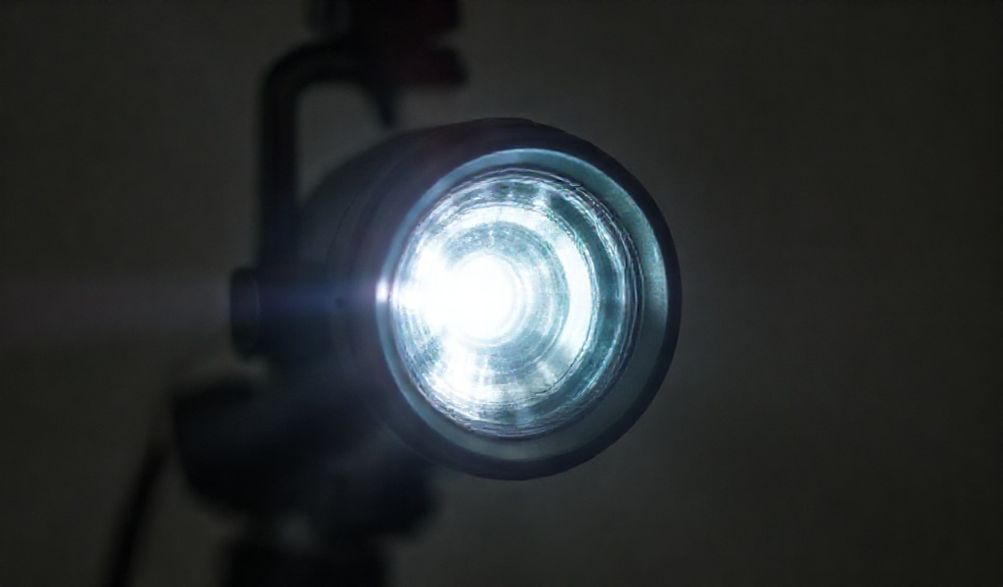
Loupes Light: Illuminating Precision in Dentistry, Surgery, and Jewelry Making
Did you know that studies suggest up to 90% of diagnostic accuracy in fields like dentistry and surgery relies on optimal illumination? In the world of minute margins, delicate tissues, and microscopic components, seeing is not just believing—it’s the foundation of success. For professionals and artisans who spend hours in focused, close-up work, the universal challenges are all too familiar: frustrating shadows that obscure detail, debilitating eye strain that cuts sessions short, and the nagging fatigue that accumulates over a career.
The solution transcends traditional magnification. Enter the loupes light—a transformative tool that integrates powerful, shadow-free illumination directly into the optical path of surgical, dental, or technical loupes. This isn’t merely an accessory; it’s a fundamental upgrade to your visual system. This comprehensive guide is designed to be your authoritative resource. Built on technical specifications, professional standards, and real-world user experience, we will illuminate everything you need to know: from the core science behind co-axial lighting to a step-by-step buyer’s guide, top system reviews, and essential maintenance protocols. Whether you’re a surgeon, dentist, jeweler, or electronics technician, understanding this technology is the first step toward a clearer, more precise, and less fatiguing workflow.
What is a Loupes Light? Beyond Basic Magnification
At its simplest, a loupes light is a magnification system with a built-in light source. But to dismiss it as “glasses with a headlamp” is to miss the engineering marvel that makes it revolutionary for precision work.
Core Definition: Integrated Illumination Systems
A true loupes light system is an engineered unit where the illumination is a core component, not an afterthought. The light source—now almost exclusively high-performance LEDs or, in some older systems, fiber optics—is meticulously integrated into the optical housing. This ensures the light is perfectly aligned with your line of sight, creating a unified visual tool. The result is a seamless marriage of magnification and illumination designed to work in harmony.
How It Works: The Science of Co-Axial Lighting
The magic word is co-axial. This principle means that the light travels along the same axis as your line of sight. Imagine shining a flashlight from your forehead; your hands and tools cast shadows directly into your field of view. Now, imagine the light emanating from your pupils themselves. That’s the effect of co-axial illumination. By positioning the light source at the objective lens, the system floods the entire magnified field with even, shadow-free light. This eliminates the obstructions caused by your head, hands, and instruments, revealing a perfectly lit, three-dimensional workspace.
Key Components: The Light Source, Battery, and Optics
- Light Source: Modern systems use Light Emitting Diodes (LEDs). Key specs include:
- درجة حرارة اللون: Measured in Kelvins (K). A range of 5000K to 6000K is considered “daylight white,” providing neutral, bright illumination that renders colors accurately without the yellow tint of warmer lights or the blue harshness of cooler ones.
- مؤشر تجسيد الألوان (CRI): A measure of how true colors appear under the light. A CRI >90 (out of 100) is excellent and critical for differentiating tissue types, matching restorative materials, or grading gemstones.
- Battery System: Power is delivered via a battery pack. You have two main types:
- Wired (Waistpack/Belt): A lightweight battery pack worn on the waist, connected by a thin, flexible cord. Often offers longer, uninterrupted power and quick-swap battery capabilities.
- Wireless (Integrated): A rechargeable battery is mounted directly on the loupes frame or on a headband. Offers maximum freedom of movement and less clutter but may have shorter runtimes and add weight to the head.
- Optics: The lenses (often Galilean or Keplerian/prism design) are precision-ground and coated to minimize glare and distortion. The housing is engineered to incorporate the LED module without compromising the optical path or balance of the loupes.
Key Benefits and Applications: Who Needs a Loupes Light?
The integration of light delivers profound benefits that resonate across numerous detail-oriented fields.
Unmatched Visual Clarity and Reduced Eye Strain
In low light, your pupils dilate to let in more light, but this reduces depth of field and visual acuity. Under a bright, focused light, your pupils constrict, increasing depth of field and sharpness. A loupes light provides this optimal brightness consistently, stopping the constant cycle of dilation and constriction that occurs when looking between a bright procedure site and a darker surrounding area. This stability significantly reduces ciliary muscle fatigue in the eyes, allowing for longer, more comfortable periods of concentrated work.
Enhanced Precision and Accuracy in Critical Tasks
- Dentistry: Identifying the exact boundary of a cavity (caries), ensuring the perfect marginal seal of a crown, visualizing a hidden canal orifice in endodontics, or placing a composite restoration with precise layering.
- Surgery: Differentiating between similar-looking tissues (e.g., nerve vs. fascia), identifying tiny blood vessels for coagulation, and performing delicate microsurgical anastomoses.
- Jewelry Making & Electronics: Soldering tiny joints without bridges or cold solder points, setting minuscule stones securely, and inspecting circuit boards for microfractures or soldering defects.
Improved Ergonomics and Posture
This is a critical, often overlooked benefit. Without adequate light, professionals instinctively hunch closer to their work to see better, leading to chronic neck and back pain. A bright, co-axial light illuminates the field perfectly from a greater, more ergonomic working distance. This allows the user to sit or stand upright with a neutral spine, potentially adding years of comfort and productivity to a career.
Increased Efficiency and Productivity
When you see clearly the first time, you work faster and make fewer mistakes. There’s less time spent repositioning external lights, less rework due to missed details, and more predictable outcomes. The time saved per procedure quickly adds up, improving patient flow in clinical settings or project turnaround in technical arts.
How to Choose the Right Loupes Light: A Buyer’s Guide
Selecting a system is a personal and professional investment. Here are the primary considerations to guide your decision.
Primary Consideration #1: Your Field and Specific Use Case
Your discipline dictates your priorities. Here’s a quick reference:
| Field | Key Priorities | Typical Magnification |
| :— | :— | :— |
| General Dentistry | Excellent color accuracy (CRI), good field width, comfort for long procedures. | 2.5x – 4.0x |
| Surgery / Microsurgery| Highest clarity & depth of field, sterile cable management, intense spotlight. | 3.5x – 6.0x+ |
| الطب البيطري| Durability, versatility for different animal sizes, often higher working distance. | 2.5x – 4.5x |
| Aesthetics (Botox, etc.)| Lightweight design, natural color rendering, wireless convenience. | 2.0x – 3.5x |
| Jewelry/Electronics | Very high CRI for material assessment, adjustable intensity for reflective surfaces. | 3.0x – 5.0x |
Primary Consideration #2: Magnification & Field of View
More magnification isn’t always better. Higher power (e.g., 5x or 6x) shows finer detail but has a smaller field of view and shorter depth of field, requiring you to be extremely still. Lower power (2.5x or 3x) offers a wider, more forgiving view and is often recommended for beginners. A professional fitting is non-negotiable. A certified representative will measure your مسافة العمل (the space from your eye to your work) and convergence angle to custom-fit loupes that promote perfect posture.
Primary Consideration #3: Lighting Specifications
This is the heart of the “light” in loupes light.
* Light Source: Prioritize LEDs with a color temperature of 5000K-6000K and a CRI of 90+.
* السطوع والقابلية للتعديل: Look for systems with multiple intensity settings (e.g., 3-5 levels). You need high power for visualizing through blood or dark cavities, and lower settings for less invasive work to avoid patient discomfort or glare on reflective metals.
* نمط الحزمة الضوئية: Do you need a focused spotlight to highlight a very small area (e.g., a single tooth), or a wide-field flood that evenly illuminates a larger surgical site or a jewelry bench? Some systems offer interchangeable light guides for this purpose.
Primary Consideration #4: Comfort and System Design
You will wear this for hours. Consider:
* توزيع الوزن: Wireless systems put more weight on your nose/ears. Waistpack systems balance weight on the hips but have a cord.
* Frame Style: Through-the-Lens (TTL) loupes are custom-mounted to your prescription and are generally lighter and more stable. Flip-Up loupes offer the flexibility to look over them without removing the headset and can be used by multiple people with different prescriptions.
* عمر البطارية: Ensure the rated runtime matches your typical workday. Look for quick-charge capabilities and consider having a spare battery.
Top Loupes Light Brands and Systems Reviewed
(Note: The following is an objective overview of established brands known for quality and innovation.)
Zeiss: The Premium Benchmark in Optics
Overview: Synonymous with unparalleled optical clarity, Carl Zeiss Meditec sets the gold standard, particularly in high-end surgical and microsurgical suites.
Key Technology: Their KINEVO 900 microscope-integrated platform and standalone loupes feature brilliant LED illumination with exceptional depth of field and color fidelity. Optics are renowned for minimal distortion and edge-to-edge sharpness.
Typical User: Neurosurgeons, ophthalmologists, and other specialists where absolute optical precision is paramount.
Orascoptic & Designs for Vision: Dental & Surgical Leaders
Overview: These two brands are titans in the dental and general surgical markets, known for robust engineering and professional-focused designs.
Key Technology: Orascoptic’s آي زوم lighting offers a unique, adjustable field of illumination. Designs for Vision is famous for its Extended Depth of Field (EDF) technology, which provides a larger “sweet spot” in focus, reducing the need for constant re-focusing. Both offer extensive wireless and wired options.
Typical User: General dentists, oral surgeons, plastic surgeons, and veterinarians.
SurgiTel & SheerVision: Value & Versatility
Overview: These brands are highly popular for offering excellent performance and durability at a more accessible price point, making them favorites across multiple disciplines.
Key Technology: Both offer a wide range of TTL and flip-up models with very bright, high-CRI LED systems. They are praised for their ergonomic frame designs and reliable customer service.
Typical User: A broad range of users including general dentists, dental hygienists, aesthetic practitioners, jewelers, and technicians.
Comparison Summary Table
| Brand | Price Range | Mag Options | Light Source | Key Feature | Best For |
| :— | :— | :— | :— | :— | :— |
| Zeiss | Premium ($$$$) | 3.0x – 6.0x+ | Ultra-High CRI LED | Unmatched Optical Clarity | High-precision surgery, microsurgery |
| أوراسكوبتيك | High ($$$) | 2.5x – 5.5x | EyeZoom LED | Adjustable Beam Pattern | Dentistry, versatile surgical fields |
| ديزاينز فور فيجن | High ($$$) | 2.5x – 8.0x | High-Output LED | Extended Depth of Field (EDF) | Users wanting a larger focus zone |
| سيرجي تيل | Mid-High ($$) | 2.0x – 5.0x | Bright LED | Ergonomic Frames, Value | Dentistry, veterinary, technical arts |
| SheerVision | Mid-High ($$) | 2.0x – 5.0x | High-CRI LED | Lightweight Design, Versatility | Aesthetics, dentistry, jewelry |
Maintenance, Care, and Safety Best Practices
A loupes light is a precision instrument. Proper care ensures longevity, performance, and safety.
Daily Cleaning and Disinfection Protocols
- العدسات: Always use a microfiber cloth and lens cleaner designed for coated optics. Never use paper towels, clothing, or harsh chemicals like alcohol or ammonia-based cleaners, which can degrade anti-reflective coatings.
- Light Housing & Cords: For clinical settings, follow the manufacturer’s guidelines for disinfection. Typically, this involves wiping down non-optical surfaces with a recommended disinfectant wipe. Ensure no liquid enters the LED housing or electrical connections.
العناية بالبطارية لإطالة عمرها
- For Lithium-Ion batteries, avoid constantly draining them to 0%. Partial discharges are better than full ones.
- Store batteries in a cool, dry place.
- إذا كنت تستخدم نظام حقيبة الخصر، فقم بتدوير استخدام عدة بطاريات إذا أمكن.
استكشاف الأخطاء الشائعة وإصلاحها
- ضوء خافت أو متقطع: أولاً، تحقق من توصيل البطارية وشحنها. إذا كان السلك مستخدمًا، فافحصه بحثًا عن الانثناءات أو التلف. إذا استمرت المشكلة، اتصل بالشركة المصنعة.
- شعاع غير متساوٍ: تأكد من نظافة دليل الضوء أو نافذة الصمام الثنائي الباعث للضوء وتركيبه بشكل صحيح. قد يتطلب ذلك خدمة مهنية.
السلامة أولاً: تجنب التلف الحراري
هذا أمر بالغ الأهمية. يمكن للحزمة المركزة للصمام الثنائي الباعث للضوء عالي الكثافة أن تولد حرارة كبيرة.
* لا تقم أبدًا بتوجيه الضوء مباشرة إلى عيون المريض أو عينيك.
* في التطبيقات الجراحية وطب الأسنان، تجنب وضع فتحة الضوء مباشرة على الأنسجة الحية لفترات طويلة لمنع الإصابة الحرارية.
* كن حذرًا عند العمل على المواد الحساسة للحرارة.
الأسئلة الشائعة (FAQ) حول أضواء العدسات المكبرة
س1: هل أضواء العدسات المكبرة تستحق الاستثمار لطبيب أسنان/صائغ مجوهرات جديد؟
ج: بالتأكيد. على الرغم من أنها تكلفة مبدئية، إلا أنها تعتبر أداة أساسية للإنتاجية وجودة العمل وطول العمر المهني. إن تقليل إجهاد العين وتحسين الدقة والفوائد الهندسية البشرية يمكن أن تمنع الأخطاء المكلفة والإرهاق الجسدي. يعتبرها العديد من المحترفين ذوي الخبرة أهم عملية شراء غير قابلة للتفاوض.
س2: هل يمكنني إضافة ضوء إلى عدساتي المكبرة الحالية؟
ج: تقدم بعض الشركات المصنعة أنظمة أضواء قابلة للتثبيت أو الإرفاق لموديلات معينة. ومع ذلك، هذه الأنظمة ليست محورية وستلقي بظلالها. أنظمة الإضاءة المحورية المتكاملة الموضحة في هذا الدليل هي الأفضل في الأداء. عادةً ما يكون تجديد زوج قديم من العدسات المكبرة بضوء متكامل حقيقي غير ممكن؛ من الأفضل شراء نظام مصمم كوحدة موحدة.
س3: ما هي العمر الافتراضي النموذجي للبطارية في ضوء العدسات المكبرة اللاسلكي؟
ج: يختلف هذا بشكل كبير حسب الموديل وقوة الصمام الثنائي الباعث للضوء وإعداد السطوع. تقدم الأنظمة الحديثة عادةً ما بين 4 إلى 8 ساعات أو أكثر من التشغيل بشحنة واحدة عند شدة متوسطة. تحقق دائمًا من مواصفات الشركة المصنعة للموديل الذي تفكر فيه.
س4: كيف أعرف ما هو التكبير المناسب لي؟
ج: يجب أن تجربها في ظروف واقعية. يوفر التجار الموثوقون تجارب شخصية وسيقيسون مسافة عملك ومسافة الحدقة. يوصي معظم المحترفين بالبدء بتكبير أقل (2.5x-3.5x) للتكيف مع المنظور والوضعية المتغيرين، ثم الزيادة مع تطور مهارتك وارتياحك.
س5: هل هناك أي مخاطر لاستخدام ضوء العدسات المكبرة؟
ج: المخاطر الأساسية هي إجهاد العضلات والعظام من التركيب غير المناسب (يتم تجنبه بالتركيب المهني) والإصابة الحرارية المحتملة من مصدر الضوء (يتم تجنبها باتباع بروتوكولات السلامة). قد يحدث إجهاد العين إذا كانت العدسات المكبرة تحتوي على وصفة طبية غير صحيحة أو كانت غير محاذاة. مع الاختيار والتركيب والاستخدام المناسبين، يتم التخفيف من هذه المخاطر بشكل فعال.
الخاتمة
A loupes light هي أكثر بكثير من مجرد ملحق بسيط؛ إنها استثمار حاسم في الدقة والهندسة البشرية والأداء المهني طويل الأجل. إنها تحول تجربة العمل من خلال دمج التكبير مع الإضاءة المحورية الخالية من الظلال، معالجةً مباشرةً للتحديات الأساسية للعمل الموجه نحو التفاصيل. كما اكتشفنا، يجب أن يسترشد الاختيار بعوامل عملية: حالة استخدامك المحددة، المواصفات التقنية للضوء والبصريات، التركيب المهني الإلزامي، وسمعة العلامات التجارية الموثوقة.
أهم خطوة يمكنك اتخاذها هي تجربة الفرق بنفسك. نحن نشجعك بشدة على إعطاء الأولوية للاستشارة المهنية مع ممثل معتمد من إحدى الشركات المصنعة أو أكثر. جرب الأنظمة، وقيم الراحة، وشاهد الوضوح بنفسك. أنر طريقك نحو دقة وراحة وإنتاجية أكبر من خلال اتخاذ الخطوة التالية اليوم.
مستعد لرؤية الفرق؟ قم بتنزيل قائمة التحقق التفصيلية لمقارنة أضواء العدسات المكبرة لاستخدامها في استشارتك المهنية والتأكد من طرح الأسئلة الصحيحة.
ص>