
Surgical Loupes with Light: A Surgeon’s Guide to Enhanced Precision & Ergonomics
For the surgeon, dentist, or medical professional immersed in the world of microsurgery and precision procedures, the physical toll is a familiar adversary. The subtle tremor after hours of intense focus, the nagging ache in the neck and shoulders, the moment of squinting to discern a critical structure shrouded in shadow—these are not mere inconveniences. They are barriers to peak performance and, ultimately, to optimal patient outcomes. For decades, the operating room’s overhead lights have been a necessary but flawed partner, casting obstructive shadows and forcing surgeons into ergonomically compromising positions. The introduction of surgical loupes was a leap forward, bringing the operative field into magnified clarity. Yet, the true revolution arrived when magnification met targeted illumination. Surgical loupes with integrated light have since redefined the standard, merging two fundamental needs into one transformative instrument.
This guide serves as an authoritative, experience-based resource for any medical professional considering this critical upgrade. Synthesizing insights from clinical literature, ergonomic principles, and the practical wisdom of seasoned practitioners, we will dissect the undeniable value of illuminated loupes. You will move beyond basic specifications to understand the why و how: why they represent a fundamental shift in procedural capability, how to navigate the key features during selection, and the best practices to integrate them seamlessly into your workflow for lasting benefit and longevity.
Why Illuminated Loupes Are a Game-Changer in the OR
The transition from standard to illuminated loupes is often described not as an incremental improvement, but as a paradigm shift. To understand why, we must first confront the limitations they are designed to overcome.
The Critical Problem: Visual Fatigue and Shadowing
overhead surgical lights, while powerful, are fundamentally external to the surgeon’s viewpoint. This creates an inherent conflict: the surgeon’s head and hands inevitably cast shadows directly onto the very site requiring the most light. Constant minor adjustments to avoid these shadows lead to poor, static postures—forward head tilt, rounded shoulders—that are a primary contributor to musculoskeletal disorders among surgeons. Furthermore, the eye’s relentless effort to resolve detail under suboptimal lighting, a phenomenon known as accommodative strain, leads to significant visual fatigue. This combination of physical strain and visual stress is a silent drain on endurance, focus, and precision, especially during marathon procedures.
The Integrated Solution: Magnification Meets Targeted Light
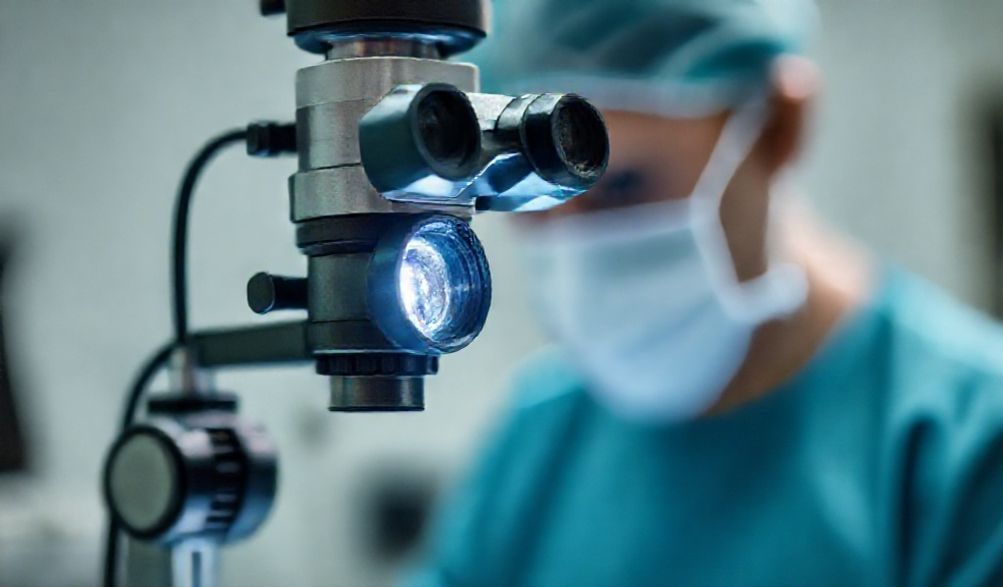
Illuminated loupes solve this problem at its source by providing coaxial illumination—light projected along the same optical path as the surgeon’s line of sight. Where your eyes look, the light shines. This elegant integration eliminates shadows completely, as the light source moves in perfect unison with your vision. The result is a brilliantly lit, high-contrast field where tissue planes, tiny vessels, and nerve fibers are revealed with startling clarity. It’s the difference between examining a subject under a cloudy sky versus a focused spotlight; the enhanced shadow definition dramatically improves depth perception and the recognition of true tissue morphology.
Proven Benefits for Surgeons and Patients
The impact of this integrated system is profound and multi-faceted:
- تعزيز الدقة الجراحية: With shadows banished and contrast maximized, depth perception becomes more intuitive. Distinguishing between similar tissues (e.g., tumor margin versus healthy tissue, nerve sheath from surrounding fascia) is faster and more accurate. This allows for more confident dissection, cleaner anastomoses, and reduced iatrogenic damage.
- تقليل إجهاد الجراح: By eliminating the need to squint and strain, illuminated loupes directly combat visual fatigue. The improved posture enabled by not contorting to find light translates to less neck, shoulder, and back pain. This preservation of physical well-being is an investment in career longevity.
- Improved Procedural Outcomes: While direct causation is complex, a strong consensus and growing body of evidence link superior visualization to reduced operative errors, shorter procedure times, and improved patient recovery. When a surgeon can see better and work more comfortably, the entire procedure benefits.
Key Features to Consider When Choosing Loupes with Light
Selecting the right pair of illuminated loupes is a highly personalized decision. It’s a balance of optical performance, physical comfort, and practical utility. Here are the core features to scrutinize.
Magnification & Field of View
Magnification power (e.g., 2.5x, 3.5x, 4.5x, 5.5x+) must align with your specialty and task. A general dentist performing restorative work may thrive with 2.5x-3.5x, while a microsurgeon repairing digital nerves may require 5.5x or higher. Crucially, higher magnification comes with trade-offs: a smaller field of view (the width of the area you see) and a shallower depth of field (the range that remains in focus). Higher powers demand more precise head positioning. The “sweet spot” offers enough magnification to see critical detail without making navigation of the broader field overly challenging.
Light Source Technology: LED Types and Performance
The light engine is the heart of the system. Modern loupes almost exclusively use LEDs for their efficiency, longevity, and cool operation. Key metrics to compare:
* درجة حرارة اللون: يُقاس بالكلفن (ك). درجة حرارة لونية حول 5500K is considered “daylight white,” providing the most accurate, neutral color rendition of tissues and materials (like composite resins in dentistry), which is vital for accurate clinical judgment.
* Luminosity & Adjustability: Output is measured in lumens. Look for a system with sufficient brightness for deep cavities or poorly exposed sites, but one that also offers adjustable intensity. A dimmer control allows you to tailor the light to the task, preserving battery life and patient comfort.
* نمط الحزمة الضوئية: Some systems offer a focused “spot” for micro-work and a wider “flood” for a larger area, which can be a valuable feature.
Ergonomic Design: Weight, Balance, and Customization
An ill-fitting loupe is a liability. Professional, custom fitting is non-negotiable and involves precise measurement of your Working Distance (distance from eye to surgical field), Declination Angle (how far down the lenses are tilted), and Interpupillary Distance. This ensures a clear, fused image without strain.
* Frame Styles: Through-the-Lens (TTL) loupes are built into the carrier lens, offering a lighter weight, more compact profile, and a consistent optical axis. They are typically fixed for a specific task. Flip-Up loupes have a binocular mounted on a hinge, allowing you to quickly look over them without removing the frame. They offer flexibility (sometimes interchangeable lenses) but can be slightly heavier and may shift on the nose bridge.
Power System: Battery Packs and Convenience
The light source needs reliable power. Battery packs typically come in three styles:
* Belt-Clip: The traditional style, offering a high-capacity battery but adding a cable that must be managed.
* Waistband (Battery Belt): Distributes weight more evenly around the waist, often considered more comfortable for long periods.
* Headband/Helmet: Integrates a smaller battery at the back of the head, eliminating cables entirely for maximum freedom of movement, though sometimes with a shorter run-time.
Prioritize systems with بطاريات قابلة للتبديل الساخن (allowing you to change batteries without turning off the light) for uninterrupted use during long procedures, and ensure the claimed battery life (typically 4-8 hours) matches your clinical day.
Top Applications and Specialties for Illuminated Loupes
While beneficial across many disciplines, illuminated loupes provide a particular edge in specialties where minute detail and delicate handling are paramount:
- Dentistry and Oral Surgery: Essential for endodontics (locating calcified canals), periodontics (visualizing calculus and root surfaces), implantology (precise osteotomy preparation and abutment placement), and any restorative procedure requiring margin evaluation and composite layering.
- Plastic and Reconstructive Surgery: The gold standard for microsurgery—digital replantation, free flap dissection, nerve repair, and delicate blepharoplasty. The coaxial light is indispensable in deep cavities where overhead light cannot reach.
- Ophthalmology & ENT Procedures: Used in oculoplastic surgery, lacrimal procedures, and endoscopic sinus surgery preparation. Provides brilliant illumination for procedures on superficial yet highly detailed structures of the face, nose, and ears.
- Vascular and Neurosurgery: Critical for anastomosing tiny vessels (e.g., in bypass surgery) and for distinguishing between delicate neural tissues and surrounding structures during tumor resections or decompressions.
How to Integrate and Maintain Your Loupes for Longevity
A significant investment deserves proper care. Correct integration and maintenance protect your purchase and ensure consistent performance.
The Fitting Process: Why Professional Adjustment is Non-Negotiable
Never purchase custom surgical loupes, especially with an integrated light system, online or without a certified consultant. An in-person fitting by a trained representative is essential to capture your unique anatomical and ergonomic metrics. A poor fit leads to blurred vision, diplopia (double vision), and severe physical strain, negating all the potential benefits.
Daily Use Protocol and Best Practices
- Always use both hands to don and doff your loupes to avoid bending the frame or temples.
- Secure the battery pack and manage the cable (if present) to avoid snagging.
- Make minor adjustments to the headband or nose pads at the start of the procedure for all-day comfort.
- Familiarize yourself with the light intensity controls before scrubbing in.
Cleaning, Disinfection, and Sterilization Guidelines
Follow the manufacturer’s instructions explicitly. Generally:
* العدسات: Clean only with a soft, lint-free cloth and approved lens solution or wipes. Never use alcohol, window cleaner, or rough materials that can damage coatings.
* Frame & Light Housing: Wipe down with a hospital-grade disinfectant wipe that is safe for plastics and electronics. Ensure no liquid runs into the optical components or electrical ports. Some light cables and battery packs may be sterilizable via low-temperature hydrogen peroxide plasma (e.g., STERRAD); check specifications.
* Never autoclave or heat-sterilize any part of the optical or lighting system.
Routine Maintenance and When to Service
Perform a quick pre-use check: inspect lenses for smudges or damage, ensure hinges are snug, and verify the light turns on and adjusts properly. Schedule an annual professional check-up with your supplier or manufacturer to verify optical alignment, inspect for frame stress, and test the electrical system. If you drop your loupes or notice a change in clarity, light output, or comfort, seek service immediately.
قسم الأسئلة الشائعة
Q: Are surgical loupes with light worth the investment compared to standard loupes?
A: For any professional performing precision, detailed work, the answer is overwhelmingly yes. While the initial cost is higher, the return on investment is realized through reduced physical fatigue (protecting your career), enhanced precision (potentially improving outcomes), and greater procedural efficiency. The qualitative improvement in visualization is often described as transformative.
Q: What is the typical battery life, and can I swap batteries mid-surgery?
A: Most professional-grade systems offer a battery life of 4 to 8 hours on a full charge, sufficient for a full clinical day. Crucially, many models are designed with hot-swappable batteries, allowing you to replace a depleted battery with a charged one in seconds without interrupting the light—a vital feature for long, uninterrupted procedures.
Q: How do I choose between through-the-lens (TTL) and flip-up loupes?
A: TTL loupes are generally lighter, more compact, and provide a consistent, sealed optical path. They are ideal if you work primarily under magnification. Flip-up loupes offer the flexibility to quickly look at the wider environment (e.g., a monitor, nurse, or instrument tray) without removing your glasses and can sometimes accommodate different magnification lenses. The choice hinges on your workflow preference and need for flexibility versus optimized weight and optics.
Q: Can the light be too bright and cause tissue damage?
A: Modern LED systems are “cool” light sources, generating minimal heat at the tissue surface compared to older halogen lights. The risk of thermal damage is very low. However, it is always prudent to follow the manufacturer’s guidelines and avoid prolonged, direct exposure of the brightest setting on extremely delicate, non-perfused tissues.
Q: How often should I have my loupes professionally serviced or re-aligned?
A: An annual professional inspection is recommended for all users. This check-up can catch minor issues before they become major problems. If you use your loupes heavily, notice any visual discomfort, or accidentally drop them, seek service immediately rather than waiting.
الخاتمة
Surgical loupes with integrated light are far more than a simple tool; they are a strategic investment in a surgeon’s most critical assets: their vision, their physical well-being, and their capacity for precision. They bridge the gap between human capability and surgical demand, transforming a challenging visual task into one of clear, confident execution.
The selection process is deeply personal and clinically significant. Therefore, this guide concludes with a firm recommendation: consult with a reputable, certified optical specialist. Engage with representatives from leading manufacturers, request clinical demos, and speak with trusted colleagues about their experiences. The right pair, perfectly fitted to your eyes, your posture, and your specialty, will not just change how you see your field—it will redefine how you work within it, for the benefit of your patients and the longevity of your own practice.
ص>