
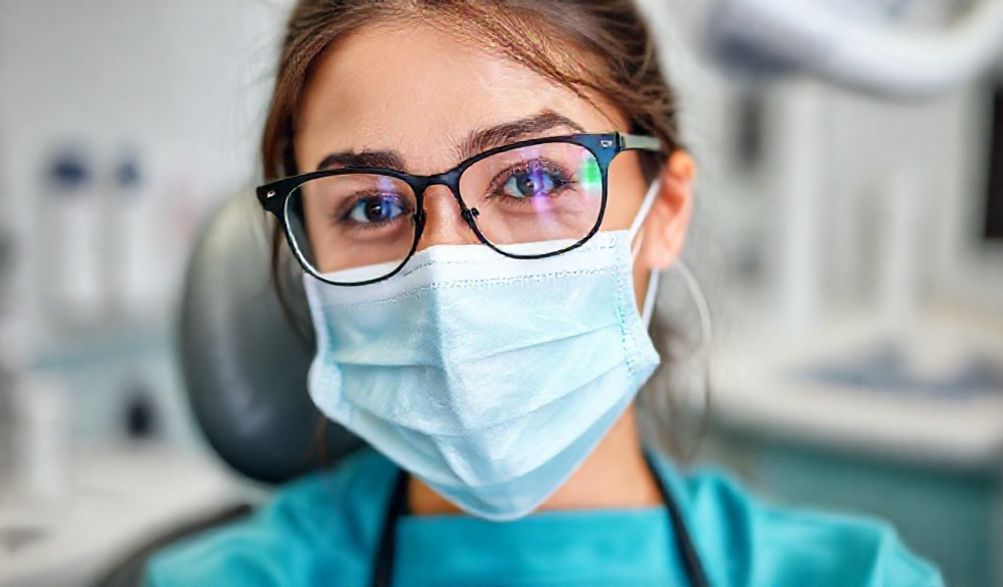
The Ultimate Guide to Dental Hygienist Glasses: Combining Safety, Clarity & Style
It’s a familiar scene in dental operatories everywhere: a hygienist leans in for a closer look during a challenging scaling, only for their vision to suddenly cloud over. A frustrating layer of fog has bloomed across their lenses, courtesy of the warm breath escaping the top of their tightly fitted N95 mask. They pause, pull back, and fumble to clear their sight—a small interruption that breaks rhythm and focus. Worse yet, perhaps they’ve felt the unsettling ping of a calculus fragment against the lens or ended the day with a pounding headache from squinting against bright operatory lights.
If this sounds relatable, you’re not alone. But here’s the critical truth: the eyewear you choose for clinical work is far more than a simple accessory to see better. For dental hygienists, specialized dental hygienist glasses are a fundamental piece of Personal Protective Equipment (PPE), as crucial as gloves and masks. They are your first and most vital line of defense against a host of occupational hazards, mandated by law, and a direct investment in the longevity of your career and vision.
This comprehensive guide is built to be your trusted resource. We’ve synthesized official safety standards from OSHA and the CDC, practical insights from seasoned dental professionals, and meticulous analysis of available products. Our goal is to empower you with the knowledge to make an informed choice—selecting eyewear that doesn’t just protect, but also provides unparalleled clarity and comfort through long clinical days. We’ll walk through the non-negotiable features, explore top styles, and provide practical tips for fit, care, and compliance.
Why Specialized Glasses Are Non-Negotiable for Dental Hygienists
Before diving into features and styles, it’s essential to understand the “why.” The dental operatory is a uniquely hazardous environment for the eyes, and standard glasses or even some generic safety frames fall dangerously short.
Understanding the Risks: More Than Just Splashes
The dangers are multifaceted and ever-present:
* Aerosolized Pathogens: إن ultrasonic scaler and high-speed handpiece generate a visible spray—a bioaerosol—that can contain saliva, blood, plaque, and potentially infectious microorganisms. This mist can easily settle on or bypass inadequately protected eyes.
* Chemical Splashes: Disinfectants, bleaching agents, and other chemicals used in sterilization and procedures pose a risk of accidental splashes that can cause significant irritation or injury.
* Physical Debris: The nature of your work produces sharp, high-velocity projectiles. Fragments of calculus, tooth enamel, old restorative materials, and even broken instrument tips can become airborne.
* Intense Optical Hazards: Bright overhead dental lights, while necessary for illumination, can contribute to eye strain and fatigue over time. Additionally, some curing lights and dental lasers emit specific light wavelengths that require specialized filtration.
OSHA & CDC Compliance: What the Standards Say
This isn’t just about best practice; it’s the law. The Occupational Safety and Health Administration (OSHA) requires employers to provide appropriate PPE to guard against identified hazards.
For eyewear, OSHA standards specifically call for side protection (side shields) to prevent exposure from the periphery. The benchmark for impact resistance is the معيار ANSI Z87.1 standard set by the American National Standards Institute. Glasses bearing the “Z87” mark on the frame and lenses have been tested to withstand certain impact forces. The “+” symbol indicates a high-velocity impact rating, which is strongly recommended for dental settings.
Furthermore, the Centers for Disease Control and Prevention (CDC) infection control guidelines for dentistry emphasize the use of protective barriers—including eye protection with solid side shields or face shields—during procedures likely to generate splashing or spattering.
Long-Term Benefits: Protecting Your Most Vital Tool
Beyond immediate safety, the right glasses safeguard your long-term well-being and clinical performance:
* Preventing Chronic Issues: Consistent protection prevents cumulative damage, reducing the risk of chronic eye strain, conjunctivitis, or more serious infections and injuries.
* Enhancing Precision: Clear, unfogged, and undistorted vision is paramount for detecting subtle calculus, navigating subgingival pockets, and ensuring thorough debridement. Your eyes are the primary tool guiding your instruments; protecting them directly enhances the quality of your care.
Key Features to Look for in Dental Hygienist Eyewear
Not all safety glasses are created equal. When selecting your clinical eyewear, prioritize these core features.
Lens Technology: Anti-Fog, Anti-Scratch & Blue Light
This is where technology makes a tangible difference in your daily comfort.
* Anti-Fog Coating: Fogging occurs due to the temperature difference between your warm skin/breath and the cooler lens surface, causing moisture to condense. A high-quality, طلاء مضاد للضباب دائم عالي الجودة is non-negotiable. It works by making the lens hydrophilic, causing moisture to spread into a thin, clear film instead of beading into droplets. Avoid temporary sprays or wipes that wear off quickly.
* Anti-Scratch Coating: A durable hard coat protects lenses from the micro-abrasions caused by daily cleaning, storage, and incidental contact. Scratches scatter light, reduce clarity, and can compromise the integrity of other lens coatings.
* Blue Light Filtering: With the increased use of digital intraoral scanners and operatory monitors, some hygienists benefit from a subtle blue light filter to reduce digital eye strain and glare from screens, without distorting color perception critical for diagnosis.
Frame Design: Fit, Comfort & Full Coverage
If they aren’t comfortable, you won’t wear them consistently.
* Secure, Adjustable Fit: Look for adjustable nose pads (silicone is comfortable and grippy) and temple arms that can be gently bent for a custom fit. The glasses should sit snugly without pinching.
* Wraparound vs. Side Shields: Modern wraparound styles offer superior peripheral protection and a streamlined look, often fitting better under loupes. Traditional frames with integrated, permanent side shields are a classic, reliable choice. Detachable side shields are less ideal as they can create gaps.
* Lightweight Materials: Frames made from advanced materials like Grilamid or flexible TR-90 are incredibly lightweight, durable, and hypoallergenic, making them ideal for 8+ hours of wear.
Safety Standards: Decoding the ANSI Z87.1+ Mark
Always verify the certification. “ANSI Z87.1” means the glasses meet basic impact standards. “ANSI Z87.1+” (or “Z87+”) signifies high-impact protection, meaning the lenses and frame have passed a more rigorous test involving a quarter-inch steel ball traveling at 150 feet per second. For the dental environment, where projectiles can be small and fast, seeking out the “+” rating is a wise choice for maximum safety.
Top Styles of Dental Hygiene Glasses for Every Preference
Thankfully, compliance no longer means sacrificing personal style. There are excellent options to suit every face shape and preference.
Classic Safety Glasses with Side Shields
- اقتصادي التكلفة، يتحرك تلقائيًا مع الكرسي. Cost-effective, widely available, and a familiar style. Many offer excellent coverage with large lens areas.
- يمكن أن يتعارض مع حركة المساعد، قد يكون له مدى محدود، ويرتبط عمر الضوء بعمر الكرسي. Can feel bulkier than modern designs; the side shields, while protective, can sometimes limit extreme peripheral vision slightly.
Modern Wraparound Safety Glasses
- اقتصادي التكلفة، يتحرك تلقائيًا مع الكرسي. Offer the best peripheral and frontal protection with a single lens. They often have a sporty, low-profile design that fits exceptionally well under magnification loupes and feels very secure.
- يمكن أن يتعارض مع حركة المساعد، قد يكون له مدى محدود، ويرتبط عمر الضوء بعمر الكرسي. Fit is more dependent on facial structure. It’s crucial to try them on (or check return policies) to ensure the curvature doesn’t distort vision or press on cheeks.
Over-the-Prescription (OTG) Glasses
Designed specifically to fit comfortably فوق your regular prescription glasses. Key considerations include:
* Ensuring there is enough depth and space in the OTG frame to accommodate your personal glasses without pressing them into your face.
* Checking that the combined weight is still comfortable for all-day wear.
* Confirming that the OTG lenses are large enough to fully cover the field of view provided by your prescription lenses.
Fashion-Focused & Customizable Options
A growing number of brands now cater to healthcare professionals, offering dental hygienist glasses in a variety of colors, patterns, and sophisticated frame shapes. From professional tortoiseshell to fun floral prints or your favorite color, choosing a style you love encourages consistent wear and can even boost morale. This proves that safety and style can seamlessly coexist.
How to Ensure a Perfect Fit and Maximize Comfort
A perfect fit is the cornerstone of both safety and comfort.
Step-by-Step Fitting Guide
- Bridge Fit: The glasses should rest comfortably on the bridge of your nose without sliding down. Adjustable silicone nose pads are ideal.
- Temple Length: The temple arms should extend straight back over your ears without excessive pressure. The tips should rest evenly.
- Check for Gaps: Look in a mirror from the side. There should be no significant gap between the frame/side shield and your temple. Light or debris can enter through gaps.
- Field of Vision: Turn your head side to side and look up and down. Your view should be unobstructed by the frame edges.
Compatibility with Other PPE
- With Face Masks: To combat fogging, ensure your mask has a moldable nose wire and is pinched tightly across the bridge of your nose. Some professionals use a small piece of double-sided skin tape across the top edge of the mask. Your glasses should sit on top of the mask seal.
- With Loupes: Wraparound styles or frames with a low-profile brow are often most compatible. The glasses should not interfere with the loupes’ declination angle or cause pressure points where both devices rest on your nose and ears.
Tips for All-Day Wear
- Use a comfortable eyewear retainer (like a sports strap) if you find yourself looking down frequently, to prevent slippage.
- Take micro-breaks during charting or setup moments to briefly close your eyes or look into the distance, reducing muscle fatigue.
- Keep a microfiber cloth handy for quick, safe lens cleaning.
Care, Maintenance & Disinfection Protocol
Proper care extends the life of your investment and ensures ongoing performance.
Daily Cleaning Routine to Preserve Coatings
- Use: A clean, dry microfiber cloth designed for lenses. For smudges, use a lens-safe spray or a drop of water.
- تجنب: Paper towels, tissues, shirt sleeves, or harsh chemicals like window cleaner or alcohol-based wipes. These can degrade anti-fog and anti-scratch coatings permanently.
Effective and Safe Disinfection Between Patients
Following CDC guidance, protective eyewear should be cleaned and disinfected if visibly soiled, and certainly between patients.
* Method: Use an EPA-registered hospital-grade disinfectant wipe that is specified as safe for eyewear. Always follow the manufacturer’s contact time (the time the surface must remain wet).
* Critical Step: Always refer to the manufacturer’s instructions that came with your specific glasses. Some coatings may have restrictions on certain disinfectant chemicals.
Proper Storage to Prevent Damage
When not in use, always store your glasses in a hard protective case. Avoid leaving them on operatory surfaces where they can be knocked off, sat on, or exposed to chemical spills or extreme heat (like near sterilizers), which can warp frames and damage coatings.
Frequently Asked Questions (FAQ) About Dental Hygienist Glasses
Q: Are regular prescription glasses enough for protection?
ج: No. Standard prescription glasses lack the mandatory side shields and the impact rating (ANSI Z87.1) required for occupational safety. They leave you vulnerable from the sides and may shatter upon impact. You need either prescription safety glasses or OTG (over-the-prescription) safety glasses.
Q: How do I stop my glasses from fogging while wearing a mask?
ج: Employ a three-pronged approach: 1) Seal the mask: Use a mask with a moldable nose wire and ensure a tight fit. 2) Use the right gear: استثمر في نظارات ذات طلاء مضاد للضباب دائم وعالي الجودة. إدارة تدفق الهواء: تأكد من أن غرفة العمليات الخاصة بك تحتوي على تهوية مناسبة لتقليل تراكم الرطوبة.
س: هل يمكنني الحصول على نظارات السلامة الطبية من خلال صاحب العمل؟
ج: غالبًا، نعم. بموجب معيار معدات الحماية الشخصية (OSHA) (29 CFR 1910.132)، يُطلب من أصحاب العمل عمومًا توفير معدات الحماية الشخصية اللازمة، بما في ذلك نظارات السلامة الطبية، دون تكلفة على الموظف عندما تكون مطلوبة لأداء العمل بأمان. إنها محادثة تستحق العناء مع مدير المكتب أو صاحب العمل.
س: كم مرة يجب أن أستبدل نظارات النظافة السنية الخاصة بي؟
ج: استبدلها فورًا إذا كانت العدسات مخدوشة بعمق أو متشققة أو تالفة، أو إذا كان الإطار معوجًا أو معيبًا. حتى بدون ضرر مرئي، إذا تآكل الطلاء المضاد للضباب وأصبح الضباب غير قابل للإدارة، فقد حان الوقت للحصول على زوج جديد. مع العناية الممتازة، يمكن أن يدوم زوج عالي الجودة لمدة 1-2 سنوات.
الخاتمة
4.0x فما فوق dental hygienist glasses هي واحدة من أهم القرارات التي يمكنك اتخاذها لسلامتك المهنية وفعاليتك السريرية. إنها درع حاسم ضد المخاطر البيولوجية والكيميائية والفيزيائية، مما يضمن امتثالك لمعايير OSHA مع حماية رؤيتك طويلة المدى - وهي أهم أداتك السريرية.
تذكر إعطاء الأولوية للأساسيات: حماية من الصدمات مصنفة وفقًا لمعيار ANSI Z87.1+، وطلاء مضاد للضباب مضمون، وتناسب آمن ومريح يتوافق مع معدات الحماية الشخصية الأخرى الخاصة بك. اعتبر الأناقة مكافأة قيمة تجعلك ترغب في ارتدائها طوال اليوم، كل يوم.
خذ لحظة لتقييم نظاراتك الحالية وفقًا للمعايير الواردة في هذا الدليل. إذا كانت لا تفي بالمعايير، ابدأ محادثة مع صاحب العمل حول أحكام معدات الحماية الشخصية. الاستثمار في حماية العين المناسبة هو استثمار لا يمكن إنكاره في صحة مرضاك، ونجاح ممارستك، واستمرارية مسيرتك المهنية المجزية في صحة الأسنان.
ص>