
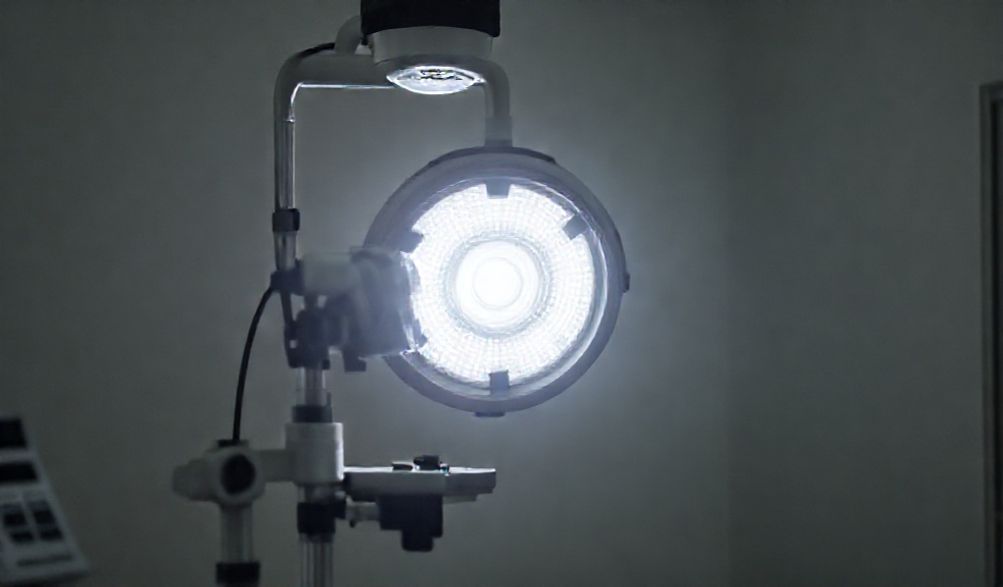
Examination Lights: A Guide to Types, Features, and Optimal Selection for Medical Professionals
In the intricate ecosystem of a modern medical facility, where advanced imaging systems and digital records command attention, the humble مصباح فحص متعدد الاستخدامات often operates in the background. Yet, its role is anything but minor. As the primary tool for visual diagnosis, the quality of illumination it provides is a fundamental pillar of clinical accuracy, procedural efficiency, and patient safety. An inadequate or poorly chosen light can cast shadows of doubt—literally and figuratively—on a practitioner’s ability to assess, diagnose, and treat.
This guide is designed to illuminate the critical considerations surrounding medical examination lights. Whether you are a healthcare administrator overseeing a facility upgrade, a procurement specialist evaluating options, or a clinician seeking the best tool for your practice, understanding the technology, applications, and selection criteria is essential. We will synthesize insights from clinical ergonomics, manufacturer innovations, and best practice standards to empower you to make an informed investment—one that enhances patient outcomes, supports clinician well-being, and delivers long-term value.
The Critical Role of Proper Illumination in Medical Examination
Before delving into specifications, it’s vital to understand why the right مصباح فحص متعدد الاستخدامات is so crucial. It transcends simple visibility; it is an active diagnostic instrument.
Impact on Diagnostic Accuracy and Patient Outcomes
The human eye is a remarkable diagnostic tool, but it is entirely dependent on the quality of light it receives. Suboptimal lighting can obscure the subtle visual cues that are critical for accurate diagnosis.
* Shadow Reduction & Detail: إن مصباحًا عالي الجودة مصباح فحص متعدد الاستخدامات is engineered to minimize harsh shadows that can hide lesions, variations in skin texture, or the margins of a wound. This is often achieved through multiple LED point sources or specialized reflectors that fill the field with even light.
* مؤشر تجسيد الألوان (CRI): This is perhaps the most critical metric for diagnosis. A bruise, cyanosis, jaundice, or erythema must be seen in its true color. A light with a low CRI can distort these hues, potentially leading to misdiagnosis. Studies have shown that high-CRI lighting increases diagnostic confidence, particularly in fields like dermatology, dentistry, and surgery where color differentiation is paramount.
* Adequate Intensity: Insufficient light intensity (measured in Lux) can strain the eyes and mask fine details. The appropriate level of illuminance ensures that clinicians can see clearly without having to bring the light dangerously close to the patient or squint, facilitating a more thorough and confident examination.
Ergonomics and Clinician Well-being
Clinician burnout and musculoskeletal injuries are significant concerns in healthcare. The مصباح فحص متعدد الاستخدامات can be a contributor or a mitigator.
* Adjustability & Glare Control: A light that is difficult to position or that creates glare on reflective surfaces (like instruments or wet tissue) forces practitioners into awkward postures—craning their neck, hunching over, or turning away. Modern lights with smooth, counterbalanced arms and anti-glare optics allow for effortless, one-handed positioning, reducing physical strain over long clinical days.
* Reducing Eye Fatigue: Consistent, flicker-free light with high color accuracy reduces the constant muscular adjustments the eyes must make to compensate for poor lighting, thereby decreasing visual fatigue and headaches.
Patient Comfort and Safety
The patient’s experience is also directly affected by the مصباح فحص متعدد الاستخدامات.
* انبعاث حراري ضئيل: Older halogen lights are notorious for radiating significant heat, which can be uncomfortable for the patient and potentially dry out exposed tissues. LED-based examination lights produce negligible radiant heat, enhancing patient comfort, especially during prolonged procedures.
* Quiet Operation & Non-Intrusive Design: The hum of a cooling fan or the noise of stiff mechanical joints can increase patient anxiety. Furthermore, a light that is easy to position accurately minimizes the need for repeated adjustments around a nervous patient, creating a calmer, more professional environment.
Key Technical Specifications and Features Explained
Navigating product specifications can be daunting. Here’s a breakdown of the key terms and what they mean for clinical use.
Understanding Light Quality Metrics: Lux, CRI, and CCT
- Lux (Illuminance): This measures the intensity of light falling on a surface. General examination rooms typically require 15,000 to 30,000 Lux at the focal point. For detailed procedures like minor surgery, suturing, or wound debridement, intensities of 40,000 to 100,000 Lux or more are necessary to illuminate deep cavities and reveal fine detail.
- مؤشر تجسيد الألوان (CRI): Rated on a scale of 0 to 100, CRI indicates how accurately a light source reveals the true colors of objects compared to natural sunlight. For any diagnostic task, an مصباح فحص متعدد الاستخدامات مع CRI of 90 or higher is essential. A CRI of 95+ is considered excellent for critical color discrimination.
- Correlated Color Temperature (CCT): Measured in Kelvin (K), CCT describes the apparent “warmth” or “coolness” of white light.
- Lower CCT (3000K-4000K): Appears “warm” or yellowish. It can be soothing but may not provide the optimal contrast for all tissues.
- Higher CCT (4500K-5500K+): Appears “cool” or bluish-white. This is often preferred for clinical and surgical settings as it enhances contrast and is perceived as brighter, aiding in the detection of subtle variations.
Light Source Technology: LED vs. Halogen
The shift from halogen to LED represents the most significant evolution in مصباح فحص متعدد الاستخدامات technology.
* LED Lights: The current industry standard.
* الفوائد: Extremely energy-efficient (saving up to 80% over halogen), exceptionally long lifespan (50,000+ hours), virtually no infrared heat emission, and instant-on at full brightness. Modern LEDs also achieve superb CRI scores.
* الاعتبار: Quality varies. Look for medical-grade LEDs with stable drivers to prevent flicker.
* Halogen Lights: The traditional technology.
* Characteristics: Produce a warm light, but generate intense heat and have a short bulb life (1,000-2,000 hours). They gradually dim over time and consume significant energy.
* Current Use: Largely phased out in favor of LED, but may still be found in some older installations or niche applications where specific spectral qualities are desired.
Mechanical Design and Functionality
The best light is useless if you can’t position it correctly or keep it clean.
* Mobility & Positioning:
* مثبت على السقف: Offers the greatest freedom of movement, keeps floors clear, and is ideal for operating rooms, procedure rooms, and busy exam rooms. Requires professional installation.
* مثبت على الحائط: Saves floor space and provides good coverage for a dedicated exam area.
* قائم على الأرض: Portable and flexible, perfect for multi-purpose rooms or clinics with changing layouts. Look for a stable base and arms with a wide range of motion.
* Key Features: Smooth, counterbalanced articulation (often with sealed, maintenance-free joints), a long reach, and intuitive handles are critical for ergonomics.
* Sterilization and Hygiene: In the era of infection control, the مصباح فحص متعدد الاستخدامات is a fomite risk. Designs should feature:
* Seamless, smooth surfaces that can be easily wiped down with hospital-grade disinfectants.
* Light handles designed for single-use disposable sleeves or that are fully autoclavable.
* Sealed joints and switches that prevent fluid ingress.
Types of Examination Lights and Their Primary Applications
Not all clinical tasks require the same tool. Matching the light to the application is key.
General Diagnostic Examination Lights
The workhorse of primary care, pediatrics, and consulting rooms.
* Purpose: Routine physical exams, otoscopy, basic wound inspection.
* Features: Good, adjustable intensity (20,000-40,000 Lux), high CRI (>90), flexible gooseneck or multi-joint arm for easy positioning, and often a combination of spot and broad field settings.
Procedure/Surgical Examination Lights
For environments where minor surgery, detailed wound care, suturing, or dermatological procedures are performed.
* Purpose: Providing intense, shadow-reduced light for deep cavity illumination and fine detail work.
* Features: Higher intensity (50,000-150,000+ Lux), often with multiple light heads or a ring design to eliminate shadows from the clinician’s hands/head. Focus is on deep cavity access and superior color rendering.
Specialized Examination Lights
- ENT and Dental Lights: Feature a very focused, coaxial beam (where the light is aligned with the clinician’s line of sight) to illuminate deep, narrow cavities like the ear canal, nose, or oral cavity. Often head-mounted or on a specific procedural chair.
- Vaginal Speculum Lights & Penlights: Small, focused lights for specific localized exams. Speculum lights are integrated or attachable for gynecological procedures. Penlights are handheld for pupil checks and quick assessments.
- Portable and Battery-Operated Lights: Essential for emergency response, home healthcare, triage, and power-outage scenarios. Prioritize brightness, battery life, durability, and a hands-free option (e.g., headband).
How to Select the Right Examination Light: A Procurement Checklist
Use this structured approach to evaluate your needs and potential purchases.
1. Assessing Your Clinical Needs and Workflow
- Audit Procedures: What specific examinations and procedures will the light be used for? (e.g., general physical vs. laceration repair).
- Map the Room: Consider room size, ceiling height, exam table/bed location, and potential obstacles. Will a floor, wall, or ceiling mount work best?
- Involve End-Users: Have clinicians who will use the light daily evaluate its reach, ease of positioning, and handle comfort.
2. Evaluating Total Cost of Ownership (TCO)
Look beyond the sticker price.
* التكلفة الأولية: Purchase price of the light and installation.
* التكلفة التشغيلية: LED lights drastically reduce electricity bills.
* تكلفة الصيانة: Halogen requires frequent, costly bulb replacements. Quality LED systems have minimal maintenance. Factor in the cost and terms of the warranty and service agreements.
3. Compliance and Safety Standards
This is non-negotiable. Ensure any مصباح فحص متعدد الاستخدامات under consideration is:
* Certified as a medical device (e.g., FDA Class I or II, CE marked as an MD).
* Compliant with relevant international standards (e.g., IEC 60601-1 for electrical safety, ISO 9680 for performance).
* Constructed with biocompatible, cleanable materials suitable for the clinical environment.
Installation, Maintenance, and Best Practices
Protect your investment and ensure optimal performance with proper care.
Professional Installation and Initial Calibration
Especially for ceiling-mounted systems, professional installation by a qualified technician is mandatory. They will ensure it is securely anchored to structural supports, correctly wired, and calibrated for smooth, balanced movement. DIY installation risks equipment failure and serious injury.
Routine Cleaning and Preventive Maintenance
- Daily/After Each Patient: Wipe down all handles, touch surfaces, and the light head with an approved disinfectant. Replace disposable handle sleeves.
- شهريًا / ربع سنويًا: Check all articulation joints for smooth movement. Wipe down arms and poles to remove dust.
- سنويًا: Include the مصباح فحص متعدد الاستخدامات in your facility’s biomedical equipment preventive maintenance schedule. A technician should verify light output (Lux), check electrical safety, and lubricate joints if specified by the manufacturer.
استكشاف الأخطاء الشائعة وإصلاحها
- Flickering Light (LED): Usually indicates a failing LED driver or power supply. Contact service.
- Stiff or Drooping Movement: Joints may need inspection or recalibration. Do not force them.
- انخفاض شدة الإضاءة: في مصباح LED، قد يشير هذا إلى نهاية العمر الوظيفي لمجموعة الثنائيات الضوئية. أما في المصابيح الهالوجينية، فهو إشارة إلى ضرورة استبدال المصباح.
قسم الأسئلة الشائعة
س1: ما هي السمة الأكثر أهمية التي يجب البحث عنها في مصباح الفحص؟
ج: بينما هناك حاجة إلى مجموعة من السمات،, فإن مؤشر تجسيد اللون العالي (CRI >90) هو الأساس غير القابل للتفاوض لدقة التشخيص. فهو يضمن رؤية اللون الحقيقي للأنسجة. يجب أن يقترن هذا بكثافة إضاءة كافية وقابلة للتعديل (لوكس) لمهامك المحددة.
س2: هل مصابيح LED للفحص حقًا أفضل من الهالوجين؟
ج: بالنسبة للغالبية العظمى من التطبيقات السريرية، نعم. تقدم تقنية LED مزايا حاسمة: كفاءة طاقة فائقة (تخفيض تكاليف التشغيل)، وعمر افتراضي أطول بـ 25-50 مرة من الهالوجين، وانبعاث حراري ضئيل (تحسين راحة المريض)، وإضاءة فورية ومستقرة مع مؤشر تجسيد لون ممتاز. يتم تعويض التكلفة الأولية الأعلى بسرعة من خلال المدخرات.
س3: ما مقدار شدة الإضاءة (لوكس) المطلوبة لغرفة فحص قياسية؟
ج: للفحوصات البدنية العامة، فإن مصباحًا قادرًا على توفير 15,000 إلى 30,000 لوكس عند نقطة التركيز يكون كافيًا عادةً. بالنسبة للإجراءات الجراحية البسيطة (الخياطة، العناية بالجروح)، تتراوح المتطلبات من 40,000 إلى 100,000 لوكس أو أكثر. يجب الرجوع دائمًا إلى الإرشادات الخاصة بالتخصص.
س4: هل يمكنني تركيب مصباح فحص مثبت بالسقف بنفسي؟
ج: هذا غير موصى به بشدة وغالبًا ما يخالف قوانين السلامة. أنظمة التركيب السقفي ثقيلة وتتطلب تثبيتًا آمنًا في روافد السقف، وتوصيلات كهربائية سليمة، ومعايرة دقيقة. يشكل التركيب غير السليم خطرًا جسيمًا على السلامة. استخدم دائمًا متخصصًا مؤهلًا.
س5: كم مرة يجب صيانة مصباح الفحص؟
ج: يجب إجراء التنظيف على مستوى المستخدم (تعقيم المقابض والأسطح) بعد كل مريض. يجب إجراء فحص فني كامل - للتحقق من الوظيفة الميكانيكية، والسلامة الكهربائية، وشدة الإضاءة - سنويًا كجزء من برنامج الصيانة الوقائية المجدول في منشأتك، وفقًا لدليل الخدمة الخاص بالشركة المصنعة.
الخاتمة
يعد اختيار مصباح فحص متعدد الاستخدامات هو قرار استراتيجي له تأثيرات مباشرة ويومية على الرعاية السريرية. إنه استثمار في دقة التشخيص، وبيئة عمل طبية ملائمة، وسلامة المريض. من خلال إعطاء الأولوية للإضاءة عالية الدقة (CRI >90 وشدة لوكس مناسبة), ، واعتماد موثوقية وكفاءة تقنية LED الحديثة, ، والإصرار على التصميم المريح والمعايير الصارمة المطابقة, ، فإنك تجهز عيادتك بأداة أساسية لتقديم رعاية صحية متميزة.
يظهر الخيار الأمثل من مواءمة المواصفات الفنية مع سير العمل السريري الفعلي. نوصي بإشراك فريقك السريري في العروض التوضيحية، واختبار الأضواء في بيئتك الفعلية، وتحليل إجمالي تكلفة الملكية طويلة المدى. بذلك، تضمن أن هذه القطعة الحيوية من المعدات تسلط الضوء على التميز في رعاية المرضى لسنوات قادمة.
ص>