
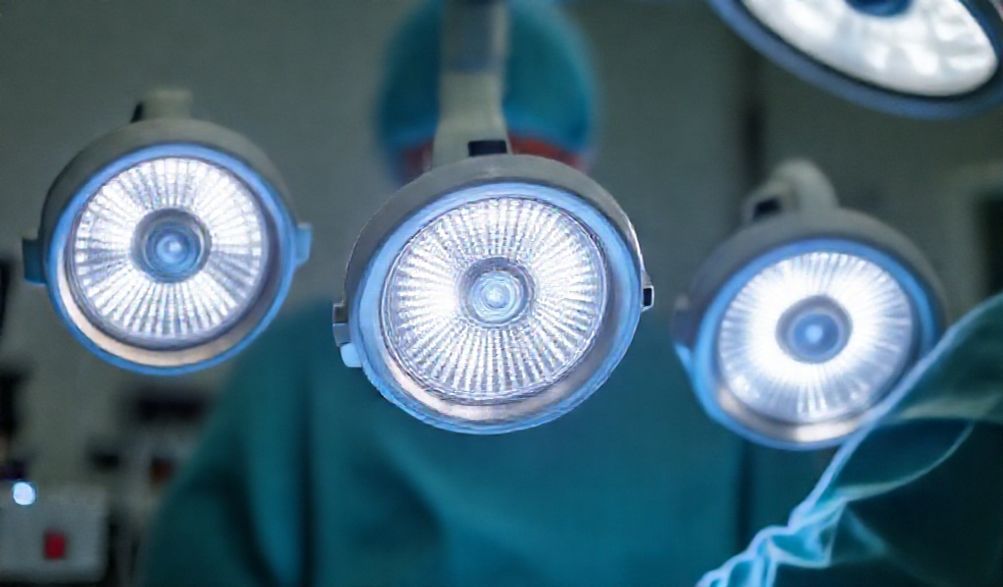
Illuminating Precision: A Comprehensive Guide to Surgical Headlights for Medical Professionals
In the high-stakes theater of the modern operating room, where millimeters matter and clarity is paramount, one tool has quietly revolutionized the surgeon’s field of view: the جراحي عام. Far more than a simple light source, these sophisticated systems are the unsung heroes of precision medicine, transforming deep cavities and intricate anatomical landscapes into well-defined, shadow-free workspaces. For surgeons, residents, and procurement specialists, navigating the array of available headlights for surgery can be daunting. This comprehensive guide cuts through the jargon to provide authoritative, evidence-based insights. We will explore the critical role of illumination, demystify the underlying technology, and offer a practical framework for selecting, using, and maintaining the system that best enhances your surgical capability and patient safety.
The Critical Role of Illumination in Modern Surgery
Beyond Basic Visibility: Enabling Precision and Minimizing Error
The primary function of any light is to illuminate, but in surgery, the requirements are exponentially more specific. Overhead OR lights provide general ambient lighting, but they create shadows from the surgeon’s head and hands and cannot effectively penetrate deep or narrow surgical sites. This is where dedicated headlights for surgery become indispensable. They deliver focused, coaxial illumination directly along the surgeon’s line of sight.
This targeted light serves several critical functions:
* Reduces Eye Strain and Fatigue: By eliminating shadows and providing consistent, high-quality light exactly where it’s needed, the surgeon’s eyes don’t have to constantly refocus or strain to discern details. This is crucial during lengthy procedures, helping to maintain concentration and fine motor control.
* Enhances Depth Perception and Tissue Differentiation: Modern systems offer high Color Rendering Index (CRI) values, meaning they reveal the true colors of tissues. This is vital for distinguishing between arterial and venous blood, identifying subtle variations in tissue health, and accurately dissecting planes—especially in specialties like plastic surgery, ENT, and microsurgery.
* Enables Minimally Invasive Techniques: In laparoscopic, endoscopic, and robotic-assisted surgeries, the surgeon’s view is already mediated through a camera. However, for open procedures or for assisting in port placement and external maneuvers, a personal headlight provides direct, unimpeded visual control that overhead systems cannot match.
Impact on Surgical Outcomes and Patient Safety
The correlation between optimal illumination and improved surgical outcomes is well-supported in clinical literature. Studies have indicated that enhanced visualization can lead to:
* Reduced Complication Rates: Clear visualization of anatomical structures minimizes the risk of iatrogenic injury to nerves, vessels, and critical tissues.
* Increased Procedural Efficiency: Surgeons spend less time maneuvering for better light or interpreting ambiguous visual cues, potentially leading to shorter operative times.
* Improved Ergonomics: A well-balanced, comfortable headlight system reduces neck strain and allows for a more neutral posture, contributing to the surgeon’s long-term physical well-being and career longevity.
In essence, a surgical headlight is not merely a convenience; it is a fundamental component of the modern surgical armamentarium that directly contributes to precision, safety, and efficiency.
Understanding Surgical Headlight Technology & Key Features
Light Source Comparison: LED vs. Halogen vs. Xenon
The heart of any جراحي عام is its light source. The evolution from halogen to xenon to LED marks a significant leap in performance and reliability.
- Halogen: The traditional option. Halogen bulbs are inexpensive upfront but produce a warm, yellowish light (around 3000-3500 Kelvin) with lower intensity. They are highly inefficient, converting most energy into heat, and have a very short lifespan (typically 50-100 hours), leading to frequent, disruptive bulb changes and higher long-term costs.
- Xenon: An improvement over halogen, xenon bulbs produce a brighter, whiter light (closer to daylight at 4500-6000K) with better color rendering. However, they share halogen’s drawbacks of significant heat generation, high power consumption, and limited lifespan (often 100-500 hours). The intense heat often requires active cooling systems.
- LED (Light Emitting Diode): The unequivocal modern standard. LED systems offer superior performance across all metrics:
- Brightness & Efficiency: Extremely high luminous efficacy (more lumens per watt).
- درجة حرارة اللون: Configurable, often offering a daylight-balanced ~4500-5500K ideal for surgery.
- Heat Output: Minimal radiant heat directed at the surgical field, virtually eliminating any risk of tissue desiccation from the light source itself.
- العمر الافتراضي: Extraordinary longevity, often rated between 20,000 to 50,000 hours—effectively the lifetime of the device.
- المتانة: Solid-state design with no fragile filament, making them resistant to shock and vibration.
For any new purchase or upgrade, LED technology represents the only evidence-based choice for performance, safety, and total cost of ownership.
Optical Systems: Focusing on Coaxial vs. Reflective Systems
How light is delivered is as important as the source itself. The optical design determines the quality of the “shadow-free” illumination.
- Reflective Systems: These use a mirror or prism mounted on the surgeon’s loupes or forehead to reflect light from a remote source (often on a headband) down the line of sight. While effective, they can sometimes create a slight “keyhole” effect and may be less efficient in light transmission.
- Coaxial Optical Systems: This is the gold standard for true shadow-free illumination. In a coaxial system, the light fibers are arranged concentrically around the surgeon’s central visual axis. This design ensures that light rays are parallel to the line of sight, illuminating every contour and crevice that the surgeon can see, effectively eliminating shadows created by instruments or hands. This results in superior depth of field and visual clarity, particularly in deep-cavity work.
Essential Ergonomics: Weight, Balance, and Comfort
A headlight is only effective if it can be worn comfortably for hours. Ergonomics are non-negotiable.
- Headband Design: Look for padded, adjustable headbands that distribute weight evenly across the cranium. Over-the-head and crown-style bands offer different balances of stability and comfort.
- Weight & Balance: The total weight of the light source, battery, and cabling is critical. Modern LED systems, with lightweight battery packs, often weigh less than 150 grams at the head. The center of gravity should be as close to the head as possible to minimize neck strain.
- Cable Management & Power: Systems are either corded (plugged into a wall console) or cordless (powered by a rechargeable battery pack worn on a belt or in a pocket). Cordless systems offer complete freedom of movement and eliminate the risk of tugging on a cable, making them the preferred choice for most dynamic surgical environments. Battery life is a key specification.
How to Choose the Right Surgical Headlight System: A Buyer’s Guide
Assessing Your Surgical Specialty’s Requirements
Different disciplines have unique visual demands. Aligning features with your practice is essential.
- Neurosurgery, Spine, and Orthopedics (Deep Cavity): Require maximum intensity (often ≥ 150,000 lux), a small, focusable spot size that can penetrate deep corridors, and high contrast. Coaxial optics are strongly preferred.
- Plastic & Reconstructive, ENT, and Maxillofacial: Prioritize exceptional color rendering (high CRI >90) and a variable, often broader, spot size for working on surfaces and within cavities. Light weight for intricate, lengthy procedures is key.
- General, Vascular, and Cardiothoracic Surgery: Need a versatile system with a good balance of intensity, field size, and maneuverability. Cordless systems are highly advantageous for moving around the operative field.
- Microsurgery & Ophthalmology: While often using microscope-integrated lights, a supplementary headlight with a very fine, focused beam can be invaluable for setup and peripheral tasks.
Evaluating Key Specifications: Lumens, Spot Size, and Battery Life
Cut through marketing terms by focusing on these core, measurable specs:
- Lumens vs. Lux: اللومن measure the total light output of the source. اللوكس measures illuminance—how much of that light lands on a surface at a specific distance (e.g., 150,000 lux at 400mm). Lux is the more clinically relevant metric for comparing the brightness at the surgical field.
- Spot Size and Depth of Field: Can the spot size be adjusted from a wide field to a focused pinpoint? What is the depth of field—the range over which the spot remains in focus? A large, adjustable depth of field is a sign of a superior optical system.
- عمر البطارية: For cordless systems, look for a rated battery life of 4-8 hours on a medium-to-high setting from a reputable lithium-ion battery. Always ensure a hot-swappable backup is available.
Budget Considerations: Cost of Ownership vs. Initial Purchase
The cheapest upfront cost is rarely the most economical. A robust إجمالي تكلفة الملكية (TCO) analysis is crucial.
- أنظمة LED: Higher initial investment, but near-zero cost for “bulbs” and minimal maintenance. Battery replacement may be needed after 3-5 years.
- Halogen/Xenon Systems: Lower sticker price, but ongoing costs for replacement bulbs (frequently), filters, and potentially cooling system maintenance are significant. Factor in the cost of OR downtime for bulb changes.
Investing in a quality LED system is an investment in reliability, performance, and long-term financial efficiency.
Best Practices for Use, Maintenance, and Sterilization
Proper Setup and Alignment for Optimal Illumination
Correct donning and adjustment are critical:
1. Secure the Headband: Position it comfortably and securely on your head.
2. Attach the Light Source: Ensure it is firmly clicked or locked into its mount.
3. محاذاة الحزمة الضوئية: Look at a fixed target (e.g., a pen tip) at your typical working distance. Adjust the angle of the light source until the bright, central “hot spot” is centered in your field of view. Fine-tune the focus to get a sharp edge to the light circle.
Cleaning, Disinfection, and Sterilization Protocols
Strict adherence to the manufacturer’s Instructions for Use (IFU) is mandatory. Protocols vary significantly by model.
* التنظيف: Wipe down non-sterile surfaces (headband, battery pack) with a hospital-grade disinfectant after each use.
* التعقيم: The light source module and/or its protective sheath often require sterilization. Most modern units are compatible with low-temperature hydrogen peroxide gas plasma (e.g., Sterrad) أو ethylene oxide (EtO) sterilization. Autoclaving (steam sterilization) is almost never approved as it will destroy sensitive electronics and optics.
* Barrier Protection: Using a single-use, transparent sterile sheath over the headlight and cable is a common and effective practice to maintain a sterile field.
Routine Maintenance and Troubleshooting Common Issues
- العناية بالبطارية: Follow charging guidelines. Do not consistently drain batteries to zero. Store in a cool, dry place.
- Cable Inspection: Regularly check cables for kinks, fraying, or damage to the insulation.
- Dimming Lights: Usually indicates a low battery. If persistent with a full charge, check cable connections. For corded models, check the power console.
- No Power: Verify all connections, ensure the battery is charged and correctly seated, and check for any tripped circuit breakers on wall consoles.
Addressing Common Concerns and Misconceptions
Debunking Myths About Heat and Tissue Damage
A persistent concern is that a bright surgical headlight could cause thermal damage to exposed tissues. With modern LED systems, this risk is negligible. Unlike halogen or xenon bulbs that emit significant infrared radiation (heat), LEDs are highly efficient and produce very little radiant heat directed at the surgical site. Any warmth felt is typically from the device housing itself, not the projected light beam. Studies have consistently shown that LED surgical illumination poses no meaningful risk of tissue desiccation or thermal injury.
Understanding Regulations and Standards (FDA, ISO)
فإن أضواء الرأس الجراحية are regulated as Class II medical devices in the United States by the Food and Drug Administration (FDA) and internationally under standards like ISO 13485 (إدارة الجودة) و IEC 60601-1 (السلامة الكهربائية). عند تقييم منتج، تأكد من حصوله على التصاريح التنظيمية اللازمة (مثل تصريح إدارة الغذاء والدواء الأمريكية 510(k)) وعلامة CE للأسواق التي تتطلب ذلك. وهذا يضمن تقييم الجهاز من حيث السلامة والأداء.
قسم الأسئلة الشائعة
س1: ما هي العمر النموذجي لبطارية مصباح جراحي لاسلكي يعمل بتقنية LED؟
ج: تقدم الأنظمة الحديثة عالية الجودة عادةً من 4 إلى 8 ساعات من التشغيل على إعداد سطوع متوسط إلى مرتفع بشحنة واحدة. ومع ذلك، يختلف العمر بناءً على إعداد الشدة المستخدم. ومن أفضل الممارسات العالمية توفر بطارية احتياطية مشحونة بالكامل للعمليات الطويلة أو غير المتوقعة.
س2: هل يمكن استخدام المصابيح الجراحية مع العدسات المكبرة؟
ج: بالتأكيد. في الواقع، غالبًا ما تُستخدم معًا. تم تصميم العديد من أنظمة المصابيح خصيصًا لـ التكامل مع العدسات المكبرة, ، باستخدام حامل قابل للطي على إطار العدسة أو محول مخصص يُثبّت بالمشبك. من الأهمية بمكان ضمان توازن الوزن الكلي وألا يحجب المصباح مجال رؤية العدسات المكبرة.
س3: كم مرة تحتاج المصابيح/وحدات LED إلى الاستبدال؟
ج: يسلط هذا الضوء على ميزة رئيسية لتقنية LED. حيث يتراوح العمر الوظيفي لوحدة LED بين 20,000 إلى 50,000 ساعة - أي عمليًا عقود من الاستخدام الجراحي العادي دون حاجة للاستبدال. في المقابل، تدوم مصابيح الهالوجين 50-100 ساعة ومصابيح الزينون 100-500 ساعة، مما يتطلب تغييرات متكررة ومكلفة.
س4: هل هناك مصابيح محددة موصى بها لجراحة التجويف العميق؟
ج: نعم. للتخصصات مثل جراحة العمود الفقري، أو جراحة الأعصاب، أو جراحة الحوض، رجّح الأنظمة ذات شدة إضاءة عالية جدًا (≥ 150,000 لوكس), ، ونظام بصري محوري لإضاءة حقيقية خالية من الظلال في الأعماق، مع القدرة على تركيز الحزمة إلى بقعة ضوئية صغيرة (مثال: 40 مم على مسافة 400 مم). تم تصميم هذه الميزات لتوفير ضوء ساطع وواضح في الممرات الجراحية الضيقة والعميقة.
س5: ما هو العامل الأهم لتقليل إجهاد عين الجراح؟
ج: العامل الأكبر هو الإضاءة الكافية والخالية من الظلال التي تتناسب مع المهمة البصرية. يحدث إجهاد العين عندما تجهد الحدقتان والعضلات الهدبية باستمرار للتعويض عن ضعف الإضاءة. لذلك، فإن المصباح الذي يوفر ضوءًا ساطعًا ومتساويًا وعالي تجسيد الألوان مباشرة على الهدف، مقترنًا بتثبيت مريح ومستقر لا يسبب إجهاد الرقبة، هو الحل الشامل لتقليل الإجهاد.
الخاتمة
إن اختيار مصباح جراحي هو قرار مصيري يتجاوز مجرد شراء معدات بسيطة. إنه استثمار في الوضوح البصري، والدقة الإجرائية، والاستدامة البيئية البشرية - وهي عوامل تؤثر مباشرة على نتائج الجراحة ورفاهية الجراح. من خلال تأسيس اختيارك على التفوق المثبت بالدليل لتقنية LED الحديثة، ومطابقة قدرات النظام بعناية - من التصميم البصري وجودة الضوء إلى بيئة العمل وعمر البطارية - مع المتطلبات المحددة لتخصصك الجراحي، فإنك تُجهز نفسك بأداة أساسية للتميز. نوصي بالاستفادة من هذا الدليل كأساس للمناقشات مع فرق الهندسة السريرية، وأخصائيي الأجهزة الطبية الموثوقين، وزملاء العمل. في المجال المضيء للجراحة الحديثة، الضوء المناسب ليس مجرد أداة؛ إنه امتداد لتركيز الجراح ومهارته، ملقياً طريقاً واضحاً نحو رعاية مثلى للمريض.
ص>