
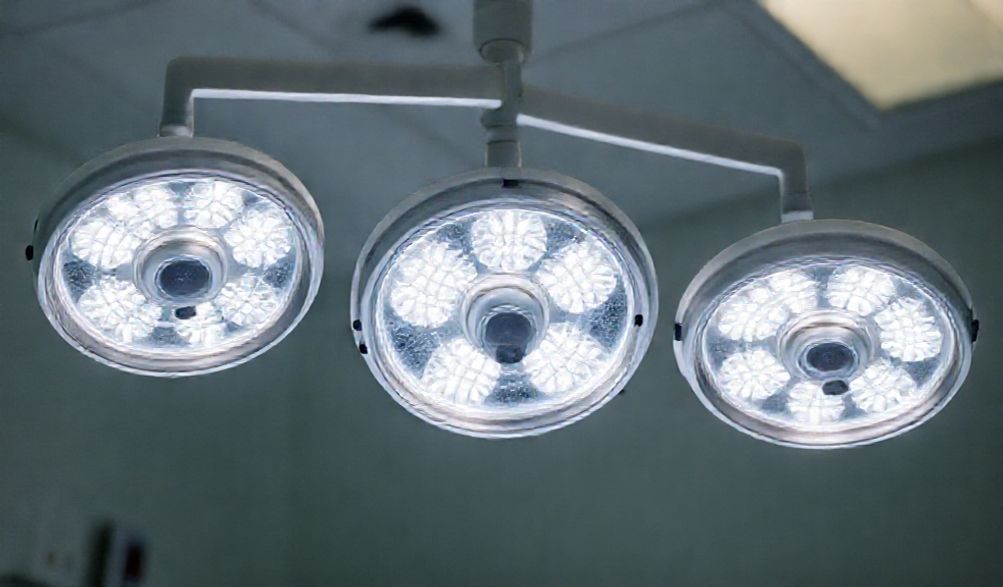
Your Complete Guide to Buying Surgical Lights for Sale: Features, Types, and Key Considerations
In the high-stakes environment of an operating room, few factors are as fundamentally critical—and yet as potentially overlooked during procurement—as illumination. The quality of light falling on the surgical field directly influences a surgeon’s ability to discern subtle tissue variations, identify critical structures, and perform with precision. It impacts the speed of procedures, reduces team fatigue, and is a cornerstone of patient safety. Choosing the right surgical lighting system is not merely an equipment purchase; it is a strategic investment in clinical outcomes, operational efficiency, and the long-term capability of your surgical suite.
This guide is designed to cut through the marketing jargon and provide a clear, detaiLED framework for evaluating surgical lights for sale. Compiled from industry specifications, procurement best practices, and an understanding of clinical needs, our aim is to empower hospital administrators, OR managers, and procurement specialists with objective knowledge. Your goals—securing value, ensuring compliance, and guaranteeing peak performance—are at the forefront. We will delve into the core technologies, compare the main types of lights, break down critical specifications, and navigate the often-overlooked aspects of the procurement process to help you make a supremely informed decision.
Understanding Surgical Lighting Technology: Core Principles
Before comparing models and prices, it’s essential to understand what makes a surgical light exceptional. Modern lights are engineered to solve specific challenges inherent to surgery: eliminating shadows, providing true color, and delivering consistent, cool illumination.
The Importance of Shadow Reduction and Homogeneity
The enemy of surgical precision is shadow. A surgeon leaning over the field must not cast a shadow that obscures the site. This is achieved through sophisticated optical design.
- Multi-Point Source vs. Single-Point Source: Modern surgical lights use a multi-point source design, where dozens to hundreds of individual LED elements are arranged in a ring or pattern. When aligned, these multiple points of light converge on the surgical field from slightly different angles. If an object (like a surgeon’s head or hand) obstructs some beams, the others fill in, dramatically reducing perceptible shadows. Older single-bulb designs cannot achieve this.
- Depth of Field and Light Field Diameter: Depth of field refers to the vertical distance over which the light remains in focus and intense. A large depth of field (e.g., 15-30 cm) is crucial, as it maintains optimal illumination even as instruments and hands move in and out of the plane of focus. The light field diameter is the adjustable size of the illuminated area. The ability to widen the field for larger incisions or focus it to a small, intense spot for deep-cavity work is a key performance feature.
Color Temperature and Color Rendering Index (CRI)
Accurate color perception is non-negotiable for differentiating between arterial blood, venous blood, fatty tissue, and organ parenchyma.
- درجة حرارة اللون: Measured in Kelvin (K), this describes the “warmth” or “coolness” of white light. Surgical lights typically operate in the 4000K to 4500K range, producing a neutral, daylight-like white that minimizes eye strain and provides a natural view of tissues.
- مؤشر تجسيد الألوان (CRI): This is arguably more important than color temperature. CRI measures a light source’s ability to reveal the true colors of objects compared to natural light. A مؤشر تجسيد لون 90 أو أعلى is the standard for surgical applications. A high CRI ensures that the subtle differences between tissue types, which can be critical for diagnosis and dissection, are visible and accurate.
LED Technology: The Modern Standard
Halogen and fluorescent surgical lights are obsolete. Light Emitting Diode (LED) technology is the universal standard, and for compelling reasons:
- Cool Light: LEDs produce minimal infrared radiation, meaning almost all their energy is converted to visible light with very little heat. This protects delicate tissues from thermal damage and keeps the surgical team more comfortable.
- Long Lifespan & Reliability: LED modules often boast lifespans of 50,000 إلى 100,000 ساعة, translating to over a decade of typical OR use. This drastically reduces the frequency and cost of bulb replacements.
- كفاءة الطاقة: LEDs consume significantly less power than older technologies, leading to substantial savings on electricity and reducing the facility’s environmental footprint.
- Heat Management: Despite their efficiency, the concentrated electronics do generate some heat. High-quality lights incorporate advanced passive or active cooling systems (like heat sinks or quiet fans) to manage this, ensuring long-term diode stability and performance.
Key Types of Surgical Lights for Sale
Surgical lighting needs vary by specialty and procedure. Understanding the primary categories will help you match the equipment to your clinical requirements.
Ceiling-Mounted Surgical Lights
The workhorse of the main operating room, these systems offer powerful, hands-free illumination.
- Overview: Permanently mounted to the OR ceiling, they provide sterile, adjustable light from above.
- Sub-types:
- Single-Arm: A single, articulated arm. Cost-effective and space-saving, but with a more limited range of motion.
- Double-Arm: The most common configuration. Features two parallel arms (symmetrical) or a primary and secondary arm (asymmetrical), offering exceptional positioning flexibility and reach.
- Multi-Arm Clusters: Two or more light heads mounted on a central column. Ideal for complex procedures (like trauma or cardiac) requiring illumination from multiple angles, or for large ORs where lights need to service multiple tables.
- Ideal For: Major operating rooms for general surgery, orthopedics, neurosurgery, and cardiovascular procedures.
Surgical Headlights and Loupe Lights
When overhead light isn’t enough, surgeons turn to personal illumination systems.
- Overview: These are lightweight, portable systems worn on the head, often integrated with surgical loupes (magnification glasses).
- Key Features: Look for adjustable brightness levels, a homogeneous light pattern, and long battery life with quick-charge capabilities. Compatibility with specific loupe frames is essential.
- Ideal For: Providing shadow-free, coaxial light (light aligned with the surgeon’s line of sight) in dental, ENT, plastic, reconstructive, and vascular surgery. They are also invaluable as a supplemental light source in any specialty when working in deep cavities.
Specialized and Hybrid Lighting Systems
Certain procedures demand tailored lighting solutions.
- Overview: This category includes lights engineered for specific clinical tasks or environments.
- Examples:
- Endoscopy Light Sources: High-intensity generators that power light cables for scopes, requiring specific color temperatures and intense output.
- Examination Lights: For minor procedure rooms, emergency departments, or ICU bays. They are less powerful than major OR lights but offer excellent maneuverability and color quality.
- Dual-Mode Lights: A hybrid light that can switch between a focused, high-intensity “procedure” mode and a wider, softer “examination” mode, offering versatility for multi-purpose rooms.
Critical Features and Specifications to Compare
With the basics understood, you can now dissect product spec sheets. Focus on these concrete metrics and features.
Performance Metrics You Can’t Ignore
These numbers define the light’s core capability.
- لوكس / لومن المخرَج: Illuminance (lux) measures light intensity on a surface. Look for specifications like “Over 160,000 lux at 1 meter.” This indicates exceptional brightness that can be dimmed as needed. Ensure the measurement is provided at a standard distance.
- Depth of Field: As defined earlier, a larger number (e.g., 25 cm) is better, indicating the light stays in focus over a greater working distance.
- Light Field Diameter: The adjustable range of the light spot, typically from a focused 10-12 cm to a wide 25-30 cm or more. Verify the intensity remains homogeneous across the entire adjustable range.
Ergonomic and Usability Features
A light that performs brilliantly in specs but is frustrating to use will be rejected by staff.
- Sterilization & Controls: Handles and control panels must be designed for easy and thorough cleaning. Touchless control (via sterile handles, voice activation, or foot pedals) is a premium feature that enhances aseptic technique.
- القدرة على المناورة: The light should move smoothly and effortlessly, staying precisely where positioned. Assess the braking system—it should hold the light head securely in place without drift. The “reach” of the arms determines how far from the ceiling mount the light can travel.
- Integration Capabilities: For modern hybrid ORs, the ability to integrate a 4K or HD camera directly into the light head is crucial. Check for standard video outputs (HDMI, SDI) and compatibility with your existing recording or streaming infrastructure.
Safety and Maintenance Specifications
Reliability is paramount in life-critical equipment.
- Backup Systems: Redundancy is key. Look for lights with multiple, independent LED banks. If one bank fails, others automatically illuminate to maintain a safe light level. Battery backup for power failure is also a critical feature.
- قابلية الصيانة: A modular design allows for quick replacement of handles, control panels, or individual LED modules without replacing the entire head. This reduces downtime and long-term costs.
- FMEA Ratings: Some manufacturers provide a Failure Mode and Effects Analysis rating. A high FMEA score indicates the product has been rigorously designed for maximum reliability and minimal risk of failure.
The Procurement Process: Beyond the Price Tag
The lowest purchase price can be the most expensive choice in the long run. A strategic procurement process looks at the bigger picture.
Navigating Regulatory Compliance and Standards
Compliance is not optional. It is the baseline for patient and staff safety.
- Essential Certifications: In the USA, surgical lights must have تصريح إدارة الغذاء والدواء الأمريكية (FDA 510(k)). In the European Union and many other markets, the علامة CE is required. The manufacturer should ideally be certified to ISO 13485, the international standard for quality management systems in medical devices.
- Safety & Performance Standards: The equipment must comply with IEC 60601-1, the general standard for the safety of medical electrical equipment, and its particular standards (like IEC 60601-2-41 for surgical lights). These standards cover electrical safety, mechanical safety, and radiation hazards.
Evaluating Total Cost of Ownership (TCO)
Smart buyers analyze costs over the asset’s entire lifecycle.
- الشراء الأولي: The invoice price.
- التثبيت: Costs for ceiling reinforcement, electrical work, and assembly.
- Operating Costs: Energy consumption (LEDs will save here).
- تكاليف الصيانة: Costs of scheduled preventive maintenance contracts, replacement parts (filters, handles), and the labor for repairs. What is the expected cost and frequency of LED module replacement?
- الضمان: A comprehensive, long warranty reduces future TCO. Compare what is included (parts, labor, travel for service techs).
Vendor Selection and Post-Sale Support
The manufacturer or distributor is your partner for the next decade.
- Clinical Evaluation: Always insist on a trial period. Install the light in a live or simulated OR environment. Have surgeons and nurses use it. Their feedback on glare, color, handling, and heat is invaluable.
- الأسئلة الداعمة الرئيسية:
- ما هو وقت الاستجابة ومنطقة التغطية لشبكة الخدمة الخاصة بك؟
- ما التدريب الذي تقدمه لفريقنا السريري والطبي الحيوي؟
- ما هو النطاق الدقيق ومدة الضمان؟ هل هو كامل أم متناسب؟
- ما هي فترة توفير قطع الغيار المضمونة بعد توقف إنتاج الموديل؟
الأسئلة المتكررة (FAQ) حول شراء أضواء العمليات الجراحية
السؤال الأول: ما هو العمر الافتراضي النموذجي لمصباح جراحي حديث يعمل بتقنية LED، وما الذي تتضمنه الصيانة؟
ج: مصابيح LED الجراحية عالية الجودة مصممة لعمر افتراضي يصل إلى 50,000 إلى 100,000 ساعة. في ظل الاستخدام العادي في غرفة العمليات، يمكن أن يعادل ذلك 10-20 سنة قبل حدوث انخفاض كبير في شدة الإضاءة. تتضمن الصيانة الروتينية بشكل أساسي التنظيف اليومي للمقابض والأسطح وفقًا لإرشادات مكافحة العدوى من الشركة المصنعة. يجب أن تتضمن الخدمة الدورية الاحترافية (غالبًا سنويًا) من قبل فني طبي حيوي فحص الأذرع الميكانيكية لضمان حركتها السلسة وتوازنها، والتحقق من السلامة الكهربائية، وتنظيف المرشحات الداخلية أو أنظمة التبريد.
السؤال الثاني: هل يمكنني دمج أضواء جراحية جديدة مع البنية التحتية الحالية لغرفة العمليات أو أنظمة الفيديو الخاصة بي؟
ج: العديد من الأضواء الحديثة مصممة مع مراعاة التكامل، حيث تتميز بمنافذ كاميرا مدمجة ومخرجات فيديو قياسية (مثل 3G-SDI أو HDMI). ومع ذلك، فإن التوافق ليس عالميًا. من الأهمية بمكان إشراك فرق تكنولوجيا المعلومات/الصوتيات والهندسة الطبية الحيوية في مرحلة مبكرة من عملية الاختيار. قدم لهم المواصفات الفنية من مورد الإضاءة لضمان التكامل السلس مع مسجلات الفيديو والشاشات والشبكة الحالية الخاصة بك.
السؤال الثالث: ما مدى أهمية الضمان، وما الذي يجب أن يشمله الضمان الشامل؟
ج: الضمان هو مؤشر حاسم لثقة الشركة المصنعة في منتجها. غالبًا ما يكون الضمان القوي من 3 إلى 5 سنوات للنظام الكامل. يجب أن يغطي الضمان الشامل الأجزاء، والعمالة، ووحدات LED بشكل كامل، دون تناسب خلال المدة. انتبه جيدًا لما هو مستثنى (مثل: الضرر الناتج عن الاستخدام غير السليم، الأجزاء التجميلية) وإجراءات طلب الخدمة.
السؤال الرابع: هل تعتبر أضواء العمليات الجراحية المجددة أو المستعملة خيارًا عمليًا؟
ج: يمكن أن توفر الأضواء المجددة توفيرًا كبيرًا في التكلفة للإعدادات ذات الحدة المنخفضة، أو معامل التدريب، أو غرف الإجراءات البسيطة. ومع ذلك، فإنها تحمل مخاطر متأصلة. إذا كنت تفكر في هذا المسار، تأكد من أن الوحدة:
1. معاد اعتمادها بالكامل من قبل شركة ذات سمعة طيبة لتلبية جميع معايير السلامة والأداء الحالية IEC 60601.
2. مزودة بوحدات LED جديدة وأجزاء حرجة معرضة للبلى.
3. تباع بسجل خدمة واضح و ضمان قوي من البائع (سنتين على الأقل 1-).
بالنسبة لأضواء غرف العمليات الرئيسية ذات المهمة الحرجة، حيث تكون الموثوقية وأحدث التقنيات في غاية الأهمية، فإن الشراء الجديد من مورد معتمد هو دائمًا المسار الموصى به تقريبًا.
الخاتمة
اختيار نظام الإضاءة الجراحية المناسب هو قرار متعدد الأوجه يتردد صداه في كل إجراء يتم تنفيذه تحته. فهو يوازن بين العلم المتطور للإضاءة الخالية من الظلال والدقيقة للألوان وبين الحقائق العملية لبيئة العمل، والبنية التحتية للمنشأة، والتخطيط المالي طويل الأجل. الخيار الأمثل ليس ببساطة الضوء الأكثر سطوعًا أو الأقل تكلفة، بل هو الذي يقدم أداءً لا يتزعزع، ويعزز سير عمل الفريق الجراحي، ويدعمه دعم موثوق وسريع الاستجابة.
بينما تمضي قدمًا، تذكر أن المقيمين الأكثر قيمة هم المستخدمون النهائيون. استشر عن كثب جراحيك، وممرضات غرفة العمليات، وقسم الهندسة الطبية الحيوية. قم بإنشاء قائمة مرجعية مفصلة للمواصفات بناءً على الميزات الموضحة في هذا الدليل. ادعُ الموردين في القائمة المختصرة لعروض توضيحية متعمقة وأصر على إجراء تقييمات سريرية. من خلال إعطاء الأولوية للقيمة الإجمالية والشراكة السريرية على سعر الشراء الأولي، ستقوم باستثمار يضيء طريقًا نحو نتائج أفضل لسنوات قادمة.
ص>