
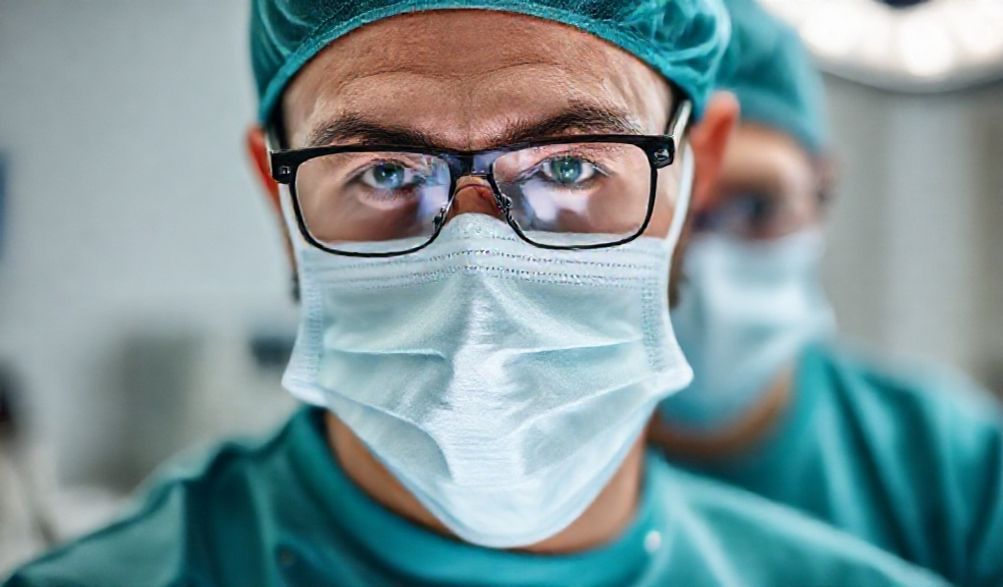
Surgeons Glasses: A Guide to Precision, Protection & Performance in the Operating Room
In the high-stakes environment of the operating room, a surgeon’s success hinges on a symphony of skill, technology, and unwavering focus. Yet, one of the most fundamental tools is often the most overlooked: clear, undistorted vision. A millimeter’s miscalculation, a moment of visual fatigue, or a sudden splash can separate a routine procedure from a critical complication. This raises a pivotal question: what specialized eyewear do surgeons rely on to ensure peak performance and safety?
This guide serves as a comprehensive, expert-driven resource for medical professionals, surgical residents, hospital procurement officers, and the curious alike. We will dissect the sophisticated technology behind surgeons glasses, moving beyond the notion of them as mere accessories to reveal their role as essential pieces of personal protective equipment (PPE) and precision optical instruments. Synthesizing insights from medical device engineering, occupational health standards, and surgical practice, we will explore the critical features—from advanced optics and ergonomic design to stringent safety protocols—that define high-performance eyewear. Whether you are researching an upgrade, specifying equipment for your institution, or seeking to understand the tools of modern surgery, this article addresses your core need: to make an informed decision about the eyewear that guards a surgeon’s most vital sense.
Why Specialized Glasses Are Non-Negotiable in Surgery
Surgeons glasses are not a matter of preference; they are a non-negotiable requirement for modern surgical practice. They bridge the gap between biological imperfection and the superhuman precision demanded in the OR, serving three interconnected master functions: enhancing vision, providing protection, and ensuring comfort.
The Critical Role of Visual Acuity and Depth Perception
Modern surgery frequently operates at the limits of human sight. In microsurgery, such as nerve repair or ophthalmology, surgeons work on structures smaller than a millimeter. In laparoscopic procedures, they navigate through a 2D screen, requiring exceptional depth perception to translate video feedback into precise, three-dimensional instrument movement.
Standard prescription glasses or low-quality safety glasses are inadequate for this task. They can introduce subtle optical distortions or chromatic aberrations (color fringing), causing eye strain, headaches, and visual fatigue over long procedures. This fatigue isn’t just an inconvenience; it can degrade fine motor control and decision-making acuity. Specialized surgical lenses are engineered to be optically neutral, providing a wide, distortion-free field of view with minimal peripheral aberration, allowing the surgeon to trust what they see implicitly.
Beyond Vision Correction: Protection from Occupational Hazards
The operating room is a uniquely hazardous environment for the eyes. Surgeons glasses act as a primary barrier against a multitude of risks:
- Splash and Fluid Exposure: They are designed to seal against the face, protecting eyes from blood, saline, irrigation fluids, and other biological materials. This is a critical infection control measure for both the surgeon and the patient.
- Airborne Particulates: Procedures like orthopedic drilling or bone cutting can aerosolize fine particles and generate tiny, high-velocity fragments. Wraparound designs with integrated side shields prevent these projectiles from entering from the sides.
- Chemical Splashes: Occasional exposure to disinfectants or other chemicals necessitates a sealed barrier.
This protective function is as much about patient safety as it is about the surgeon’s. A splash to a surgeon’s eye could force a pause in a critical procedure, compromising sterility and outcomes.
Mitigating Physical Discomfort During Long Procedures
A surgeon may be scrubbed in for hours, even tens of hours, during complex cases. Discomfort from eyewear becomes a significant distraction. Standard glasses often slip down a nose slick with perspiration, require constant adjustment, and create painful pressure points on the bridge of the nose and behind the ears. Fogging is a ubiquitous and dangerous nuisance, obscuring vision at crucial moments.
Specialized surgeons glasses are ergonomically engineered to combat these issues. A secure, comfortable fit allows the surgeon to forget they are wearing them, preserving mental bandwidth and physical stamina for the task at hand. In a field where endurance is key, comfort is a performance feature.
Key Features of High-Performance Surgical Glasses
Understanding the components of excellence demystifies the selection process. High-performance surgical eyewear is built upon three pillars: optical excellence, ergonomic design, and certified safety.
Optical Excellence: Lenses That Make the Difference
The lens is the heart of the system. Key technologies include:
- Anti-Fog Coatings: This is arguably the most important feature. Permanent, hydrophilic coatings attract moisture and spread it into a thin, transparent film rather than letting it bead into opaque droplets. Some models use dual-pane thermal lenses or integrated ventilation to manage temperature differentials. Proper care is essential to preserve these coatings.
- Anti-Reflective (AR) Coatings: Applied to both the front and back of the lens, AR coatings drastically reduce glare from the intense, focused OR lights. This minimizes eye strain and improves contrast, making it easier to distinguish subtle tissue variations.
- Lens Materials:
- Polycarbonate: The industry standard for impact resistance. It is lightweight and inherently blocks 100% of UV light.
- Trivex: Offers comparable impact resistance to polycarbonate with superior optical clarity and less internal stress, resulting in better visual acuity. It is often preferred for prescription lenses.
- Tint Options: While clear lenses are most common, specific tints serve purposes:
- Yellow/Amber: Enhances contrast in environments with artificial light, making structures “pop.” Popular in procedures involving subtle tissue differentiation.
- Light-Reducing Tints: Used in exceptionally bright settings, like those with multiple high-intensity lights.
Ergonomic Design for All-Day Wear
A perfect lens is useless if the frame is unbearable. Ergonomic design focuses on universal fit and compatibility:
- Adjustable Components: Silicone-adjustable nose pads and temple tips allow for a customized, non-slip fit that accommodates a wide variety of facial structures.
- Lightweight Materials: Advanced polymers and alloys keep weight to a minimum, eliminating pressure points during marathon procedures.
- System Compatibility: The frame must integrate seamlessly with other essential equipment. This includes:
- Surgical Loupes: The glasses should provide a stable platform for mounting magnification systems without compromising fit or field of view.
- Headlamps: The frame should not interfere with headlight bands or battery packs.
- Face Masks & Surgical Hoods: The temple arms should fit comfortably over the ears without being displaced by mask straps or bouffant caps.
معايير السلامة والنظافة
احترافية surgeons glasses هي أجهزة طبية معتمدة. تشمل المعايير الرئيسية:
- ANSI Z87.1: المعيار الأمريكي الوطني لحماية العين في المجالين المهني والتعليمي. يضمن الامتثال أن العدسات والإطار يجتازان اختبارات صارمة للصدمات عالية الكتلة والسرعة.
- مكافحة العدوى: يجب أن يكون الجهاز بأكمله سهل التنظيف والتطهير بين الاستخدامات دون الإضهاد بالطلاءات البصرية أو مواد الإطار. التصاميم السلسة الخالية من الشقوق ضرورية.
- المتانة: إنها استثمار. ابحث عن مفاصل متينة، وطلاءات مقاومة للخدش، وسمعة طويلة الأمد. تكلفة الاستبدال المتكرر تفوق بكثير السعر الأولي للنظارات المتينة.
اختيار نظارات الجراح المناسبة: قائمة مراجعة عملية
اختيار النظارات المثالية قرار شخصي ومهني. استخدم قائمة المراجعة هذه لتوجيه تقييمك.
تقييم تخصصك الجراحي الأساسي
تخصصك هو الذي يحدد احتياجاتك:
* جراحة العظام/الصدمات: الحماية القصوى من الصدمات والجسيمات هي الأهم. قد يكون التصميم الكامل الملتف الشبيه بالنظارات الواقية هو الأفضل.
* جراحة العيون/التجميلية: الوضوح البصري الفائق، والحد الأدنى من التشويه، والتوافق مع العدسات المكبرة عالية القوة هي عوامل حاسمة.
* الجراحة العامة/الأوعية الدموية: الحماية الممتادة من الرذاذ وأداء مقاومة الضباب هما الأساس، مع التركيز غالبًا على مجال رؤية واسع.
* جراحة الأسنان/الفم: ضع في الاعتبار القرب من الهباء الجوي والحاجة إلى التكامل مع عدسات الأسنان المكبرة والكشافات.
خيارات النظارات الطبية مقابل العادية (غير الطبية)
لا يحتاج الجراحون الذين يحتاجون تصحيح النظر إلى المساومة:
* العدسات الطبية المخصصة: يتم صقل العدسة بالكامل وفقًا لوصفتك الطبية، مما يوفر أوسع مجال للتصحيح. الأفضل مع مواد عالية المؤشر مثل ترايفكس للوضوح.
* الحشوات الطبية: حامل عدسات طبية منفصل يوضع داخل إطار الحماية الأساسي. هذا يسمح لك بتغيير الإطار الخارجي العادي أو لون العدسة دون إعادة صقل وصفتك الطبية، وغالبًا بتكلفة استبدال أقل.
* استشارة أخصائي: اعمل دائمًا مع أخصائي بصريات أو فني نظارات ذي خبرة في نظارات العمل والجراحة. فهم يدركون المعايير الفريدة، مثل مسافة العمل (غالبًا أطول من مسافة القراءة)، والتي تؤثر على تصميم الوصفة الطبية للنظارات متعددة البؤر أو ثنائية البؤرة.
الملاءمة والراحة والتفضيل الشخصي
الوظيفة لا تتعارض مع الشكل. الخطوة الأخيرة هي التجربة المادية:
* جرب قبل الشراء: إذا أمكن، جرب نماذج متعددة. ارتدها مع قناعك الجراحي وعدساتك المكبرة/كشافك.
* “اختبار الملاءمة”: يجب أن تشعر بأن النظارات ثابتة دون ضغط. انظر للأسفل وهز رأسك بلطف — لا يجب أن تنزلق. تأكد من أنها لا تترك فراغًا عند الصدغين أو الخدين، مما قد يقلل من الحماية من الرذاذ.
* الجماليات: لحسن الحظ، تقدم العديد من الشركات المصنعة الآن إطارات عصرية أنيقة بألوان وتصاميم متنوعة. اختيار نظارة تثق بها هو جزء مشروع من العملية.
الصيانة والعناية والاستثمار
الإدارة السليمة تطيل عمر وأداء نظاراتك surgeons glasses.
التنظيف السليم للحفاظ على الطلاءات والوضوح
العناية اليومية بسيطة لكن محددة:
1. اشطف تحت ماء الصنبور الفاتر لإزالة الحطام.
2. ضع قطرة صغيرة من منظف العدسات المصمم للبصريات المطلية (أو سائل غسيل أطباق لطيف خالي من المرطبات).
3. افرك برفق بأطراف أصابعك على جميع الأسطح.
4. اشطف جيدًا.
5. جفف بقطعة قماش ميكروفايبر نظيفة خالية من الوبر. لا تستخدم مناشف ورقية أو محارم أو قميص الجراحة أبدًا، لأنها قد تخدش الطلاءات.
6. عقم وفقًا لبروتوكول المستشفى، عادةً بمناديل معتمدة، مع التأكد من أن المحلول آمن للطلاءات البصرية. تجنب: الكحول أو الأمونيا (ويندكس) أو المذيبات القاسية، والتي يمكن أن تتلف بشكل دائم طلاءات مقاومة الضباب والمضادة للانعكاس.
العمر الافتراضي ومتى تستبدل نظاراتك الجراحية
حتى مع العناية الفائقة، للنظارات عمر افتراضي وظيفي. استبدلها عندما تلاحظ:
* خدوشًا تعترض خط رؤيتك.
* ضبابية أو تعتيم دائم لطلاء مقاومة الضباب.
* تشققات أو علامات إجهاد في العدسات أو الإطار.
* مفاصل مرتخية أو مكونات تؤثر على الملاءمة أو السلامة.
استخدام نظارات معيبة توفير زائف، يعرض رؤيتك وسلامتك وأداءك الجراحي للخطر.
فهم التكلفة مقابل القيمة
تتراوح أسعار النظارات الجراحية عالية الجودة surgeons glasses من 150 دولارًا إلى أكثر من 600 دولار للنماذج الطبية المخصصة. يعكس هذا السعر البحث والتطوير، والمواد المتقدمة، والصقل البصري، والاعتماد. لا تعتبر هذا نفقة، بل استثمار مباشر في:
* الأداء: تحسين الرؤية يقلل من الإجهاد ويعزز الدقة.
* السلامة: حماية موثوقة من الإصابات أو الأمراض التي قد تنهي المسيرة المهنية.
* طول العمر المهني: الراحة وتقليل الإجهاد يدعمان ممارسة جراحية طويلة وصحية.
يتم قياس العائد على هذا الاستثمار بآلاف الإجراءات الناجحة وممارس محمي ومرن.
الأسئلة الشائعة (FAQ) حول نظارات الجراحين
س: هل يمكنني ارتداء نظارتي الطبية العادية في غرفة العمليات؟
ج: لا. تفتقر النظارات العادية إلى الحماية الجانبية، وغير مصممة لمقاومة التناثر، وغالبًا ما تتعرض للضبابية بشكل كارثي، وعلى الأرجح لا تلبي معايير السلامة من الصدمات ANSI Z87.1. إنها تهدد سلامتك، والمجال المعقم، وأدائك البصري.
س: كيف أمنع نظارتي الجراحية من التعرض للضبابية؟
ج: ابدأ بنظارات مزودة بطلاء مضاد للضباب دائم عالي الجودة. التقنية هي أيضًا مفتاح: قم بتسخين العدسات مسبقًا تحت ماء دافئ قبل ارتداء القناع، وتأكد من أن قناعك الجراحي يحتوي على سلك ضيق لجسر الأنف، وفكر في استخدام شريط طبي لإغلاق الحافة العلوية للقناع على بشرتك، وتوجيه النفس للأسفل.
س: هل هناك نظارات جراحية أنيقة أو عصرية؟
ج: بالتأكيد. بينما تكون الوظيفة هي الأهم، تقدم الشركات المصنعة الرائدة الآن العديد من تصاميم الإطارات العصرية والألوان والتصاميم الأنيقة. يمكنك تحقيق الحماية والأداء الأمثل دون التضحية بالجماليات المهنية.
س: من المسؤول عادة عن شراء النظارات الجراحية؟
ج: تختلف السياسات. يشتري العديد من الجراحين نظاراتهم الخاصة، باعتبارها أدوات مهنية شخصية أساسية. توفر بعض المستشفيات أو الجامعات أو الممارسات الجماعية مخصصًا ماليًا، أو لديها برنامج مورد مفضل، أو تزود بها بالكامل. تحقق دائمًا من السياسة المحددة لمؤسستك.
س: هل يمكنني الحصول على نظارات ثنائية البؤرة أو متعددة البؤر في النظارات الجراحية؟
ج: نعم. تتخصص العديد من معامل البصريات في العدسات المهنية المتعددة البؤر. يمكن تصميم “الممر” الخاص بالعدسة المتعددة البؤر لمسافة العمل المتوسطة إلى البعيدة الشائعة في الجراحة (النظر من الأدوات إلى الشاشات). المقاطع الثنائية البؤرة المخصصة (مثل مقطع “القارئ” في الأسفل) هي أيضًا حل شائع وفعال.
الخاتمة
Surgeons glasses تمثل اندماجًا متطورًا بين معدات الحماية الشخصية وأداة البصريات الدقيقة. إنها أكثر بكثير من مجرد ملحق؛ فهي امتداد أساسي لقدرات الجراح، تحمي كلًا من الممارس والمريض. تقدم النظارة المناسبة عائدًا ملموسًا: أداء بصري محسن للعمل الدقيق، وحماية لا تتزعزع من المخاطر المهنية، والراحة الجسدية المطلوبة للتركيز المستمر.
كمورد خبير، يؤكد هذا الدليل أن الاختيار يجب أن يعطي الأولوية للجودة المعتمدة، والملاءمة الشخصية، والالتزام الصارم بمعايير السلامة والنظافة. نشجعك على التشاور مع الزملاء ذوي الخبرة، والجمعيات الجراحية المهنية، وموردي النظارات الطبية الموثوقين. قيم نظارتك الحالية مقابل الميزات التي تمت مناقشتها هنا. اعتبار الترقية ليس مجرد عملية شراء، بل استثمار استراتيجي في حاسة الجراحة الأكثر أهمية - البصر - هو الخطوة الأولى نحو الأداء الأمثل في غرفة العمليات.
ص>