
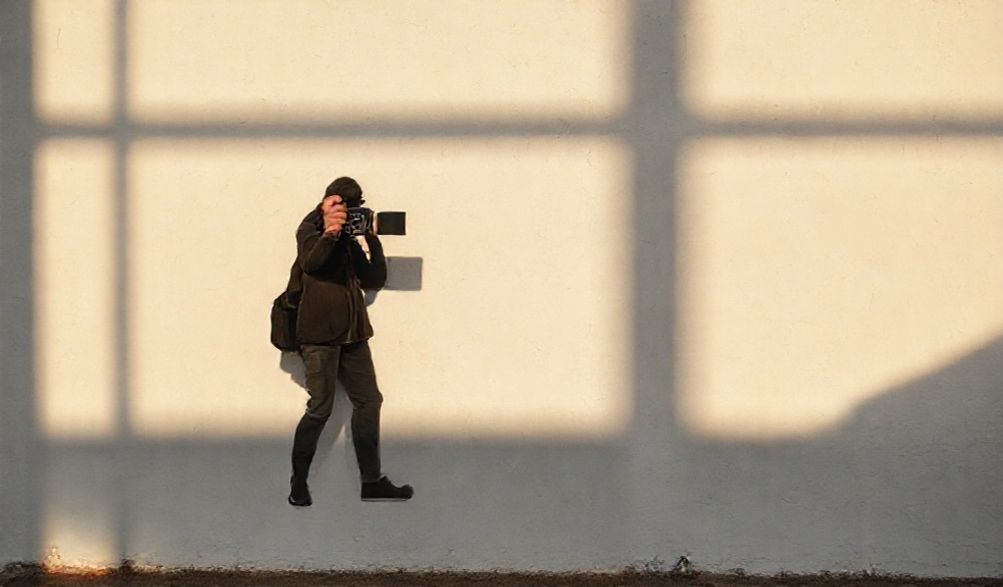
How to Take a Picture Without a Shadow: A Complete Guide for Flawless Photos
You’ve set up the perfect shot. Your product is arranged beautifully, your model is posing gracefully, or your still life composition is just right. You press the shutter, full of anticipation. But when you review the image, your heart sinks. A harsh, distracting shadow cuts across the scene, obscuring crucial details, creating unflattering contrast, and instantly making the photo look amateurish. That single shadow has stolen the focus and undermined all your effort.
This scenario is one of the most common and frustrating challenges in photography, plaguing everyone from smartphone snapshooters to seasoned professionals. Shadows can transform a potentially stunning image into a disappointing one, making subjects look muddy, details get lost, and the overall aesthetic feel unpolished.
But here’s the good news: achieving clean, shadow-free photos is not a matter of magic or exclusive, expensive gear. It’s a science—a controllable set of principles and techniques. This guide is your definitive, practical manual to demystifying light and shadow. We’ll move from core concepts to actionable methods, covering everything from simple, no-cost tricks using natural light to advanced artificial lighting setups and post-processing tweaks. Whether you’re shooting with a DSLR or a smartphone, this guide synthesizes proven principles from studio and natural light photography to give you reliable, trustworthy techniques for any skill level or budget. Let’s banish those unwanted shadows for good.
Understanding Light & Shadow: The Core Principles
Before we jump into the “how,” it’s essential to understand the “why.” Truly controlling shadows requires a basic grasp of how they are formed. This foundational knowledge will empower you to solve shadow problems creatively, not just follow steps by rote.
The Relationship Between Light Source, Subject, and Shadow
Think of light as a traveler moving in a straight line. A shadow is simply the area where an object blocks that journey. The characteristics of that shadow are dictated by a simple geometric relationship between three things: the light source, ، و subject, ، بالإضافة إلى surface the shadow falls upon (like a backdrop or table).
The key variables are:
* Size: A large light source (like a big softbox or a cloudy sky) produces softer shadows with gradual edges. A small light source (like a bare bulb or the sun on a clear day) creates hard, defined shadows.
* Distance: The closer a light source is to the subject, the larger it appears relative to the subject, resulting in softer shadows. Moving it farther away makes it appear smaller and harder.
* Angle: A light directly in front of the subject will cast a shadow directly behind it, often hidden from the camera’s view. As you move the light to the side, the shadow lengthens and becomes more visible.
Hard Shadows vs. Soft Shadows: Knowing the Difference
Not all shadows are enemies. Understanding their types helps you decide when to eliminate them and when to simply soften them.
* Hard Shadows: Have crisp, distinct edges. They are created by small, point-like light sources (e.g., camera flash, direct sun, undiffused lamp). They are high-contrast and can be dramatic but are often unflattering in portraits and distracting in product shots.
* Soft Shadows: Have blurred, gradual edges that fade gently into the highlights. They are created by large, diffuse light sources (e.g., a softbox, a window with sheer curtains, an overcast sky). They are low-contrast, flattering, and give a sense of depth without being harsh.
The goal of a “shadowless” look is often to create such soft, broad, and wraparound light that the shadows become imperceptibly faint or are filled in from other angles. For a true clinical, catalog-style image, we aim to eliminate them entirely.
Method 1: Harnessing Natural Light for Shadow-Free Photos
You don’t need a studio to start. Nature provides the most accessible and beautiful tools for softening shadows—for free.
Using Open Shade on an Overcast Day
This is the single easiest technique for shadow-free photography. An overcast sky acts as a gigantic, natural softbox. The clouds diffuse the sunlight, transforming it from a harsh, directional point source into a massive, enveloping glow.
The Pro Tip: Seek out “open shade.” This is a shaded area that is still illuminated by plenty of open sky, not deep, dark shadow. Examples include:
* The shaded side of a building (away from the direct sun).
* Under a porch or awning with a clear view of the sky.
* Under a dense tree canopy on a bright day (be mindful of dappled light).
In open shade on an overcast day, the light wraps around your subject, minimizing shadows to the point of near-elimination. It’s perfect for portraits, product photography, and detail shots.
The “Golden Hour” and Angle of Light
While golden hour (the hour after sunrise and before sunset) is famed for its warm, beautiful light, it’s not typically for eliminating shadows. Instead, it’s for controlling them beautifully. The sun is low on the horizon, creating long, soft shadows that can add depth and dimension.
The key takeaway here is what to AVOID: Midday sun. When the sun is directly overhead, it creates small, hard shadows that fall directly downward—often under the eyes, nose, and chin in portraits, creating unflattering “raccoon eyes.” This is the most challenging natural light for a shadow-free look. If you must shoot at midday, find open shade immediately.
Method 2: DIY and Low-Cost Lighting Setups
For more control indoors or on demand, you can create your own shadow-minimizing environments with simple, affordable materials.
Creating a Simple Light Tent or Bounce Environment
A light tent surrounds your subject with diffuse, reflected light, effectively eliminating directional shadows. You can buy one, or make an excellent version in minutes.
DIY Light Tent Guide:
1. Get a cardboard box and cut out the left, right, and top panels, leaving the back and bottom intact.
2. Line the inside with white poster board or matte white paper.
3. Cover the open sides with a diffusion material like white tissue paper, tracing paper, or a thin white bed sheet.
4. Place your subject inside on the white bottom.
5. Shine lights (desk lamps, flashlights, etc.) through the diffused sides. The white interior will bounce the light around endlessly, creating a virtually shadowless environment perfect for small product photography.
The Power of Reflectors and Bounce Cards
A reflector is nothing more than a surface that bounces existing light back onto your subject. It’s the most effective tool for “filling in” shadows without eliminating the natural shape of your subject.
How to use it:
* Identify your main light source (a window, the sun, a lamp).
* Position your subject so the main light is hitting one side.
* Place a white reflector (foam core board, a large white poster, a professional collapsible disc) on the opposite side of the subject, angled to bounce the main light back into the shadow areas.
* Experiment with distance: Moving the reflector closer will throw more light, brighterening shadows more aggressively.
This “fill light” from the reflector reduces shadow density and contrast, giving you a much cleaner, more balanced image.
Method 3: Using Artificial Lighting for Full Control
When you need consistent, professional, and completely controllable results, artificial lighting is the answer. This is where you can achieve true, repeatable shadowless photography.
The Two-Light Setup: Key Light and Fill Light
This is the foundational studio lighting setup for controlled shadow reduction.
* Key Light: This is your main light, placed at about a 45-degree angle to the subject and camera. It defines the shape and form.
* Fill Light: This is a second, softer light placed on the opposite side, also at roughly 45 degrees. Its purpose is specifically to illuminate the shadows created by the key light. It should be less powerful (or placed farther away/diffused more) than the key light to maintain some natural modeling.
By balancing the power of these two lights, you can dial in exactly how soft or visible you want the shadows to be, right down to eliminating them.
Achieving True Shadowless Lighting with a Lightbox or Softbox
For the most effective shadow elimination, you need a large, diffuse light source. Enter the softbox. A softbox fits over a strobe or continuous light and creates a big, bright, even panel of light. Because it’s large relative to the subject, the light wraps around edges, softening shadows dramatically.
The Pro Technique: Broad Lighting.
Position your subject so that the side of their face or object facing the camera is the one most directly illuminated by your large softbox. This “broad” side is brightly lit, while the shadow falls on the far side, away from the camera’s view. From the camera’s perspective, the subject appears shadowless.
Advanced Technique: Using a Backdrop and Overhead Lighting
This is a classic technique for creating a pure white, shadowless backdrop, often used for product catalogs or headshots.
1. Use a white backdrop (seamless paper or a white wall).
2. Place your subject several feet in front of it. This distance is crucial.
3. Light the backdrop separately. Use one or two lights pointed directly at the backdrop to overexpose it to pure white.
4. Light the subject from the front and slightly above, using a large softbox or umbrella. Because the subject is away from the backdrop, its shadow falls on the floor behind it, not on the brightly lit backdrop itself.
The result is a perfectly clean, white background with a well-lit, shadow-minimized subject.
Method 4: Post-Processing Techniques to Remove Shadows
While it’s always best to get it right in-camera, software can be a powerful ally for cleaning up persistent shadows. Use these techniques as a fix, not a primary strategy.
Basic Adjustments: Exposure, Highlights, and Shadows Sliders
In Lightroom, Photoshop Camera Raw, or even free apps like Snapseed, you have powerful global tools.
* Shadows Slider: This is your first stop. Dragging it to the right will selectively brighten the darker areas of your image, lifting shadow detail. Use it gently.
* Exposure Slider: A slight global increase can help, but be careful not to overexpose your highlights.
* Highlights Slider: You may need to pull this down slightly to recover detail if your highlights blow out when you lift the shadows.
⚠️ Caution: Aggressively lifting shadows can introduce digital noise (grainy speckles) and create a flat, unnatural HDR-like look. The goal is subtlety.
Advanced Editing: Cloning, Healing, and Dodge Tools
For removing specific, localized shadow artifacts (like a dark spot on a product or a harsh nose shadow), you’ll need to go pixel-by-pixel.
* Clone Stamp & Healing Brush (Photoshop, Affinity Photo, GIMP): These tools allow you to sample a clean area of your image and paint it over the shadow. The Healing Brush is often smarter, blending textures seamlessly.
* Dodge Tool: This tool selectively lightens the areas you paint over. Set it to target “Shadows” and use a very low opacity (5-10%) for a gradual, natural effect.
Remember, this is meticulous, time-consuming work best suited for final polish on an otherwise well-lit image.
الأسئلة المتكررة (FAQ)
Q: What is the easiest way to take a picture without a shadow?
ج: For most people, the simplest and most effective method requiring no gear is to use natural light on a uniformly overcast day or in “open shade.” The diffuse light source does most of the work for you.
Q: Can I take a shadowless picture with just my phone’s flash?
ج: Direct on-camera flash is one of the worst culprits for creating harsh, ugly shadows directly behind your subject. We do not recommend it for this goal. Instead, use ambient light and a DIY bounce card (like a piece of white paper) to reflect your phone’s screen brightness onto your subject.
Q: Do I need expensive equipment to eliminate shadows?
ج: Not at all. While professional softboxes and strobes offer the most control, excellent results can be achieved with household items. White poster board for reflectors, a white bed sheet for diffusion, and a couple of bright, cool-white LED desk lamps positioned correctly can create a highly effective low-budget studio.
Q: Is a completely shadowless photo always better?
ج: No, absolutely not. Shadows are not inherently bad; they provide depth, dimension, texture, and mood. A completely flat, shadowless image can look sterile and two-dimensional. The goal for most photography is to control الظلال - لجعلها ناعمة، مُشجِّعة، ومقصودة. تقنية “الخالية من الظلال” هي أداة محددة عندما تحتاج إلى مظهر سريري، أو نمط كتالوج، أو مظهر جرافيكي نقي.
الخاتمة
التقاط صورة بدون ظل هو رحلة تبدأ من فهم المبادئ الأساسية إلى تطبيق التقنيات العملية. لقد استكشفنا كيفية استخدام "صندوق الإضاءة الناعم" الطبيعي في الأيام الغائمة، وكيفية تصميم حلول مُعدّة ذاتيًا باستخدام العواكس وخيام الإضاءة، وكيفية تحقيق سيطرة كاملة باستخدام الإضاءة الرئيسية والمساندة الاصطناعية، وكيفية إجراء تنظيف دقيق في مرحلة ما بعد المعالجة.
المبدأ الأساسي الذي يوحد كل هذه الطرق هو نشر الضوء وعكسه ليلف موضوعك من زوايا متعددة، مما يملأ المناطق التي كانت ستكون مظلمة بشكل فعال. ابدأ بأبسط طريقة - ابحث عن ظل مفتوح - ولاحظ جودة الضوء. ثم جرب استخدام عاكس محلي الصنع. مع تطور مهاراتك، ستتعلم كيفية تشكيل الضوء تمامًا وفقًا لرؤيتك.
تذكر أن الملاحظة والممارسة هما أداتك الأكثر قيمة. طريق الصور المثالية مُعبَّد بالتجريب. نحن ملتزمون بتزويدك بنصائح واضحة، موثوقة، وقابلة للتطبيق لتوجيه رحلتك في التصوير في كل خطوة على الطريق.
ص>