
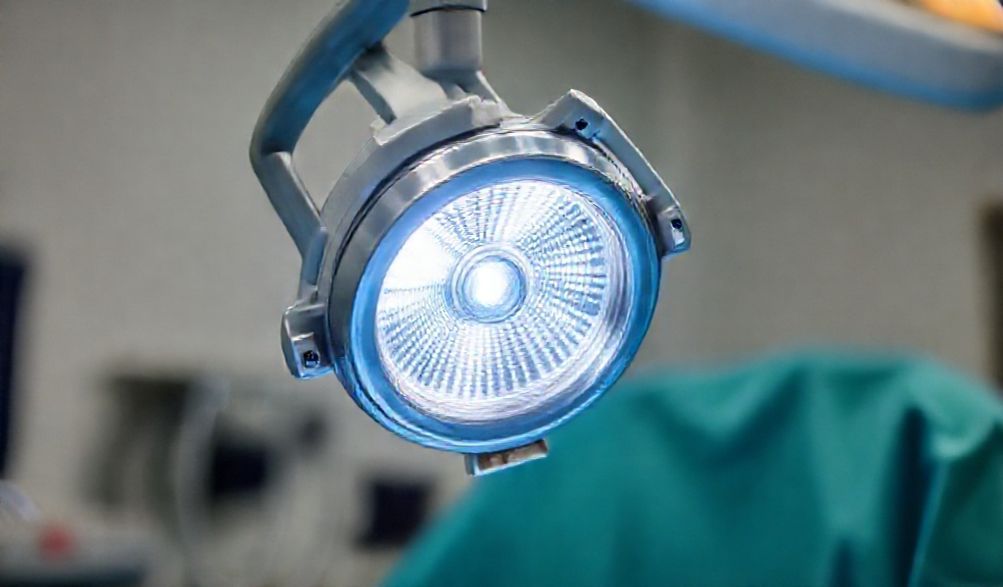
Choosing the Best Surgical Headlight: A Surgeon’s Guide to Enhanced Precision and Comfort
In the high-stakes environment of the operating room, where millimeters can define outcomes, one factor is foundational yet often under-optimized: illumination. Studies suggest that up to 30% of a surgeon’s operative time can be spent managing inadequate visualization, a challenge that directly correlates with increased cognitive load and fatigue. Poor lighting isn’t merely an inconvenience; it’s a critical variable that can lead to procedural delays, heightened surgeon strain, and, most importantly, can subtly impact the margin of safety for the patient.
The consequences of suboptimal lighting are tangible—eye strain that shortens a surgeon’s effective operating time, shadows that obscure vital anatomy, and color distortion that can complicate tissue differentiation. This guide exists to move beyond that compromise. Its purpose is to provide a comprehensive, evidence-based framework to help surgeons, dentists, and procedural specialists select the optimal جراحي عام system. We will dissect the critical features, from ergonomic design to the physics of light quality, synthesizing technical specifications with practical, real-world surgical experience. At its core, this guide operates on a principle aligned with Google’s E-E-A-T (Experience, Expertise, Authoritativeness, Trustworthiness) standards: the best choice balances cutting-edge technology with the human factors of surgeon comfort and well-being, ensuring both procedural efficacy and long-term professional health.
Why Surgical Headlight Quality is Non-Negotiable
A surgical headlight is not merely a wearable flashlight; it is a fundamental extension of a surgeon’s senses. Investing in a superior system is an investment in precision, personal health, and operating room efficiency.
The Direct Impact on Surgical Precision and Outcomes
The primary mandate of any surgical light is to enable the surgeon to see clearly. This involves more than just brightness. Superior headlights enhance depth perception and drastically reduce obstructive shadows cast by the surgeon’s own hands and instruments, providing a consistently clear view of the surgical field. Crucially, they offer high مؤشر تجسيد اللون (CRI)—a measure of how accurately a light source reveals the true colors of objects compared to natural light. A CRI of 90+ is essential for distinguishing subtle differences between tissue types, identifying vasculature, and recognizing pathological changes. This level of visual fidelity is directly linked to more precise dissection, reduced error rates, and ultimately, superior patient outcomes. In essence, what you see directly dictates what you can safely do.
Protecting Surgeon Health: Ergonomics and Fatigue Prevention
Surgical procedures are marathons, not sprints. A headlight that is poorly balanced or excessively heavy becomes a source of chronic neck and back strain, contributing to musculoskeletal disorders that can shorten a surgeon’s career. Modern, ergonomic designs prioritize lightweight materials and intelligent weight distribution—often placing the battery pack at the back of the head as a counterbalance. Furthermore, adjustable brightness is key to preventing eye strain. The ability to dial down the intensity during less critical moments or when reflecting off highly vascular tissue helps maintain visual comfort and focus throughout lengthy operations, preserving the surgeon’s most vital tool: their sustained concentration.
Efficiency in the Operating Room
The operating room thrives on streamlined workflows. A reliable surgical headlight system minimizes friction. Cordless models eliminate the trip hazard and tether of a cord, granting the surgeon complete, unencumbered mobility. Features like instant-on functionality, memory settings for preferred brightness, and easy, tool-free adjustments mean the surgeon spends less time fidgeting with equipment and more time focused on the procedure. In a setting where every minute counts, a predictable and user-friendly headlight contributes to a smoother, more efficient surgical flow.
Key Features to Evaluate in a Surgical Headlight
Navigating the specifications of surgical headlights requires understanding a few key performance indicators. Here’s what to scrutinize.
Light Source Technology: LED vs. Halogen/Xenon
This is the most significant technological divide. Halogen and Xenon bulbs were once the standard, producing a very bright, warm light. However, they generate significant heat, have a short lifespan (often 50-100 hours), and are less energy-efficient.
LED (Light Emitting Diode) technology is now the unequivocal modern standard. LEDs offer a cool, white light with exceptional CRI, generate minimal heat (reducing patient tissue drying and surgeon discomfort), and are vastly more energy-efficient. Their lifespan can exceed 50,000 hours, effectively making them a “buy-it-for-life” component. For any new purchase, an LED-based system is the only recommended choice.
Understanding Lumens, Lux, and Beam Characteristics
- Lumens: Measures the total amount of visible light emitted by the source. Think of it as the “water flow” from a hose. More lumens mean a brighter light overall.
- Lux: Measures the intensity of light falling on a surface (illuminance). This is the crucial metric for surgeons. It’s like the “water pressure” at the surgical field. For most procedures, a range of 40,000 to 200,000+ lux at a typical working distance is targeted.
- Beam Characteristics: This includes the حجم البقعة الضوئية (قطر الضوء المركز) و عمق المجال. تتطلب الجراحة المجهرية بقعة صغيرة ومكثفة. بينما تستفيد الجراحة العامة من مجال أوسع وأكثر انتشاراً أو أنظمة ذات بؤرة قابلة للتعديل.
نظام الطاقة ومدة التشغيل: السلكية مقابل اللاسلكية
- الأنظمة السلكية: توفر وقت تشغيل غير محدود, ، وهو أمر مفيد للإجراءات الطويلة والمخطط لها بشكل استثنائي. الجانب السلبي هو السلك المادي، الذي يمكن أن يحد من الحركة ويشكل خطر تلوث أو تعثر.
- الأنظمة اللاسلكية: توفر حرية حركة كاملة وهي الخيار المفضل لمعظم غرف العمليات الحديثة. نقاط التقييم الحرجة هي عمر البطارية (عادة 3-8+ ساعات في الشحنة الواحدة)،, وقت الشحن, ، وتوفر نظام بطارية قابلة للتبديل الساخن. بالنسبة للعمليات الجراحية التي قد تتجاوز عمر بطارية واحدة، فإن النظام الذي يسمح بالتبديل في 10 ثوانٍ دون انقطاع الطاقة أمر ضروري.
تصميم الراحة والقابلية للارتداء
إذا لم يكن مريحاً، فلن ترتديه بشكل صحيح. الجوانب الرئيسية تشمل:
* عصابة الرأس: ابحث عن مواد صحية طاردة للرطوبة (غالباً من السيليكون أو الرغوة المبطنة) يسهل تنظيفها أو تعقيمها. يجب أن تكون قابلة للتعديل بالكامل لتحقيق ملاءمة آمنة ومستقرة دون ضغط مفرط.
* توزيع الوزن: يجب أن يشعر النظام بأنه متوازن على رأسك. تعمل البطارية المثبتة في الخلف كثقل مقابل مصدر الضوء الأمامي.
* التوافق: تأكد من أن النظام يتكامل بسلاسة مع عدسات التكبير الجراحية ولا يتعارض مع قناعك الجراحي أو نظاراتك. تقدم العديد من الموديلات أذرع محورية وحوامل قابلة للتعديل لهذا الغرض.
أهم الاعتبارات للمصباح الجراحي الرأسي حسب التخصص
بينما يمكن لمصباح رأسي متعدد الاستخدامات أن يخدم أغراضاً عديدة، فإن تخصصات معينة لها متطلبات أعلى.
للجراحة المجهرية وجراحة الأعصاب
تتطلب هذه المجالات ذروة الأداء البصري. يتم إعطاء الأولية لـ إخراج شدة إضاءة عالي للغاية (غالباً يتجاوز 200,000 لوكس) لإضاءة التجاويف العميقة والضيقة. إن حجم بقعة صغير ودقيق مع عمق مجال طويل و وإضاءة خالية من الظلال عملياً (غالباً ما تتحقق عبر أنظمة الإضاءة المحورية) أمر بالغ الأهمية للعمل تحت التكبير العالي.
لطب الأسنان وجراحة الفم
بيئة العمل والتكامل لهما الأهمية القصوى. غالباً ما يعمل أطباء الأسنان في وضعية الجلوس مع حركات رأس متكررة، لذا فإن تصميم خفيف الوزن للغاية أمر حاسم لمنع التعب. يجب أن يتكامل المصباح الرأسي بسلاسة مع عدسات طب الأسنان, ، عادةً عبر حامل مخصص على إطار العدسة نفسها. كما يتم تخصيص زاوية الشعاع ومسافة العمل لتجويف الفم.
للجراحة العامة والتجميلية والعظام
تعدد الاستخدامات هو المفتاح. يستفيد الجراحون في هذه المجالات من الأنظمة التي توفر نطاقاً من أحجام البقعة الضوئية—من شعاع مركز لعمل التجويف العميق إلى شعاع أوسع للمساحات السطحية الكبيرة مثل البطن أو الطرف. المتانة و وسهولة التنظيف هما أيضاً عاملان رئيسيان، نظراً لتنوع الإجراءات والتعرض للسوائل. غالباً ما يكون النظام اللاسلكي القوي والموثوق مع عمر بطارية جيد هو الحصان العمل المثالي.
كيفية اختيار وتنفيذ نظامك
التجربة والتقييم: الخطوة الأكثر أهمية
لا تشتري مصباحاً جراحياً رأسياً بناءً على المواصفات وحدها أبداً. التجربة العملية والشخصية غير قابلة للتفاوض. اطلب وحدة تجريبية وارتديها لفترة ممتدة (30-60 دقيقة) في بيئة تحاكي وضعيتك. اختبر آليات التعديل، وضوابط السطوع، والتوازن. هل تشعر بأنه آمن دون أن يكون قمعياً؟ هل يمكنك بسهولة تحقيق التركيز المطلوب؟ هذا الاختبار العملي أكثر قيمة من أي كتيب.
Balancing Budget with Long-Term Value
Consider the إجمالي تكلفة الملكية (TCO), not just the sticker price. An LED headlight has a higher upfront cost but eliminates bulb replacement fees. Compare warranty lengths (2-3 years on the light, 1 year on batteries is standard for quality brands). Factor in the cost of additional batteries or charging stations. A slightly more expensive, reliable system from a reputable manufacturer with strong service support will almost always provide better long-term value than a cheaper, unproven alternative.
Maintenance and Sterilization Protocols
Proper care ensures performance and longevity. Always follow the manufacturer’s specific guidelines. Typically, the lightweight headband can be wiped down with hospital-grade disinfectant wipes or removed for low-temperature sterilization. The light source module and cable (if corded) should be carefully cleaned with approved agents, avoiding moisture ingress into electrical components. Never autoclave components unless explicitly stated as safe to do so. Establishing a simple, consistent cleaning routine post-procedure is essential.
الأسئلة المتكررة (FAQ)
س: ما هو العمر الافتراضي النموذجي لبطارية مصباح الرأس الجراحي اللاسلكي؟
ج: Battery life varies significantly by model and the brightness setting used. Modern LED systems typically offer between 3 to 8+ hours on a single full charge. For lengthy or back-to-back procedures, investing in a system with hot-swappable batteries is highly recommended.
Q: Can I use my surgical headlight with magnification loupes?
ج: Absolutely, and most high-quality systems are designed with this in mind. The key is compatibility. Look for headlights with adjustable, articulating arms or specific mounting brackets that attach directly to your loupe frame. It is essential to test the combined setup for comfort and balance.
س: ما مدى أهمية مؤشر تجسيد اللون (CRI)؟
ج: في غاية الأهمية. المصباح الطبي يعتبر مؤشر CRI بقيمة 90 أو أعلى is considered excellent for surgical applications. High CRI light closely mimics natural sunlight, allowing for the most accurate differentiation of tissue types, identification of subtle inflammation, and clear visualization of vasculature, which is critical for precise and safe dissection.
Q: Are there lightweight options for surgeons who wear glasses?
ج: Yes. Many models are designed to accommodate eyeglasses. Features to look for include an adjustable, wide headband that sits comfortably over glasses arms, and a light source that can be positioned to project light around your lenses. Some systems can also be mounted onto prescription safety glasses frames.
س: ما الضمان الذي يجب أن أتوقعه؟
ج: Reputable manufacturers stand behind their products. A strong warranty typically includes 2-3 سنوات on the headlight unit itself and 1 year on the batteries. A comprehensive warranty is a strong indicator of the manufacturer’s confidence in the durability and reliability of their system.
الخاتمة
اختيار أفضل مصباح جراحي is a decision that transcends simple equipment procurement. It is an investment in the fundamental triad of modern surgery: enhanced precision for the patient, sustained الراحة and health for the surgeon, and improved efficiency for the operating room. The optimal choice is not a one-size-fits-all solution but a careful balance of superior light quality (prioritizing high CRI and appropriate intensity), uncompromising ergonomic design, utter system reliability, ، و specialty-specific functionality.
As a final, critical step that reinforces the principles of expertise and trustworthiness, we strongly advise consulting with experienced colleagues and arranging professional trials with certified medical equipment specialists. Test the systems in context. Your headlight is a primary tool of your craft—choosing wisely safeguards your most valuable professional assets: your skill, your physical well-being, and your commitment to optimal patient outcomes.
ص>