
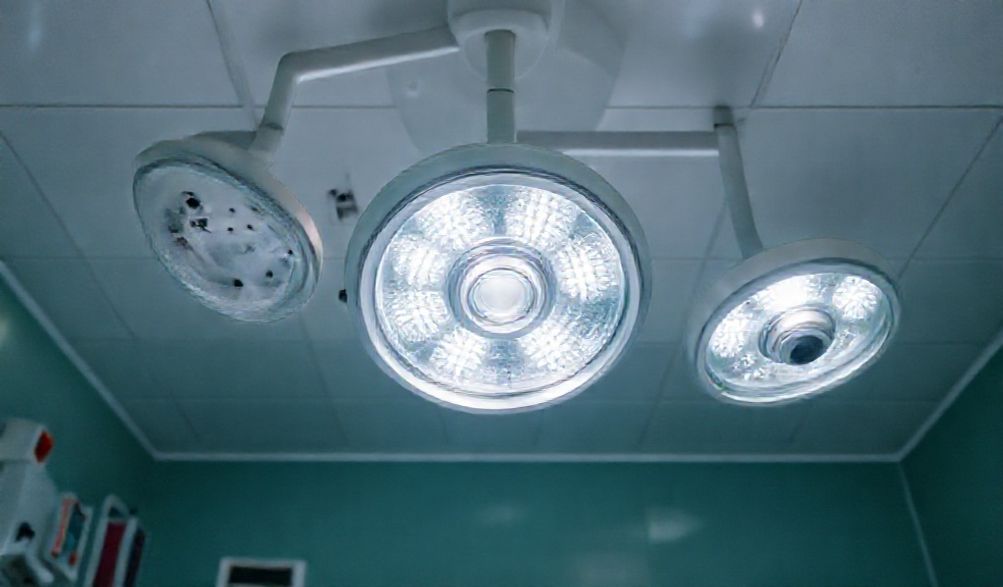
Clinical Lighting in Hospitals: Enhancing Patient Outcomes & Healthcare Efficiency
In the high-stakes environment of a hospital, every detail matters. From advanced imaging equipment to sterile surgical instruments, technology is harnessed to promote healing. Yet, one of the most pervasive and powerful tools is often overlooked: light. Far beyond the basic necessity of visibility, lighting in healthcare settings is a critical environmental factor that directly influences human biology, performance, and psychology. Modern معايير is no longer just about illuminating a room; it is a sophisticated, evidence-based therapeutic instrument that impacts patient recovery rates, staff accuracy and well-being, safety protocols, and overall operational efficiency. This comprehensive guide is designed for healthcare administrators, facility managers, clinical staff, and designers, synthesizing insights from peer-reviewed studies, lighting engineering standards, and healthcare design best practices to explore the transformative power of intentional معايير.
The Science Behind Clinical Lighting: More Than Just Illumination
To appreciate the value of advanced معايير, one must first understand the profound ways light interacts with the human body and mind. It is a fundamental biological signal, not merely a visual aid.
Circadian Rhythms and Human Centric Lighting (HCL)
At the core of modern معايير design is an understanding of circadian rhythms—our internal, roughly 24-hour biological clock that regulates sleep-wake cycles, hormone release (like melatonin and cortisol), body temperature, and other vital functions. This rhythm is primarily synchronized by light entering our eyes.
- The Biological Mechanism: Specialized photoreceptors in the retina, distinct from those used for vision, are exquisitely sensitive to short-wavelength (blue) light. Exposure to bright, blue-rich light during the day suppresses melatonin (the sleep hormone) and promotes alertness and elevated mood. Conversely, dim, blue-depleted light in the evening allows melatonin to rise, preparing the body for rest.
- What is Human Centric Lighting (HCL)? HCL is an approach that uses artificial lighting to mimic the dynamic spectral and intensity changes of natural daylight. A true HCL system can automatically adjust its color temperature (from cool, energizing white to warm, relaxing white) and intensity throughout the day to support natural circadian entrainment.
- Evidence in Healthcare: Studies have demonstrated tangible benefits. For example, research on ICU and Alzheimer’s patients has shown that exposure to circadian-effective lighting can lead to more consolidated sleep, reduced agitation, and alleviation of depressive symptoms. For staff working long, irregular shifts, HCL can help mitigate circadian disruption, improving alertness and reducing fatigue.
Visual Performance for Medical Staff
Healthcare professionals perform visually demanding tasks where precision is paramount. Inadequate معايير can lead to eye strain, headaches, and—most critically—increased risk of error.
- Task-Based Requirements: Lighting needs vary dramatically by location. Reading a patient chart requires about 300 lux, while an intricate surgical procedure may demand over 100,000 lux of shadow-free illumination. Clinical lighting standards specify appropriate illuminance levels for every area.
- Critical Metrics:
- Illuminance (lux): The amount of light falling on a surface. Sufficient levels are crucial for accuracy.
- مؤشر تجسيد الألوان (CRI): A measure of a light source’s ability to reveal the true colors of objects. A high CRI (90+) is essential in areas like dermatology, post-op observation (assessing skin pallor or cyanosis), and pathology.
- Glare Control: Uncontrolled brightness causes visual discomfort and disability. Proper معايير design uses indirect techniques, baffles, and appropriate luminaire placement to minimize glare, especially for bedridden patients and staff at computer stations.
- The Safety Link: Optimal visual conditions enable staff to work more efficiently and with greater confidence, directly contributing to patient safety by reducing misreads, medication errors, and procedural mistakes.
Psychological and Behavioral Effects
Lighting profoundly shapes our emotional experience of a space. In a hospital, where stress and anxiety are high, this psychological impact is a key therapeutic consideration.
- Mood and Anxiety: Harsh, flickering, or overly cool fluorescent lighting can increase perceived stress and anxiety in patients and visitors. Softer, warmer, and dimmable lighting in patient rooms can create a more calming, residential, and less institutional atmosphere.
- Spatial Orientation and Wayfinding: Poorly lit, uniform corridors can be disorienting. Strategic معايير can be used to guide movement, highlight destinations (like nurse stations or exits), and create visual landmarks, reducing confusion and stress for patients and visitors navigating a complex facility.
- Perception of Care: A well-lit, comfortable environment subconsciously communicates competence, cleanliness, and attentiveness, enhancing the overall patient experience and perception of care quality.
Key Applications of Specialized Clinical Lighting
The principles of معايير are applied differently across the diverse zones of a hospital, each with unique functional and human needs.
Patient Room Lighting Systems
The patient room is a sanctuary for healing, requiring a layered lighting approach that balances clinical function with patient comfort and control.
- Layered Design:
- Ambient/General Lighting: Provides overall, low-glare illumination, often indirect.
- Task Lighting: Dedicated, focused light for reading or writing, controllable by the patient.
- Examination Lighting: A high-output, high-CRI light for clinical assessments, typically controlled by staff.
- Night Lighting: Very low-level, warm-toned lighting for safe navigation without disrupting sleep.
- Patient Autonomy: Giving patients control over their ambient light intensity and, where possible, color temperature empowers them and can improve their sense of well-being and sleep quality.
Surgical & Procedure Lighting
The operating theater demands the pinnacle of معايير technology. Surgical luminaires are highly engineered tools.
- Technical Imperatives: The primary goals are extreme shadow reduction and deep-cavity illumination. This is achieved through multiple light sources (LED arrays) and sophisticated optics. Luminaries must be easily maneuverable, maintain sterile fields, and be made of cleanable materials.
- The LED Advantage: LED technology has revolutionized surgical lighting. LEDs provide brilliant, color-accurate light with minimal radiant heat (reducing tissue drying and surgeon discomfort), exceptional energy efficiency, and long lifespans, reducing maintenance interruptions in critical areas.
Diagnostic and Examination Areas
Accuracy in diagnosis hinges on visual clarity, making lighting specifications here non-negotiable.
- Radiology Viewing Rooms: Require extremely consistent, low-ambient, DICOM-standardized lighting to ensure radiologists can perceive subtle contrasts in medical images without external visual interference.
- Specialty Examinations: In dermatology or wound care, high-CRI (>90) lighting is essential for accurate assessment of skin tone, rash morphology, and tissue viability. Ophthalmology suites require adjustable, glare-free systems for patient comfort during exams.
Common and Public Areas
Clinical lighting principles extend to all spaces, impacting efficiency and experience.
- Wayfinding: Lighting can be used architecturally to define pathways, highlight information desks, and create a intuitive flow through lobbies and corridors, reducing anxiety for visitors.
- Staff Support Areas: Lighting in nurse stations should support alertness and charting accuracy. Conversely, break rooms and on-call rooms can benefit from warmer, dimmable lighting to promote genuine relaxation and recovery for staff during breaks.
Implementing a Clinical Lighting Strategy: A Practical Guide
Transitioning to an advanced معايير system requires careful planning grounded in core principles and smart technology choices.
Core Design Principles and Standards
A successful strategy is built on a foundation of established guidelines and holistic principles.
- Relevant Standards: Design should adhere to guidelines from the Illuminating Engineering Society (IES), International Electrotechnical Commission (IEC), and local healthcare facility codes, which specify minimum requirements for illuminance, glare, and emergency lighting.
- Guiding Principles:
- المرونة: Lighting should adapt to different tasks, times of day, and occupant needs.
- Hygiene: Fixtures must support infection control protocols.
- السلامة: Ensure safe navigation and eliminate hazards (e.g., flicker, overheating).
- الكفاءة: Maximize energy performance and sustainability.
Technology Choices: LED, Tunable White, and Controls
The technological backbone of modern معايير is a combination of advanced light sources and intelligent controls.
- LEDs: The universal choice due to their high efficacy (lumens per watt), long lifespan (50,000+ hours), durability, and instant-on capability. Their digital nature makes them ideal for integration with control systems.
- Tunable White Systems: These LED systems can automatically or manually vary their correlated color temperature (CCT), typically from 2700K (warm) to 6500K (cool daylight), to deliver prescribed HCL sequences that support circadian health for patients and staff.
- Smart Sensors & Controls: Occupancy/vacancy sensors turn lights off in unoccupied rooms. Daylight harvesting sensors dim electric lights near windows when sufficient natural light is present. Centralized control systems allow for facility-wide scheduling and monitoring, unlocking significant energy savings.
Cost-Benefit Analysis and ROI
While the upfront cost of a sophisticated معايير system is higher than a conventional one, the total value proposition is compelling.
- Tangible ROI:
- Energy Savings: LED systems typically reduce lighting energy use by 50-70%. Smart controls can add another 10-20% in savings.
- Maintenance Reduction: The long lifespan of LEDs drastically reduces labor and material costs for bulb replacements, especially in high-ceiling or critical care areas.
- Intangible & Clinical ROI: This is where the true value shines: the potential for improved patient sleep and mood may contribute to shorter lengths of stay. Enhanced staff visual comfort can reduce errors and improve retention. A better environment elevates the hospital’s reputation. These factors, though harder to quantify, represent a profound return on investment.
Addressing Common Challenges and Considerations
Anticipating and planning for challenges is a mark of experienced implementation.
Infection Control and Cleanability
In a hospital, every surface is a potential infection vector. Clinical lighting fixtures must be designed accordingly.
- Design Standards: Luminaires should be fully sealed (IP-rated where appropriate), with smooth, seamless surfaces that lack crevices, lips, or grilles where pathogens and dust can accumulate.
- Material Compatibility: All materials must withstand frequent cleaning with harsh, hospital-grade disinfectants without corroding, discoloring, or degrading.
Retrofit vs. New Construction
- Retrofit: Upgrading an existing facility is common. Key challenges include working within existing electrical infrastructure, ensuring new fixtures fit old mounting points, and meticulously planning phased installations to avoid disrupting clinical operations. The focus is often on immediate energy savings and improved light quality.
- New Construction: Offers the ideal opportunity to integrate معايير بشكل شمولي من البداية، بدمج عناصر التحكم في نظام إدارة المبنى وتصميم الهندسة المعمارية بالتنسيق مع الإضاءة لتحقيق التأثير الأمثل.
تدريب الموظفين وإدارة التغيير
التكنولوجيا وحدها تفشل دون اعتماد مناسب. يجب أن يفهم الموظفون “السبب” و“الكيفية”.”
- أبعد من المفتاح: يجب أن يشرح التدريب الهدف السريري الكامن وراء أنظمة الإضاءة القابلة للتعديل - على سبيل المثال: “وضع النهار هذا للمساعدة في إبقاء المرضى في حالة تأهب؛ ووضع المساء يدعم دورة نومهم.”
- التدريب العملي: التأكد من ارتياح الطاقم السريري وطاقم المرافق لواجهات التحكم الجديدة، سواء كانت لوحات بسيطة بجانب السرير أو لوحات تحكم متقدمة في محطة التمريض.
- جمع الملاحظات: إشراك المستخدمين النهائيين مبكرًا في عملية التصميم وبعد التثبيت لتحسين الإعدادات وضمان تلبية النظام للاحتياجات الواقعية.
الأسئلة المتكررة (FAQ)
س1: ما الفرق بين إضاءة المستشفى القياسية والإضاءة السريرية؟
ج: تركز الإضاءة القياسية بشكل أساسي على الرؤية الأساسية وتلبية الحد الأدنى من متطلبات الكود. Clinical lighting هي نظام شمولي قائم على الأدلة مصمم لدعم بيولوجيا الإنسان بشكل فعال، وتمكين المهام الطبية الدقيقة، وتعزيز رفاهية المريض وتعافيه، وتحسين الكفاءة التشغيلية والسلامة.
س2: هل يمكن للإضاءة الأفضل حقًا أن تساعد المرضى على الشفاء بشكل أسرع؟
ج: تشير مجموعة متزايدة من الأبحاث إلى نعم. بينما الإضاءة ليست علاجًا مباشرًا، إلا أنها تخلق بيئة أكثر علاجية. من خلال دعم إيقاعات الساعة البيولوجية الصحية، وتقليل القلق والاكتئاب، وتحسين جودة النوم، فإن الإضاءة المُحسَّنة معايير تزيل الحواجز الفسيولوجية والنفسية أمام الشفاء، مما يمكن أن يساهم في تحقيق نتائج أفضل وأوقات تعافٍ أقصر محتملة.
س3: هل الإضاءة “النهارية” القابلة للتعديل مجرد موضة، أم أنها مثبتة طبيًا؟
ج: إنها تطبيق قائم على أسس علمية. تأثير طيف الضوتوقيته على فسيولوجيا الساعة البيولوجية موثق جيدًا في الأدبيات التي خضعت لمراجعة الأقران. بينما لا تزال الأبحاث حول النتائج الصحية المحددة في بيئات المستشفى مستمرة، إلا أن التأثيرات البيولوجية الأساسية مثبتة، مما يجعلها تدخلاً غير دوائي صالحًا لتحسين أنماط النوم والمزاج والانتباه.
س4: ما مدى أهمية توفير الطاقة مع نظام الإضاءة السريرية الحديث باستخدام مصابيح LED؟
ج: مهم جدًا. التحويل المباشر من أنظمة الفلورسنت أو الهالوجين التقليدية إلى LED يقلل عادةً استهلاك الطاقة للإضاءة بنسبة 50-70٪. عند الجمع بين هذا وأجهزة الاستشعار الذكية (للاحتلال وضوء النهار) وضوابط مركزية، يمكن أن تكون إجمالي المدخرات أكبر، مما يوفر فترة استرداد سريعة وفوائد مالية ومستدامة قوية مستمرة.
س5: من الذي يجب أن يشارك في تخطيط مشروع إضاءة المستشفى؟
ج: فريق متعدد التخصصات أمر بالغ الأهمية للنجاح. يجب أن يشمل مديري المرافق والمهندسين، وممثلي الطاقم السريري (الممرضين، الجراحين، المعالجين)، وممارسي مكافحة العدوى، ومسؤولي المستشفى، والمهندسين المعماريين، ومصممي الإضاءة المتخصصين في الرعاية الصحية. وهذا يضمن تلبية النظام للاحتياجات السريرية، والبروتوكولات التشغيلية، والمعايير المالية.
الخاتمة
Clinical lighting تطورت من مجرد خدمة إلى مكون حيوي في نظام الرعاية الصحية البيئي. إنها في نفس الوقت أداة سريرية تدعم فسيولوجيا المريض، ومساعد أداء يعزز دقة ورفاهية الطاقم، ووسيلة راحة تقلل القلق، ونظام ذكي يقود الكفاءة التشغيلية والاستدامة. بالنسبة لقادة الرعاية الصحية، يجب النظر إلى الاستثمار في الإضاءة السريرية المتقدمة معايير ليس مجرد ترقية للمرافق، ولكن كاستثمار استراتيجي في المهمة الأساسية للمؤسسة: تقديم رعاية استثنائية للمرضى. من خلال تسخير قوة الضوء، يمكن للمستشفيات خلق بيئات تشفي حقًا، وتدعم العاملين فيها، وتمهد الطريق لمعيار أعلى لتقديم الرعاية الصحية. للمشاريع المحددة، يُوصى دائمًا بالتشاور مع مصممي الإضاءة المعتمدين في مجال الرعاية الصحية والرجوع إلى أحدث معايير الصناعة.
ص>