
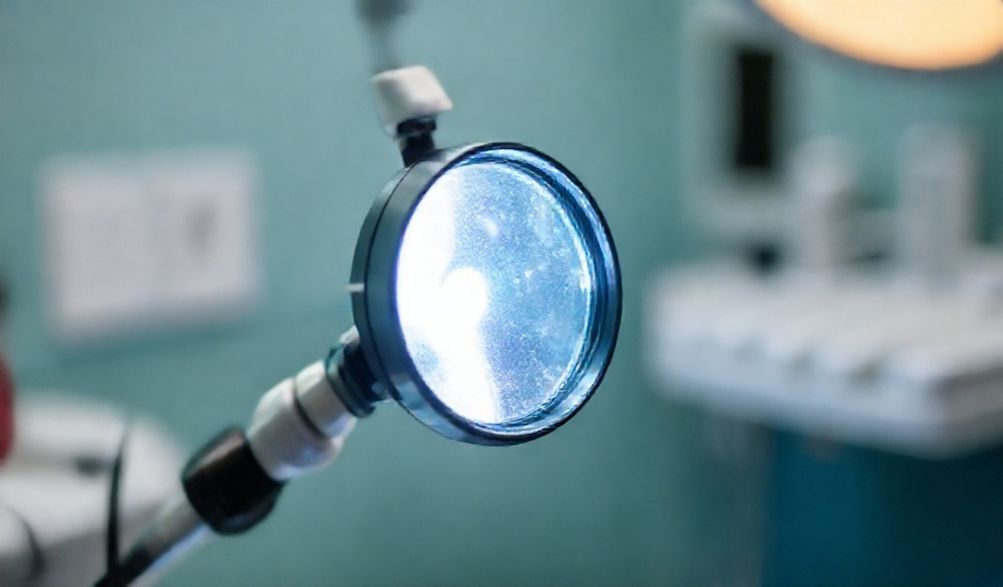
Dental Magnifying Glasses with Light: A Complete Guide for Enhanced Precision & Patient Care
You know the feeling. That subtle squint as you lean in, trying to discern a subgingival margin. The slight ache in your neck after a long morning of searching for a hidden canal orifice. The frustration of a low-light operatory corner obscuring a fine crack line in a tooth. For dentists and hygienists, the daily battle for visual clarity is a real and taxing part of clinical life. It’s a battle fought not just against pathology, but against eye strain, compromised posture, and the limitations of human vision.
This is where the modern dental loupe—specifically, dental magnifying glasses with light—transitions from a helpful accessory to a critical, practice-changing tool. It’s a direct solution to the very pain points that define a clinician’s day. More than just “glasses that make things bigger,” these integrated systems are an ergonomic lifeline and a precision instrument rolled into one.
This guide is designed to be your comprehensive, expert resource. Whether you’re a recent graduate considering your first pair or a seasoned practitioner looking to upgrade, we’ll walk you through the undeniable benefits, dissect the key features you need to understand, and provide a step-by-step framework for making a confident investment. Our goal is to show you how this technology can fundamentally improve your work quality, safeguard your long-term health, and elevate the standard of care you provide to every patient.
Why Dental Magnifying Glasses Are Essential for Modern Practice
Adopting عدسات طب الأسنان with integrated lighting is no longer a niche choice for specialists; it’s a hallmark of a modern, evidence-based, and health-conscious practice. The decision is rooted in three powerful professional imperatives that impact everything from daily comfort to clinical outcomes.
Enhancing Clinical Precision and Accuracy
At its core, magnification is about seeing what was always there but invisible to the naked eye. This leap in visual acuity directly translates to superior clinical results.
- Superior Diagnostics: Identifying incipient caries, especially on proximal surfaces or under existing restorations, becomes significantly more reliable. Fine craze lines and fractures are detected earlier, preventing unexpected complications.
- Flawless Restorations: Achieving a seamless margin is the foundation of restorative longevity. Magnification allows you to visualize and finish margins with microscopic accuracy, ensuring perfect adaptation, reducing overhangs, and minimizing plaque-retentive areas.
- Refined Endodontics: Locating calcified canals, identifying MB2 canals in maxillary molars, and thoroughly debriding the intricate anatomy of a root canal system are tasks where magnification is indispensable. It transforms a challenging exploration into a controlled procedure.
- Precision Periodontics: During scaling and root planing, seeing subgingival calculus deposits clearly allows for more complete removal with less tissue trauma. In surgical procedures, it enables delicate handling of soft tissues and precise suturing.
Reducing Physical Strain and Promoting Career Longevity
Perhaps the most compelling personal reason to invest in loupes is ergonomics. The traditional “dentist’s hunch”—leaning forward and craning the neck to get closer to the oral cavity—is a direct path to chronic pain. Magnification with proper ergonomics reverses this.
- Neutral Posture: Properly fitted loupes have a specific “working distance,” allowing you to sit upright with your back against the chair, shoulders relaxed, and neck in a neutral position. You bring the magnified image to you, rather than contorting your body to the patient.
- Reduced Eye Fatigue: The integrated, focused illumination eliminates shadows and glare, reducing the constant pupil adjustment and intense focus that lead to headaches and tired eyes. The lenses also often include coatings to filter harmful blue light.
- A Health Investment: Framing loupes as a tool for career longevity is accurate. By preventing or alleviating chronic musculoskeletal disorders (MSDs) of the neck, back, and shoulders, you are investing in your ability to practice comfortably and pain-free for decades. It’s not just a purchase; it’s a form of professional self-preservation.
Improving Patient Communication and Trust
Clinical benefits extend directly into the patient relationship. Enhanced vision empowers enhanced communication.
- Visual Evidence: With high-definition cameras often integrated or attachable, you can show patients a real-time, magnified view of a cracked cusp, a leaking margin, or subgingival calculus on a monitor. This visual evidence is far more powerful than verbal description alone.
- Informed Consent: When a patient can see the problem, they better understand the proposed treatment. This transparency builds immense trust and dramatically increases case acceptance, as the need for intervention becomes obvious and undeniable.
- Confident Explanations: Even without a camera, your ability to describe a condition with precise detail—because you’ve seen it clearly—instills confidence. Patients trust a clinician who demonstrates such a command of detail.
Key Features to Consider When Choosing Dental Loupes
Navigating the market for dental magnifying glasses with light requires understanding key specifications. This isn’t a one-size-fits-all decision; it’s a personal tool that must be tailored to your physiology and practice style.
Magnification Power: Finding the Right Level (2.5x, 3.5x, 4.5x, etc.)
Magnification is a balance between detail and field of view.
* 2.0x – 3.0x (Low): Ideal for dental hygienists and general dentists performing routine exams, prophylaxis, and simple restorative work. Offers a wider field of view and is easier to adapt to initially.
* 3.5x – 4.5x (Medium to High): The sweet spot for many general dentists and specialists. Excellent for complex restorative procedures, endodontics, and periodontics. Provides significant detail while maintaining a manageable field of view with practice.
* 5.0x and above (Very High): Typically used for microsurgery, such as periapical surgeries or extremely precise implant work. Requires a very steady hand and has a narrow field of view, often used in conjunction with a surgical microscope.
Key Trade-off: As magnification increases, your عمق المجال (the range of distance that remains in clear focus) and field of view (the width of the area you can see) decrease. You must work more precisely within a smaller “sweet spot.”
The Critical Role of Integrated Lighting: LED Types & Benefits
The light is not an add-on; it is half of the system. Proper illumination eliminates shadows, reveals true color, and reduces eye strain.
- TTL vs. Flip-Up: Through-The-Lens (TTL) loupes have the optics and light path permanently aligned in a single, custom-made frame. They are generally lighter, more balanced, and provide consistent illumination. Flip-Up loupes have a binocular that flips up, allowing you to look under them. They are often more adjustable and can be cheaper, but may be front-heavy with a light attached.
- LED Light Quality: ابحث عن shadow-free coaxial illumination (light emitted along the line of sight). Color Temperature matters: a cooler, whiter light (5500-6000K) mimics daylight and provides excellent contrast for tooth structure, while a warmer light may be preferred by some for soft tissue procedures. Battery life (6-10 hours is standard) and rechargeability (USB-C is now common) are crucial practical considerations.
Ergonomics & Fit: Frame Design, Weight, and Customization
If they aren’t comfortable, you won’t wear them. Fit is paramount.
* Declination Angle: This is the angle of the oculars relative to your eyes. It must be customized so you are looking straight ahead through the lenses when your head and neck are in a neutral, upright position. An incorrect angle will force you back into a hunched posture.
* Frame & Weight: Lightweight materials like titanium are popular. The frame should sit comfortably on your nose and ears without pinching. Consider if you need compatibility with a face shield or a face mask.
* التخصيص: A professional fitting will measure your Interpupillary Distance (PD) and your preferred Working Distance (the distance from your eyes to the patient’s mouth). This data is used to craft your lenses. Prescription Lenses can be ground into most TTL systems, a major advantage over wearing contacts or separate glasses.
A Step-by-Step Guide to Selecting Your First or Next Pair
Making this investment can feel daunting. Breaking it down into manageable steps builds confidence and ensures you get the right tool for your needs.
Step 1: Self-Assessment of Your Clinical Needs & Procedures
تقييم الاحتياجات المحددة لعيادتك:
* What is my primary clinical role (hygienist, general dentist, specialist)?
* What procedures do I perform most often? (e.g., exams/fillings vs. endo/perio surgery)
* Do I struggle with neck/back pain or eye strain currently?
* What is my typical operatory lighting like?
Your answers will point you toward a starting magnification level and highlight the importance of ergonomics.
Step 2: Setting a Realistic Budget and Understanding Value
Dental loupes with quality lighting are a significant investment, ranging from ~$1,000 to over $3,500.
* View it as a long-term tool, not an expense. You will use them for thousands of hours over 5-10 years. The cost-per-use becomes minimal.
* The cheapest option can be a false economy. Poor optics can cause dizziness, and a bad fit will negate all ergonomic benefits, leaving you in pain. Prioritize quality optics, robust construction, and excellent customer service/warranty (often 3-5 years).
* Factor in the cost of any necessary prescription lenses, a backup light battery, and a sturdy protective case.
Step 3: The Importance of a Professional Fitting & Trial
هذه هي الخطوة الأكثر أهمية. Never buy custom TTL loupes without a professional fitting.
* A live fitting with a trained representative is ideal. They will take precise PD and working distance measurements and let you try different models and magnifications.
* Many reputable companies now offer virtual fitting kits that are surprisingly accurate. They guide you through taking measurements via a webcam.
* Ask about a trial period. Some companies allow a 30-day clinical trial. There is no substitute for using them in your own operatory on your own patients.
Maximizing Your Investment: Use, Care, and Maintenance
Once you have your loupes, proper use and care will protect your investment and ensure optimal performance.
Developing Proper Technique and Posture
There is a learning curve. Be patient.
* ابدأ ببطء: Use your loupes for shorter, less complex procedures at first to build muscle memory. Your brain needs to adapt to the new visual-motor coordination.
* Adjust Your World, Not Your Posture: Move the patient up, adjust your chair height, and position the patient’s head so the treatment area falls perfectly within your loupes’ focused field. You should not be craning your neck to find the focus.
* Use Your Body: Learn to pivot from your core and use mirror skills to bring all quadrants into view without breaking your upright posture.
Daily Cleaning and Safe Storage Protocols
- العدسات: Use only the recommended lens cloth or spray. Never use paper towel, your lab coat, or alcohol-based cleaners on coated lenses, as they can scratch or damage anti-reflective coatings. Blow off debris first, then gently wipe from center to edge.
- Lights & Frame: Wipe down the light housing and frame with a disinfectant wipe that is safe for plastics and electronics. Avoid getting moisture in the battery compartment.
- التخزين: قم دائمًا بتخزينها في حافظة صلبة واقية عند عدم الاستخدام. لا تضعها أبدًا والعدسة موجهة للأسفل على سطح.
Troubleshooting Common Issues (Fogging, Light Failure, Fit)
- التغبيش: This is common, especially when wearing a mask. Use a commercial anti-fog lens wipe or spray before donning your mask. Ensuring a tight seal on your mask over your nose can also help.
- عطل في الإضاءة: First, check the battery connection and ensure it’s fully charged. Try the backup battery if you have one. If the LED itself fails, contact the manufacturer—it’s usually covered under warranty.
- Discomfort or Poor Fit: Minor adjustments to the nose pads or temple arms can often help. If you experience persistent headaches, dizziness, or neck strain, contact the fitting representative. The declination angle or working distance may need to be re-checked.
الأسئلة المتكررة (FAQ)
س: هل نظارات الأسنان المكبرة المزودة بإضاءة تستحق التكلفة؟
ج: بالتأكيد، عند النظر إليها من الزاوية الصحيحة: كاستثمار طويل الأجل. حيث تأتي العائد في شكل عمل سريري عالي الجودة (يقلل من الإعادة المكلفة)، وتحسين الراحة اليومية، والوقاية من آلام الجهاز العضلي الهيكلي التي قد تنهي المسيرة المهنية. فهي تغطي تكلفتها من خلال تعزيز الدقة والكفاءة والاستمرارية المهنية.
س: كم من الوقت يستغرق التعود على العمل باستخدام العدسات المكبرة؟
ج: معظم الأطباء يبلغون عن فترة تأقلم تتراوح بين أسبوع إلى أسبوعين مع الاستخدام اليومي المنتظم. المفتاح هو تجاوز الشعور الأولي بفقدان التوجيه المكاني. ابدأ بالفحوصات والإجراءات البسيطة، وتجنب التبديل ذهابًا وإيابًا بين النظارات المكبرة وبدونها خلال هذه الفترة. سيتأقلم عقلك.
س: هل يمكنني إضافة إضاءة إلى نظاراتي المكبرة الحالية؟
ج: ذلك يعتمد على الموديل. بعض أنظمة النظارات المقلبة القابلة للطي تحتوي على أذرع إضاءة إضافية يمكن تركيبها. ومع ذلك، بالنسبة للنظارات المكبرة ذات العدسة الثابتة، فإن مسار الضوء يُصمم داخل النظام أثناء التصنيع. إضافة إضاءة إلى إطار غير مضيء من نوع العدسة الثابتة عادةً غير ممكن. النظام المتكامل يكون دائمًا تقريبًا متفوقًا من حيث التوازن ومحاذاة الضوء المثالية مع خط رؤيتك.
س: ما هي مدة شحن البطارية المعتادة، وكيف يتم شحنها؟
ج: أضواء النظارات المكبرة الحديثة ذات الصمام الثنائي الباعث للضوء عالية الكفاءة. معظمها يوفر من 6 إلى 10 ساعات تشغيل بشحنة واحدة، مما يغطي بسهولة يومًا سريريًا كاملاً. يتم شحنها عبر كابلات USB (والمتزايدة منها من نوع USB-C) أو محطة شحن مخصصة. من الحكمة تطوير عادة شحنها كل ليلة والنظر في شراء بطارية احتياطية كنسخة احتياطية لاستخدام غير منقطع.
الخاتمة
دمج نظارات الأسنان المكبرة عالية الجودة المزودة بإضاءة في ممارستك هو قرار تحويلي. إنه يتجاوز مجرد تبني قطعة جديدة من المعدات؛ فهو يمثل التزامًا بمعيار أعلى من الرعاية لكل من مرضاك ونفسك. هذه الأداة ليست جهازًا عاديًا — بل هي امتداد أساسي لحواسك السريرية، تعيد وضعية الجسم الطبيعية التي صُمم من أجلها وتكشف التفاصيل المجهرية التي تحدد التميز في طب الأسنان.
الطريق إلى الأمام واضح. خذ الخطوة التالية، سواء كان ذلك البحث عن علامات تجارية ذات سمعة طيبة، أو التحدث مع الزملاء حول تجاربهم، أو جدولة استشارة مع مندوب مبيعات للحصول على تركيب احترافي. من خلال الاستثمار في التكبير والإضاءة المناسبين، فأنت لا تشتري منتجًا فحسب. أنت تمكن نفسك من الممارسة بدقة لا مثيل لها، وراحة دائمة، وثقة عميقة تنبع من رؤية — وبالتالي معرفة — ما تفعله بالضبط. هذا هو الأساس الذي تُبنى عليه رعاية مرضى استثنائية وموثوقة للسنوات القادمة.
ص>