
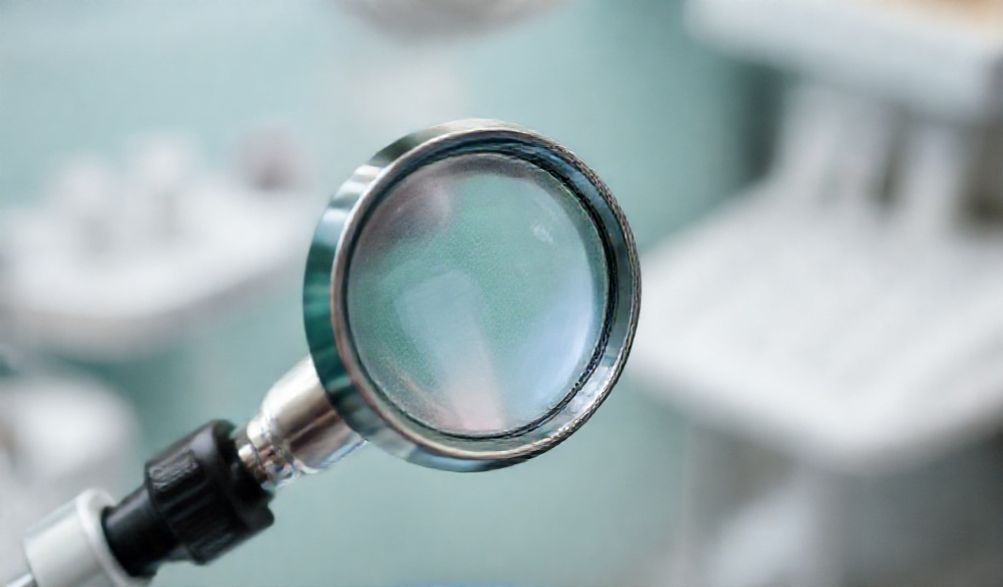
Dental Magnifying Loupes: A Complete Guide to Enhanced Vision, Precision, and Patient Care
In the world of modern dentistry, where margins are measured in microns and early detection is paramount, the human eye has its limits. The quest for clinical excellence hinges on one fundamental principle: precision. It’s the difference between detecting a subgingival crack before it propagates and missing it entirely; between a perfectly sealed margin and a future restoration failure. Today, achieving this level of precision is no longer a matter of innate skill alone—it’s a technological imperative.
Enter dental magnifying loupes. Far more than a simple tool, they represent a fundamental advancement in clinical practice, a paradigm shift that elevates every aspect of dental care. This guide is not a sales pitch, but an authoritative, comprehensive resource built on expertise and real-world experience. We will explore how loupes serve as a critical investment in three core pillars of a successful practice: improved ergonomics to safeguard the dentist’s long-term health, superior diagnostic accuracy for unparalleled patient outcomes, and enhanced procedural precision that defines clinical mastery.
What Are Dental Magnifying Loupes and How Do They Work?
At their essence, عدسات طب الأسنان are magnification systems worn like glasses, designed to bring the intricate details of the oral cavity into clear, magnified focus. Understanding their basic function demystifies their value and informs better purchasing decisions.
The Basic Optical Principles
Three key optical concepts govern the performance of any loupe system:
- Magnification: Expressed as a factor like 2.5x or 4.5x, this indicates how much larger an object appears compared to the naked eye. It’s a balance—higher power reveals finer detail but narrows your view.
- Field of View: This is the diameter of the observable area you see through the loupes at a given working distance. A wider field is generally preferable for orientation and context, but it often decreases as magnification increases.
- Depth of Field: This refers to the “zone” of clear focus in front of and behind your primary target. A greater depth of field allows you to see clearly even with slight head or patient movement, which is crucial for clinical stability and reducing eye strain.
Core Components of a Loupes System
A modern loupe system is an integrated unit of three essential parts:
- The Optical Lens System: This is the heart of the loupes. There are two primary designs:
- Galilean: A simpler, two-lens system. These loupes are typically lighter, more affordable, and offer good depth of field at lower magnifications (2.5x-3.5x). They are an excellent entry point for many clinicians.
- Prismatic (Keplerian): A more complex system using multiple lenses and prisms to fold the light path. They provide higher magnifications (3.5x and above) with a superior field of view and better optical clarity, but are heavier and more expensive.
- The Frame: This is your interface with the optics. It must be comfortable for all-day wear. Key decisions include choosing between Through-The-Lens (TTL), where the optics are permanently mounted in custom-aligned lenses, and Flip-Up designs, where the magnifiers hinge away. TTL models offer superior stability and a streamlined profile, while flip-ups offer flexibility and easier sharing.
- The Light Source (Coaxial Illumination): This is the game-changer. A high-quality LED light, mounted on the loupes and aligned coaxially (along the same axis as your vision), floods the operating field with bright, white, shadow-free light. It eliminates the obstructions caused by the head, hands, and instruments, revealing true color and texture.
The Proven Benefits: Why Every Dentist Should Consider Loupes
The adoption of loupes is driven by tangible, evidence-backed outcomes that transform daily practice. Here’s what you can genuinely expect.
Unmatched Ergonomic Advantage
Chronic neck and back pain are occupational hazards in dentistry, often resulting from years of forward head posture and stooping. Loupes are a primary ergonomic intervention. By incorporating the correct declination angle and working distance, they allow you to sit upright with a neutral spine while bringing the magnified image to your eyes. This promotes a healthy posture, significantly reducing musculoskeletal strain and fatigue. The long-term benefit is profound: protecting your physical health to ensure a long, pain-free career.
Elevated Diagnostic Capabilities
What you can’t see, you can’t treat. Loupes unveil a hidden world of detail. They empower you to identify:
* Early Non-Cavitated Caries (White Spot Lesions) at the earliest stage for remineralization therapy.
* Microfractures in teeth or existing restorations.
* Subgingival Calculus remnants during scaling and root planing.
* Marginal Integrity of crowns and fillings, detecting minute gaps or overhangs.
This enhanced vision shifts diagnostics from reactive to proactive, enabling minimally invasive interventions and improving long-term prognoses.
Increased Procedural Accuracy and Efficiency
Enhanced vision translates directly to superior handskills. You can prepare more conservative, precise cavity preparations. You can place margins with exactitude, ensuring optimal fit and seal of indirect restorations. You can perform endodontic procedures with greater confidence locating canal orifices. This precision reduces the need for remakes, adjustments, and postoperative issues. While there’s an initial learning curve, most clinicians find their efficiency increases as their accuracy improves, saving valuable clinical time.
Enhanced Patient Communication and Trust
Modern loupe systems can often be paired with cameras. The magnified view can be displayed on a chairside monitor, allowing you to show patients exactly what you see. Pointing out a hairline crack, the edge of decay, or the fit of a margin transforms abstract explanations into visual evidence. This transparency builds immense trust, improves case acceptance, and fosters a collaborative doctor-patient relationship.
A Buyer’s Guide: How to Choose the Right Dental Loupes
Selecting loupes is a highly personal decision with long-term implications. Informed choices are based on technical understanding and clinical need.
Determining the Right Magnification (2.5x, 3.5x, 4.5x, etc.)
Magnification is not “one-size-fits-all.” Consider your primary focus:
* 2.5x – 3.0x (General Dentistry, Hygiene): Excellent starting point. Provides a wide field of view and good depth of field for comprehensive exams, operative dentistry, and periodontal procedures.
* 3.5x – 4.5x (Advanced Restorative, Endodontics, Surgery): Ideal for fine detail work. Offers a closer view for crown margins, endodontic access, and surgical extractions. Requires more postural discipline.
* 5.0x and above (Micro-dentistry, Endodontic Surgery): Used for highly specialized procedures. Offers an extremely narrow field and shallow depth of field, often used in conjunction with a microscope.
Field of View and Depth of Field: The Critical Balance
Don’t fixate solely on magnification power. A high-magnification loupe with a poor field of view feels like looking through a straw. Similarly, insufficient depth of field forces constant refocusing, causing eye strain. Prismatic loupes generally offer a better balance of higher magnification with a usable field and depth. Discuss these specifications with your vendor.
Frame Types and Fit: Comfort is Key
The fit is paramount. An improper working distance (the distance from your eyes to the patient’s mouth) will force you back into poor posture.
* Through-The-Lens (TTL): Custom-built for your pupillary distance and working distance. They are lighter, more stable, and offer an unobstructed view. The investment is specific to you.
* Flip-Up: The magnification barrels flip up when not in use. They are adjustable and can be shared or used over prescription glasses. They can be slightly heavier and may have a narrower field of view.
The single most critical step in purchasing loupes is a professional, in-person working distance measurement. This ensures the optics are aligned perfectly for your unique posture.
Integrating LED Lighting
Consider the loupe light non-negotiable. It completes the system. Look for features like a high Color Rendering Index (CRI >90) for true tissue color, adjustable intensity, a long battery life, and a lightweight, balanced design. Coaxial illumination is essential to eliminate shadows.
Maximizing Your Investment: Proper Use, Maintenance, and Adjustment
Your loupes are a precision instrument. Proper care ensures they perform for years.
The Initial Adjustment Period
Expect a 1-2 week adaptation period. You may experience mild dizziness, nausea, or a sensation of “swimming” as your brain learns to reconcile the magnified visual input with your vestibular system. Start by wearing them for short, non-critical tasks (reviewing charts, lab work) before using them for full procedures. Your depth perception will recalibrate.
Daily Use Best Practices for Longevity
- التعامل: Always use both hands to put on and remove your loupes to avoid bending the frame.
- التنظيف: استخدم فقط قطع القماش الميكروفايبر والبخاخات المخصصة للعدسات. لا تستخدم مناشف الورق أو الملابس أو المواد الكيميائية القاسية أبداً، لأنها قد تخدش الطلاءات الحساسة.
- التخزين: ضعها دائمًا في حقيبة صلبة واقية عند عدم الاستخدام.
- Light Care: Follow manufacturer guidelines for charging the battery to maximize its lifespan. Keep the light head clean.
When and How to Get Your Loupes Re-aligned
Frames can gradually bend with daily use, knocking the optics out of alignment. If you start to experience eye strain, headaches, or double vision, or if you find yourself tilting your head to see clearly, your loupes likely need servicing. Most reputable manufacturers offer professional re-alignment services. Do not attempt to bend them back yourself.
Addressing Common Concerns and Misconceptions
“Are Loupes Worth the Cost?” The ROI Analysis
View loupes not as an expense, but as an investment with multiple returns:
* العائد على الاستثمار الصحي: Preventing one career-ending back or neck surgery far outweighs the cost.
* العائد السريري على الاستثمار: Reducing remake lab fees, improving efficiency, and enabling higher-quality procedures that command appropriate fees.
* العائد المهني على الاستثمار: Enhancing diagnostic skills and technical capability elevates your practice profile and patient trust.
“Will They Cause Eye Strain or Headaches?”
Properly prescribed and fitted loupes تقليل eye strain by allowing your eyes to work in a more relaxed, focused state. Headaches and strain are typically signs of an incorrect working distance, poor pupillary alignment, or an uncorrected refractive error. Always integrate your personal prescription into the loupes or wear contacts.
Loupes for Dental Hygienists and Assistants
The benefits are equally transformative for the entire clinical team. Hygienists can achieve unparalleled subgingival debridement accuracy, improving periodontal outcomes. Assistants gain better visibility for efficient suctioning, material handling, and procedure support, enhancing four-handed dentistry dynamics.
قسم الأسئلة الشائعة
Q: What is the typical price range for a good quality dental loupe system?
A: A complete system (loupes with a quality LED light) typically ranges from $1,000 to over $3,500. Entry-level Galilean systems start lower, while high-magnification prismatic systems with top-tier lights are at the higher end. Remember, this is a long-term investment in tools you’ll use for thousands of hours.
Q: Can I get prescription lenses integrated into my surgical loupes?
A: Absolutely. This is the recommended approach for clinicians who require vision correction. Your precise prescription (sphere, cylinder, axis, and add) can be ground into the loupe lenses (for TTL) or into carrier lenses (for flip-ups), ensuring optimal visual acuity.
Q: How long does it take to get used to working with magnifying loupes?
A: Most clinicians adapt within 1-2 weeks of consistent use. Start with short periods and simple tasks to allow your brain and motor skills to adjust to the new visual-spatial relationship.
Q: What is the single most important factor when choosing my first pair?
A: A professional, in-person working distance measurement and consultation. An improper working distance will nullify all ergonomic benefits and can cause discomfort. A reputable consultant will measure this accurately and guide you based on your clinical needs.
Q: How often should I replace my dental loupes or their lighting system?
A: With proper care, high-quality loupes can last 5-10 years or more. The lighting system, particularly the battery, may need servicing or replacement sooner (batteries often last 2-4 years). Upgrade if your practice focus changes (e.g., moving into more micro-dentistry) or if the optics become damaged.
الخاتمة
Dental magnifying loupes are far more than an accessory; they are a cornerstone of modern, evidence-based practice. Their transformative impact creates a powerful virtuous cycle: by safeguarding practitioner health, they enable the sustained focus required for التميز السريري, which in turn builds unwavering patient trust through superior outcomes and transparent communication.
In an era where dentistry continues to advance toward minimally invasive, precision-based care, operating without magnification is increasingly akin to navigating without a map. Embrace loupes not as a luxury, but as a standard of care and an essential investment in your most valuable asset—your professional capability and well-being. Take the next step by seeking a consultation with a reputable vendor who prioritizes education and correct fitting, and experience the profound difference that seeing clearly can make.
ص>