
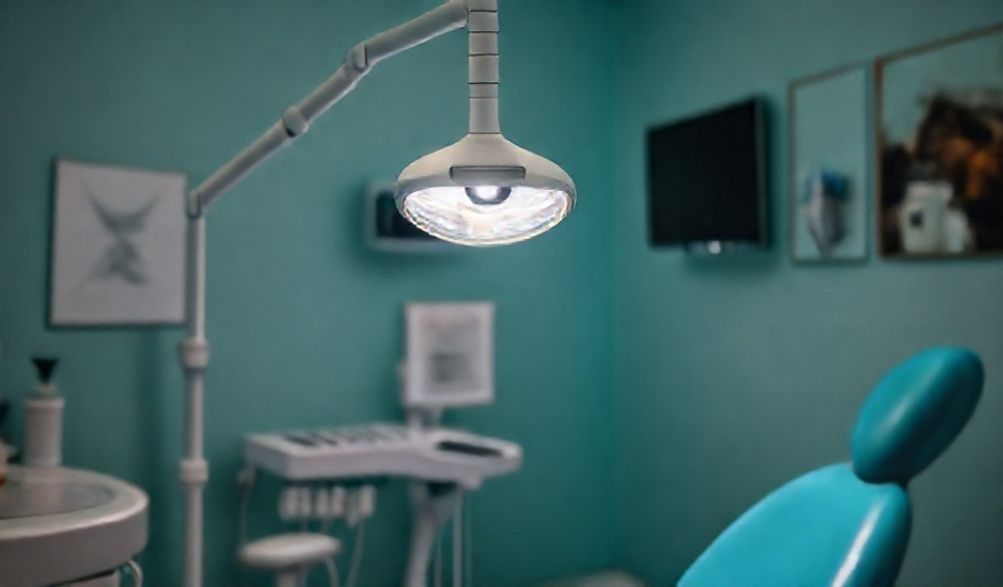
The Ultimate Guide to Dentist Lamps: Illuminating Precision in Modern Dentistry
Imagine your dentist preparing to perform a delicate root canal or match the exact shade for a front-tooth crown. Now, imagine them trying to do it in the dim, shadowy light of a standard room lamp. The thought is unsettling, and for good reason. In dentistry, clear, accurate vision is the absolute bedrock of every procedure, from a routine filling to complex oral surgery. The difference between success and a compromised outcome often lies in what the clinician can see.
The problem of inadequate operatory lighting is a silent thief. It steals clinical accuracy, contributes to chronic eye strain and musculoskeletal pain for the practitioner, and can unnecessarily prolong appointment times for the patient. The solution, however, is a masterpiece of focused engineering: the modern dentist lamp. Far more than a simple light bulb on an arm, today’s operatory lights are sophisticated, essential pieces of technology designed to bathe the oral cavity in perfect, shadow-free illumination.
This guide is designed to be your comprehensive resource. It synthesizes insights from dental equipment reviews, practitioner preferences, and fundamental clinical requirements. We’ll move beyond marketing jargon to explore the technical specifications, evidence-based benefits, and practical selection criteria that matter. Our recommendations align with established industry standards and ergonomic best practices, and we are committed to providing balanced, trustworthy information to help you make a confident, informed investment for your practice’s future.
Why Dental Lighting is More Critical Than You Think
A dentist lamp is often categorized as “operatory equipment,” but this undersells its role. It is a primary diagnostic and treatment tool, as vital as a handpiece or an X-ray sensor. Its quality directly impacts three core pillars of dental practice: clinical outcomes, practitioner well-being, and patient experience.
The Impact on Clinical Accuracy and Diagnosis
The human mouth is a cavernous, reflective, and multi-hued environment. Detecting the subtle, early signs of decay (especially interproximal caries), identifying hairline cracks in enamel, distinguishing between healthy and inflamed tissue, and ensuring complete plaque removal all require exceptional visual clarity.
- Shadow-Free Illumination: Shadows can hide cavities, obscure canal orifices during endodontics, and make margin detection for restorations guesswork. A high-quality dentist lamp is engineered to produce an even, wide field of light that penetrates the oral cavity without casting the clinician’s head or hands as obstructive dark spots.
- Color-Corrected Light: Accurate color rendering is non-negotiable for shade matching in cosmetic dentistry, assessing tissue vitality, and identifying different types of calculus or plaque. Poor lighting can make a subtle grey hue appear brown or mask the true redness of inflammation, leading to diagnostic errors or aesthetically disappointing results.
Precision in dentistry is born from visual confidence. A superior light provides that confidence, transforming treatment from an approximation into a precise, predictable science.
Ergonomics and Practitioner Health
Dentistry is physically demanding, with practitioners often holding static, awkward postures for extended periods. Inadequate lighting is a major, yet frequently overlooked, contributor to occupational pain and fatigue.
- Promoting Neutral Posture: When a light is dim or creates a small, focused hotspot, clinicians instinctively crane their necks and hunch their backs to get their eyes closer to the treatment area. A bright, broad-field dentist lamp allows the professional to maintain a more upright, neutral spinal position while still seeing perfectly, significantly reducing strain on the neck, shoulders, and back.
- Combating Eye Fatigue: Staring for hours into a poorly lit, high-contrast environment (dark mouth vs. bright operatory) forces the eye muscles to work overtime, leading to headaches, dry eyes, and long-term visual strain. Modern lamps with optimal intensity and color temperature reduce this glare and contrast, creating a visually comfortable workspace that supports sustainability throughout a full day of procedures.
Investing in proper lighting is an investment in the long-term health and career longevity of the dental team.
Patient Comfort and Experience
The patient’s perspective under the light is equally important. A positive clinical experience is built on comfort and trust.
- Reduced Glare and Heat: Older halogen dentist lamps were notorious for emitting significant heat and creating a glaring “spotlight” effect that patients often found uncomfortable or intimidating. Modern LED lamps run cool and use advanced diffusers to spread light evenly, eliminating the “hot spot” feeling and minimizing glare in the patient’s eyes.
- Professional Aesthetics: The operatory light is a prominent feature in the patient’s line of sight. A sleek, clean, and modern lamp subconsciously communicates professionalism, attention to detail, and a commitment to advanced technology. Conversely, a yellowed, dusty, or outdated fixture can undermine the practice’s image of cleanliness and competence.
Key Features to Look for in a Modern Dentist Lamp
Understanding the specifications is key to cutting through the sales pitches. Here are the critical features that define a high-performance dentist lamp.
Illumination Quality: Lux, CRI, and Color Temperature
These three metrics define the character of the light.
- Lux (Illuminance): This measures the intensity of light falling on a surface. For dental procedures, a minimum of 20,000 to 25,000 lux at the working distance (typically 30-40 inches) is considered the standard for general dentistry. Surgical procedures may require even higher intensities (30,000+ lux) for extreme detail.
- CRI (Color Rendering Index): Rated on a scale of 0-100, CRI indicates how accurately a light source reveals the true colors of objects compared to natural daylight. For clinical accuracy, a مؤشر تجسيد لون 90 أو أعلى is essential. A low CRI can distort tissue color and restorative material shades.
- Color Temperature (Kelvin – K): This describes the “warmth” or “coolness” of the light. Measured in Kelvins (K), dental lighting typically falls in the 4000K to 5500K range, simulating bright, neutral daylight. This cool white light enhances contrast and reduces the sedative, yellowing effect of warmer lights.
Light Field and Shadow Reduction
It’s not just about brightness; it’s about the quality and distribution of that brightness.
- Large, Even Field: The ideal lamp produces a wide, homogeneous circle of light (often 12-16 cm in diameter at the working distance) with no dark rings or bright central hotspots. This ensures the entire quadrant, not just a single tooth, is evenly illuminated.
- Shadow-Reduction Technology: This is achieved through sophisticated optical design. Common methods include:
- Multiple LED Arrays: Using several small LED sources arranged in a ring or pattern, rather than one single bulb, to fill in shadows from multiple angles.
- Specialized Reflectors: Engineered reflectors that blend and direct light from a single source to create a more diffuse field.
Mobility, Reach, and Positioning
A brilliant light is useless if it can’t be positioned exactly where you need it, effortlessly.
- Articulation and Balance: Look for lamps with multiple, smooth-gliding joints (often 4-5). They should offer a wide range of motion and be perfectly counterbalanced. This means the light stays firmly in any position you place it, without drifting or requiring you to fight against its weight.
- خيارات التركيب:
- مثبت على السقف: يوفر أكبر قدر من حرية الحركة، دون عوائق من المعدات أو كرسي الأسنان، وهو مثالي للممارسات متعددة الأطباء أو الغرف ذات المساحة الجدارية المحدودة.
- مثبت على الحائط: حل اقتصادي وموفر للمساحة، لكن مداه يقتصر على الجدار المثبت عليه.
- مثبت مباشرة على كرسي الأسنان. يثبت مباشرة على كرسي الأسنان، ويتحرك مع المريض. قد يكون هذا مريحًا لكنه قد يحد من الوضعية المستقلة ويمكن أن يزيد من وزن الكرسي.
المتانة، التعقيم، والصيانة
بيئة غرفة العلاج قاسية. يجب أن يتحمل ضوئك إعادة الوضعية المستمرة وبروتوكولات مكافحة العدوى الصارمة.
- المواد والتصميم: يجب أن يصنع الهيكل من بوليمرات أو معادن عالية الجودة ومتينة. الميزة الأهم هي سطح سلس غير ملتحم بحدود أدنى حيث يمكن أن تختبئ الملوثات. يجب أن تكون جميع اللحامات مغلقة.
- بروتوكول التنظيف: يجب أن يكون المصباح قابلاً للمسح بسهولة بمطهرات العيادة القياسية دون تدهور المواد أو التشطيبات. تعتبر المقابض أو نقاط اللمس القابلة للإزالة والتعقيم بالأوتوكلاف ميزة فائقة.
- العمر الافتراضي: هنا تبرع تقنية LED. بينما قد يدوم مصباح الهالوجين 1,000-2,000 ساعة،, تدوم مصفوفات LED عادة 50,000 ساعة أو أكثر. وهذا يعادل أكثر من عقد من الاستخدام السريري قبل أن يتدهور إخراج الضوء بشكل ملحوظ، مما يلغي عمليًا تكاليف استبدال المصباح وفترات التوقف.
مقارنة أنواع مصابيح طبيب الأسنان: LED مقابل الهالوجين
التحول من الهالوجين إلى LED هو التغيير التكنولوجي المحدد في إضاءة غرفة العلاج خلال العقد الماضي.
ثورة LED: المزايا والاعتبارات
أصبحت تقنية LED (الصمام الثنائي الباعث للضوء) المعيار القاطع للشراء الجديد.
- المزايا:
- التشغيل البارد: يبعث الحد الأدنى من الأشعة تحت الحمراء، مما يحافظ على راحة المريض والطبيب.
- كفاءة الطاقة: يستخدم كهرباء أقل بنسبة تصل إلى 80٪ من مصباح الهالوجين المكافئ.
- عمر افتراضي استثنائي: عمر افتراضي يزيد عن 50,000 ساعة يلغي تغييرات المصابيح المتكررة والمكلفة.
- أداء فوري: يصل إلى السطوع الكامل فورًا دون وقت تسخين.
- إخراج ثابت: تظل شدة الضوء ودرجة حرارة اللون مستقرة طوال عمر الصمام الثنائي.
- الاعتبار: سعر الشراء الأولي لـ LED عالي الجودة dentist lamp يكون عادة أعلى منه لموديل الهالوجين. ومع ذلك، يعوض هذا عن طريق التوفير طويل المدى في الطاقة ومصابيح الاستبدال.
أضواء الهالوجين التقليدية: هل ما زالت ذات صلة؟
تعتبر أضواء الهالوجين الآن إلى حد كبير تقنية قديمة.
- المزايا المحتملة: تكلفة اقتناء أولية أقل. جودة الضوء، عندما تكون جديدة، يمكن أن تكون جيدة جدًا مع مؤشر تجسيد ألوان مرتفع.
- العيوب الكبيرة:
- إخراج حراري عالي: يمكن أن يكون غير مريح للمرضى والأطباء.
- استهلاك طاقة عالي: غير فعال مقارنة بـ LED.
- عمر مصباح قصير: يتطلب استبدال مصابيح منتظم (ومكلف أحيانًا) وإعادة معايرة.
- التدهور: إخراج الضوء ودرجة حرارة اللون يتغيران مع تقدم عمر المصباح.
مخطط المقارنة جنبًا إلى جنب
| الميزة | مصباح طبيب الأسنان LED | مصباح طبيب الأسنان الهالوجين |
| :— | :— | :— |
| التكلفة الأولية | أعلى | أقل |
| حرارة التشغيل | منخفضة جدًا / باردة | عالية |
| عمر المصباح | 50,000+ ساعة | 1,000 – 2,000 ساعة |
| كفاءة الطاقة كفاءة الطاقة
| جودة الضوء | عالية جدًا (توفير طاقة يصل إلى 80٪) | منخفضة |
| جودة الضوء | ممتازة، مؤشر تجسيد ألوان ودرجة حرارة لون مستقرة | جيدة عندما تكون جديدة، تتدهور مع الوقت |
الصيانة
| لا تذكر تقريبًا لسنوات | استبدال مصباح متكرر | dentist lamp كيفية اختيار المصباح المناسب لممارستك السنية.
مزودًا بالمعرفة، استخدم قائمة المراجعة القابلة للتنفيذ هذه لتوجيه قرارك.
اختيار المصباح المثالي
* يتطلب تقييمًا عمليًا لحالتك المحددة. اسأل نفسك هذه الأسئلة الرئيسية:.
* تخطيط غرفة العلاج: ما هو حجم وشكل غرفتك؟ أين توجد الخزائن والشاشات والنوافذ؟ هذا سيحدد ما إذا كان التثبيت السقفي أو الجداري أو الكرسي هو الأكثر عملية.
* الميزانية: ضع في اعتبارك التكلفة الإجمالية للملكية. المصباح الهالوجين الأرخص سيكلف أكثر في المصابيح والكهرباء على مدى 5 سنوات مقارنة بمصباح LED الأغلى. ضع في الحسبان المكاسب المحتملة في الإنتاجية الناتجة عن بيئة عمل أكثر ملاءمة من الناحية الهندسية البشرية.
نظرة عامة على العلامات التجارية والموديلات الرائدة
(ملاحظة: هذه نظرة توضيحية عامة عن الشركات المصنعة ذات السمعة الطيبة والمعروفة بالجودة والابتكار. وهي ليست ترتيبًا شاملاً. نوصي بشدة بإجراء عروض عملية والتشاور مع الزملاء ومتخصصي المعدات قبل الشراء.)
- A-dec: قائد تقليدي معروف بموثوقيته التي لا تضاهى وتكامله السلس مع أنظمة التوصيل الخاصة به. غالبًا ما تُشيد أضواؤهم بحركة المفاصل السلسة والبناء القوي.
- Daray / Waldmann: مشهورة بالتميز البصري. يُشار إلى Waldmann (الذي يتم تسويقه باسم Daray في بعض المناطق) بشكل متكرر لامتلاكه بعض أكثر تقنيات تقليل الظل تقدمًا ومجالات الضوء الساطع والمتجانس في الصناعة.
- Midmark: تقدم توازنًا قويًا بين الميزات المبتكرة (مثل مجموعة LED على شكل “M” للتحكم في الظل) والتصميم سهل الاستخدام، غالبًا بسعر تنافسي.
نصائح التثبيت والمعايرة
- التثبيت الاحترافي: بالنسبة للوحدات المثبتة بالسقف، فإن التثبيت الاحترافي من قبل فني مؤهل هو أمر غير قابل للتفاوض. فهو يضمن التثبيت الآمن، والتوصيل الكهربائي السليم، وضبط الموازنة المضادة بشكل صحيح.
- المعايرة الأولية: بمجرد التثبيت، خذ وقتك لمعايرة التركيز. اضبط الضوء على مسافة العمل المعتادة لضمان أن المجال متساوي ودائري ويغطي المنطقة المطلوبة. تعرف على عناصر التحكم في الشدة لضبط المستويات المفضلة لأنواع الإجراءات المختلفة.
الأسئلة الشائعة (FAQ) حول مصابيح طبيب الأسنان
س: كم مرة يجب أن أستبدل مصباح طبيب الأسنان الخاص بي؟
ج: مع تقنية LED، نادرًا ما يكون الاستبدال بسبب عطل المصباح. يمكن أن تدوم هذه المصابيح لأكثر من 50,000 ساعة - أي غالبًا أكثر من عقد من الاستخدام السريري. قد تفكر في استبدالها بسبب التآكل الميكانيكي في المفاصل، أو الرغبة في ميزات أحدث، أو ترقية التكنولوجيا، وليس لأن الضوء قد احترق.
س: هل يمكن للضوء الساطع أن يضر بعيون مرضاي؟
ج: تم تصميم مصابيح الأسنان الحديثة مع مراعاة سلامة المريض. فهي تستخدم موزعات لتقليل الوهاء ومرشحات لحجب معظم الإشعاع فوق البنفسجي (UV) والأشعة تحت الحمراء (IR). ومع ذلك، لا ينصح بالتعرض المباشر والمطول لأي ضوء ساطع. هذا هو السبب في أن توفير نظارات واقية للمريض في كل إجراء هو ممارسة معيارية وأساسية.
س: هل من الصعب تنظيف وتطهير ضوء غرفة علاج الأسنان؟
ج: النماذج ذات السمعة الطيبة مصممة خصيصًا للبيئة السريرية. فهي تتميز بأسطح ناعمة وغير مسامية وخالية من الفواصل يمكن مسحها بسرعة بمطهرات قياسية مسجلة من وكالة حماية البيئة (EPA) ومصنفة للاستخدام في المستشفيات. استشر دائمًا واتبع تعليمات التنظيف الخاصة بالشركة المصنعة لتجنب إتلاف المكونات الحساسة أو التشطيبات.
س: هل توجد ميزات “ذكية” متاحة في مصابيح أسنان جديدة؟
ج: نعم، السوق في تطور. تقدم الموديلات الفاخرة الآن ميزات مثل التشغيل دون لمس (التشغيل بالإيماءة)، وإعدادات مسبقة للذاكرة لأنواع الإجراءات المختلفة (مثل وضعية “الجراحة” مقابل وضعية “الفحص”)، وحتى التكامل مع أنظمة غرف العلاج الرقمية، مما يسمح للضوء بالتعديل تلقائيًا بناءً على الإجراء المحدد في برنامج إدارة العيادة الخاص بك.
الخاتمة
إن مصباحًا عالي الجودة dentist lamp هو أكثر بكثير من مجرد ملحق؛ إنه استثناء أساسي في ثلاثية التميز السريري، ورفاهية الممارس، ورعاية المرضى المتفوقة. إنه الأداة التي تجعل كل أداة أخرى أكثر فعالية. يتطلب اختيار الضوء المناسب النظر إلى ما هو أبعد من سعر الشراء الأولي للنظر في التأثير العميق لجودة الإضاءة، والتصميم الهندسي البشري، والموثوقية طويلة الأجل.
يجب أن تعطي قرارك النهائي الأولوية للقيمة على التكلفة. انظر إلى هذه الشراكة على أنها شراكة طويلة الأجل ستدعم جودة وكفاءة عيادتك خلال العقد القادم أو أكثر. الضوء المناسب لا يضيء فقط تجويف الفم؛ بل يضيء الطريق نحو طب أسنان أفضل.
دعوة للعمل: مستعد لرؤية الفرق؟ خطوتك التالية هي التواصل مع موردي معدات الأسنان ذوي السمعة الطيبة. اطلب كتالوجات مفصلة، ولكن الأهم من ذلك، رتب لعروض حية في غرفة العلاج الخاصة بك أو في معرض. استشر الزملاء حول تجاربهم مع العلامات التجارية والموديلات المختلفة. لا يوجد بديل لوضع المصباح بنفسك ورؤية جودة ضوئه مباشرة.
ص>