
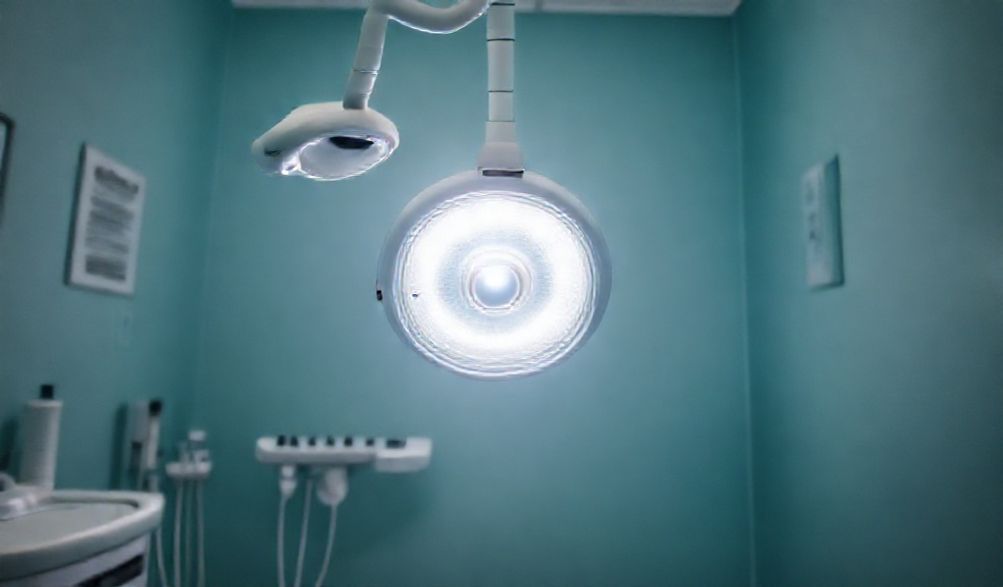
Dentist Light: A Complete Guide to Operatory Lighting for Patient Comfort & Precision
In the world of modern dentistry, the focus often lands on the latest digital scanner, the most advanced ceramic mill, or a new laser system. While this technology is transformative, there’s one fundamental piece of equipment in every operatory that profoundly impacts every procedure yet is frequently overlooked: the dental light.
Proper dentist light, or dental operatory lighting, is far more than just a lamp to see by. It is a primary clinical instrument, as essential as a handpiece or an explorer. Optimal lighting is the silent partner in every successful diagnosis and restoration, directly influencing clinical accuracy, practitioner health, and the patient’s entire experience. Subpar lighting, conversely, can lead to errors, strain, and discomfort.
This comprehensive guide will illuminate the critical role of operatory lighting. We will explore the science behind the light, break down the key features you need to know, and provide specialty-specific guidance to help you choose a system that elevates the quality of care in your practice. Investing in the right dental light is an investment in precision, ergonomics, and patient satisfaction.
Why Dental Operatory Lighting is Critical for Quality Care
Before examining specifications and models, it’s vital to understand why lighting is so crucial. The right light supports three pillars of a successful dental practice: clinical excellence, team well-being, and patient comfort.
Enhancing Clinical Accuracy and Diagnosis
The mouth is a small, shadow-filled, and highly reflective space. Distinguishing between subtle shades of white, detecting early demineralization, or ensuring a perfect margin fit requires light that works with you, not against you.
- Color Temperature (Kelvin): This measures the “warmth” or “coolness” of light. Dental procedures demand a “daylight” spectrum, typically between 5000K and 6500K. This bright, neutral white light minimizes color distortion, allowing you to see the true color of dentin, enamel, and composite materials. A warmer light (e.g., 3000K) can cast a yellow hue, skewing shade matching for veneers or crowns.
- مؤشر تجسيد الألوان (CRI): Perhaps the most critical metric for clinical work, CRI measures a light’s ability to reveal an object’s true colors compared to natural sunlight. A high CRI (90+) is non-negotiable. It enables you to accurately differentiate between caries and healthy enamel, see the nuances in tissue health, and match composite shades with confidence. A low-CRI light can make different materials look the same, leading to diagnostic and restorative errors.
- Shadow Reduction & Illumination: A good dental light provides even, shadow-free illumination across the entire oral cavity. Harsh shadows can obscure margins, hide subgingival calculus, or make it difficult to see the depth of a preparation. Modern lights use advanced optics and multiple LED arrays to flood the field with consistent light, eliminating the dark spots that compromise precision.
Protecting Practitioner Health and Ergonomics
Dentistry is physically demanding, and poor lighting is a major contributor to occupational strain. The right light is an ergonomic tool.
- Reducing Eye Fatigue: Flickering lights or lights with poor color rendering force your eyes to constantly adjust, leading to headaches, dry eyes, and fatigue over long clinical days. Modern LED lights are flicker-free and provide consistent, comfortable illumination that reduces this strain dramatically.
- Preventing Musculoskeletal Disorders: Inadequate lighting often causes clinicians to contort their bodies—craning their necks, hunching their backs—to get a better view of a poorly lit area. This poor posture, sustained over years, is a direct pathway to chronic neck, back, and shoulder pain. A well-positioned, bright light allows you to maintain a neutral, healthy posture.
- Adjustable Features: Lights with smooth dimming controls allow you to lower the intensity during non-procedural moments (consultations, breaks) or for light-sensitive patients, providing comfort for both you and your patient throughout the appointment.
Improving the Patient Experience
The patient’s perspective is paramount. The operatory light is often the brightest thing they see while reclined, and its quality directly affects their comfort and perception of care.
- Minimizing Discomfort: Older halogen lights emit significant heat and can cause patient discomfort, especially during longer procedures. LED lights produce minimal radiant heat. Furthermore, lights designed with diffusers and anti-glare technology prevent a harsh, blinding beam from shining directly into the patient’s eyes.
- Reducing Anxiety: The clinical environment can be intimidating. The ability to dim the main operatory light during initial conversations or while administering anesthesia can create a calmer, more controlled atmosphere. A clean, modern, and well-lit operatory subconsciously communicates professionalism, cleanliness, and attention to detail, helping to build patient trust and reduce anxiety before a procedure even begins.
Key Features to Look for in a Modern Dentist Light
Navigating the market requires understanding the core technologies and specifications that define performance.
Light Source Technology: LED vs. Halogen
The shift from halogen to LED represents the most significant advancement in dental lighting.
- LED Lights: The modern standard.
- اقتصادي التكلفة، يتحرك تلقائيًا مع الكرسي. Extremely energy-efficient, generate very little heat, have an exceptionally long lifespan (often 50,000+ hours), and maintain a consistent color temperature throughout their life. They are cool to the touch for the patient and doctor.
- يمكن أن يتعارض مع حركة المساعد، قد يكون له مدى محدود، ويرتبط عمر الضوء بعمر الكرسي. Higher initial purchase cost, though this is offset by longevity and energy savings.
- Halogen Lights: The traditional technology.
- اقتصادي التكلفة، يتحرك تلقائيًا مع الكرسي. Lower upfront cost, provide a warm light that some clinicians were historically accustomed to.
- يمكن أن يتعارض مع حركة المساعد، قد يكون له مدى محدود، ويرتبط عمر الضوء بعمر الكرسي. Inefficient, converting most energy into heat. Bulbs have a short lifespan (500-1000 hours), requiring frequent, costly replacements. Color temperature can shift as the bulb ages, and the heat output can be uncomfortable.
For any practice focused on the future, LED is the unequivocal choice for performance, cost-of-ownership, and patient comfort.
Optical Performance Specifications
These numbers on the spec sheet translate directly to clinical performance.
- Color Temperature (5000K-6500K): Stick to the daylight range. 5500K is a common sweet spot, offering brilliant, neutral white light ideal for general dentistry. Some advanced lights offer adjustable color temperature, useful for cosmetic work.
- Color Rendering Index (CRI >90): Do not compromise. A CRI of 90, 95, or even 98 ensures you are seeing true color. This is critical for all restorative and diagnostic work.
- Illuminance (Lux): This is the measure of light intensity hitting the surface. General dentistry requires high illuminance, often in the range of 20,000 to 40,000 lux or more at the center of the beam, to penetrate the oral cavity and provide shadow-free vision. Surgical specialties may demand even higher intensities.
Design and Functional Mechanics
How the light moves and feels is as important as the light it produces.
- Articulation & Range of Motion: The light should have multiple pivot points and a robust counterbalance system. It must stay precisely where you position it without drifting, and be easy to maneuver with one hand, even when wearing gloves. Test the reach to ensure it can comfortably cover all quadrants from a standard mounting position.
- Light Field Size and Shape: Consider your workflow. A larger, broader light field (e.g., 120mm diameter) is excellent for general dentistry, providing even illumination. A more focused, intense spot might be preferred for endodontic or surgical micro-procedures. Some lights offer adjustable field sizes.
- Hygiene and Maintenance: The light head should have a sealed, smooth housing without crevices where contaminants can collect. Antimicrobial coatings on handles are a valuable feature. The entire unit should be easily wipeable with standard clinic disinfectants.
Choosing the Right Dental Light for Your Practice Specialty
Your clinical focus should guide your final selection.
General and Restorative Dentistry
Versatility and reliability are key. You need a light that performs brilliantly for exams, fillings, crown preps, and impressions.
* تحديد الأولويات: A large, even light field with excellent shadow reduction. A high CRI (95+) is essential for detecting caries and matching composites. Look for robust construction and intuitive controls for all-day use.
Cosmetic and Esthetic Dentistry
Color accuracy is everything. Your light is your most important shade-matching tool.
* تحديد الأولويات: The highest possible CRI (98+). Lights with adjustable color temperature (e.g., 4500K, 5500K, 6500K) are invaluable, allowing you to check shades under different lighting conditions to ensure a restoration looks natural in any environment. Consistent, diffuse light is critical for evaluating surface texture and lustre.
Surgical and Periodontal Specialties
You need power and precision to see deep into surgical sites.
* تحديد الأولويات: Very high illuminance (40,000+ lux) and often a more focused beam for deep cavity penetration. The light must be perfectly compatible with your surgical loupes or microscope, with no glare or interference. Consider a light with a sterilizable handle sleeve for aseptic protocols. Smooth, precise repositioning during surgery is a must.
Installation, Positioning, and Best Practices
A great light installed poorly will underperform. Proper setup is crucial.
Optimal Mounting and Positioning
- خيارات التركيب: Ceiling-mounted lights offer the greatest freedom of movement and keep the floor space clear. Wall-mounted lights are a good space-saving alternative. Chair-mounted lights are less common today as they can limit movement and transfer vibration.
- The “10 O’Clock” Position: For a right-handed dentist, the light should typically be positioned above and slightly behind the patient’s head, at the approximate 10 o’clock position relative to the doctor. This angle helps ensure the dentist’s head does not cast a shadow on the operative field. The opposite is true for left-handed clinicians.
- Unobstructed Path: Ensure the light arm can be positioned so its path isn’t blocked by the clinician, assistant, or equipment like the curing light or suction.
Daily Use and Maintenance Protocols
Protect your investment and ensure consistent performance.
* التنظيف: Follow the manufacturer’s instructions. Typically, wiping the light head and arms daily with a soft cloth and a mild, non-abrasive disinfectant is sufficient. Never spray cleaner directly onto the light head; spray the cloth first.
* Inspection: Periodically check all joints, arms, and the counterbalance mechanism for smooth operation. Listen for any creaks or catches that indicate needed service.
* Calibration & Replacement: While LED modules last for years, follow the manufacturer’s service schedule. For halogen lights, adhere strictly to bulb replacement intervals, as output degrades over time. An annual professional check-up for electrical safety and mechanical function is a wise practice.
قسم الأسئلة الشائعة
Q: What is the ideal color temperature for a dentist light?
ج: Most dental procedures require a “daylight” color temperature between 5000K and 6500K. This provides a bright, white light that minimizes color distortion and reduces eye strain, allowing for accurate clinical assessments. 5500K is a very common and effective standard.
Q: How often should dental operatory lights be replaced or serviced?
ج: LED modules can last 50,000 hours or more, often a decade of clinical use. However, mechanical parts (arms, joints, switches) should be inspected annually for wear. Halogen bulbs typically need replacement every 6-12 months. Always follow the manufacturer’s specific maintenance schedule.
Q: Can poor dental lighting actually cause clinical mistakes?
ج: Yes, absolutely. Inadequate or poor-quality lighting is a direct contributor to clinical errors. It can lead to missed diagnoses (e.g., early caries), incorrect shade matching for restorations, and procedural mistakes due to shadows obscuring margins or preparation depth, ultimately affecting the longevity and quality of your work.
Q: Are there dentist lights designed to help with patient anxiety?
ج: Indirectly, yes. While not their primary function, modern lights with intensity dimming controls allow the clinician to lower the brightness during less invasive phases of treatment or for anxious patients. Furthermore, lights with excellent diffusion and anti-glare technology create a less harsh, more comfortable visual environment, which can have a calming effect.
Q: What does CRI mean, and why is a high CRI important?
ج: CRI (Color Rendering Index) measures a light’s ability to reveal the true colors of objects compared to natural light. It is scored from 0 to 100. A high CRI (90+) is crucial in dentistry to accurately distinguish between tooth structures, composite or ceramic restoration materials, and healthy versus diseased tissue. It is fundamental for clinical accuracy.
الخاتمة
Selecting the right dentist light is a significant and strategic investment in the quality, efficiency, and future of your dental practice. It transcends simple utility, directly impacting diagnostic confidence, procedural precision, the long-term well-being of your team, and the comfort and trust of your patients.
By prioritizing key features like modern LED technology, the appropriate daylight color temperature (5000K-6500K), and a high Color Rendering Index (90+), you equip your operatory with a tool that truly illuminates the path to superior care. When evaluating options, carefully consider your specialty’s unique demands, the ergonomics of your daily workflow, and the experience you wish to create.
A well-chosen dental light is not just an overhead fixture; it is a foundational, active element of a modern, patient-centered, and clinically excellent practice. It is the light by which you deliver your best work.
ص>