
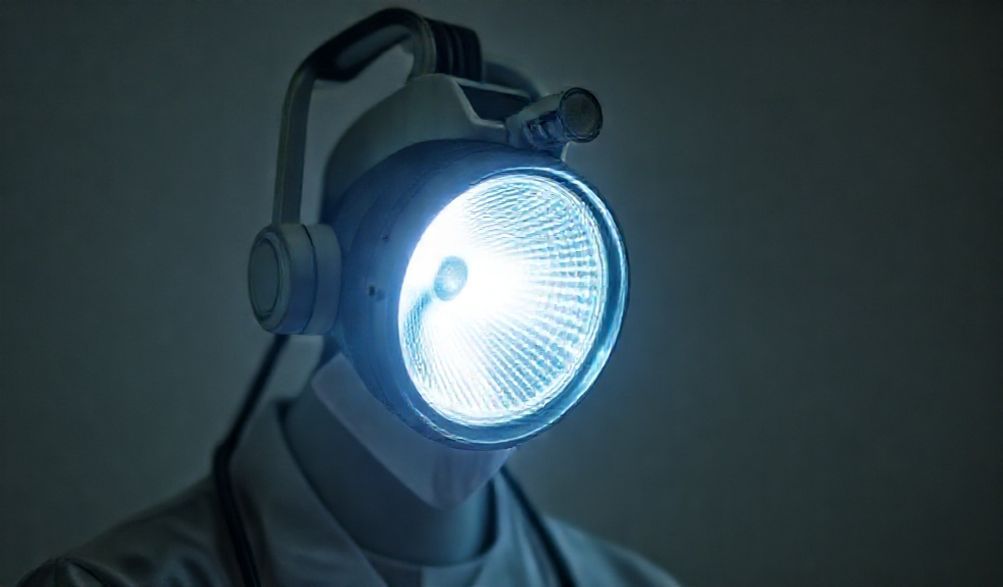
The Ultimate Guide to Doctor Head Lamps: Choosing the Best for Precision & Patient Care
Imagine a neurosurgeon navigating the intricate landscape of the brain, where a millimeter’s deviation can have profound consequences. Or a dentist performing a complex root canal, searching for elusive canal orifices in a shadow-filled chamber. In these moments, and countless others across medicine, vision is everything. The critical factor separating a routine procedure from a challenging one often isn’t just skill—it’s illumination. Perfect, shadow-free, bright light directed exactly where the practitioner is looking is not a luxury; it’s a fundamental component of modern clinical care.
For healthcare professionals, a doctor head lamp is far more than a simple hands-free flashlight. It is an essential extension of their senses, a tool that directly enhances diagnostic accuracy, procedural precision, ergonomics, and ultimately, patient outcomes. Choosing the right one, however, can be daunting amidst technical jargon and myriad options. This comprehensive guide is built on a foundation of technical research, practical insights, and an understanding of clinical workflows. Our goal is to provide you with an evidence-based framework to select the ideal head lamp for your specific practice, ensuring your investment elevates your standard of care.
What is a Medical Head Lamp and Why is it Essential?
Beyond a Flashlight: Defining the Medical Head Lamp
A medical head lamp is a specialized, hands-free lighting system designed to be worn on the head. Unlike ambient overhead OR lights or a flashlight held in the hand, its core purpose is to provide a powerful, focused beam of light that moves in perfect synchrony with the practitioner’s gaze. This eliminates the shadows cast by your own head, hands, and instruments, flooding the surgical or examination field with consistent, clear light. It transforms a passive viewing environment into an active, illuminated workspace.
Critical Applications Across Medical Fields
The utility of a high-quality head lamp spans virtually every medical and dental discipline:
- Surgery: From general and plastic surgery to specialized fields like ENT (Otolaryngology), ophthalmology, and neurosurgery, head lamps are indispensable for illuminating deep cavities, such as the sinuses, throat, or cranial base, where overhead lights cannot reach.
- Dentistry & Endodontics: For visualizing the dark interior of the oral cavity, identifying tooth fractures, performing precise crown preparations, and especially in endodontics, locating and negotiating narrow, deep root canals.
- Dermatology & Aesthetics: Essential for examining skin lesions with accurate color rendition and performing delicate procedures like filler injections, laser treatments, or mole removals with pinpoint accuracy.
- الطب البيطري: Provides crucial illumination for surgeries and examinations on animals, where positioning and access can be even more challenging.
- Emergency Medicine & Wound Care: In trauma bays, during emergency procedures, or at the bedside for wound assessment and debridement, a portable head lamp offers reliable light regardless of the environment.
Core Benefits: Enhancing the Standard of Care
Investing in a proper medical head lamp yields tangible benefits:
- Improved Visual Acuity & Diagnostic Accuracy: High-quality light with excellent color rendering allows you to see subtle tissue variations, differentiate between structures, and identify pathologies you might otherwise miss.
- Enhanced Procedural Precision and Efficiency: With both hands free and a perfectly lit field, your movements become more confident and efficient, potentially reducing procedure time and improving outcomes.
- Superior Ergonomics: By bringing the light source to the field, you reduce the need to crane your neck or twist your body to catch light from a fixed source, significantly decreasing strain and fatigue during long procedures.
- Hands-Free Operation: This is paramount for maintaining a sterile field and utilizing bimanual technique, whether you’re suturing, retracting tissue, or manipulating dental instruments.
Key Features to Consider When Choosing a Doctor Head Lamp
Navigating the specifications is key to a smart purchase. Here are the critical features to evaluate.
Light Source Technology: LED vs. Halogen/Xenon
The light source is the heart of the device.
- LED (Light Emitting Diode): The unequivocal modern standard. LEDs offer a cool operating temperature (preventing patient discomfort and lens fogging), an exceptionally long lifespan (often 50,000 hours), and high energy efficiency. Most importantly, high-quality medical LEDs provide a consistent Color Rendering Index (CRI) of 90 or higher. A high CRI ensures that the colors of tissues, blood, mucosa, and restorative materials are rendered truthfully, which is critical for accurate diagnosis and work.
- Halogen/Xenon: Once common, these are now largely obsolete. They produce a warmer, more yellow light, generate significant heat, have a short bulb life, and are less energy-efficient. They are not recommended for new purchases.
Brightness (Lumens) and Beam Focus
- Lumens: This measures the total quantity of visible light emitted. For medical use, typical ranges are:
- 200-400 lumens: Suitable for general examinations, wound care, and basic dental procedures.
- 600-1000+ lumens: Necessary for surgery, deep cavity work (ENT, neurosurgery), and endodontics, where light must penetrate depth without scattering.
- Beam Focus: Adjustable focus (from a tight spot to a wide flood) is invaluable. A spot beam provides intense, deep illumination for focused work, while a flood beam offers broader coverage for examination or superficial procedures.
تصميم الراحة والقابلية للارتداء
You’ll wear this for hours, so comfort is non-negotiable.
- Headband Type: Elastic bands with Velcro adjustability are common and comfortable. Ratchet-style bands offer more precise, tool-free adjustment. Consider whether an over-the-head أو around-the-ear design feels more stable for you.
- Weight & Balance: The total weight and its distribution are crucial. A well-balanced lamp with a rear battery pack (or a lightweight all-in-one design) will feel much lighter than a front-heavy model.
- Materials: Look for moisture-wicking padding and hypoallergenic materials, especially if you have long procedures or sensitive skin.
Power Source and Battery Life
- Rechargeable Lithium-Ion Batteries are the standard, offering good power density and no memory effect.
- Runtime: Check the manufacturer’s stated runtime at the brightness level you’ll use most. A minimum of 2-3 hours at high power is advisable for surgical use. Quick-charge capabilities (e.g., 1-hour charge for several hours of use) are a highly practical feature.
- Battery Pack Location: A belt-clip battery pack removes weight from the head but adds a cable. Head-mounted batteries are more streamlined but can make the headpiece heavier.
Durability and Ease of Maintenance
- Build Quality: The device should feel robust, using medical-grade plastics and metals. It will likely be dropped or bumped in a busy clinical setting.
- Fluid Resistance: An IPX4 rating (splash resistance from all directions) or higher is essential. It allows for safe cleaning and disinfection with wipes or sprays without damaging the electronics.
- Disinfection: The device must be compatible with your facility’s infection control protocols. Ensure the manufacturer specifies which disinfectants are safe to use on the headband and light casing.
Types of Doctor Head Lamps and Their Best Uses
Matching the type of head lamp to your primary tasks is the final step in narrowing your choice.
Standard LED Head Lamps
- Best For: General dentistry, clinical examinations, wound care, suturing in the ER, veterinary check-ups.
- Typical Features: Moderate brightness (200-500 lumens), adjustable angle and often focus, simple rechargeable design, and emphasis on comfort for intermittent use.
High-Intensity / Surgical Head Lamps
- Best For: Any surgical specialty (especially deep cavity work like ENT, neurosurgery, spine), advanced endodontics, microsurgery, and long cosmetic procedures.
- Typical Features: High to very high lumen output (600-1500+), extremely precise and focused beam, often a separate belt-worn battery pack for extended runtime and balance, and robust construction. These are the workhorses of the OR.
Loupe-Integrated Head Lamp Systems
- Best For: Dentists, oral surgeons, periodontists, and other surgeons who routinely work with magnification loupes.
- الفوائد: The light source is mounted directly onto the loupe frame or through a beam-splitter, ensuring the light path is perfectly coaxial (aligned) with your line of sight through the lenses. This eliminates shadowing and glare caused by light coming from an angle, providing unparalleled illumination within the magnified field of view.
Lightweight & Disposable Head Lamps
- Best For: Emergency response kits, single-use or high-risk infection control scenarios (e.g., certain isolation rooms), or as a temporary backup. Some are battery-powered, others are fiber-optic based.
- Note: These prioritize sterility and convenience over premium light quality, adjustable focus, or long-term comfort.
How to Properly Use and Maintain Your Medical Head Lamp
A great tool lasts longer and performs better with proper care.
Fitting and Adjusting for Optimal Performance
- Secure the Headband: Position the headband so it sits comfortably and securely, above the eyebrows and below the crown. It should be snug enough not to slip but not cause pressure points.
- Position the Light Source: The light module should be positioned centrally on your forehead (or mounted on your loupes). Angle it so the beam hits your working area at a distance that provides the right field size and intensity.
- تجنب الوهج: Angle the light slightly downward from your sightline to prevent the beam from shining directly into your patient’s eyes or reflecting off instruments into your own.
Cleaning, Disinfection, and Sterilization Protocols
This is a critical safety and longevity issue.
- Always follow the manufacturer’s specific instructions for cleaning and disinfection (IFU).
- General Guideline: After each use, disconnect the power. Wipe down all external surfaces (headband, light casing, cable, battery pack) with a hospital-grade, low-level disinfectant wipe (e.g., CaviWipes, Clorox Healthcare wipes) compatible with the device’s materials. Avoid saturation and never immerse the components unless explicitly stated as safe.
- Headband Care: Many padded headbands have removable, washable pads. For non-removable bands, disinfectant wipes are the standard.
- Adhere to Facility Policy: Your clinic or hospital’s infection control policy always takes precedence.
Battery Care and Long-Term Storage Tips
- For Lithium-Ion batteries, avoid consistently draining them to 0%. It’s better to recharge when they reach 20-30%.
- If storing the lamp for an extended period, charge (or discharge) the battery to about 50% first.
- Periodically inspect cables and connectors for any signs of fraying, cracking, or damage.
قسم الأسئلة الشائعة
Q1: What is the ideal Color Rendering Index (CRI) for a medical head lamp?
ج: يوصى بشدة بمؤشر تجسيد لون 90 أو أعلى is strongly recommended. This ensures the colors of tissues, blood, and anatomical structures are rendered with high fidelity, which is vital for accurate diagnosis, differentiation between tissue types, and evaluating restorative materials in dentistry.
Q2: How many lumens do I really need for dental procedures/surgery?
ج: For general dentistry and examinations, 200-400 لومن غالبًا ما تكون كافية. بالنسبة للإجراءات الجراحية، خاصة في التجاويف العميقة (جراحة الفم، علاج الجذور، الأنف والأذن والحنجرة)،, 600-1000+ لومن توفر شدة الإضاءة وعمقها اللازمين دون التسبب في حرارة مفرطة. المصباح ذو السطوع القابل للتعديل يوفر أعلى درجة من التنوع في الاستخدام.
س3: هل يمكنني استخدام مصباح رأس عادي للتخييم في العمل الطبي؟
ج: غير موصى به بشدة. مصابيح الرأس التخييمية تفتقر إلى مؤشر تجسيد اللون العالي المطلوب للتمييز الدقيق للألوان، ولم تُصمم للراحة المطلوبة خلال ساعات الاستخدام، وموادها عمومًا غير متوافقة مع مطهرات الدرجة الطبية. كما أنها غير مصنوعة وفق معايير السلامة والمتانة الخاصة بالجهاز الطبي.
س4: كيف أمنع مصباح رأسي من تعتيق العدسات المكبرة أو نظارات السلامة؟
ج: أولاً، تأكد من توجيه حزمة الضوء عبر المركز البصري للعدسات المكبرة/النظارات، وليس من الأعلى أو الأسفل. استخدام بخاخات أو مناديل مضادة للتعتيق على عدساتك فعال للغاية. بعض الأنظمة المتقدمة المتكاملة مع العدسات المكبرة مصممة مع مراعاة تبديد الحرارة لتقليل هذه المشكلة.
س5: ما شهادات السلامة التي يجب أن أبحث عنها؟
ج: ابحث عن تصريح/تسجيل إدارة الغذاء والدواء الأمريكية كجهاز طبي، مما يشير إلى تقييمه من حيث السلامة والفعالية. علامة المطابقة الأوروبية (للسوق الأوروبية) و الامتثال لتوجيهية تقييد المواد الخطرة هي أيضًا مؤشرات مهمة على منتج مصمم ومصنع بشكل احترافي.
الخاتمة
اختيار مصباح الرأس الطبي المناسب هو قرار سريري مهم يعتمد على فهم جودة الضوء، التصميم الهندسي البشري، المتانة، واحتياجاتك الإجرائية الخاصة. إنه استثمار في حرفتك، راحتك، ورعاية مريضك. رجّح المنتجات من الشركات المصنعة ذات السمعة الطيبة التي توفر مواصفات تقنية واضحة، ودعمًا قويًا، وتعليمات استخدام تتماشى مع معايير مكافحة العدوى.
كخطوة أخيرة، قيّم طبيعة إجراءاتك الأكثر شيوعًا. إذا أمكن، جرّب نماذج مختلفة لتناسبها وإحساسها. استثمر في أداة عالية الجودة ستصبح جزءًا لا غنى عنه وموثوقًا به في ممارستك اليومية، تعزز بصمتك رؤيتك ودقتك وأداءك المهني لسنوات قادمة.
خطوتك التالية: استشر ممثل مبيعات طبي أو أسنان موثوقًا لعرض توضيحي، أو قارن بين أفضل 2-3 نماذج تتماشى مع تخصصك وسير عملك وميزانيتك.
ص>