
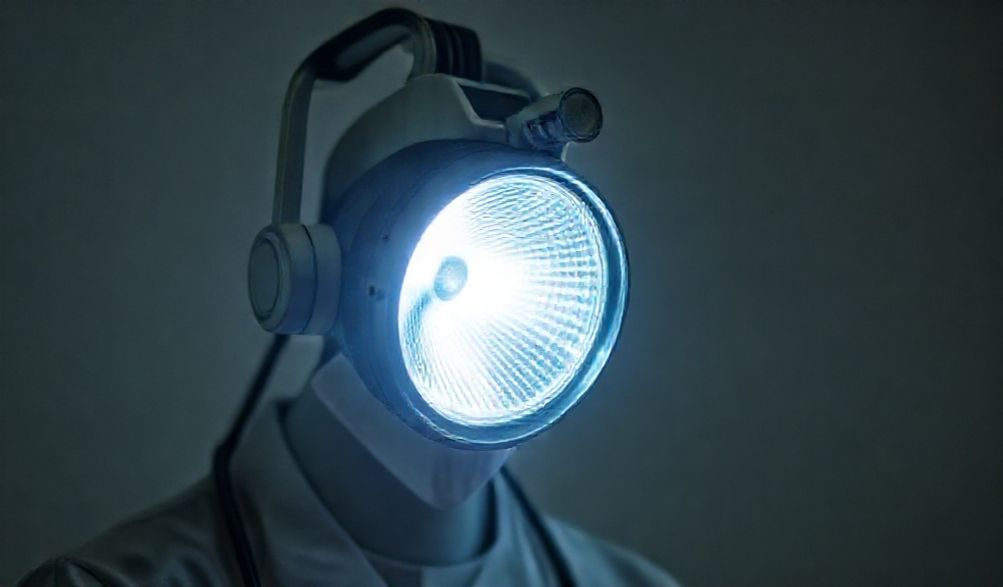
The Ultimate Guide to Doctor Head Lamps: Enhancing Precision in Medical Practice
Imagine a delicate otologic procedure: deep within the narrow, shadowy confines of the ear canal, a surgeon must identify minuscule anatomical structures, differentiate between healthy and inflamed tissue, and execute movements of sub-millimeter precision. The overhead surgical light, no matter how advanced, cannot bend its beam around the curve. The surgeon’s own head blocks the light, casting a frustrating shadow exactly where clarity is needed most. This scenario, repeated daily in operating rooms, emergency departments, and clinics worldwide, underscores a fundamental truth in medicine: vision is the primary sense of diagnosis and intervention, and light is its indispensable partner.
Optimal lighting is not a mere convenience; it is a critical component of patient safety and clinical accuracy. From spotting the subtle erythema of a nascent infection to visualizing the fine neural structures in microsurgery, poor illumination can lead to missed details, diagnostic uncertainty, and increased procedural risk. It forces practitioners into awkward, straining postures as they contort to catch the light, contributing to fatigue and occupational injury.
Enter the doctor head lamp (also known as a جراحي عام أو medical headlamp): a specialized, personal lighting tool engineered to solve these exact challenges. Far more than a simple head torch, it is a sophisticated system designed to deliver brilliant, focused, and shadow-free illumination directly into a cavity or onto a worksite, moving seamlessly with the practitioner’s gaze.
This comprehensive guide is built on an analysis of medical device functionality, ergonomic principles, and clinical requirements. Our purpose is to move beyond marketing specs and provide medical professionals—surgeons, dentists, dermatologists, ER physicians, and more—with the knowledge needed to make a confident, informed investment in a tool that will become an extension of their senses. We will explore the different types of headlamps, decode their key features, examine their wide-ranging applications, and provide a practical checklist for selection.
What is a Doctor Head Lamp and Why is It Essential?
Core Definition and Function
A doctor head lamp is a wearable, personal lighting system typically consisting of three main components: a light source (the lamp head), a power source (battery pack), and a headband or mounting apparatus. Its defining function is to provide hands-free, coaxial illumination—meaning the light is projected along the user’s direct line of sight. Unlike static overhead lights, the beam moves with every turn of the wearer’s head, ensuring the area of interest is always perfectly lit, regardless of angle or depth.
The Critical Advantages in Medical Settings
The benefits of integrating a high-quality headlamp into medical practice are profound and multifaceted:
- Precision & Accuracy: The primary advantage. By flooding a deep cavity or small field with intense, focused light, headlamps reveal fine details—think of the tiny vasculature in a wound bed, the fissures in a tooth, or the delicate bones of the middle ear. This enhanced visualization is the bedrock of accurate diagnosis and meticulous surgical execution.
- Hands-Free Operation: This is a game-changer for ergonomics and efficiency. With light fixed to their head, clinicians can use both hands simultaneously for instrumentation, retraction, and manipulation without interrupting their visual field to adjust a light stand or hold a penlight.
- Improved Patient Outcomes: Better visualization directly correlates with clinical outcomes. It can lead to reduced procedure times, more complete excision or treatment, and a lower potential for iatrogenic injury or complications. In short, it allows the practitioner to perform at their highest level.
- Practitioner Ergonomics: Fixed overhead lights often force clinicians into a “turtle neck” posture, craning forward and twisting to position the patient within the light pool. A headlamp eliminates this, allowing for a more neutral spinal and cervical alignment. This reduction in physical strain is crucial for professionals who perform lengthy procedures, helping to prevent chronic pain and career-shortening injuries.
Key Features to Consider When Choosing a Medical Headlamp
Navigating the specifications of medical headlamps requires understanding what each feature means for your daily practice.
Light Source Technology: LED vs. Halogen
This is the most fundamental choice, and the industry has reached a clear consensus.
- LED (Light Emitting Diode): The modern, preferred standard. LEDs offer a cooler operating temperature (preventing patient tissue drying and practitioner discomfort), exceptionally long lifespans (often 50,000+ hours), and high energy efficiency. They provide a consistent color temperature (typically daylight-balanced ~5000-6000K) from the moment they are turned on until the battery dies, with no dimming. Their durability and low maintenance make them the overwhelming choice for new systems.
- Halogen: Now largely considered legacy technology. Halogen bulbs produce a significant amount of heat, have a much shorter lifespan (often 50-100 hours), and gradually dim as they age. Their primary advantage was a high Color Rendering Index (CRI), but modern LEDs now match or exceed this. New purchases should almost exclusively focus on LED systems.
Brightness (Lumens and Lux) and Beam Characteristics
Brightness is measured in قياس شدة الإضاءة (total light output). However, in medicine, the more relevant metric is often مستوى الـ (illuminance), which measures how many lumens fall on a specific area at a set distance (e.g., 100,000 lux at 14 inches).
- Brightness Range: Needs vary by specialty. For general examinations (ENT, dermatology), 20,000-40,000 lux may suffice. For deep-cavity surgery (spinal, abdominal), 100,000 to over 150,000 lux is common. Adjustable brightness settings are invaluable for matching light intensity to the task.
- Beam Characteristics: The beam’s حجم البقعة الضوئية و عمق المجال are critical. A adjustable focus allows you to switch between a wide, shallow field for surface exams and a tight, deep spot for cavity work. A good “depth of field” means the beam stays in focus across a range of working distances, reducing the need for constant refocusing.
Power Source and Mobility
How the headlamp is powered affects its weight, balance, and convenience.
- Battery Pack (Belt-Mounted): A separate, rechargeable battery pack worn on the waist or belt. Pros: Often provides longer runtimes and keeps weight off the head. Cons: Involves managing a cord that runs up to the headpiece.
- Rechargeable (Integrated): A compact, rechargeable battery is integrated directly into the headband or the back of the head. Pros: Excellent mobility with no cords, often lighter and simpler. Cons: May have a shorter runtime per charge and can affect headband balance.
- Key Considerations: Evaluate عمر البطارية (2-6 hours on high is common for LEDs), charge time, and whether the system allows for hot-swapping batteries during long procedures.
Comfort and Ergonomics
If a headlamp isn’t comfortable, it won’t be used. Comfort is a performance feature.
- Headband Design: Look for wide, padded headbands that distribute weight evenly across the cranium. Many feature a crown strap for superior stability. The material should be moisture-wicking and easily cleanable.
- توزيع الوزن: A well-balanced system, whether the weight is on the head or split with a belt pack, prevents neck strain. The lamp head itself should be as lightweight as possible.
- Adjustability: يجب أن يكون الشريط الرأسي قابلاً للتعديل بسهولة لضمان تثبيت مريح ومخصص. كما يجب أن يوفر رأس المصباح محاور تعديل متعددة (لأعلى/لأسفل، لليسار/لليمين، إمالة) لمحاذاة الحزمة الضوئية بدقة مع محور الرؤية الخاص بك.
التطبيقات الرئيسية والتخصصات للمصابيح الطبية الرأسية
الجراحة والجراحة المجهرية
يُعد هذا التطبيق الأكثر تطلبًا، حيث تعتبر المصابيح الرأسية غالبًا معدات أساسية.
- طب الأسنان وجراحة الفم: لإضاءة تجويف الفم المظلم، وإبراز بنية الأسنان، وضمان الدقة أثناء أعمال الترميم، والزرعات، وجراحة الفم. تدمج العديد من الأنظمة مباشرة مع عدسات طب الأسنان المكبرة.
- طب الأنف والأذن والحنجرة: ضرورية للإجراءات في الأنف، والجيوب الأنفية، والحلق، وخاصة الأذن، حيث تكون التجاويف العميقة والضياقة هي السائدة.
- الجراحة التجميلية والتجديدية: تتيح التقييم الدقيق لحياة الأنسجة، والتماثل، والتشكيل الدقيق تحت التكبير العالي.
- جراحة الأعصاب وجراحة العمود الفقري العظمية: توفر إضاءة عميقة للجروح في الممرات الجراحية الضيقة، وغالبًا ما تُستخدم بالاقتران مع العدسات المكبرة الجراحية أو المجاهر.
- طب العيون: تُستخدم للإجراءات والفحوصات الخارجية، على الرغم أن العمل الداخلي يعتمد على إضاءة المجهر المتخصصة.
الفحص السريري والتشخيص
خارج غرفة العمليات، تُعد المصابيح الرأسية أدوات تشخيصية قوية.
- طب الجلدية: تكشف عن التغيرات الدقيقة في ملمس الجد و التصبغات. يمكن للمصابيح الرأسية المستقطبة المساعدة في تصور الهياكل تحت السطحية عن طريق تقليل الوهج السطحي.
- العناية بالجروح: أساسية لتقييم أنسجة الحبيبات في قاع الجرح، وكشف المواد النخرية، وتقييم التروية والعدوى في القرح العميقة.
- طب الطوارئ والرعاية الأولية: لإجراء فحوصات شاملة للعيون (فحص قاع العين)، والأذنين (فحص الأذن)، والحلق، والجلد دون التلعثم مع الأضواء المحمولة. يحسن السرعة والدقة في البيئات سريعة الوتيرة.
الأدوار الناشئة والداعمة
- الطب البيطري: يُستخدم في جراحة الحيوانات الصغيرة وفحصها بنفس الفوائد كما في الطب البشري.
- التدريب/التعليم الطبي: يسمح للمدربين بتوضيح التقنيات بإضاءة مثالية أو للطلاب برؤية ما يراه المدرب أثناء العروض التوضيحية.
- الإجراءات التجميلية: يوفر تصورًا واضحًا للحقن، والعلاجات بالليزر، وأعمال التجميل التفصيلية الأخرى.
كيفية اختيار المصباح الرأسي المناسب: قائمة مراجعة للمشتري
اختيار المصباح الرأسي هو قرار شخصي يجب أن يتوافق مع سير العمل السريري المحدد الخاص بك. توفر قائمة المراجعة هذه منهجية منظمة.
1. قيّم متطلباتك الإجرائية
ابدأ بالمراجعة الذاتية. ماذا تفعل؟ do?
* اذكر الإجراءات/الفحوصات الخمسة الأكثر شيوعًا لديك.
* ما هي مسافة العمل النموذجية لديك؟ مسافة العمل؟ (مثال: 14 بوصة لطب الأسنان، 18 بوصة للعناية بالجروح).
* هل تحتاج إلى مجال واسع أو بقعة مركزة وعميقة؟ ما هو سطوعك المطلوب؟ عمق المجال?
2. رتّب الأولويات للميزات بناءً على تخصصك
يحدد تخصصك ميزاتك “الضرورية”.
* طبيب الأسنان/جراح الفم: أعط الأولوية لتقليل الظلال، والتكامل السلس مع العدسات المكبرة، والتصميم خفيف الوزن للارتداء طوال اليوم. الجراح (أنف وأذن وحنجرة، تجميل، عمود فقري):, أعط الأولوية لأقصى سطوع (لوكس)، وتباين ممتاز، وشريط رأسي مستقر ومريح للحالات الطويلة.
* أخصائي الجلدية/العناية بالجروح: أعط الأولوية لمؤشر تجسيد الألوان المرتفع (CRI >90) لتقييم لون الأنسجة الحقيقي، وفكر في خيارات الضوء المستقطب. طبيب الطوارئ/الممارس العام:, أعط الأولوية لسهولة الاستخدام، والارتداء/النزع السريع، والسطوع العام الجيد، والتصميم اللاسلكي للتنقل. عمق المجال, 3. ضع في الاعتبار التكلفة الإجمالية للملكية.
* انظر إلى ما هو أبعد من سعر الملصق. * ما هي العمر الافتراضي لوحدة LED؟ (يجب أن يكون لعدة سنوات). * ما هي تكلفة وعمر بطاريات الاستبدال؟ * هل يقدم المصنع ضمانًا قويًا؟.
* Emergency Physician/General Practitioner: Prioritize ease of use, quick donning/doffing, good general brightness, and a cordless design for mobility.
3. Consider Total Cost of Ownership
Look beyond the sticker price.
* What is the lifespan of the LED module? (It should be many years).
* What is the cost and lifespan of replacement batteries?
* Does the manufacturer offer a strong warranty ودعم عملاء موثوق؟
* الشراء من موردي الأجهزة الطبية ذوي السمعة الطيبة أو الشركات المصنعة الراسخة. هذا يضمن لك تلقي منتجات أصلية، ومواصفات مناسبة، ودعم احترافي.
4. التجربة واختبار بيئة العمل
إذا كان ذلك ممكنًا على الإطلاق،, جرب قبل الشراء. ارتدِ المصباح الرأسي لفترة ممتدة (15-30 دقيقة) لتقييم:
* هل هو مريح ومستقر دون أن يكون ضيقًا جدًا؟
* هل يشعرك بالتوازن، أم أنه يميل إلى الانحناء للأمام/الخلف؟
* هل يمكنك ضبط الحزمة الضوئية بسهولة لتتماشى تمامًا مع عينيك؟
الأسئلة الشائعة (FAQ) حول مصابيح الأطباء الرأسية
س: ما هي العمر النموذجي للبطارية لمصباح رأسي LED قابل لإعادة الشحن؟
ج: يختلف ذلك بشكل كبير حسب الموديل وإعداد السطوع. غالبًا ما تقدم أنظمة LED الحديثة 2-4 ساعات على أعلى إعداد و6-10+ ساعات على الإعدادات المتوسطة أو المنخفضة. الأنظمة ذات حزم البطارية المثبتة على الحزام تقدم عمومًا أوقات تشغيل أطول.
س: هل يمكن تعقيم مصابيح الأطباء الرأسية؟
ج: وحدة الضوء/البصريات نفسها لا يتم تعقيمها أبدًا تقريبًا. ومع ذلك، فإن العصابة الرأسية والغلاف الخارجي لرأس المصباح مصممان للمسح بمطهرات من درجة المستشفى. قد تكون بعض العصابات الرأسية ومكونات محددة قابلة للتعقيم بالأوتوكلاف—تحقق دائمًا من مواصفات الشركة المصنعة للحصول على بروتوكولات التنظيف والتعقيم المعتمدة.
س: هل هذه المصابيح الرأسية متوافقة مع العدسات المكبرة الجراحية؟
ج: العديد منها متوافق. هناك ثلاثة أنواع رئيسية: 1) أضواء مثبتة على العدسات المكبرة التي تلتصق مباشرة بإطار العدسة المكبرة الخاصة بك، 2) أنظمة العصابة الرأسية مع مصباح منخفض الارتفاع يتناسب أسفل أو بجانب العدسات المكبرة، و3) أنظمة عدسات مكبرة/أضواء متكاملة بالكامل. تأكد من التوافق قبل الشراء.
س: ما مدى أهمية مؤشر تجسيد الألوان (CRI) للمصباح الرأسي الطبي؟
ج: في غاية الأهمية. يقيس مؤشر تجسيد الألوان (CRI) قدرة مصدر الضوء على إظهار الألوان الحقيقية لجسم ما مقارنة بالضوء الطبيعي. يعتبر مؤشر تجسيد ألوان مرتفع (90+) أمرًا بالغ الأهمية لتقييم صحة الأنسجة بدقة (الاحمرار، الزرقة، اليرقان)، والالتهاب، وتأكسج الدم. يمكن للأضواء ذات مؤشر تجسيد الألوان المنخفض أن تجعل الأنسجة تبدو باهتة أو تغير لونها الظاهري.
س: ما هو سطوع البداية الجيد (لوكس) للفحوصات العامة؟
ج: للفحوصات السريرية العامة (مثل الأنف والأذن والحنجرة، والأمراض الجلدية، والرعاية الأولية)، غالبًا ما يكون النظام الذي يوفر 20,000 إلى 50,000 لوكس على مسافة عمل قياسية تبلغ 12-16 بوصة كافيًا ومتعدد الاستخدامات. ستتطلب التخصصات الجراحية كثافات أعلى، تبدأ عادةً من 80,000 لوكس وتصل إلى مستويات أعلى بكثير.
الخاتمة
مصباح الطبيب الرأسي هو أكثر بكثير من مجرد قطعة معدات؛ إنه استثمار حيوي في الدقة السريرية، ورفاهية الممارس، وفي النهاية، رعاية مرضى متميزة. من خلال تقديم ضوء ساطع ومركّز تمامًا حيث ومتى تكون الحاجة إليه، فإنه يمكّن المهنيين الطبيين من رؤية المزيد، وفعل المزيد، والعمل بثقة أكبر.
عند اختيار نظامك، دع الثلاثية المكونة من جودة الضوء، والراحة، والمتانة توجه قرارك. يجب أن يشعرك المصباح الرأسي المناسب بأنه امتداد طبيعي لقدراتك الخاصة، يتلاشى في الراحة بينما يجعل رؤيتك أكثر فعالية بشكل عميق.
نحن نعزز مبدأ الخبرة، والموثوقية، والجدارة بالثقة (E-E-A-T) من خلال حثك على التشاور مع زملاء ذوي خبرة، والبحث عن عروض توضيحية من موردي المعدات الطبية الموثوقين، ومراجعة إرشادات الشركة المصنعة بدقة. الأداة المناسبة هي التي تدعم خبرتك المكتسبة بشق الأنفس بسلاسة وتعزز الثقة التي يمنحك إياها مرضاك.
خطوتك التالية: هذا الأسبوع، قم بمراجعة واعية لمهامك البصرية الأكثر تحديًا. حدد إجراءً أو فحصًا واحدًا فقط حيث تسببت الظلال، أو الزاوية السيئة، أو الضوء غير الكافي حتى في تردد أو إجهاد بسيط. تلك اللحظة هي نقطة انطلاقك لفهم القيمة التحويلية لمصباح شخصي مخصص. doctor head lamp.
ص>