
The Complete Guide to Hospital Lighting Fixtures: Enhancing Patient Care & Clinical Efficiency
We often think of hospital lighting as a simple utility—a means to see. But what if the luminaires overhead could do more? What if lighting could actively speed up a patient’s recovery, reduce clinical errors, and soothe a nervous family in the waiting room? The truth is, in the high-stakes environment of healthcare, lighting is a critical therapeutic tool and a foundational component of operational success.
This comprehensive guide delves into the specialized world of hospital lighting fixtures. We will move beyond basic specifications to explore how evidence-based lighting design directly impacts patient outcomes, supports staff well-being, and drives hospital efficiency. Synthesizing insights from healthcare design standards (like the Illuminating Engineering Society of North America and the Facility Guidelines Institute), clinical research on light’s biological impact, and practical installation expertise, this resource is crafted for healthcare facility managers, hospital administrators, clinical planners, architects, and interior designers dedicated to creating optimal healing environments.
Why Hospital Lighting is More Than Just Illumination
In a hospital, light serves a dual purpose: it is both a precise clinical instrument and a subtle environmental therapy. Understanding this duality is the first step toward specifying the right fixtures.
The Science of Light in Healing Environments
Light is a powerful biological signal. Our bodies are governed by circadian rhythms—24-hour cycles that regulate sleep, hormone production, metabolism, and immune function. These rhythms are primarily set by exposure to light and dark. In a traditional hospital setting, patients are often deprived of natural daylight and exposed to constant, static artificial light. This disruption can lead to poor sleep, increased confusion (especially in elderly patients), and a slower recovery process.
Clinical research underscores this connection. Studies have shown that tailored light exposure can reduce depression and anxiety in patients, decrease the perception of pain, and even shorten average length of stay. Lighting, therefore, is not passive; it is an active participant in the healing journey, influencing both physiological and psychological states.
Core Functional Requirements of Medical Lighting
To fulfill its complex role, hospital lighting must meet several core demands:
- Task Performance: This is non-negotiable. Lighting must enable precision. A surgeon needs to differentiate between shades of tissue. A nurse must read a medication vial accurately at 3 AM. Fixtures must deliver the right intensity, color quality, and directionality for the task at hand, free from distracting shadows or glare.
- Safety & Navigation: Hospitals operate 24/7. Lighting must ensure safe movement for patients (including those with mobility or vision impairments), staff rushing to an emergency, and anxious visitors finding their way. This requires consistent, uniform illumination in corridors, stairs, and public areas, with careful attention to transitions between spaces.
- Visual Comfort: Patients may spend days or weeks under artificial lights. Staff work long shifts. Poor lighting—causing glare, flicker, or eye strain—can lead to patient discomfort, headaches, and staff fatigue, which in turn can increase the risk of errors. Visual comfort is a cornerstone of a humane and efficient care environment.
Types of Hospital Lighting Fixtures & Their Specific Applications
The “one-size-fits-all” approach fails spectacularly in healthcare. Each area has unique demands, necessitating specialized fixtures.
Clinical & Surgical Lighting
Here, lighting is a direct extension of medical technology.
- أضواء غرفة العمليات: These are the pinnacle of medical lighting. Key features include:
- Shadow Reduction: Through multiple LED point sources or sophisticated reflector systems, they minimize shadows in deep cavities.
- Exceptional Color Rendering: A Color Rendering Index (CRI) of 90 or higher is standard, allowing for true tissue differentiation.
- التوافق مع التعقيم: Surfaces must be seamless and withstand harsh chemical cleaners.
- Adjustability: They offer variable intensity and color temperature to suit different procedures.
- Examination Lights: Used in ER bays, procedure rooms, and bedside exams, these lights prioritize flexibility. Articulating arms provide precise positioning, while high-intensity, focused beams ensure clinicians can see clearly for diagnostics and minor procedures.
Patient Room Lighting Systems
The patient room must transition from a clinical space to a restful sanctuary. A layered approach is key.
- General Ambient Lighting: Harsh overhead downlights are out. Indirect lighting, such as soffit or cove fixtures, washes the ceiling with a soft, diffuse glow, eliminating glare and creating a calmer, less institutional atmosphere.
- Patient-Centric Task Lights: A dedicated reading light with individual control empowers the patient. An overbed light, often integrated with the headwall, provides focused light for nursing care without disturbing the rest of the room.
- Night Lights & Safety Pathfinding: Integrated, low-level (1-5 lux) night lights with a warm color temperature provide enough guidance for safe trips to the bathroom without disrupting circadian rhythms or fully waking the patient.
Specialty Area Lighting
- Emergency Department & Trauma Bays: Lighting must be instantly adaptable—high-intensity, flicker-free light for critical interventions, with the ability to dim for patient assessment or family consultations.
- NICU & Maternity Wards: The focus is on protection and support. Tunable, gentle lighting minimizes stress on developing infant eyes, supports circadian development, and allows for care with minimal disruption. In postpartum rooms, lighting should support bonding and rest.
- Diagnostic Imaging Suites (MRI, CT): Fixtures must be non-ferrous (for MRI safety) and designed to avoid electromagnetic interference with sensitive equipment. They often provide low-level, patient-friendly illumination.
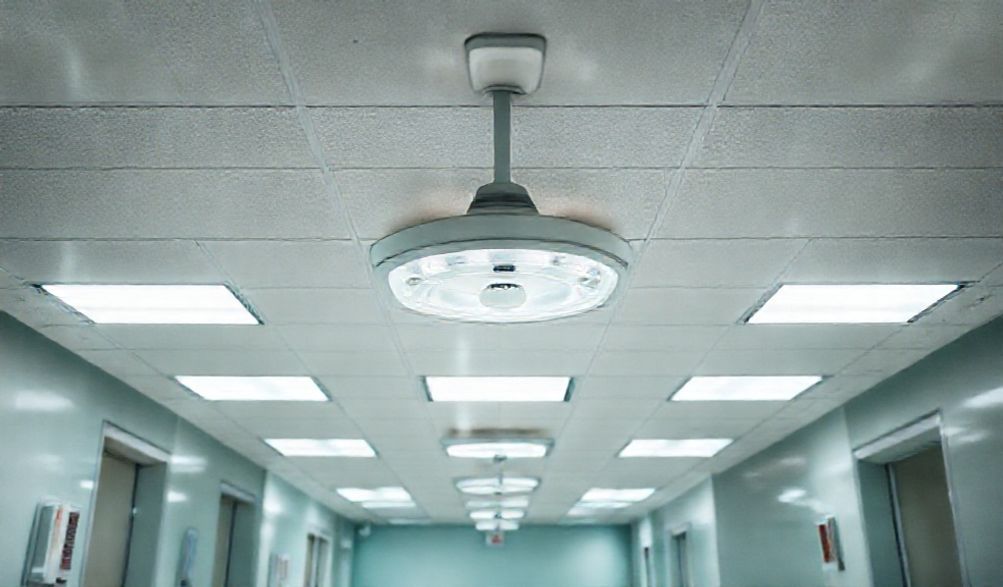
- Corridors & Public Areas: Durable, vandal-resistant fixtures provide even, welcoming light for wayfinding. In waiting areas, lighting should reduce stress, often using warmer tones and decorative elements to feel less clinical.
Key Specifications & Selection Criteria for Healthcare Fixtures
Navigating product specifications is crucial. Here’s what truly matters for hospital lighting fixtures.
Critical Performance Metrics
- Color Temperature (CCT) & Tunability: Measured in Kelvins (K).
- Warm White (2700K-3500K): Used in patient rooms, waiting areas, and dining spaces to promote relaxation.
- Cool White (4000K-5000K+): Used in surgical suites, clean corridors, and workstations to promote alertness and precision.
- Tunable White Systems: The gold standard for patient rooms and NICUs. These LED systems can automatically or manually shift CCT and intensity throughout the day to mimic natural daylight, supporting circadian health.
- مؤشر تجسيد الألوان (CRI): A scale of 0-100 indicating how accurately a light source reveals the true colors of objects. A CRI >90 is essential for clinical areas where assessing skin tone, tissue health, or bodily fluids is critical.
- التحكم في الوهج (تصنيفات UGR): يقيس مؤشر الوهج الموحد (UGR) الانزعاج البصري. للمناطق التي يقيم فيها الأشخاص لفترات طويلة (غرف المرضى، مراكز التمريض)، حدد تركيبات الإضاءة ذات مؤشر وهج منخفض (أقل من 19). تساعد ميزات مثل الحواجز العميقة، والعدسات، واستراتيجيات الإضاءة غير المباشرة في تحقيق ذلك.
المتانة، والنظافة، والامتثال
- المواد والإغلاق: يجب أن تتمتع تركيبات الإضاءة بهياكل سلسة وخالية من الفواصل دون شقوق يمكن أن تختبئ فيها مسببات الأمراض. الطلاءات المضادة للميكروبات على البوليمرات شائعة. في المواقع الرطبة (مثل أحواض الغسيل أو الحمامات)، فإن تصنيف الحماية من دخول الأجسام الغربية (IP) بمستوى IP44 أو أعلى ضروري لتحمل عمليات التنظيف والرطوبة.
- معايير السلامة والشهادات: ابحث دائمًا عن شهادة UL. بالنسبة لتركيبات الإضاءة التي تشكل جزءًا من جهاز طبي أو تُستخدم بالقرب من المرضى (مثل أضواء الجراحة)، قد يكون الامتثال لـ IEC 60601-1 IEC 60601-1 (سلامة المعدات الكهربائية الطبية).
- مطلوبًا. قوانين الطاقة والاستدامة: مع مصابيح LED، يمكن للمستشفيات تحقيق توفير كبير في الطاقة. تأكد من أن تركيبات الإضاءة تلبي القوانين المحلية مثل ASHRAE 90.1 وقانون كاليفورنيا. العنوان 24.
. ابحث عن كفاءة عالية (لومن لكل واط) وفكر في تركيبات متوافقة مع استغلال الضوء الطبيعي وأجهزة استشعار الوجود لتوفير إضافي.
نهج الإضاءة المتمحورة حول الإنسان (HCL) في المستشفيات.
الإضاءة المتمحورة حول الإنسان (HCL) هي التطبيق المتعمد للضوء لدعم صحة الإنسان ورفاهيته وأدائه. في المستشفيات، تمثل تحولًا نموذجيًا من الإضاءة الثابتة إلى الدعم الحيوي الديناميكي.
محاكاة دورة ضوء النهار الطبيعي
* تستخدم أنظمة HCL تقنية LED القابلة للضبط لخلق "وصفة" ضوئية ديناميكية على مدار دورة الـ 24 ساعة. في غرفة المريض، قد يعني هذا: الصباح (7 صباحًا):.
* ضوء أكثر كثافة وبرودة (5000 كلفن) لكبح الميلاتونين وتعزيز اليقظة. النهار:.
* ضوء ثابت وساطع لدعم النشاط والمزاج. المساء:.
* تخفيت تدريجي، والتحول إلى درجات أدفأ (3000 كلفن) لتشجيع الاسترخاء. الليل:.
ضوء كهرماني دافئ بمستوى منخفض جدًا للسلامة دون تعطيل الإيقاع اليومي.
فوائد قابلة للقياس للمرضى والموظفين
* البيانات الداعمة لـ HCL مقنعة: للمرضى: تشمل النتائج الموثقة تقليل مدة الإقامة، وتحسين جودة النوم، وانخفاض الاضطراب (خاصة في رعاية الخرف)، و.
* انخفاض مستويات الألم المبلغ عنها لطاقم الرعاية الصحية: يمكن للإضاءة الديناميكية في مراكز التمريض ومناطق الموظفين, تعزيز اليقظة أثناء نوبات العمل الليلية، وتقليل التعب، وتحسين المزاج العام والرضا الوظيفي.
، مما قد يقلل من الإرهاق ودوران الموظفين.
اعتبارات وتحديات التنفيذ, رغم قوتها، تتطلب HCL تخطيطًا مدروسًا. الاستثمار الأولي في التركيبات القابلة للضبط وأنظمة التحكم أعلى. يعتمد النجاح على التكامل السلس مع نظام إدارة المبنى (BMS) والأهم من ذلك،. تدريب الموظفين.
. يجب أن يفهم الأطباء وطاقم المنشأة هدف النظام وكيفية استخدام التحكم اليدوي لتلبية الاحتياجات السريرية.
أفضل الممارسات في التخطيط والتركيب والصيانة.
يمكن أن يفشل أفضل نظام إضاءة مُصمم بسبب التنفيذ السيئ. العملية المنضبطة حيوية.
عملية التصميم التعاوني لا يمكن أن يحدث تصميم الإضاءة بمعزل عن الآخرين. من المراحل الأولى، شارك:
* فريقًا متعدد الوظائف يشمل:.
* الأطباء السريريين (الممرضون، الجراحون) لتحديد متطلبات المهام.
* مديري المنشآت للحصول على نظرة ثاقبة للصيانة ودورة الحياة.
* أخصائيي مكافحة العدوى للتحقق من إمكانية التنظيف.
مصمم إضاءة ذو خبرة في الرعاية الصحية
لترجمة الاحتياجات إلى تصميم فعال ومتوافق.
* التركيب للأداء طويل الأمد الدقة أثناء التركيب تمنع المشاكل:.
* المرونة: استخدم قنوات التمديدات أو شبكات الأسقف القابلة للوصول للسماح بإعادة تهيئة الغرف في المستقبل.
* التشغيل التجريبي: بالنسبة للأنظمة القابلة للضبط والآلية، فإن التشغيل التجريبي السليم - أي ضبط مشاهد الإضاءة والجداول الزمنية الصحيحة - أمر ضروري لتحقيق الفوائد المقصودة.
جدول صيانة استباقي
يجب أن تظل إضاءة المستشفى تعمل بشكل متسق لسنوات.
* بروتوكولات التنظيف: أنشئ جداول تنظيف منتظمة باستخدام مطهرات معتمدة لا تلحق الضرر بالتشطيبات.
* استبدال مصابيح المجموعات المخطط له: لا تنتظر حتى تعطل التركيبات. حدد موعد استبدال وحدات LED أو السواقات على دفعات للحفاظ على مستويات إضاءة متسقة وجودة لونية، وتجنب تباين الأداء.
* المراقبة: كن متيقظًا للوميض أو تغير اللون، فهما علامتان على عطل السواقات ويمكن أن يؤثرا سلبًا على الراحة والسلامة.
قسم الأسئلة الشائعة
س: ما هو العامل الأهم عند اختيار إضاءة غرفة العمليات؟
ج: دقة تمثيل الألوان المتفوقة (CRI >90) والتقليل الاستثنائي للظلال لهما الأهمية القصوى للتمييز الدقيق للأنسجة وسلامة الإجراءات. كما أن إمكانية التعقيم والموثوقية بنفس الدرجة من الأهمية.
س: هل يمكن للإضاءة حقًا مساعدة مرضى الخرف أو الزهايمر؟
ج: نعم. الإضاءة المتسقة والصديقة للإيقاع اليومي هي تدخل غير دوائي ثبت أنها تساعد في تقليل أعراض “هيجان المساء”، وتحسين دورات النوم-اليقظة، وتقليل الهياج والارتباك لدى المرضى الذين يعانون من ضعف الإدراك.
س: هل مصابيح LED مناسبة عالميًا لجميع مناطق المستشفى؟
ج: تعتبر مصابيح LED عالية الجودة مثالية لمعظم المناطق نظرًا لكفاءتها وعمرها الطويل وإمكانية التحكم فيها. ومع ذلك، في غرف التصوير المعينة (مثل التصوير بالرنين المغناطيسي)، يلزم وجود تدريع محدد للترددات اللاسلكية/التداخل الكهرومغناطيسي وبناء غير حديدي لتجنب التداخل مع المعدات الحساسة.
س: كم مرة يجب تحديث أو استبدال أنظمة الإضاءة في المستشفى؟
ج: بينما يمكن أن تدوم تركيبات LED لأكثر من 50,000 ساعة، فإن إجراء تقييم تكنولوجي كل 5-7 سنوات أمر حكيم. فضوابط الإضاءة ومعايير الكفاءة وفهمنا للتأثير الطبي للضوء تتطور بسرعة. قد يدوم هيكل التركيبة، لكن محرك الإضاءة والضوابط قد يصبحان قديمين.
س: من يجب أن أستشيره لتجديد إضاءة مستشفى أو تصميم جديد؟
ج: تعامل مع مصمم إضاءة محترف (LC، IALD) أو مع شركة هندسة كهربائية لديها خبرة موثقة ومحددة في مشاريع الرعاية الصحية. يجب أن يفهموا سير العمل السريري، ومكافحة العدوى، واللوائح ذات الصلة (FGI، IESNA، NEC) التي تحكم المنشآت الطبية.
الخاتمة
تمثل تركيبات إضاءة المستشفى أكثر بكثير من مجرد بند في ميزانية البناء. إنها استثمار حاسم في النتائج السريرية وتجربة المريض وفعالية الموظفين. من تمكين الدقة المنقذة للحياة في غرفة العمليات إلى تقديم ضوء لطيف ومرشد في أحلك ساعات المريض، فإن الإضاءة المناسبة تملأ الفجوة بين القدرة التكنولوجية والتعاطف الإنساني.
تتطلب رحلة الوصول إلى الإضاءة المثلى تحقيق التوازن بين المعايير الصارمة القائمة على الأدلة والنهج المرتكز بعمق على الإنسان. فهي تتطلب تركيبات حادة سريريًا ولكنها مهدئة عاطفيًا، متقدمة تكنولوجيًا ولكنها بسيطة التشغيل. عندما يتحقق هذا التوازن، تتوقف الإضاءة عن كونها مجرد بنية تحتية. لتصبح جزءًا لا يتجزأ من فريق الرعاية، خالقة بيئة لا يتم فيها فقط علاج الشفاء بل يتم تنميته بنشاط.
دعوة للعمل: خذ لحظة لمراجعة إضاءتك الحالية. امشِ في الممرات ليس فقط كمسؤول، بل كمريض أو ممرضة في نوبة ليلية. هل الضوء يدعم احتياجاتهم؟ عند التخطيط للتحديث القادم أو البناء الجديد، تجاوز مجرد اللومن الأساسي. اطرح الأسئلة الأعمق حول اللون والتحكم والصحة اليومية. فكر في الاستشارة مع أخصائي إضاءة للرعاية الصحية لضمان أن بيئتك تدعم حقًا مهمتها الحيوية.
ص>