
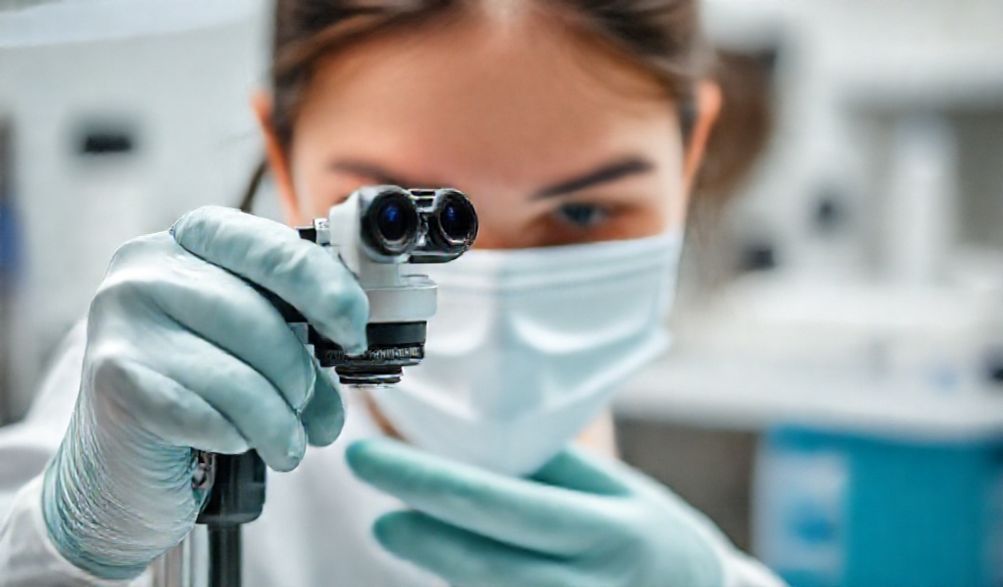
Hygiene Loupes: The Essential Guide to Sterilization, Maintenance & Best Practices
You’re in the middle of a complex procedure. Every detail matters—the margin of a prep, the integrity of a suture, the subtle shade variation in a restoration. Your loupes bring this microscopic world into focus, becoming an extension of your own vision. But in that same critical moment, this essential tool rests against your skin, potentially exposed to aerosols, splatter, and pathogens. This juxtaposition defines the modern clinician’s dilemma: how do you ensure your loupes deliver optically perfect vision while remaining impeccably clean and safe?
The answer is not just about wiping off a lens. It’s about a systematic, evidence-based approach to hygiene that protects your patients, protects you, and safeguards a significant professional investment. This guide is built from a synthesis of manufacturer protocols, peer-reviewed clinical guidelines, and the hard-won insights of seasoned practitioners. Our goal is to move beyond guesswork and provide a clear, actionable framework for the entire hygiene lifecycle of your hygiene loupes.
This post will walk you through a step-by-step protocol for daily cleaning and disinfection, demystify sterilization methods, and outline routine maintenance for long-term performance. By the end, you’ll have a comprehensive understanding of how to maintain hygiene loupes for compliance, clinical safety, and lasting value.
Why Loupe Hygiene is Non-Negotiable in Clinical Practice
Infection control is the bedrock of safe clinical practice. Regulatory bodies like the CDC and OSHA, alongside dental and medical boards, establish clear guidelines for patient care equipment. While loupes may not always be classified as a “critical” instrument that enters sterile tissue, they are unequivocally a semi-critical أو non-critical surface that frequently contacts mucous membranes, intact skin, and is exposed to infectious agents. Treating them as anything less than a key component of your infection control chain is a risk you cannot afford.
The Risks of Contaminated Loupes
The consequences of poor loupe hygiene are twofold, impacting both human health and your equipment.
- Cross-Contamination Between Patients: Residual pathogens on the frame, nose bridge, or temple arms can transfer from one patient to another, or from the clinical environment to the patient. This breaches a fundamental standard of care.
- Personal Infection Risk for the Practitioner: Loupes sit on your face, often for hours. Contaminants—including threats like MRSA, hepatitis, or herpes simplex virus—can transfer from the loupes to your skin, particularly around the eyes and nose, posing a direct occupational hazard.
- Damage to Loupes from Improper Cleaning: Using harsh, abrasive, or incompatible chemicals is a silent killer of optical equipment. It can permanently degrade anti-reflective and scratch-resistant coatings, cloud lenses, and weaken frame materials, leading to costly repairs or premature replacement.
The Dual Benefit: Patient Safety & Equipment Investment
Adhering to a strict hygiene protocol is a win-win. Primarily, it is a non-negotiable element of patient safety and professional ethics. It builds patient trust and meets the highest clinical standards. Secondly, proper care directly protects your financial investment. A high-quality pair of surgical or dental loupes represents a substantial outlay. Meticulous hygiene loupes practices preserve optical clarity, structural integrity, and functionality for years, maximizing your return on investment.
Your Step-by-Step Guide to Daily Cleaning & Disinfection
Consider this your actionable, end-of-day (or between-patient, if required by protocol) routine. Consistency here is more important than intensity.
Pre-Cleaning: The Essential First Step
Never start by wiping a dirty lens. You’ll grind debris across the coatings.
- Gently Remove Debris: Use a clean, dry, lint-free microfiber cloth to softly brush away any visible dust or splatter from the lenses and frame.
- Use a Blower for Particles: For stubborn, gritty particles on the lens, use a photographer’s blower bulb to puff them away. Crucial Tip: Never tap your loupes against your hand or a surface to dislodge debris, as this can misalign the precise optical barrels.
Choosing the Correct Disinfectant
This is where many well-intentioned clinicians go wrong. Not all disinfectants are created equal for optics.
| Agent Type | Safe for Lenses? | Safe for Frames? | Notes |
| :— | :— | :— | :— |
| 70% Isopropyl Alcohol (IPA) Wipes/Spray | Yes, with caution | Yes | Effective and fast-drying. Use sparingly on lenses; excess can seep into edges and damage adhesives over time. Always follow with a dry wipe. |
| EPA-registered Dental Surface Disinfectants (e.g., CaviWipes, Sani-Cloth) | Check Label | Yes | Many are safe for frames. NEVER use on lenses unless the label explicitly states it is safe for coated optics or eyewear. Most are not. |
| Pre-moistened Lens Cleaning Pads (Brand-specific or for coated lenses) | Yes | Yes | Often the safest, pre-measured option for full loupe cleaning. Designed to be non-damaging to delicate coatings. |
| Diluted Mild Soap & Water Damp Cloth | Yes | Yes | A safe option for frames and a last resort for lenses if no other option is available. Dampen, don’t soak, the cloth. Dry immediately and thoroughly. |
| BLEACH, Ammonia (e.g., Windex), Acetone, Abrasive Wipes/Sprays | NO | NO | STRICTLY FORBIDDEN. These will permanently destroy anti-reflective coatings, cloud lenses, and degrade plastics and metals. |
The Wiping Technique: Protecting Coatings
The “how” is as important as the “what.”
- The Method: If using a spray, employ a “spray-wipe-spray-wipe” technique: spray the disinfectant on a clean microfiber cloth, wipe the surfaces, discard that cloth, use a fresh cloth with disinfectant for a second pass, then dry with a third clean, dry section of a microfiber. For wipes, use a “wipe-discard-wipe” method with two separate wipes.
- Lens Direction: Wipe lenses using gentle pressure in a single, straight direction (e.g., from top to bottom), rather than small circles. This minimizes the chance of grinding any remaining micro-debris in a circular scratch pattern.
- Complete Coverage: Don’t forget the entire frame—the nose bridge pads (or the entire frame if using a hygienic sleeve), the hinge areas, and the temple arms. These are high-contact points.
Understanding Sterilization Methods for Loupes
It’s vital to distinguish between disinfection (destroying most pathogens on a surface) and sterilization (the complete elimination of all microbial life, including spores). For most daily practice, high-level disinfection is sufficient. However, certain situations demand sterilization.
When is Sterilization Required?
Sterilization of your hygiene loupes should be considered:
* Following any known exposure to blood or Other Potentially Infectious Materials (OPIM) that breaches the frame’s barrier (e.g., a splash behind a hygiene sleeve).
* As mandated by your specific clinic, hospital, or surgical center protocol for semi-critical equipment.
* When in doubt, following the most stringent guideline applicable to your setting.
Compatible Sterilization Methods
Warning: Autoclaving (steam sterilization) is almost NEVER safe for optical loupes. The intense heat, pressure, and moisture will almost certainly destroy the precise optical alignment (collimation), delaminate lenses, and ruin coatings.
The two primary low-temperature methods are:
- Low-Temperature Hydrogen Peroxide Plasma (e.g., STERRAD® Systems): This is often the gold-standard and manufacturer-recommended method for sterilizing delicate optics and electronics. The process uses hydrogen peroxide vapor and low-temperature plasma to achieve sterilization without the damaging effects of heat and moisture.
- Ethylene Oxide (EtO) Gas: An effective low-temperature sterilization method. However, it requires long cycle times and aeration periods, and is less commonly available in all clinical settings.
Always, without exception, confirm your specific loupe model’s compatibility with any sterilization method by consulting the manufacturer’s official instructions for use (IFU).
Routine Maintenance for Long-Term Performance & Hygiene
Hygiene extends beyond cleaning. Proactive maintenance ensures your loupes remain safe, comfortable, and functional.
Weekly & Monthly Checkpoints
- Screw Inspection: Gently check for loose screws at the critical hinge points and declination angle mechanism. A small jeweler’s screwdriver can be used to برفق tighten them—do not overtighten.
- Light Cable Inspection (for TTL/Flip-Up): Examine the sheathing of your fiber optic or LED light cable for cracks, frays, or bite marks. Damaged sheathing is a hygiene breach and a potential electrical hazard.
Proper Storage: The Final Step of Hygiene
How you store your loupes is the final act of a good hygiene protocol.
* Always use a hard, crush-resistant case. The soft pouch they came in is for transport inside the hard case, not for primary storage.
* Keep the case clean and dry. Wipe the interior periodically with a disinfectant.
* Avoid environmental extremes. Never leave loupes in a hot car, in direct sunlight, or in a freezing cold environment, as this can damage lenses and frame materials.
When to Send for Professional Servicing
Recognize when a problem is beyond routine care:
* Persistent Misalignment: If the two barrels no longer produce a single, clear, fused image, the collimation is off.
* Coating Damage: Visible, permanent haze, peeling, or rainbow-colored patterns on the lenses.
* Structural Damage: Cracked lenses, broken frame arms, or stripped screw threads.
* Always use a manufacturer-authorized service center. They have the tools, parts, and expertise to properly repair and recollimate your precise optical instruments.
Frequently Asked Questions (FAQ) on Loupe Hygiene
Q: Can I use ultrasonic cleaners on my dental loupes?
ج: عادةً،, لا. The high-frequency vibrations can loosen the cemented optical elements within the barrels and accelerate coating degradation. Always defer to your specific manufacturer’s guide, but most prohibit ultrasonic cleaning.
Q: How do I safely clean the magnification lenses without scratching them?
ج: The golden rule is: soft cloths and gentle agents. Always remove large debris first with a blower bulb or soft brush. For cleaning, use only lens-safe pre-moistened pads or a microfiber cloth lightly dampened with a recommended solution. Never use paper towels, tissues, or your clothing, as these can contain abrasive fibers.
س: تحتوي عدستي المكبرة على ضوء LED مدمج. كيف يمكنني تنظيفها؟
ج: اتبع إجراءات تنظيف العدسات والإطار القياسية الموضحة أعلاه. قبل البدء في التنظيف، تأكد من إيقاف تشغيل الضوء OFF وقم، إن أمكن، بفصل البطارية أو إزالتها. احرص على تجنب دفع السوائل الزائدة إلى منفذ الضوء أو نقطة الاتصال. للاستفسارات المحددة، راجع تعليمات شركة تصنيع الضوء بالإضافة إلى دليل العدسة المكبرة.
س: كم مرة يجب أن أستبدل الرغوة على عدستي المكبرة الصحية؟
ج: إذا كانت عدساتك المكبرة تستخدم أكمامًا صحية قابلة للاستبدال أو وسادات جبهية من الرغوة، قم بتغييرها وفقًا لجدول الشركة المصنعة (مثل يوميًا، أسبوعيًا). يجب استبدالها فورًا إذا كانت ممزقة أو متسخة بشكل مرئي أو فقدت خاصية الالتصاق، حيث أن الحاجز المعرض للخطر يمثل إخفاقًا في مكافحة العدوى.
الخاتمة
تتطلب الرحلة خلال اليوم السريري الدقة والسلامة على حد سواء. وتلعب عدساتك المكبرة دورًا محوريًا في كليهما. كما أوضحنا، فإن الصيانة hygiene loupes ليست مهمة عابرة ولكنها جزء أساسي ومنضبط من بروتوكول مكافحة العدوى الخاص بك. إنها تحمي مرضاك مباشرة من التلوث المتبادل، وتحميك من التعرض المهني، وتحافظ على وضوح وأداء أداة الرؤية الأساسية الخاصة بك.
الالتزام بهذه الممارسات المبنية على الأدلة والمتوافقة مع إرشادات الشركة المصنعة هو علامة حاسمة على الطبيب السريري الدقيق والمحترف. إنها تحول عدساتك المكبرة من مجرد مكبر إلى عنصر موثوق وآمن في ممارستك.
لجعل التنفيذ سلسًا، قمنا بإنشاء أداة بسيطة لك.
الدعوة الأساسية للإجراء: حمل قائمة فحص قابلة للطباعة للنظافة والصيانة للعدسات المكبرة للحفاظ عليها في غرفة العمليات أو منطقة التعقيم كدليل مرجعي سريع.
الدعوة الثانوية للإجراء: تذكر أن المرجع النهائي لنموذجك المحدد يظل دائمًا هو دليل العناية الرسمي للشركة المصنعة. استخدم هذه المقالة كمرجع شامل لك، ولكن قم دائمًا بالتدقيق المتبادل مع دليل الاستخدام المرفق بعدساتك المكبرة. ضع إشارة مرجعية على هذه الصفحة وارجع إليها لضمان بقاء ممارساتك حديثة وفعالة.
ص>