
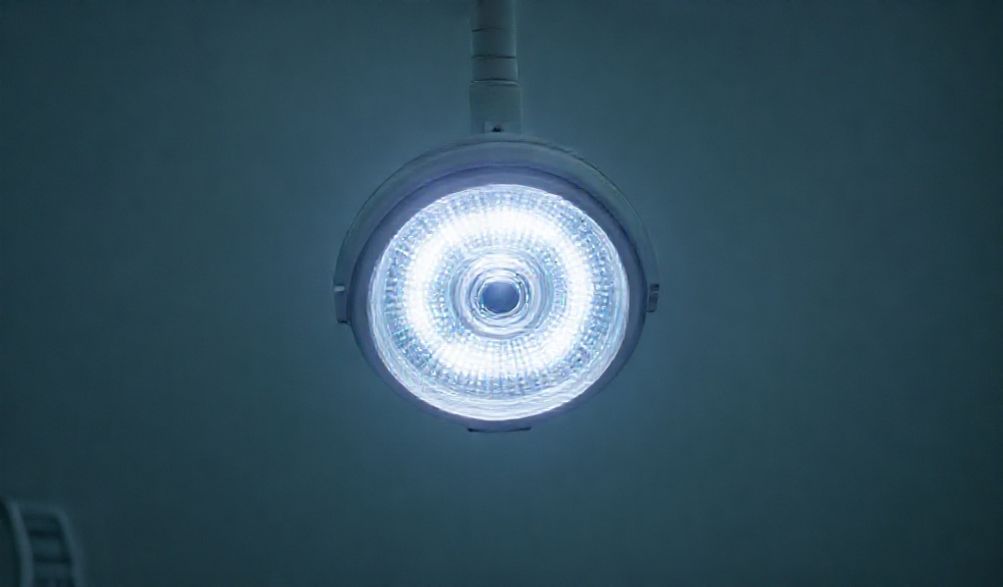
The Ultimate Guide to LED Exam Lights: Enhancing Patient Care & Clinical Efficiency
Picture this: you’re in the middle of a detailed wound assessment. The patient is anxious, and you need to discern subtle variations in tissue color and moisture. As you lean in, the overhead halogen lamp casts a harsh, uneven glow, creating deep shadows that obscure the wound margins. The fixture hums and radiates a palpable heat onto your neck and the patient’s skin. You adjust the arm, but it’s stiff, and the light flickers momentarily. In that instant, diagnostic confidence wavers, replaced by frustration with a tool that should be your ally, not your adversary.
This scenario is all too familiar in clinics still relying on outdated incandescent or halogen exam lighting. Suboptimal illumination isn’t just an inconvenience; it’s a clinical liability that can compromise diagnostic accuracy, accelerate practitioner fatigue, and detract from the patient experience. The solution, however, is illuminatingly clear: the modern LED exam light.
This comprehensive guide is designed to be your definitive resource. Built on industry standards, clinical evidence, and practical insights, we’ll cut through the technical jargon to provide healthcare professionals, practice managers, and procurement specialists with the trustworthy information needed to make an informed decision. You’ll learn not just how LED technology works, but how its specific benefits translate directly to improved patient care, operational savings, and a better working environment. Let’s shed light on the future of clinical examination.
What Are LED Exam Lights & How Do They Work?
At first glance, an LED exam light might seem like a simple upgrade—a newer, brighter bulb. In reality, it represents a fundamental technological shift in medical illumination, engineered for precision, reliability, and efficiency.
Beyond the Bulb: The Technology Inside
Traditional halogen lights work by heating a tungsten filament until it glows white-hot, a process that converts over 90% of energy into wasted heat. A Light Emitting Diode (LED), in contrast, is a semiconductor device. When an electrical current passes through it, electrons move within the semiconductor material, releasing energy in the form of photons—light. This electroluminescence process is inherently more efficient, producing more light per watt of electricity with minimal heat.
إن مصباحًا عالي الجودة LED exam light is a sophisticated system, not just a diode:
* LED Chips: The core light source. Medical-grade lights use an array of chips to achieve high, uniform output.
* Heat Sink: Although LEDs run cool, the electronic driver generates some heat. An aluminum heat sink passively draws this heat away, protecting the LED’s longevity.
* Driver: This crucial component regulates the power supply to the LEDs, ensuring consistent, flicker-free performance and enabling features like dimming.
* Optical Lens/Reflector: This system shapes and directs the light beam. Advanced optics create a wide, uniform field with excellent shadow control, eliminating the “hot spot” common in older lights.
Key Performance Metrics for Medical Lighting
Understanding these specifications is key to selecting a light that meets clinical demands:
- Color Temperature (CCT): Measured in Kelvins (K), this describes the “warmth” or “coolness” of light. Halogen lights are typically very warm (~3000K). Medical LED exam lights often offer daylight-balanced temperatures (4500K – 5500K). This cooler, whiter light enhances contrast and is less likely to alter the perceived color of tissue and fluids, which is critical for accurate diagnosis.
- مؤشر تجسيد الألوان (CRI): On a scale of 0-100, CRI measures a light’s ability to reveal the true colors of an object compared to natural sunlight. For clinical settings, a CRI of 90 or higher is essential. A high CRI ensures you can accurately distinguish between shades of red (inflammation, erythema), blue (cyanosis), and yellow (jaundice).
- Lux/Illuminance: This is the measure of light intensity falling on a surface. General exam rooms may require 1,000-2,000 lux, while detailed procedures like suturing or dermatology can demand 5,000 lux or more. A good LED exam light provides adjustable, high-intensity illumination without excessive glare.
- Shadow Control & Uniformity: Poor lighting creates obstructive shadows from hands and instruments. Medical LEDs use advanced optical designs to produce a wide, even “light field.” This shadow-reduced illumination allows for clear visualization from multiple angles, improving procedural accuracy and ergonomics.
Top Benefits of Upgrading to LED Exam Lighting
The transition from halogen to LED is more than a simple bulb swap; it’s an upgrade that touches every aspect of clinical practice.
Unmatched Clinical Accuracy & Diagnostic Confidence
This is the paramount benefit. The combination of high CRI (>90) and optimal daylight color temperature (4500-5500K) provides exceptional tissue differentiation. Practitioners can more clearly visualize:
* Subtle variations in skin tone and texture.
* The true color and margins of wounds, rashes, and lesions.
* Vasculature and capillary refill.
* The nuances of oral, aural, and nasal cavities.
This enhanced visual fidelity supports more accurate diagnoses, better documentation, and ultimately, improved patient outcomes.
Enhanced Practitioner Comfort & Reduced Fatigue
Clinician well-being directly impacts care quality. Halogen lights are essentially small heaters, radiating significant infrared energy that can cause discomfort during prolonged exams. LED exam lights emit virtually no IR radiation, keeping the clinician’s head, neck, and hands cool—and more importantly, keeping the patient comfortable. Furthermore, quality LEDs are completely flicker-free, eliminating a subtle but significant source of eye strain and headaches during long clinical days, allowing for sustained focus.
Significant Operational Cost Savings & Sustainability
The financial argument for LED is compelling. Consider a typical halogen exam lamp drawing 150 watts versus a medical LED equivalent at just 15-30 watts. This 80-90% reduction in energy consumption leads to direct, substantial savings on utility bills.
The longevity is even more impactful. Where a halogen bulb may last 1,000-2,000 hours, an LED exam light boasts a rated lifespan of 30,000 to 50,000 hours (L70 rating, meaning time until light output depreciates to 70%). This translates to over a decade of typical clinical use without a bulb change, eliminating the recurring cost of replacement lamps and the staff time needed to change them. This reduced waste, coupled with lower energy demand, also makes LED lighting a clearly sustainable choice for environmentally conscious practices.
Improved Patient Experience & Safety
Patient perception matters. The cool-to-the-touch surface of an LED light eliminates the burn risk associated with hot halogen housings. The absence of glaring hot spots and irritating heat creates a more calming, less clinical atmosphere. A comfortable patient is more cooperative, facilitating a smoother examination and a more positive overall impression of the care received.
How to Choose the Right LED Exam Light: A Buyer’s Checklist
With numerous options available, selecting the right light requires a methodical approach tailored to your specific needs.
Assessing Your Clinical Application & Specialty Needs
First, define the primary use case:
* Primary Care/Family Medicine: Versatility is key. Look for a light with a broad, even field, good color rendering, and easy maneuverability for full-body exams.
* طب الجلدية: Requires very high intensity (lux) and exceptional CRI for detailed lesion analysis. Consider lights with magnification or camera integration.
* Dentistry/Oral Surgery: Needs a focused, intense beam with excellent shadow control for the oral cavity. Ergonomic handles and autoclavable tips are common requirements.
* Surgery/Minor Procedure: Lights must be sterile-field compatible, often with a dedicated surgical design offering extreme depth of field and shadow reduction.
* Specialty (ENT, Colposcopy): غالبًا ما يتم دمجها في نطاقات أو وحدات متخصصة ذات خصائص حزمة محددة للغاية.
مقارنة الميزات والمواصفات الرئيسية
استخدم قائمة المراجعة الذهنية هذه عند مقارنة الموديلات:
1. مؤشر تجسيد اللون (CRI): يجب أن يكون ≥90. لا تتهاون في هذه النقطة.
2. درجة حرارة اللون المترابطة (CCT): 4500K-5500K هو المعيار الطبي للحصول على تباين أمثل.
3. ذروة الاستضاءة: تأكد من أنها تلبي متطلبات اللكس لإجراءاتك الأكثر تطلبًا.
4. نطاق التعتيم: يتيح التعتيم السلس والمستمر من 10% إلى 100% ضبطًا مثاليًا لأي مهمة أو حساسية للمريض.
5. قطر الحزمة والتوحيد: ابحث عن مواصفات حجم مجال الرؤية و“البقعة الساخنة” مقابل توحيد الحواف.
6. الشكل العام: قرر أفضل نوع تركيب: مثبت على الحائط (يوفر المساحة)،, مثبت على السقف (يُعظم مساحة الأرضية)،, حامل أرضي متحرك (مرن)، أو مصباح رأس (لا يستخدم اليدين).
سهولة الاستخدام والتنقل وعلم Ergonomics
الإضاءة جيدة فقط إذا كان بإمكانك توجيهها بلا جهد. قم بالتقييم:
* القدرة على المناورة: هل تتحرك الذراعان بسلاسة عبر نطاق حركة كامل؟ هل التوازن المعاكس قوي بما يكفي للثبات بدقة؟
* المدى والتوصيل: هل يمكن للمصباح تغطية طاولة أو كرسي الفحص بالكامل بسهولة؟
* عناصر التحكم: هل هي بديهية ويسهل الوصول إليها - غالبًا ما تكون مستشعر لمس مثبت على المقبض أو دواسة قدم؟
* مكافحة العدوى: هل الأسطح سلسة ويسهل تنظيفها؟ هل تتوافق مع مطهرات المستشفيات الشائعة؟
فهم الشهادات والامتثال
هذا أمر لا يمكن التفاوض عليه لسلامة المرضى والموظفين. تأكد من أن أي LED exam light تفكر فيه يكون:
* مسجل لدى إدارة الغذاء والدواء الأمريكية (FDA): كجهاز طبي من الفئة الأولى أو الثانية، مما يؤكد أنه مخصص للفحص الطبي.
* متوافق مع معيار IEC 60601-1: هذا هو معيار السلامة الدولي للمعدات الكهربائية الطبية، ويغطي السلامة الكهربائية والميكانيكية والحرارية.
* متوافق مع توجيه RoHS: يقيد استخدام المواد الخطرة (مثل الرصاص أو الزئبق) في عملية التصنيع.
التركيب، الصيانة، وأفضل الممارسات
اعتبارات التركيب الاحترافي
للمصابيح المثبتة (على الحائط أو السقف)، يوصى بالتركيب الاحترافي. تشمل الاعتبارات الرئيسية:
* التركيب للأداء طويل الأمد قم بتركيب القاعدة أو السكة للسماح للمصباح بتغطية منطقة الفحص بالكامل دون عرقلة سير العمل أو المعدات الأخرى.
* الكهرباء: تأكد من أن المنفذ أو التوصيل المباشر بالأسلاك يلبي الرموز الكهربائية المحلية ومواصفات الشركة المصنعة.
* الارتفاع والتوجيه: ضع نقطة التركيب لتعظيم نطاق حركة المصباح وتجنب إحداث ظلال من جسم الطبيب نفسه.
العناية الروتينية لطول العمر والأداء
مصابيح LED تتطلب صيانة قليلة، لكن العناية الأساسية تضمن الأداء الأمثل:
* التنظيف: امسح الهيكل والموزع بانتظام بقطعة قماش ناعمة خالية من الوبر مبللة بمطهر لطيف. تجنب المنظفات الكاشطة أو رش السائل مباشرة على المصباح.
* استكشاف الأخطاء وإصلاحها: إذا تعطل المصباح، تحقق أولاً من توصيل الطاقة وقاطع الدائرة. للمصابيح ذات المقابض أو وحدات التحكم القابلة للإزالة، تأكد من أن التوصيلات آمنة. معظم المشاكل تتعلق بمصدر الطاقة أو عناصر التحكم، وليس بوحدة LED نفسها.
تعظيم استثمارك: نصائح للطاقم السريري
جلسة تعريفية موجزة يمكن أن تضمن استخدام الجميع للإضاءة بشكل فعال:
* الوضع أولاً، ثم الطاقة: حرك المصباح إلى الوضع الأمثل فوق موقع الفحص قبل تشغيله بأقصى سطوع لتجنب إصابة المريض بعمى مؤقت.
* استخدم خاصية التعتيم: ابدأ بكثافة أقل لراحة المريض أثناء التقييم الأولي، ثم زدها حسب الحاجة للعمل التفصيلي.
* استفد من درجة حرارة اللون: إذا كانت الإضاءة توفر درجة حرارة لون قابلة للتعديل، استخدم الإعداد “ضوء النهار” الأبرد للفحوصات التي تتطلب تباينًا عاليًا وإعدادًا دافئًا قليلاً للراحة العامة.
الأسئلة الشائعة (FAQ) حول مصابيح فحص LED
س1: هل مصابيح الفحص LED تستحق بالفعل التكلفة الأولية الأعلى؟
ج: بالتأكيد. بينما قد يكون سعر الشراء الأولي أعلى من مصباح الهالوجين الأساسي، فإن إجمالي تكلفة الملكية (TCO) تكلفة التشغيل أقل بشكل كبير. عندما تأخذ في الاعتبار توفير الطاقة بنسبة 90٪ واستغناءك عن استبدال المصابيح لعقد أو أكثر، فإن LED exam light المصباح LED عادةً ما يُغطي تكلفته خلال 1-3 سنوات من خلال توفير التشغيل وحده، مما يجعله استثمارًا حكيمًا على المدى الطويل.
س2: هل يمكن لمصابيح LED أن تُظهر لون الأنسجة الحقيقي بدقة للتشخيص؟
ج: نعم، عند اختيار المنتج المناسب. العامل الحاسم هو مؤشر تجسيد اللون (CRI). مصابيح LED exam lights LED الطبية مصممة بمؤشر تجسيد لون 90 أو أعلى، خصيصًا لتوفير تجسيد ألوان واقعي. هذا، إلى جانب درجة حرارة لون ضوء النهار، يلبي وغالبًا ما يتجاوز دقة الألوان لتقنية الهالوجين القديمة، كما هو معترف به في معايير الإضاءة السريرية.
س3: كم هي المدة الفعلية لعمر مصابيح LED الطبية؟
ج: تتمتع مصابيح LED الطبية عالية الجودة بعمر افتراضي يتراوح بين 30,000 إلى 50,000 ساعة. لوضع ذلك في منظور صحيح، في عيادة تُستخدم 10 ساعات يوميًا، 5 أيام في الأسبوع، فهذا يعني أكثر من 10 سنوات من الخدمة. من المهم ملاحظة أن مصابيح LED لا “تحترق” عادةً؛ بل تتناقص سطوعها ببطء. تصنيف L70 (50,000 ساعة L70 يعني أن الضوء سيحافظ على 70٪ على الأقل من إنتاجه الأولي لتلك الفترة) هو مقياس أكثر دلالة من مجرد وقت العطل.
س4: هل هي متوافقة مع الحوامل أو التركيبات الحالية؟
ج: ذلك يعتمد. بعض موديلات LED مصممة كبدائل “ترقية مباشرة” لمصابيح هالوجين محددة، باستخدام نفس الذراع والقاعدة. ومع ذلك، فإن العديد من LED exam lights مصابيح LED الحديثة هي أنظمة كاملة (رأس الإضاءة، الذراع، والقاعدة) مصممة للاستفادة من أحدث معايير بيئة العمل والبصريات. من الأفضل التحقق من مواصفات الشركة المصنعة أو استشارة مورد لتحديد التوافق مع إعداداتك الحالية.
س5: هل تُصدر مصابيح LED للفحص أي إشعاع ضار للأشعة فوق البنفسجية أو تحت الحمراء؟
ج: تصدر مصابيح LED الطبية عالية الجودة كميات ضئيلة لا تُذكر من الإشعاع فوق البنفسجي (UV) وتحت الأحمر (IR) مقارنة بمصابيح الهالوجين، والتي تعتبر مصادر مهمة للأشعة تحت الحمراء (الحرارة). هذا التخفيض يمثل فائدة كبيرة للسلامة والراحة، حيث يحمي بشرة المريض ويوفر راحة الطبيب أثناء العمل عن قرب.
الخاتمة
الدليل واضح: الترقية إلى LED exam light نظام إضاءة LED حديث هو أحد أكثر التحسينات تأثيرًا التي يمكن لممارسة سريرية أن تقوم بها. إنه يتجاوز ترقية الأداة البسيطة، ليثبت نفسه كأداة تشخيصية حرجة تعزز دقة التصور، وأداة لرفاهية الموظفين تقلل الإجهاد البدني، وأداة مالية تخفض تكاليف التشغيل لسنوات قادمة.
لقد تجاوزنا عصر مصباح الفحص الحار واللامض وغير الفعال. تقدم تقنية LED اليوم حلاً أكثر برودة وإشراقًا وذكاءً واستدامة، مما يساهم مباشرة في رعاية مرضى ذات جودة أعلى. ومع استمرار تطور تكنولوجيا الإضاءة، نرى اتجاهات مثل أطياف اللون الأبيض القابلة للضبط والتكامل مع السجلات الصحية الرقمية في الأفق.
نشجعك على إلقاء نظرة نقدية على الإضاءة في غرف فحصك. استخدم قائمة المراجعة المقدمة في هذا الدليل كنقطة انطلاق. أفضل خطوة تالية هي تجربة الفرق بنفسك. استشر موردي المعدات الطبية ذوي السمعة الطيبة الذين يمكنهم توفير وحدات تجريبية، مما يسمح لك برؤية جودة اللون المتفوقة، والشعور بالتشغيل البارد، وتقدير التصميم المريح للعمل. أنِر ممارستك بمستوى الرعاية الذي يستحقه مرضاك وفريقك على حد سواء.
ص>