
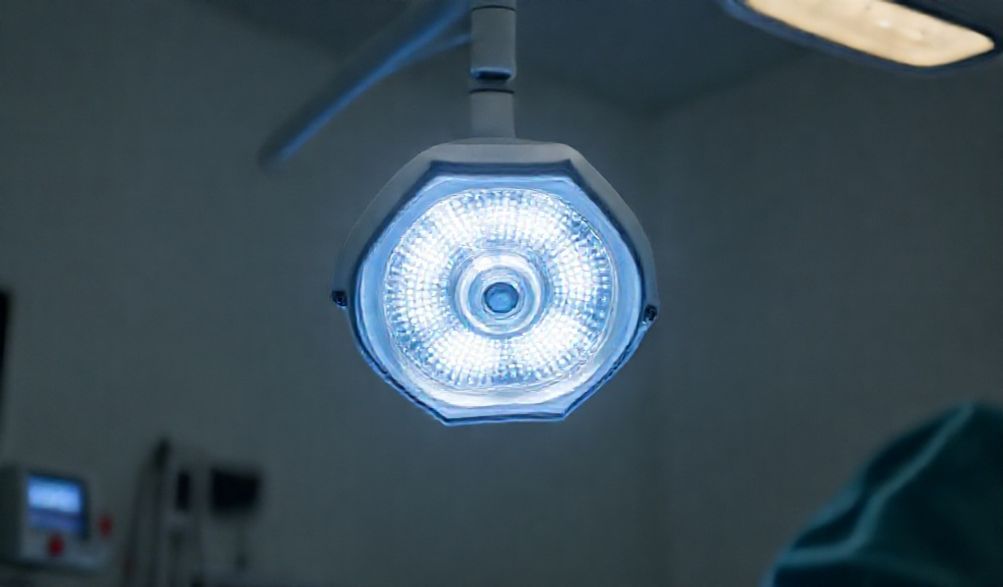
Illuminating Precision: The Complete Guide to LED Surgery Lights for Modern Operating Rooms
In the high-stakes environment of an operating room, a surgeon’s vision is their most fundamental tool. The ability to clearly differentiate between a nerve and a vessel, to see the true color of tissue, and to illuminate the deepest recesses of a surgical cavity directly impacts the speed, safety, and success of a procedure. For decades, this critical task was entrusted to halogen and fluorescent lights—technologies that, while revolutionary in their time, came with significant compromises: intense heat, distorted color, exorbitant energy consumption, and the constant logistical headache of bulb replacements.
Today, a quiet revolution has illuminated the modern OR. Light Emitting Diode (LED) technology has emerged as the unequivocal gold standard in surgical illumination, systematically dismantling the limitations of its predecessors. This guide is designed to be your comprehensive resource on LED surgery lights. We will move beyond marketing claims to explore the technical, clinical, and economic realities of this essential equipment. Our analysis is built on a foundation of E-E-A-T (Experience, Expertise, Authoritativeness, Trustworthiness), synthesizing insights from surgical staff, biomedical technicians, peer-reviewed studies in journals like Biomedical Instrumentation & Technology, and the stringent standards set by bodies like the International Electrotechnical Commission (IEC). Our goal is not to promote a specific brand, but to empower hospital administrators, procurement teams, and clinical staff with the knowledge needed to make a truly informed, long-term investment in patient care.
Why LED Technology is the Gold Standard in Surgical Lighting
The shift from halogen to LED in surgery is not a minor upgrade; it’s a paradigm shift in how we think about operative light. The advantages are multifaceted, touching on clinical outcomes, staff well-being, and hospital operational efficiency.
Superior Illumination Quality: Color Rendering and Shadow Control
At the heart of surgical lighting is the need for visual truth. Older lights often cast a yellowish or greenish hue, which can mask tissue ischemia or subtle color variations.
- مؤشر تجسيد الألوان (CRI): This is a critical metric, measured on a scale of 0 to 100. It indicates how accurately a light source reveals the true colors of objects compared to natural daylight. For surgery, a CRI of 90 or higher is considered essential. High-CRI LED surgery lights provide brilliant, white illumination that allows surgeons to confidently distinguish between arterial and venous blood, identify bile ducts, and assess tissue viability with unparalleled accuracy.
- Shadow Control and Depth of Field: Halogen lights, essentially a single, intense point source, create harsh, obstructive shadows. Modern LED systems ingeniously overcome this. They consist of hundreds, even thousands, of tiny individual LEDs arranged in a ring or matrix. This multi-point source design allows light rays to enter the surgical cavity from multiple angles, dramatically reducing shadows cast by the surgeon’s head or hands. Furthermore, advanced optics create a deep, uniform field of illumination, maintaining consistent brightness even in deep-cavity procedures like spinal or pelvic surgery.
Enhanced Safety and Patient Comfort
Surgical lighting should aid the procedure without introducing new risks.
- Low Heat Emission: This is a game-changer. Halogen lights are essentially high-powered heaters; a significant portion of their energy is emitted as infrared radiation (heat). This can lead to tissue desiccation (drying out) at the incision site and create an uncomfortably hot environment for the surgical team. LED surgery lights emit virtually no infrared radiation in the beam path. The light is “cool,” drastically reducing the thermal risk to exposed tissue and improving surgeon comfort during lengthy operations.
- Flicker-Free Operation: Cheap or poorly designed LED drivers can cause rapid, imperceptible flickering, which is a major contributor to eye strain, headaches, and fatigue. Medical-grade LED surgery lights use advanced, constant-current drivers to deliver absolutely stable, flicker-free illumination. This protects the visual acuity and endurance of the OR staff, a crucial factor in maintaining peak performance.
Operational Efficiency and Cost-Effectiveness
The financial argument for LED conversion is compelling and goes far beyond the initial purchase price.
- Exceptional Longevity: While a halogen bulb may last 1,000 to 2,000 hours, an LED module is typically rated for 50,000 to 60,000 hours of operation. This translates to over a decade of use in a busy OR before a noticeable decline in output. The days of scheduling downtime for bulb changes are effectively over.
- Substantial Energy Savings: LED technology is inherently efficient, converting most electrical energy into visible light. A modern LED surgery light can produce the same or greater illuminance as a halogen system while consuming 60-80% less power. For a hospital with dozens of ORs, this represents a massive, ongoing reduction in utility costs and environmental footprint.
- Reduced Maintenance & Downtime: Eliminating frequent bulb replacements removes a recurring cost item and, more importantly, eliminates associated sterilization and logistical downtime. The reliability of LEDs translates directly to increased OR availability.
Key Technical Specifications to Evaluate When Choosing an LED Surgery Light
Navigating product brochures requires understanding the key metrics that define performance. Here’s what to scrutinize.
Luminous Flux and Lux Levels: Measuring Light Output
Light output is quantified, not guessed.
- Lux (Illuminance): This measures the amount of light (luminous flux) falling on a surface. It’s expressed in lux (lumens per square meter). Surgical requirements vary by specialty:
- General Surgery: 40,000 – 100,000 lux
- Cardiothoracic/Neuro: 80,000 – 160,000+ lux
- Microsurgery: 80,000 – 120,000 lux
- Adjustable Intensity: A light that is only brilliant at full power is not versatile. Look for systems offering smooth, stepless dimming from 10% to 100% intensity, allowing perfect adaptation to every procedural phase and surgeon preference.
Field Diameter and Depth of Illumination
It’s not just about brightness, but also about the shape and reach of the light.
- قطر مجال الإضاءة: This is the width of the illuminated area at a specific distance (e.g., 1 meter). A wide, adjustable field diameter (e.g., 15cm to 30cm) is crucial for larger incisions or when a broader view is needed.
- Depth of Illumination: Perhaps more critical is how well the light maintains its intensity and focus as it penetrates into a cavity. High-quality LED surgery lights use sophisticated reflector and lens systems to deliver a deep, cylindrical beam that provides consistent illumination even 20-30cm below the surface, a vital feature for deep-seated procedures.
Color Temperature Adjustability
The “whiteness” of light is measured in Kelvin (K).
* Warm White (3000K-4000K): Has a yellowish hue, sometimes preferred for enhancing reds and browns (e.g., in orthopedic or liver surgery).
* Cool White (4500K-5000K+): Appears bluer, offering high contrast and a “bright” feel, often preferred for microsurgery and procedures requiring sharp detail.
The most advanced systems now offer tunable white light, allowing surgeons to select the exact color temperature that provides optimal contrast for the specific tissue and procedure at hand, all from a touchscreen or sterile handle control.
Mechanical Design and Ergonomics
The best light is useless if it’s difficult to position.
* القدرة على المناورة: Evaluate the reach, articulation, and balance of the light head and boom. It should move effortlessly into position and stay there without drift. Look for counterbalanced systems with multiple joints for maximum positioning flexibility.
* Sterilization & Infection Control: The entire light head, especially handles, must be designed for easy and thorough cleaning. Seamless surfaces, compatible with hospital-grade disinfectants, are mandatory.
* Backup Systems: For critical life-support procedures, redundancy is non-negotiable. Ensure the system has redundant LED drivers and a built-in backup battery that can power the light for a sufficient duration (e.g., 60-90 minutes) in case of a power failure.
Applications Across Surgical Specialties
Different surgical disciplines have unique lighting priorities, and modern LED systems are designed to meet these specialized demands.
Demanding Procedures: Cardiothoracic, Neuro, and Trauma Surgery
These fields require uncompromising performance. Lights must deliver extreme intensity (often >120,000 lux) to see into deep, dark cavities like the chest or cranium. Deep cavity penetration is paramount, as is absolute reliability with robust backup systems. The light must also be easily repositioned around a crowded field filled with retractors and other equipment.
Precision Specialties: Ophthalmic, Plastic, and Microsurgery
Here, visual fidelity is everything. Exceptional color accuracy (CRI >95) is critical for distinguishing minute structures. Near-perfect shadow reduction is needed to avoid obscuring delicate work. Surgeons often require very high, focused intensity on a very small field. Ergonomic, fine-control positioning is essential for these meticulous procedures.
High-Volume Environments: General Surgery and Orthopedics
Durability and efficiency take center stage. Lights must withstand constant repositioning and potential impacts. Ease and speed of positioning reduce turnover time between cases. While still requiring excellent color rendering and intensity, the focus is on a robust, user-friendly workhorse that supports a fast-paced workflow.
Implementing LED Surgical Lights: Considerations for Procurement and OR Integration
Moving from evaluation to installation requires careful planning.
The Total Cost of Ownership (TCO) Analysis
Look beyond the sticker price. A proper TCO analysis over a 7-10 year period should factor in:
* Upfront Cost: Purchase price of the light system.
* Avoided Costs: Savings from eliminated halogen bulb purchases and the labor to change them.
* Energy Savings: Calculate based on wattage difference and local kWh rates.
* تكاليف الصيانة: Service contracts and potential parts (though LEDs drastically reduce this).
Invariably, the significantly lower operating costs of LED surgery lights make them the more economical choice over the long term, despite a potentially higher initial investment.
Compatibility and Integration with Existing OR Infrastructure
Consider how the new light will live in your OR.
* طرق التثبيت: Is it compatible with your existing ceiling tracks, booms, or columns? Retrofitting may require structural assessment.
* عناصر التحكم: How are lights adjusted? Sterile handle controls, touchscreen panels, voice activation, or touchless gesture control? Ensure the interface aligns with your OR workflow and infection control protocols.
Sterilization Protocols and Infection Control
The light is a frequent contact point. Verify that all external surfaces, particularly handles and control panels, are made of materials that can withstand daily cleaning with harsh disinfectants without degrading. The design should have minimal seams and crevices where contaminants could hide.
The Future of Surgical Illumination
The evolution of the LED surgery light is far from over. We are moving towards intelligent, integrated illumination systems.
- Integration with Imaging and Data Systems: Future lights may interface with surgical video recorders or monitors, allowing surgeons to save and recall preferred light settings for specific procedure types or even overlay vital imaging data directly into the illuminated field.
- الإضاءة الذكية والتواصل عبر إنترنت الأشياء: تخيل أضواء تراقب أداءها بنفسها، وترسل تنبيهات الصيانة التنبؤية قبل حدوث عطل. يمكنها توفير تحليلات الاستخدام لدراسات كفاءة غرفة العمليات أو ضبط الإعدادات تلقائيًا بناءً على خطوة الإجراء، بتوجيه من نظام الملاحة الجراحية.
- تطورات في شكل الحزمة الضوئية والإضاءة التكيفية: تجري أبحاث مستمرة حول تشكيل الحزمة الضوئية ديناميكيًا واستخدام مصفوفات أجهزة استشعار للكشف التلقائي عن الظلال والتعويض عنها في الوقت الفعلي، مما يخلق أداة الإضاءة التكيفية المثلى.
قسم الأسئلة الشائعة
س: ما هو العمر الافتراضي النموذجي لوحدة LED في مصباح جراحي، وماذا يحدث عند تعطلها؟
ج: تصنف وحدات LED الطبية عالية الجودة عادةً لـ 50,000 إلى 60,000 ساعة استخدام. على عكس مصابيح الهالوجين التي تحترق فجأة، تشهد مصابيح LED عمومًا “انخفاض التدفق الضوئي”، مما يعني أنها تخفت تدريجيًا على مدى فترة طويلة جدًا. علاوة على ذلك، تم تصميم الأنظمة بوحدات متعددة زائدة عن الحاجة، لذا فإن فشل ثنائي واحد له تأثير ضئيل على إجمالي الناتج الضوئي.
س: هل مصابيح LED الجراحية باردة حقًا عند اللمس؟
ج: تنبعث الحزمة الضوئية نفسها من حرارة مشعة (أشعة تحت الحمراء) أقل بكثير من الهالوجين، مما يقلل من المخاطر الحرارية على الأنسجة. ومع ذلك، يحتوي هيكل التركيبة على مشغلات إلكترونية تولد بعض الحرارة. بينما تم تصميم الجزء الخارجي ليبقى في درجة حرارة آمنة، قد يشعر المستخدم بالدفء - لكنه لن يكون ساخنًا بشكل خطير مثل هيكل الهالوجين.
س: هل يمكن تركيب مصابيح LED في أنظمة الإضاءة الجراحية القديمة؟
ج: أحيانًا، لكنه معقد ولا يُنصح به دائمًا. نادرًا ما تكون تركيبات “استبدال المصباح” البسيطة وغالبًا ما تتنازل عن الأداء. تتضمن معظم الترقيات المشروعة استبدال مجموعة رأس الإضاءة بالكامل. من الضروري التشاور مع الشركة المصنعة للمعدات الأصلية أو فني حيوي طبي معتمد. غالبًا ما يؤدي الاستثمار في نظام جديد مصمم خصيصًا LED surgery light إلى أداء أفضل وسلامة وتغطية ضمان.
س: ما مدى أهمية الضمان واتفاقية الخدمة؟
ج: في غاية الأهمية. الإضاءة الجراحية هي معدات حاسمة للحياة. الضمان الشامل (غالبًا 3-5 سنوات على الأجزاء والعمالة) واتفاقية خدمة سريعة الاستجابة من شركة مصنعة لديها شبكة من المهندسين الأحيائيين الطبيين المعتمدين ضرورية لضمان أقصى وقت تشغيل وسلامة وأداء طويل الأمد لاستثمارك.
س: هل تتداخل مصابيح LED مع معدات غرفة العمليات الحساسة الأخرى؟
ج: مصابيح LED الطبية المعتمدة ذات السمعة الطيبة LED surgery lights مصممة وتم اختبارها لتلبية معايير التوافق الكهرومغناطيسي الصارمة (مثل IEC 60601-1-2). عند شرائها من شركة مصنعة مؤهلة للأجهزة الطبية، لا ينبغي أن تسبب تداخلاً مع أجهزة مراقبة التخدير أو معدات التصوير أو الإلكترونيات الحساسة الأخرى في غرفة العمليات.
الخاتمة
يمثل اعتماد تقنية LED surgery light أكثر من مجرد ترقية بسيطة للمعدات؛ إنه تحسين أساسي للنظام البيئي الجراحي. من خلال تقديم وضوح بصري فائق، وتعزيز سلامة المرضى والموظفين، وتوفير قيمة اقتصادية طويلة الأجل لا يمكن إنكارها، أصبحت إضاءة LED بحق حجر الزاوية في غرفة العمليات الحديثة.
عند تقييم الخيارات، ليتخذ القرار من منظور شمولي: يجب أن تلبي المواصفات الفنية احتياجاتك السريرية، ويجب أن يدعم التصميم سير عملك، ويجب أن يظهر إجمالي تكلفة الملكية قيمة مستدامة. نحن نشجع بشدة إشراك فرقك السريرية في عروض عملية والتشاور مع قسم الهندسة الطبية الحيوية الخاص بك لتقييم التوافق. شاهد الفرق في اللون، واشعر بسهولة الحركة، وجرب الضوء البارد بنفسك.
بينما نتطلع إلى مستقبل الجراحة بمساعدة الروبوتات، والتوجيه بالواقع المعزز، والتدخلات المتزايدة التعقيد، يبقى شيء واحد ثابتًا: حاجة الجراح إلى الرؤية المثالية. إضاءة LED الدقيقة هي، وستستمر في كونها، الأساس الذي لا غنى عنه لبناء التميز الجراحي.
ص>