
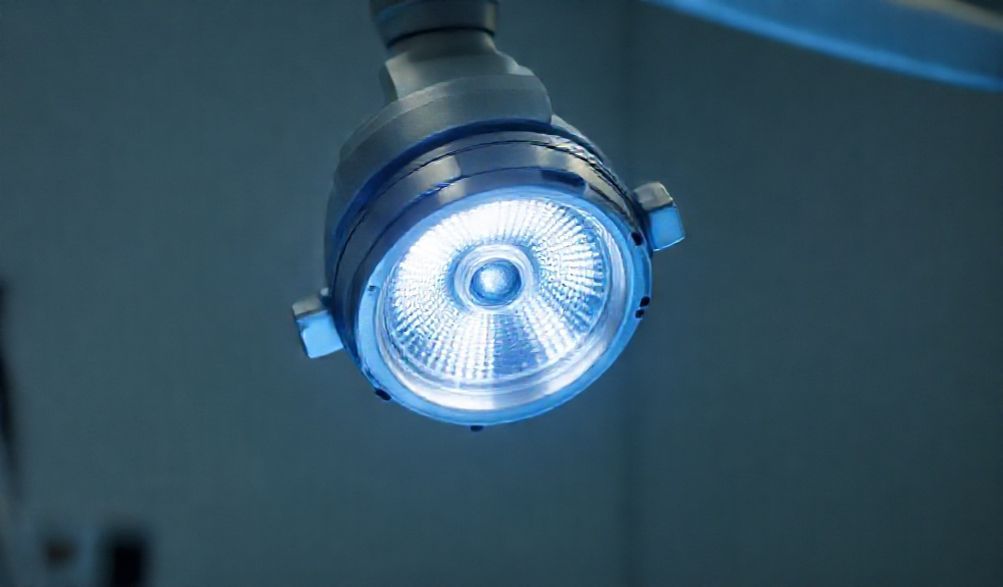
Illuminating Precision: The Complete Guide to LED Surgical Headlights for Medical Professionals
Introduction
In the high-stakes theater of modern surgery, where a millimeter can define the boundary between success and complication, one element remains non-negotiable: perfect visibility. It is the foundation upon which precision, safety, and efficiency are built. For generations, surgeons relied on the intense, hot light of halogen and xenon bulbs, but today, a technological revolution has redefined the standard. Light Emitting Diode (LED) technology has emerged as the unequivocal gold standard in surgical illumination, transforming not just what surgeons see, but how they see it.
This comprehensive guide is crafted by a team with deep expertise in medical device technology and surgical ergonomics. We have synthesized data from clinical studies, analyzed manufacturer specifications, and incorporated insights from practicing surgeons to create a definitive, trustworthy resource. Whether you are a veteran surgeon considering an upgrade, a hospital procurement officer evaluating capital equipment, or a medical student preparing for a future in the operating room, this guide will illuminate the critical features, tangible benefits, and essential selection criteria for LED surgical headlights. Our goal is to empower you to make an informed decision—a decision that enhances patient outcomes, preserves surgeon well-being, and optimizes operational workflow.
What Are LED Surgical Headlights and How Do They Work?
At its core, a جراحي عام is a personal illumination system that projects a bright, focused beam of light directly into the surgical field, coaxial with the surgeon’s line of sight. Unlike overhead surgical lights, which provide ambient illumination, a headlight offers targeted, shadow-free light that moves intuitively with the surgeon’s head. The shift from traditional light sources to LED represents a fundamental leap in quality, reliability, and performance.
Core Technology: From Halogen to LED Innovation
For decades, halogen and xenon bulbs were the mainstays. While powerful, they came with significant drawbacks:
* Excessive Heat: They operated at very high temperatures, often radiating uncomfortable heat onto the surgeon’s forehead and adding unwanted thermal load to the surgical site.
* Poor Color Fidelity: Their light spectrum could distort tissue color, making it harder to accurately differentiate between arterial blood, venous blood, and various tissue types.
* Short Lifespan and Fragility: Bulbs had limited operational lives (often just 50-100 hours) and were prone to sudden failure, causing disruptive and costly delays.
تقنية LED الحديثة addresses these limitations at its foundation. An LED is a semiconductor device that emits light when an electrical current passes through it. This principle offers transformative advantages for surgery:
* الكفاءة: LEDs convert a much higher percentage of energy into visible light rather than heat (infrared radiation).
* Spectral Precision: LEDs can be engineered to produce a specific, consistent color temperature, typically in the 4500K to 5500K range—mimicking natural daylight, which is optimal for human visual acuity.
* Controllability & Longevity: Solid-state design means no fragile filaments. LEDs are incredibly durable and can offer lifespans exceeding 20,000 hours, essentially making them “lifetime” components for the device.
Key Components of a Surgical Headlight System
المصباح الحديث LED surgical headlight is an integrated system of several key components:
-
The Light Source: This is the LED engine. Critical specifications include:
- Luminosity: Measured in lumens (total light output) or, more importantly, مستوى الـ (illuminance at a specific distance). High-performance systems can deliver over 100,000 lux.
- درجة حرارة اللون: Expressed in Kelvin (K). A “daylight” range of 4500K-5500K is preferred for its neutral, white light that enhances tissue contrast.
- مؤشر تجسيد الألوان (CRI): A measure (up to 100) of how accurately a light source reveals the true colors of objects. A CRI >90 is essential for surgery.
-
The Delivery System: How light travels from the source to the headpiece.
- Fiber Optic Systems: A remote light generator houses the LED, and light is transmitted via a flexible fiber optic cable. This keeps the headpiece very light but involves managing a cable.
- Integrated LED Arrays: The LEDs are mounted directly on the headpiece, powered by a cable connected to a battery pack. This offers excellent light quality and eliminates the fiber cable but can make the headpiece slightly heavier.
-
The Headpiece: The wearable component. Design focuses on:
- توزيع الوزن: Balancing the light source and optics to minimize neck strain.
- Adjustability: Precise vertical and horizontal aiming mechanisms to align the beam perfectly.
- الراحة: Padded headbands (strap or crown style), breathable materials, and secure, non-slip fit.
-
The Power Source: Typically a rechargeable lithium-ion battery pack worn on a belt or waistband. Key considerations are operational lifespan per charge (often 4-8 hours) and the presence of a clear battery level indicator.
Critical Benefits of LED Lighting in Surgical Procedures
The technical superiority of LED فإن أضواء الرأس الجراحية translates directly into measurable advantages in the operating room, impacting visual performance, physical comfort, and institutional efficiency.
Enhanced Visual Accuracy and Tissue Differentiation
This is the most significant clinical benefit. The high CRI and optimal color temperature of LED light provide a truer, more consistent color representation. This allows surgeons to make more confident and accurate distinctions between subtle tissue variations—differentiating necrotic tissue from viable tissue, identifying small vasculature, and recognizing pathological changes. Furthermore, the even, focused beam minimizes distracting shadows and “hot spots” that can cause eye strain and fatigue during marathon procedures, helping to maintain peak visual performance from the first incision to the final suture.
Improved Ergonomics and Surgeon Comfort
Surgery is physically demanding. Modern LED headlights are engineered with ergonomics as a priority. Lightweight designs, often weighing less than 200 grams for the headpiece, significantly reduce the load on cervical and upper back muscles over long procedures. The cool operation of LEDs eliminates the “hot spot” on the forehead associated with halogen systems, a major source of discomfort. A well-balanced, comfortable headlight promotes better posture and reduces fatigue, allowing the surgeon to focus entirely on the procedure.
Operational Efficiency and Cost-Effectiveness
From an operational standpoint, LEDs are a smart investment. The extraordinary lifespan (20,000-50,000 hours) means the elimination of frequent, costly bulb replacements and the associated downtime. Their high efficiency lowers power consumption. Perhaps less obvious but equally important is the reduction in radiant heat directed at the surgical site, which can help minimize tissue desiccation. Over time, the reliability, low maintenance, and energy savings of an LED surgical headlight system offer a compelling total cost of ownership compared to legacy technologies.
How to Choose the Right LED Surgical Headlight: A Buyer’s Guide
Selecting the ideal system requires matching technical capabilities with your specific procedural needs and personal preferences. Here are the critical factors to evaluate.
Assessing Technical Specifications: Lumens, Spot Size, and Depth of Field
Don’t just look at the biggest lumen number. Context is everything.
* Brightness & Lux: A dermatologist performing superficial procedures may need 40,000 lux, while a neurosurgeon working in a deep cranial cavity may require 150,000 lux or more. Understand the illuminance at your typical working distance (e.g., 14-18 inches).
* Spot Size & Depth of Field: The ability to adjust the beam from a wide field for overview to a small, intense spot for deep cavity work is crucial. A good LED surgical headlight offers adjustable focus to maintain a sharp, uniform circle of light across different depths.
* نمط الحزمة الضوئية: The beam should have a smooth, uniform transition from center to edge without a harsh, blinding central hotspot or distracting rings.
Evaluating Comfort and Usability Features
If it’s not comfortable, it won’t be used effectively.
* Headband Design: Test different styles. A padded, adjustable crown distributes weight evenly, while a strap-style band may feel more secure for those with loupes. Look for quick-release mechanisms for easy donning/doffing.
* إدارة الكابلات: A poorly routed cable can be a persistent nuisance. Look for systems with secure, low-profile cable connectors and routing clips that keep the cable behind your shoulder.
* التوافق: Ensure the headlight mount is compatible with your surgical loupes, safety glasses, or magnification systems. The combined weight and balance must be assessed.
Considering System Durability and Support
Your headlight is a critical tool that must perform reliably.
* Build Quality: Look for robust, medical-grade materials. Some systems offer ingress protection (IP) ratings against fluids and dust.
* الضمان والدعم: A strong warranty (3-5 years is common for premium systems) reflects manufacturer confidence. Consider the supplier’s reputation for responsive technical support, service availability, and loaner equipment policies.
* Trial Period: Whenever possible, request a clinical trial. Use the system in your own OR during a typical procedure. There is no better test than hands-on experience.
Applications Across Medical and Surgical Specialties
The versatility of modern LED surgical headlights makes them indispensable across a wide spectrum of medical fields.
Demanding Fields: Neurosurgery, ENT, and Plastic/Reconstructive Surgery
These specialties often involve deep, narrow cavities where overhead light cannot reach.
* Neurosurgery: Requires intense, shadow-free illumination at significant depth to visualize delicate neural structures. Adjustable spot size and extreme depth of field are paramount.
* طب الأنف والأذن والحنجرة: Procedures in the sinuses, throat, and ears demand precise, coaxial light. The ability to maintain a bright, focused beam in a confined space is critical.
* Plastic/Reconstructive Surgery: Accurate color rendition is essential for assessing tissue viability, flap perfusion, and skin tone matching. High CRI lighting supports these nuanced visual judgments.
High-Precision Procedures: Dentistry, Ophthalmology, and Microsurgery
Here, magnification and light must work in perfect harmony.
* طب الأسنان وجراحة الفم: LED headlights provide brilliant, white light that reduces eye strain during detailed restorative work and oral procedures, often integrated directly with dental loupes.
* طب العيون: While microscopes are primary, headlights are vital for periocular procedures, lacrimal surgery, and minor office-based interventions.
* Microsurgery (Hand, Vascular): Surgeons using high-power loupes or microscopes still rely on headlights for initial dissection, positioning, and supplementary illumination, requiring a perfectly focused, high-intensity beam.
Emerging and Outpatient Settings: Veterinary Surgery, Aesthetics, and Mobile Clinics
The benefits of LEDs extend beyond the human OR.
* Veterinary Surgery: Portable, battery-powered LED headlights offer excellent illumination in varied veterinary OR settings, from large animal to exotic pet surgery.
* Aesthetic Medicine: For procedures like filler injections, thread lifts, and minor excisions, a comfortable, bright headlight provides the precision needed for optimal cosmetic outcomes.
* Mobile Clinics & Field Medicine: The portability, long battery life, and durability of LED systems make them ideal for use in non-traditional settings, including military field hospitals and humanitarian missions.
الأسئلة المتكررة (FAQ)
Q1: Are LED surgical headlights significantly better than older halogen models?
ج: Absolutely. The difference is substantial. LEDs provide superior, daylight-quality color accuracy (high CRI), generate minimal heat, have lifespans hundreds of times longer (eliminating bulb changes), and are far more energy-efficient. This translates to better visual conditions, improved surgeon comfort, and lower long-term operating costs.
Q2: What is a good brightness (lumen output) for most procedures?
ج: ركز على مستوى الـ (السطوع عند الهدف) وليس الشمعة (اللومن) وحدها. بالنسبة للعديد من العمليات الجراحية العامة والعظام والنسائية، فإن 80,000 إلى 120,000 لوكس عند مسافة العمل القياسية تعتبر ممتازة. قد تتطلب التخصصات ذات التجويف العميق مثل جراحة الأعصاب أو العمود الفقري 150,000 لوكس أو أكثر. ناقش دائمًا احتياجاتك المحددة مع مورد متمكن.
س3: كيف أحافظ على مصباحي الجراحي LED وأقوم بتنظيفه بشكل صحيح؟
ج: اتبع بدقة تعليمات الشركة المصنعة الخاصة بالتنظيف والتطهير. بشكل عام، يمكن مسح الحزام العلوي وغلاف قطعة الرأس بمناديل مطهرة من الدرجة الطبية. يجب فحص كابلات الألياف الضوئية للتأكد من عدم وجود التواءات أو تلف وتنظيفها برفق باستخدام محلول معتمد. لا تضع وحدة مصدر الضوء أو حزمة البطارية في السائل أبدًا. قم بتخزين النظام في حقيبة واقية.
س4: هل يمكنني استخدام مصباحي الجراحي مع عدساتي التكبيرية (اللووب) الحالية؟
ج: في معظم الحالات، نعم. صُممت غالبية LED surgical headlights المصابيح الجراحية الحديثة بأقواس تركيب عالمية أو قابلة للتكيف يمكن تثبيتها على إطار عدساتك الجراحية التكبيرية. من الضروري التأكد من أن المرفق آمن وأن الوزن والتوازن المجتمعين مريحان لك أثناء الإجراءات الطويلة.
س5: كم تدوم البطارية عادةً، وكيف أعرف متى يجب إعادة شحنها؟
ج: توفر حزمة بطارية ليثيوم أيون عالية السعة عند شحنها بالكامل عادةً من 4 إلى 8 ساعات من التشغيل، اعتمادًا على إعداد السطوع المستخدم. تتميز معظم الأنظمة الاحترافية بمؤشرات حالة بطارية واضحة، مثل سلسلة من مصابيح LED أو شاشة رقمية على حزمة البطارية نفسها، والتي تُظهر عندما يكون الشحن منخفضًا وتكون هناك حاجة لإعادة الشحن.
الخاتمة
إن LED surgical headlight مصباح LED الجراحي هو أكثر من مجرد ترقية في الإضاءة؛ إنه تحسين أساسي لأهم أداة لدى الجراح – وهي رؤيته. من خلال تقديم دقة لون لا مثيل لها، وإضاءة خالية من الظلال، وراحة في بيئة العمل، تدعم هذه التكنولوجيا الدقة الجراحية مباشرة، وتقلل من إجهاد العملية، وتساهم في نتائج إيجابية للمريض. الانتقال من الهالوجين إلى LED ليس مجرد تغيير في المعدات، بل هو استثمار استراتيجي في الأداء السريري والرفاهية المهنية.
عند تقييم الأنظمة، انظر إلى ما هو أبعد من المواصفات الأساسية. أعط الأولوية لمزيج من التميز البصري، والراحة القابلة للتخصيص، والدعم الموثوق الذي يتماشى مع المتطلبات الفريدة لتخصصك وممارستك. نوصي بشدة بالتشاور مع خبراء المعدات الطبية ذوي الخبرة، والأهم من ذلك، الاستفادة من فرص التجربة العملية. جرب الفرق الذي يمكن أن تحدثه الإضاءة الجراحية عالية الدقة الحقيقية. في السعي نحو الكمال في غرفة العمليات، كل التفاصيل مهمة، والضوء هو التفصيل الذي يجعل جميع التفاصيل الأخرى مرئية.
ص>