
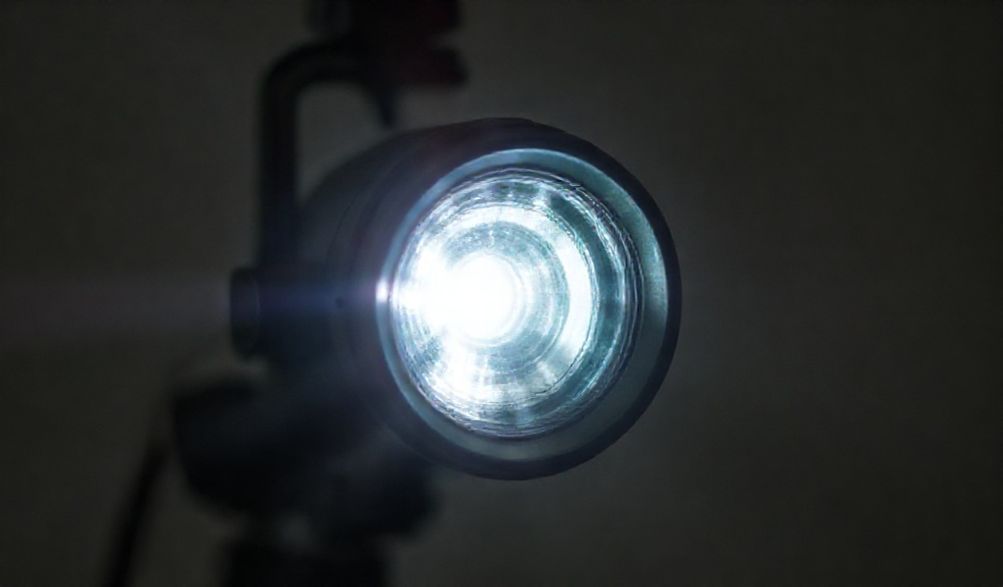
The Ultimate Guide to Loupes Lights: Enhancing Precision, Reducing Eye Strain
Do you finish your workday with a pounding headache, stiff neck, and eyes that feel gritty and exhausted? If you’re a dentist leaning over a molar prep, a surgeon navigating delicate tissue, or a jeweler setting a microscopic stone, this fatigue is more than just an inconvenience—it’s a professional hazard. For those who spend hours in the demanding world of micron-level precision, the struggle against shadows, poor contrast, and eye strain is a daily battle. The overhead light is never quite right, forcing you into awkward, straining postures just to see what you’re doing. The result? Compromised accuracy, slower work, and physical toll that can shorten a brilliant career.
This isn’t a problem of skill, but of illumination. Proper lighting in these fields isn’t a luxury; it’s as fundamental as the scalpel, handpiece, or tweezers in your hand. It’s the critical factor that separates good work from exceptional work, and sustainable practice from chronic burnout. The solution lies in a tool that has become the indispensable companion to عدسات التكبير الجراحية: the dedicated loupes light.
This guide is designed to be your comprehensive, unbiased resource. We’ll move beyond marketing claims to explore the optical engineering principles and ergonomic science behind loupes lights. Our goal is to arm you with the knowledge to make an informed decision, transforming your visual workspace and investing in your long-term professional health.
What is a Loupes Light? Core Function and Benefits
At first glance, a loupes light might look like a sophisticated headlamp. But to dismiss it as such is to misunderstand its fundamental role in high-stakes, precision work. It is a purpose-built component of an integrated visual system.
Beyond a Simple Flashlight: Defining Surgical and Dental Headlights
A loupes light is a high-intensity, cool-running, and intensely focused light source that is physically integrated with or attached to your magnification loupes. Unlike the ambient light in a room or even a high-quality overhead operatory light, it moves with your gaze. This is its superpower.
Consider the traditional overhead light. It casts shadows from your head, hands, and instruments directly into your field of view. You constantly adjust your posture—craning your neck, hunching your back—to chase the “sweet spot” of illumination, trading visual clarity for musculoskeletal strain. A loupes light eliminates this compromise. By projecting light along your exact line of sight, it floods the entire magnified field with shadow-free, uniform brightness, turning your loupes from simple magnifiers into a true optical workstation.
Key Benefits of Using a Dedicated Loupes Light System
The advantages of integrating a proper light extend far beyond simply “seeing better.”
- Enhanced Visual Acuity: This is the primary function. By eradicating shadows, a loupes light reveals texture, depth, and margins with stunning clarity. High-quality lights boast a high Color Rendering Index (CRI), which we’ll discuss later, meaning colors appear true-to-life. This is vital for a dentist differentiating between caries and healthy dentin or a surgeon assessing tissue perfusion. The increased contrast reduces visual noise, allowing you to focus on the task with less mental processing effort.
- Reduced Physical Strain: Ergonomics and vision are inextricably linked. With a light fixed to your loupes, you can maintain a neutral, healthy spine posture. There’s no need to contort your body to find light. Furthermore, your eye muscles (the ciliary muscles) work less hard. Under poor light, your pupils dilate, and your eyes constantly struggle to focus and resolve detail, leading to fatigue. A bright, focused light source causes pupils to constrict, increasing depth of field and reducing the focusing effort, which dramatically cuts eye strain and associated headaches.
- Improved Work Quality & Efficiency: When you see better with less effort, you work more precisely and confidently. Mistakes due to obscured vision decrease. Procedures can often be performed more swiftly because you’re not stopping to reposition lights or squint at unclear details. The consistency of illumination also ensures consistent results.
- Professional Longevity: This is the critical long-term investment. By mitigating eye strain and promoting better posture, a loupes light is a direct investment in your career’s sustainability. It helps prevent the premature visual decline and chronic neck/back pain that have plagued generations of precision professionals, allowing you to practice your craft at the highest level for longer.
Critical Features to Consider When Choosing a Loupes Light
Not all loupes lights are created equal. Understanding these key specifications will help you select a system that fits your specific needs, rather than just your budget.
Light Source Technology: LED vs. Halogen/Xenon
The debate here is largely settled, but understanding the history is useful.
* LED (Light Emitting Diode): The undisputed modern standard. LEDs run cool, generate very little heat (a major comfort and safety benefit), and have an exceptionally long lifespan (often 50,000+ hours). They are energy-efficient, providing bright light from small battery packs. Most importantly, LED output remains consistent in both color temperature and brightness throughout their life.
* Halogen/Xenon: These were the previous generation. They produce light by heating a filament, which generates significant heat that can be uncomfortable for the clinician and patient. Their bulbs have a much shorter lifespan (100-1000 hours), and their color temperature shifts as they age, becoming yellower and dimmer. While some practitioners still use them, LED technology offers superior performance in almost every aspect.
Brightness and Beam Characteristics
This is where specifications matter most for your daily experience.
- Lumens & Lux: Lumens measure total light output, while lux measures light intensity on a surface (lumens per square meter). For loupes lights, lux at your working distance is the more practical metric. You need sufficient brightness to illuminate details without causing glare or “washing out” the field. For many dental and surgical procedures, effective illumination ranges from 40,000 to over 100,000 lux at the working distance.
- Spot Size & Focus: The beam should match the field of view (FOV) of your loupes. A beam that’s too narrow creates a “tunnel vision” effect; one that’s too wide wastes energy and can cause peripheral glare. Some lights offer adjustable focus, allowing you to tailor the spot size for different procedures or loupe magnifications.
- Color Temperature (Kelvin): Measured in Kelvins (K), this describes the “warmth” or “coolness” of light. A temperature around 5500K is considered “daylight white” and is the industry preference. It provides excellent contrast and is neutral, preventing color bias. Warmer light (<4000K) can be relaxing but may obscure detail; cooler light (>6000K) can appear harsh and blue.
- مؤشر تجسيد الألوان (CRI): This is a non-negotiable feature for any clinical or color-critical work. CRI (on a scale of 0-100) measures a light’s ability to reveal the true colors of an object compared to natural sunlight. A CRI of 90+ is essential. For a dentist, a low-CRI light can distort tooth shade, leading to poor restoration matches. For a surgeon, it can mask subtle differences between healthy and ischemic tissue. Don’t compromise on CRI.
Ergonomics and Design
The best light is useless if it’s uncomfortable to wear.
- Weight & Balance: Every gram counts when mounted on your head. Look for lightweight materials like carbon fiber or advanced polymers. More importantly, the system should be counterbalanced. The weight of the light source (or battery pack, if headband-mounted) should be offset so it doesn’t pull your loupes downward, straining the bridge of your nose and neck.
- خيارات التركيب: There are two primary philosophies:
- Frame-Mounted: The light is attached directly to the loupes frame, either via an integrated design or a clip-on adapter. This is minimalist, keeps weight on the frame, and is very popular in dentistry. However, it can add torque to the glasses.
- Headband-Mounted: The light is attached to a separate headband, and the light path is aligned to the loupes. This often allows for a larger, more powerful light source and better weight distribution across the skull, which many surgeons prefer. It can feel bulkier.
- Cable vs. Cordless (Battery Packs): A cable tether to a wall or belt-mounted battery offers unlimited runtime but restricts movement. Cordless systems use a battery pack (usually mounted on the headband or waist) for complete freedom. Consider battery life (typically 2-8 hours per charge, depending on brightness), charging time, and whether you can hot-swap batteries during long procedures.
How to Integrate a Loupes Light with Your Existing Loupes
You can’t just clip on any light and expect perfect results. Proper integration is a technical process.
Compatibility is Key: Declination Angle and Mounts
Your loupes have a specific زاوية الانحدار—the angle at which the oculars are tilted downward from horizontal. For the light to illuminate exactly what you’re looking at, its beam must be parallel to this line of sight. If misaligned, the light will illuminate your patient’s chin or forehead, not the operative site.
This is why compatibility is crucial. Some manufacturers (Orascoptic, SurgiTel, Designs for Vision, Zeiss, etc.) sell proprietary lights designed to integrate seamlessly with their loupe frames, ensuring correct declination. Others offer “universal” adapters that can be adjusted to fit various frames, but these require more careful setup.
The Fitting and Alignment Process
Professional fitting is not a suggestion; it is a necessity. A representative from your loupe or light manufacturer should perform this. The process generally involves:
1. Secure Mounting: Attaching the light or adapter firmly to the frame or headband.
2. Coaxial Alignment: Using a specialized target or mirror, the fitter adjusts the light so its “hot spot” (centroid) is perfectly aligned with the center of your loupes’ field of view, ensuring the light travels with your vision.
3. Beam Focusing: Setting the spot size to optimally cover your magnified field.
4. User Comfort: Adjusting brightness settings and ensuring the overall system weight is balanced and comfortable for extended wear.
Top Applications and Who Needs a Loupes Light
While pioneered in medicine, the benefits of coaxial illumination apply to any field requiring sustained, precise close-up work.
Clinical and Surgical Fields
- Dentistry: Universal in specialty practices. General Dentists use it for every procedure from diagnostics to restorations. Endodontists rely on it to find canal orifices and fractures. Periodontists و Oral Surgeons need it for soft and hard tissue procedures.
- Medicine: Surgeons across all specialties (plastic, vascular, neurosurgery) use headlight systems. Dermatologists use them for excisions and cosmetic procedures. Veterinary Surgeons face similar challenges in operating on small animals.
Technical and Artisanal Fields
- Jewelry Making & Repair: For setting minuscule stones, intricate soldering, and detailed engraving under a microscope or loupes.
- Watchmaking & Micro-Mechanics: Assembling and repairing tiny, complex movements where every component is millimeter-scale.
- Electronics Repair: Especially for Surface-Mount Device (SMD) soldering and PCB inspection.
- Conservation & Restoration Art: For painstaking work on paintings, textiles, or historical artifacts where accurate color and detail are paramount.
Maintenance, Care, and Safety Best Practices
Protect your investment and ensure optimal, safe performance.
Daily and Weekly Cleaning Protocols
- Light Lens: Gently clean the output lens with a soft, lint-free cloth and approved lens cleaner. Dust and splatter can significantly reduce light output and create diffuse glare.
- Disinfection: In clinical settings, any part that touches the head (headband, foam pads) or the loupe frame must be disinfected according to the manufacturer’s guidelines to prevent cross-contamination.
Battery Care for Cordless Models
- For lithium-ion batteries, avoid regularly draining them to 0%. Partial discharges are better than full ones.
- If storing the light for an extended period, store the battery at about a 50% charge in a cool, dry place.
Safety First: Avoiding Eye Strain and Patient Discomfort
- لا تقم أبدًا shine the light directly into a patient’s, assistant’s, or your own eyes. The intensity can be damaging.
- Practice the 20-20-20 rule: Every 20 minutes, look at something 20 feet away for at least 20 seconds to reduce eye muscle fatigue.
- Ensure the light housing does not make contact with the patient, as even LED lights can generate some warmth in the housing during prolonged use.
الأسئلة الشائعة (FAQ) حول أضواء العدسات المكبرة
Q: Are loupes lights worth the investment?
ج: For any professional whose livelihood depends on visual precision and who works for hours at a time, the answer is a resounding yes. Frame it as an ROI calculation: the reduction in errors, increase in efficiency, and—most importantly—the preservation of your visual and musculoskeletal health often justify the cost within a short time. It’s an investment in both your work quality and your career longevity.
Q: Can I use any flashlight or headlamp with my loupes?
ج: No. Consumer flashlights and headlamps lack the specific optics for a focused, shadow-free beam aligned to your sight. They typically have poor CRI, distorting colors. They often run hot and are not designed for the weight distribution and balance required for all-day comfort. They are a poor substitute for a purpose-built system.
س: كم تبلغ مدة بطارية إضاءة العدسات المكبرة عادةً؟
ج: It varies widely by model and brightness setting, ranging from 2 hours on high power for very bright systems to 8+ hours on a medium setting. Always check the manufacturer’s specifications. For long procedures, having a spare, charged battery is a critical part of your kit.
س3: كيف أعرف مستوى السطوع (لومن/لوكس) الذي أحتاجه؟
ج: This is highly procedure-dependent. A general dentist doing composite fillings may need less intense light than an endodontist searching for a calcified canal. The best approach is to consult with your loupe provider or the light manufacturer. A live demonstration, where you can see the light on a simulated work surface at your typical distance, is invaluable. You want the minimum brightness that fully illuminates the field without causing glare or pupil constriction so extreme it reduces depth of field.
Q: Is a higher price always better?
ج: Not automatically, but there is a strong correlation. Higher price points generally reflect better build quality, superior optical components for a more even beam (without a pronounced “hot spot”), higher CRI ratings, advanced thermal management, and robust warranty/support. The key is to match the specifications (especially CRI, beam quality, and ergonomics) to your specific needs, rather than choosing based on price alone or assuming the most expensive is necessary for everyone.
الخاتمة
A loupes light ليس مجرد ملحق؛ بل هو المكون الأساسي الذي يكمل نظامك البصري الدقيق. يحول العدسات المكبرة من أداة بسيطة إلى محطة عمل شاملة ومريحة تجلب الوضوح والراحة والقدرة إلى متناول يديك. من خلال توفير ضوء خالٍ من الظلال ودقيق الألوان مباشرة على خط رؤيتك، يتناول التحديات الأساسية للعمل عن قرب.
عند اتخاذ قرارك، ضع في الاعتبار العوامل الأساسية: السطوع وجودة الحزمة الضوئية التي تتطابق مع مجال رؤيتك، و مؤشر تجسيد لون عالٍ (>90) لإعادة إنتاج الألوان الحقيقية،, عوامل التصميم البشري والوزن التي تعزز الراحة طوال اليوم، و التوافق المهني الذي يضمن المحاذاة المثالية من خلال التركيب الخبير.
النصيحة الأكثر موثوقية هي: أفضل إضاءة للعدسات المكبرة بالنسبة لك هي التي تندمج بسلاسة في سير عملك المحدد، ويتم تركيبها لك من قبل محترف متمكن، وتدعمها شركة مصنعة ذات سمعة في الجودة والدعم. لا تقرأ عنها فقط—اختبرها بنفسك. استشر تاجر العدسات المكبرة أو أخصائي الإضاءة لترتيب عرض حي. اسأل عن فترات التجربة وشروط الضمان والتدريب. شاهد بنفسك كيف يمكن للإضاءة المناسبة أن تنير ليس فقط عملك، بل الطريق نحو مسيرة مهنية أطول وأكثر صحة ودقة.
ص>