
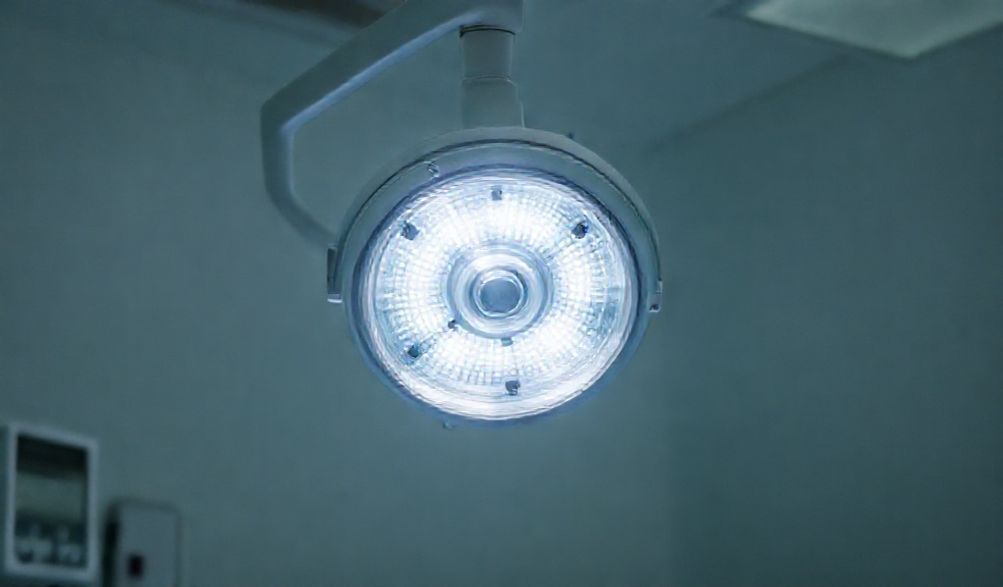
The Ultimate Guide to Medical Examination Lights: Ensuring Accuracy in Patient Care
In the intricate ballet of a healthcare setting, where advanced imaging machines hum and digital records fly across screens, one of the most critical tools is often the most unassuming: the (تابع السؤال). This fundamental piece of equipment is the unsung hero of clinical accuracy, a device so commonplace that its profound impact on patient care can be overlooked. Yet, the quality of illumination it provides is the very foundation upon which visual diagnosis, effective treatment, and patient comfort are built.
Far from being a simple bulb on an arm, a modern medical examination light is a sophisticated instrument engineered to meet stringent clinical demands. Its primary function—to deliver clear, consistent, and true illumination—directly influences a practitioner’s ability to detect subtle signs, perform precise procedures, and maintain ergonomic well-being. A subpar light can cast misleading shadows, distort tissue color, and contribute to clinician fatigue, potentially leading to missed diagnoses or procedural complications.
This comprehensive guide delves into the critical role of the medical examination light. We will explore the science behind optimal clinical illumination, break down the key technologies and features of modern devices, and provide a structured framework for selecting the right light for any practice. By synthesizing insights from clinical studies, manufacturer specifications, and healthcare professionals, this resource aims to empower medical practitioners, procurement specialists, and facility managers to make informed, evidence-based decisions that elevate the standard of care.
The Critical Role of Illumination in Medical Diagnosis and Procedure
Vision is the primary sense used in medicine. From a routine physical to a complex minor surgery, the clinician’s ability to see clearly is paramount. The medical examination light is the tool that makes this possible, and its characteristics are far more consequential than simple brightness.
How Light Quality Affects Diagnostic Accuracy
The concept of “light quality” in a medical context is defined by specific, measurable parameters. Two of the most important are the مؤشر تجسيد اللون (CRI) and color temperature.
- مؤشر تجسيد الألوان (CRI): Measured on a scale of 0 to 100, CRI indicates how accurately a light source reveals the true colors of an object compared to natural sunlight (CRI 100). For clinical observation, a CRI of 90 or higher is essential. A low-CRI light can make healthy tissue appear pallid or mask the subtle blue tinge of cyanosis, the yellow hue of jaundice, or the fiery red of inflammation. Accurate assessment of wound bed coloration—differentiating between viable granulation tissue, pale necrotic tissue, or unhealthy biofilm—relies entirely on high-fidelity color rendering.
- درجة حرارة اللون: Measured in Kelvins (K), this describes the visual “warmth” or “coolness” of light. Warm light (2700K-3500K) is yellowish, while cool light (5000K-6500K) appears bluish-white. For most examination purposes, a light in the 4000K to 5500K range (neutral to cool white) is preferred. This range reduces eye strain and improves contrast, making it easier to discern details and textures on skin and mucous membranes.
- Shadow Reduction & Uniformity: Harsh, directional light creates deep shadows that can obscure anatomy or pathology. Quality medical lights are designed to provide even, diffuse illumination that minimizes shadows, often through specialized optics or multiple LED arrays. This is crucial for examining cavities like the oral pharynx or for assessing symmetrical features.
Supporting Surgical and Minor Procedure Outcomes
When a procedure moves from examination to intervention, the requirements for a (تابع السؤال) intensify. Procedural or “surgical” lights must deliver:
- High Intensity & Depth of Illumination: Measured in Lux (illuminance at the surface), procedural areas require significantly higher light levels—often 20,000 to 160,000 Lux or more—to see deep into a cavity or highlight fine structures. This intensity must be maintained across a sufficient depth of field.
- انبعاث حراري ضئيل: Traditional halogen lights emit substantial radiant heat, which can dry out tissues, cause patient discomfort, and increase the risk of thermal injury. Modern LED-based procedural lights produce minimal heat, directing energy almost exclusively as visible light.
- التوافق مع التعقيم: The light head and any handles must be designed with seamless, cleanable surfaces that can withstand frequent disinfection with hospital-grade agents without degrading.
Impact on Practitioner Ergonomics and Fatigue
Clinician well-being is a cornerstone of sustainable patient care. Poor lighting is a major contributor to occupational strain.
- Eye Strain: Glare, flicker (even imperceptible), and inadequate light levels force the eye muscles to work harder, leading to headaches, dry eyes, and fatigue over long shifts.
- Musculoskeletal Stress: A light with poor adjustability forces the practitioner to contort their own body to see into a wound or cavity. A fully articulating arm with smooth, intuitive movement allows the light to be positioned optimally, enabling the clinician to maintain a neutral, healthy posture.
Key Features and Technology of Modern Medical Examination Lights
The era of the hot, inefficient halogen bulb is over. Today’s medical lights are precision instruments leveraging advanced technology.
LED Technology: The New Standard
Light Emitting Diode (LED) technology has revolutionized medical illumination, offering decisive advantages:
- التشغيل البارد: LEDs convert most energy into light, not heat, enhancing patient comfort and safety.
- Longevity & Consistency: With lifespans of 20,000 to 50,000 hours, LEDs drastically reduce maintenance and replacement costs. Their light output remains consistent throughout their life, unlike halogens that dim over time.
- كفاءة الطاقة: LEDs consume a fraction of the power of traditional sources, leading to significant cost savings and a smaller environmental footprint.
- Spectral Control: Advanced LEDs can be tuned to emit specific wavelengths, supporting specialized applications like wound assessment or enhancing contrast for certain tissues.
Understanding Technical Specifications
Navigating product specs is key to an informed choice. Here are the critical metrics:
| Specification | What It Means | Why It Matters for Medicine |
| :— | :— | :— |
| Lux / Lumen Output | Lux = light intensity at a surface. Lumen = total light emitted. | Determines if the light is bright enough for the task (e.g., general exam vs. minor surgery). |
| مؤشر تجسيد اللون (CRI) | Fidelity of color reproduction (0-100). | Aim for >90. Critical for accurate assessment of skin, tissue, and fluid color. |
| Color Temperature (K) | The perceived “warmth” or “coolness” of the white light. | 4000K-5500K is ideal for most exams, offering good contrast with low eye strain. |
| Beam Diameter | The size of the illuminated area at a given distance. | Must be appropriate for the application (focused for ENT, broad for general exam). |
| Dimming Range | The ability to smoothly adjust brightness from low to high. | Essential for pupil exams, patient comfort, and matching light to the task. |
Mechanical Design and Usability
The best light is useless if it’s awkward to use.
- Adjustability: Look for lights with multi-joint articulating arms that offer a wide range of motion, stay firmly in position when set, and move smoothly without requiring excessive force.
- خيارات التركيب: Choices include ceiling-mounted (saves floor space, ideal for procedure rooms), wall-mounted (common in exam rooms), rail-mounted (for flexibility), and portable floor stands (for versatility or temporary setups).
- عناصر التحكم: User-friendly controls are vital. Options include touch-sensitive panels on the light head, convenient foot switches (maintaining sterile field), or manual switches. The control should allow easy adjustment of intensity and, on higher-end models, color temperature.
How to Choose the Right Medical Light for Your Practice
يعد اختيار (تابع السؤال) is not one-size-fits-all. A structured assessment of your specific needs is required.
Assessing Clinical Application Needs
Your specialty dictates your requirements. Use this framework:
- Primary Care / General Examination: Prioritize a light with excellent CRI (>90), adjustable color temperature (~4500K), broad, even illumination, and simple, durable adjustability. A wall-mounted unit is often sufficient.
- Dental Suites: Requires intense, shadow-reduced illumination into the oral cavity. A ceiling-mounted or chair-mounted procedural light with a focused beam and easy sterilization is key.
- طب الجلدية: Color accuracy is paramount. A light with very high CRI (95+) and possibly adjustable color temperature to simulate different ambient lighting conditions is ideal for assessing lesions.
- Emergency/Trauma: Durability, high maximum output, and a wide, even beam to assess large body areas quickly. Portable options can be valuable.
- Minor Procedure/Surgical Rooms: Must meet high Lux requirements, have excellent depth of field, minimal heat output, and be fully compatible with sterile drapes and cleaning protocols. Ceiling-mounted multi-LED array lights are standard.
- Specialized Fields (ENT, Ophthalmology): Often require highly focused, coaxial illumination systems integrated into specialized diagnostic devices.
Facility and Operational Considerations
- Room Layout & Infrastructure: Assess ceiling height, exam table placement, and existing electrical outlets. A ceiling mount requires structural support. Ensure the light’s reach and range of motion fit your room’s workflow.
- Budget & Total Cost of Ownership (TCO): Look beyond the purchase price. Calculate TCO by factoring in energy consumption (LEDs save significantly), expected bulb replacement costs (negligible for LEDs over many years), and potential maintenance. A higher-quality, more expensive LED light often has a lower TCO than a cheaper halogen alternative.
- Maintenance Protocols: Consider who will clean and perform basic safety checks. Choose a model with serviceable parts and good manufacturer support.
Compliance and Safety Standards
This is non-negotiable. A (تابع السؤال) is a regulated device.
- FDA Clearance/Registration: In the United States, ensure the device is cleared or registered with the FDA as a Class I or II medical device.
- IEC 60601-1: This is the international standard for the basic safety and essential performance of medical electrical equipment. Compliance is mandatory for patient safety.
- تصنيف IP (الحماية من الدخول): Indicates protection against dust and liquids. A rating like IP54 (splash-resistant) informs how and where the light can be safely cleaned.
- UL Listing / CE Marking: These indicate the product has been tested and meets regional safety standards for electrical equipment.
Best Practices for Installation, Maintenance, and Safety
Proper implementation ensures your investment pays dividends in safety, longevity, and clinical utility.
Optimal Placement and Installation for Clinical Workflow
- Positioning: The light should be mounted to minimize the practitioner’s shadow on the area of interest. For a right-handed clinician, the light often comes from over their left shoulder.
- التكامل: Coordinate placement with other room equipment (monitors, instrument tables) to avoid conflicts and cord hazards. Use cable management systems.
- سير العمل: The path of the light arm should allow it to be easily moved from a stowed position to the examination site without bumping into other objects or the patient.
بروتوكولات التنظيف والتطهير الروتينية
Infection control is critical. اتبع دائمًا تعليمات الشركة المصنعة المحددة.
- Frequency: High-touch surfaces (handles, control panels) should be disinfected after every patient contact. A full cleaning should follow the facility’s schedule (e.g., daily, terminal clean).
- Agents: Use EPA-registered hospital-grade disinfectants that are compatible with the light’s materials. Avoid abrasive cleaners, bleach on metal parts, or solvents that can damage plastics, lenses, or labels.
- Method: Dampen a clean cloth with the disinfectant. Wipe surfaces thoroughly. Do not spray directly onto the light head, as fluid can ingress and cause electrical damage or corrosion.
Preventive Maintenance and Troubleshooting
A simple proactive schedule prevents failures.
- Monthly Check: Test the full range of motion of the arms, ensuring smooth movement and that tension holds position. Inspect the power cord for damage. Test the dimming function and switches.
- Common Issues & Basic Steps:
- Flickering/Light Dim: Check the power connection first. Ensure it’s plugged in securely and the outlet is functional.
- Stiff or Loose Arm: Refer to the manual for adjustment of the arm’s tension control (often a set screw or knob).
- Non-Responsive Controls: Check for a locked control panel or a tripped circuit breaker.
- Golden Rule: لأي عطل كهربائي، أو مشكلة داخلية، أو مشكلة تستمر بعد الفحوصات الأساسية،, اتصل بفني أجهزة طبية حيوية مؤهل أو بقسم خدمة الشركة المصنعة. لا تحاول إجراء إصلاحات داخلية.
الأسئلة المتكررة (FAQ)
س1: ما هو مؤشر تجسيد الألوان المثالي لمصباح الفحص الطبي؟
ج: للتقييم السريري الدقيق، يوصى بشدة بمؤشر تجسيد لون لا يقل عن 90 أو أعلى يوصى به بشدة. يضمن مؤشر تجسيد الألوان العالي تصوير ألوان الأنسجة والجلد والسوائل بدقة، وهو أمر حاسم لتحديد حالات مثل الزرقة، أو الحمامي، أو العدوى.
س2: هل مصابيح LED الطبية أفضل حقًا من المصابيح الهالوجينية التقليدية؟
ج: نعم، تقريبًا في جميع الجوانب. توفر مصابيح LED إضاءة أكثر سطوعًا وثباتًا، وتولد حرارة أقل بكثير (مما يعزز راحة المريض والطاقم الطبي)، ولها عمر افتراضي أطول بكثير (20,000-50,000 ساعة مقابل 1,000-2,000 ساعة)، وأكثر كفاءة في استهلاك الطاقة، مما يقلل التكاليف التشغيلية مع مرور الوقت.
س3: كم مرة يجب تنظيف وتعقيم مصباح الفحص الطبي؟
ج: يجب تنظيف المصباح after every patient contact إذا تم لمسه أثناء الفحص. على الأقل، يجب تعقيم الأسطح عالية اللمس (المقابض، عناصر التحكم في الضبط) يوميًا، مع تنظيف كامل وفقًا لجدول الشركة المصنعة. اتبع دائمًا سياسة مكافحة العدوى في منشأتك.
س4: هل يمكنني استخدام مصباح LED مكتبي أو ورشة عادي للفحوصات الطبية؟
ج: هذا غير مستحسن. مصابيح الفحص الطبية هي أجهزة منظمة مصممة بمتطلبات سريرية محددة: مؤشر تجسيد ألوان عالي، ودرجة حرارة لونية مناسبة، وتعتيم من الدرجة السريرية، وأسطح قابلة للتعقيم، ومعايير سلامة كهربائية (مثل IEC 60601-1). استخدام مصابيح غير طبية يمكن أن يضر بدقة التشخيص وسلامة المريض.
س5: ماذا أفعل إذا كان مصباح الفحص الخاص بي يومض أو إخراجه خافتًا؟
ج: أولاً، تأكد من أن توصيل الطاقة آمن وتحقق مما إذا كانت الأجهزة الأخرى على نفس الدارة متأثرة. إذا استمرت المشكلة،, استشر دليل الشركة المصنعة واتصل بفني أجهزة طبية حيوية مؤهل أو مقدم الخدمة. لا تحاول إجراء إصلاحات داخلية، لأن هذا قد يبطل الضمانات ويخلق مخاطر كهربائية.
الخاتمة
إن اختيار (تابع السؤال) يتجاوز قرار الشراء البسيط؛ فهو استثمار مباشر في جودة وسلامة رعاية المرضى. من خلال فهم الدور الحاسم للإضاءة في التشخيص والإجراءات، ومن خلال إعطاء الأولوية للميزات الرئيسية مثل تقنية LED عالية مؤشر تجسيد الألوان، والتصميم المريح، والامتثال الصارم لمعايير السلامة، فإن مقدمي الرعاية الصحية يزودون أنفسهم بأداة أساسية للتميز.
تنفيذ أفضل الممارسات للتثبيت والتنظيف والصيانة يضمن بقاء هذه الأداة الحيوية شريكًا موثوقًا به في كل لقاء سريري. في عالم الرعاية الصحية المتطلب، حيث كل تفصيل مهم، فإن الإضاءة المثلى لا تتعلق فقط بالرؤية الأفضل — بل تتعلق بالفهم الأكثر، والتدخل بدقة أكبر، وفي النهاية، تسليط ضوء واضح وثابت على طريق تحسين نتائج المرضى.
ص>