
The Ultimate Guide to Medical Examination Lights: Enhancing Accuracy in Patient Care
In the intricate ballet of a clinical examination, countless tools play their part—the stethoscope, the otoscope, the blood pressure cuff. Yet, one of the most fundamental is often the most overlooked: the humble (تابع السؤال). Its role transcends mere illumination; it is the primary tool that enables a clinician to see. The quality, color, and clarity of the light provided directly dictate diagnostic accuracy, influence procedural success, and impact patient comfort. Inadequate lighting isn’t just an inconvenience; it’s a clinical risk. This comprehensive guide delves beyond the bulb and the boom arm, exploring the critical science, evolving technology, and practical considerations behind modern medical examination lighting. By combining insights from clinical practice with technical analysis, we aim to show that choosing the right light is not an administrative task, but a strategic investment in patient care and diagnostic precision.
Why Medical Examination Lighting is Critical for Accurate Diagnoses
Before considering specifications or models, it’s essential to understand why specialized lighting is non-negotiable in medicine. The human eye is a remarkable instrument, but its performance is entirely dependent on the quality of light available. In a clinical setting, subpar lighting can obscure the very signs and symptoms that guide a diagnosis.
The Link Between Illumination and Diagnostic Precision
Diagnosis is a visual art as much as a scientific one. The ability to discern subtle variations in color, texture, and form is paramount.
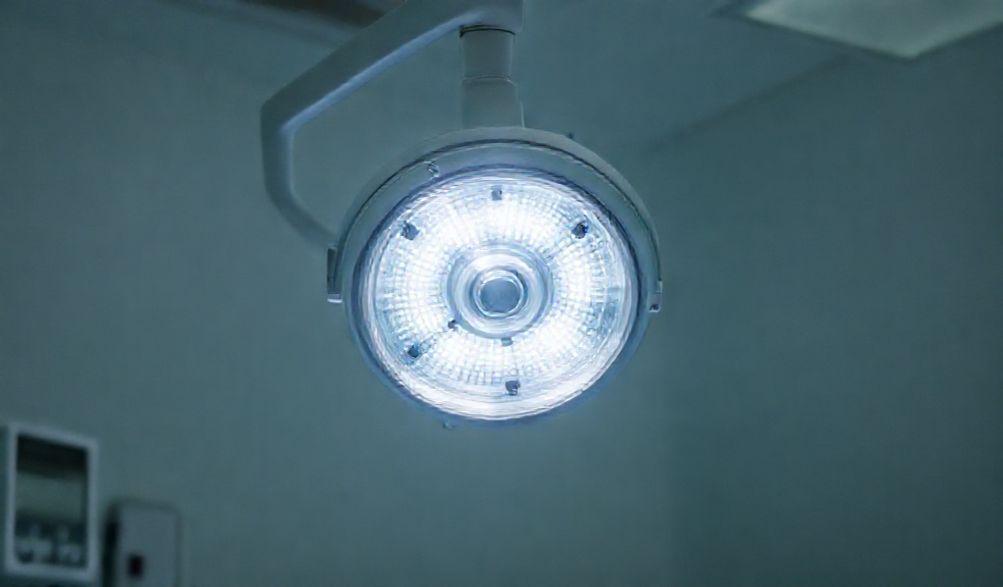
- Shadow Reduction: Harsh, single-point shadows can conceal critical details—the depth of a wound, the border of a lesion, or a foreign object. A high-quality (تابع السؤال) is engineered to be “shadow-reduced” or “shadow-free,” using multiple LED points or specialized optical diffusers to flood the examination area with even, consistent light. This ensures that no clue is hidden in darkness.
- Color Rendering Accuracy: Is that rash erythematous (red), cyanotic (blue), or jaundiced (yellow)? Accurate color perception is vital. Standard lights often distort colors, a flaw measured by a low Color Rendering Index (CRI). A medical-grade light boasts a CRI of 90 or higher, replicating colors as they would appear under natural daylight. This fidelity is essential for assessing skin tone, tissue viability, mucosal health, and bruising.
- Adjustable Intensity & Focus: Different tasks require different light levels. A routine throat exam needs less intensity than detailed wound debridement or a minor surgical procedure. The ability to dim, brighten, and focus the beam allows the clinician to tailor the illumination to the task at hand, preventing glare and eye strain while ensuring sufficient brightness to see minute details.
Impact on Patient Safety and Procedural Outcomes
The implications of proper lighting extend directly into the realm of safety and successful intervention.
- Reducing Practitioner Eye Strain: Clinicians working under poor lighting conditions experience visual fatigue, leading to headaches, decreased concentration, and increased error rates. Optimal lighting reduces this strain, supporting clinician well-being and sustained focus during long procedures.
- Minimizing Procedural Errors: Whether suturing a laceration, placing an IV, or performing a biopsy, precision is everything. Accurate, shadow-free illumination allows for better hand-eye coordination, clearer visualization of anatomical landmarks, and more accurate manipulation of instruments. This directly reduces the risk of iatrogenic injury and improves procedural outcomes.
- Enhancing Clinical Safety Protocols: Clear visualization is a cornerstone of infection control. Proper lighting is necessary to effectively assess wound cleanliness, identify signs of infection, and ensure thorough cleaning of both the patient’s site and the equipment itself.
Beyond Basic Vision: Lighting as a Diagnostic Aid
While general examination lights are workhorses, specialized medical examination lights serve as active diagnostic tools.
- Wood’s Lamp: Emitting long-wave ultraviolet (UV-A) light, it causes certain fungal and bacterial infections (like tinea capitis or Pseudomonas), porphyrins, and pigment alterations to fluoresce, aiding in diagnosis.
- أجهزة الإضاءة النافذة: These bright, cool lights are placed against body tissues (e.g., scrotum, infant skull, sinus cavities) to differentiate between solid masses and fluid-filled cysts based on how the light scatters.
- Slit Lamps & Otoscope/Ophthalmoscope Lights: These are integrated, focused light sources essential for detailed examination of the eyes, ears, and nose.
Key Features and Technology of Modern Examination Lights
Today’s medical examination lights are feats of engineering, moving far beyond the hot, color-distorting halogen bulbs of the past. Understanding the key technologies empowers you to make an informed choice.
Understanding Light Quality Metrics: CRI, CCT, and Lux
These three acronyms form the essential report card for any medical light.
- مؤشر تجسيد الألوان (CRI): On a scale of 0-100, this measures a light source’s ability to reveal the true colors of objects compared to natural light. For medical use, a CRI of ≥90 is considered essential. A CRI of 95+ is ideal for specialties like dermatology or plastic surgery where color differentiation is critical.
- Correlated Color Temperature (CCT): Measured in Kelvins (K), this describes the “warmth” or “coolness” of the light’s appearance.
- ~3500K – 4500K (Neutral to Cool White): This is the sweet spot for most medical applications. It provides a bright, alerting light that enhances contrast without the harsh blue tones of higher temperatures, closely mimicking midday daylight.
- Illuminance (Lux): This is the measure of light intensity falling on a surface. Different tasks have different recommended lux levels (e.g., general exam: 500-1000 lux; minor surgery: 10,000-50,000+ lux). A good (تابع السؤال) will offer adjustable intensity to meet these varying demands.
LED Technology: Benefits for Medical Applications
The widespread adoption of Light Emitting Diode (LED) technology has revolutionized medical lighting.
- التشغيل البارد: LEDs emit minimal infrared radiation, meaning the light beam is virtually cold. This eliminates patient discomfort from heat during prolonged examinations and reduces the risk of altering tissue or drying out wounds.
- Energy Efficiency & Longevity: LEDs consume a fraction of the energy of halogen or fluorescent bulbs and have lifespans measured in tens of thousands of hours, drastically reducing operational costs and the frequency of bulb replacements.
- Consistent Output & Instant On: LEDs provide full, stable brightness immediately upon switching on, with no warm-up time or flicker. Their output and color temperature remain consistent over their entire lifespan.
- Design Flexibility: The small size of LEDs allows designers to create compact, multi-point arrays in sleek housings, facilitating the shadow-reduced illumination that is so critical.
Ergonomic Design and Mobility
Technology is useless if the light can’t be positioned where it’s needed, when it’s needed.
- Adjustable Arms: Multi-jointed, counterbalanced arms (booms) allow for smooth, effortless positioning with a single hand. They should hold their position securely without drift.
- Mobility & Mounting Options:
- مثبت على السقف: Offers the greatest range of motion and keeps floors clear, ideal for procedure rooms and ORs.
- مثبت على الحائط: A space-saving solution for standard exam rooms, providing good flexibility.
- قائم على الأرض: Portable and versatile, suitable for clinics with flexible room layouts or as supplementary lighting.
- Sterile-Friendly Controls: Buttons or touch-sensitive controls should be easy to operate, even with a gloved hand. Sealed designs prevent fluid ingress and facilitate cleaning.
How to Choose the Right Medical Examination Light: A Buyer’s Guide
With the foundational knowledge in place, selecting the right light becomes a matter of matching technology to your specific clinical needs.
Assessing Your Clinical Environment and Specialty Needs
Begin with a self-audit of your practice:
- General Practice/Family Medicine: Requires a versatile, wall- or ceiling-mounted light with excellent CRI, good adjustability, and shadow reduction for comprehensive physical exams.
- Dermatology/Plastic Surgery: Demands the highest possible CRI (95+) for true color assessment, along with high, adjustable intensity and magnifying options for detailed lesion analysis.
- Dentistry: Needs focused, high-intensity lights often integrated into dental chairs, with excellent shadow control for the oral cavity.
- Minor Surgery/Wound Care Clinics: Requires very high-intensity, ceiling-mounted procedure lights with deep cavity illumination and superior shadow reduction.
- Pediatrics/Home Care: May benefit from quieter, portable models with less intimidating designs.
Comparing Different Types of Examination Lights
| Type | Best For | Key Advantages | Considerations |
| :— | :— | :— | :— |
| Overhead (Ceiling-Mounted) | Procedure rooms, ORs, major exam rooms | Maximum range of motion, keeps floor clear, often highest intensity | Requires professional installation, highest upfront cost |
| Wall-Mounted | Standard exam rooms, consulting rooms | Space-efficient, good flexibility, cost-effective | Range limited by arm length, can be obstructed by furniture |
| Portable (Floor-Stand/Hand-held) | Multi-purpose rooms, home visits, supplemental light | Highly flexible, no installation, movable between rooms | Can be a trip hazard, may have less stability/intensity |
| Specialized (Otoscope, etc.) | Specific diagnostic tasks | Integrated into diagnostic tools, task-optimized | Single-purpose, not for general illumination |
Top Considerations Before Purchase: A Checklist
- الميزانية: Consider total cost of ownership, not just purchase price. Factor in energy savings and lifespan of LEDs.
- الضمان والخدمة: Look for a robust warranty (often 3-5 years on LEDs) and ensure the supplier offers reliable local service support.
- الامتثال التنظيمي: The device should carry relevant medical device approvals (e.g., FDA 510(k) clearance, CE Marking for Europe).
- مكافحة العدوى: The housing should be seamless and easy to wipe down with hospital-grade disinfectants. Avoid crevices where contaminants can lodge.
- التكامل: Will it fit aesthetically and functionally with your existing room layout, electrical outlets, and other equipment?
الصيانة، السلامة، وأفضل الممارسات
A (تابع السؤال) is a long-term investment. Proper care ensures it remains a safe, reliable asset for years.
بروتوكولات التنظيف والتطهير الروتينية
Follow manufacturer instructions precisely. Generally:
1. Disconnect power.
2. Use a soft cloth dampened with a mild detergent or an approved hospital disinfectant.
3. Wipe down all external surfaces, especially handles, control panels, and the light housing.
4. Avoid abrasive cleaners or spraying liquid directly onto the light; spray the cloth instead.
5. Ensure no moisture enters vents or joints.
Ensuring Electrical and Clinical Safety
- Use only hospital-grade plugs and cords.
- Regularly inspect cords, plugs, and arms for signs of wear, fraying, or damage.
- Ensure floor-mounted models are placed to avoid creating trip hazards.
- Train staff on proper positioning to avoid bumping the light into patients or equipment.
Calibration and Long-Term Performance Checks
- Monthly: Perform a visual check. Ensure all movements are smooth, the light turns on/off reliably, and brightness controls work.
- سنويًا: Consider a more formal check. This might involve verifying light output (lux) consistency and ensuring color temperature has not shifted. For critical applications, professional calibration may be recommended.
- End of Life: While LEDs last long, they do gradually dim. Plan for replacement based on the manufacturer’s rated lifespan and a noticeable decrease in performance.
الأسئلة المتكررة (FAQ)
س1: ما هي أهم خاصية يجب البحث عنها في ضوء فحص للأغراض العامة؟
ج: يُعد مؤشر تجسيد الألوان المرتفع (CRI 90+ فما فوق) عاملاً بالغ الأهمية. فهو يضمن رؤية ألوان الجلد والأنسجة والمؤشرات بدقة، وهو أمر أساسي للتشخيص. إلى جانب قابلية التعديل الجيدة وتقليل الظلال، يشكل هذا المؤشر جوهر الإضاءة الفعالة.
س2: هل مصابيح LED الطبية أفضل حقًا من المصابيح الهالوجين أو الفلورسنت التقليدية؟
ج: نعم، بالنسبة لمعظم التطبيقات. تقدم مصابيح LED كفاءة طاقة فائقة، وتولد حرارة أقل بكثير (ما يزيد من راحة المريض)، ولها عمر أطول بكثير مما يقلل تكاليف الاستبدال، وتوفر جودة إضاءة ممتازة ومتسقة مع مؤشر تجسيد ألوان مرتفع.
س3: كم مرة يجب صيانة أو فحص مصباح الفحص الطبي؟
ج: قم بإجراء فحص بصري ووظيفي أساسي (للأزرار والحركة والسطوع) شهريًا. يجب إجراء فحص رسمي للسلامة الكهربائية ومعايرة خرج الإضاءة سنويًا، أو وفقًا لإرشادات الشركة المصنعة وجدول صيانة المعدات الطبية في عيادتك.
س4: هل يمكنني استخدام مصباح مكتبي عادي ساطع للفحوصات الطبية؟
ج: هذا غير موصى به بشدة. غالبًا ما يكون لمصابيح الإضاءة القياسية مؤشر تجسيد ألوان ضعيف، مما يتسبب في تشويه الألوان، وقد تولد حرارة مفرطة، وتفتقر إلى الشدة أو القابلية للتعديل اللازمة، كما أنها غير مصممة لبروتوكولات التنظيف/التعقيم السريري. إنها تهدد دقة التشخيص ومكافحة العدوى.
س5: ماذا يعني الإضاءة “مخفضة الظلال”، ولماذا هي مهمة؟
ج: تستخدم الإضاءة مخفضة الظلال نقاط LED متعددة أو موزعات خاصة لتقليل الظلال القاسية التي تلقيها يدي الممارس أو أدواته. وهذا أمر بالغ الأهمية لتحقيق إضاءة متساوية عبر الجرح أو موقع الفحص، مما يضمن عدم تفويت أي تفاصيل في المناطق المعتمة.
الخاتمة
يعد اختيار (تابع السؤال) مصباح الفحص الطبي المناسب قرارًا حاسمًا يتجاوز مجرد السطوع البسيط. فهو يتطلب موازنة دقيقة بين التكنولوجيا المتطورة - مع إعطاء الأولوية لدقة الألوان الاستثنائية وإضاءة LED القابلة للتعديل الباردة - وبين عوامل بيئة العمل العملية ومعايير السلامة الصارمة. من خلال فهم الاحتياجات المحددة لممارستك السريرية وإعطاء الأولوية للميزات التي تعزز دقة التشخيص، فإنك تستثمر مباشرة في تحسين نتائج المرضى وفعالية الممارس. كأداة أساسية في أي بيئة رعاية صحية، يعد مصباح الفحص الطبي عالي الجودة أصلًا لا غنى عنه لتقديم مستوى الرعاية الذي يستحقه كل مريض. نوصي بالتشاور مع مورد معدات طبية ذي سمعة طيبة لتقييم النماذج مباشرة وضمان أن اختيارك يلبي متطلباتك السريرية والتشغيلية على حد سواء.
ص>