
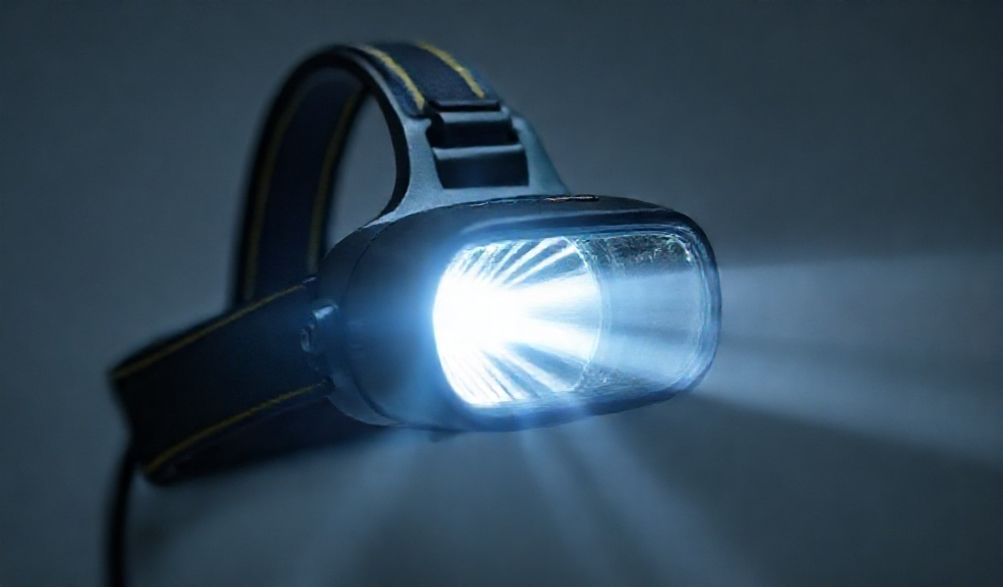
The Ultimate Guide to Medical Headlamps: Enhancing Precision in Healthcare
Introduction
Imagine this: you’re in the midst of a complex laceration repair in the ER. The wound is deep, requiring meticulous layered closure. As you lean in, your own head casts a shadow across the very structures you need to see. You adjust the overhead light, but a nurse moves into position, blocking it again. You squint, straining your eyes and neck, knowing that precision is paramount for healing and cosmetic outcome. This scenario, repeated in operating rooms, dental suites, and clinics worldwide, highlights a fundamental but often overlooked challenge: inadequate lighting is a critical risk factor in healthcare.
Poor illumination is far more than a mere inconvenience. It directly compromises diagnostic accuracy, increases procedural time and difficulty, elevates the risk of errors, and contributes significantly to clinician fatigue and musculoskeletal strain. In fields where a millimeter matters and color differentiation is diagnostic, standard overhead lighting frequently falls short.
The solution is a tool designed specifically for this high-stakes environment: the medical headlamp. This is not a camping accessory repurposed for the clinic. It is an engineered, hands-free lighting system that delivers bright, focused, and shadow-free illumination exactly where the clinician needs it. By putting the light source on the practitioner’s head, aligned with their line of sight, it transforms visibility and control.
This comprehensive guide is built on a synthesis of surgical protocols, dental equipment standards, and ergonomic design principles. Our purpose is to move beyond marketing specs and provide medical professionals—surgeons, dentists, veterinarians, emergency responders, and clinicians—with the knowledge needed to make an informed decision. We will dissect the key features, explore critical applications, and provide a detailed checklist for selecting the optimal medical headlamp for your specific practice, ultimately empowering you to enhance precision, safety, and comfort in your work.
What is a Medical Headlamp? Beyond Basic Illumination
At its core, a medical headlamp is a specialized, wearable light source used by healthcare providers to achieve superior, hands-free illumination on a surgical site or examination field. Its primary function is to deliver a beam of light that is intense, consistent, and free from the shadows cast by the practitioner’s own head and instruments.
The critical distinction lies in its design philosophy. A regular headlamp for hiking or repair work prioritizes battery life, ruggedness, and general visibility. A medical headlamp, however, is engineered for clinical accuracy and safety. The differences are profound:
- Color Accuracy (CRI): A medical-grade light must reveal the true colors of tissues, organs, and fluids. High Color Rendering Index (CRI) is non-negotiable.
- Sterile Compatibility: Components must withstand rigorous cleaning, disinfection, and often sterilization protocols without degrading.
- Beam Precision: The optics are designed to produce a specific, uniform beam pattern—whether a tight spotlight for microsurgery or a broad flood for wound inspection—with minimal peripheral scatter or “hot spots.”
- Clinical Durability: It must be built to endure the unique demands of a healthcare setting, including exposure to bodily fluids, chemicals, and frequent use.
Key Components and Their Functions
Understanding the parts of a medical headlamp demystifies the specifications and informs better purchasing decisions.
- Light Source (LED): Modern headlamps exclusively use Light Emitting Diodes (LEDs) for their efficiency, longevity, and cool operation. The choice between cool white (higher color temperature, e.g., 6000K) and warm white (lower color temperature, e.g., 4000K) light has clinical implications. Cool white offers high contrast and a “bright” feel, while warm white is often perceived as causing less eye strain during long procedures and may better replicate natural tissue tones.
- Optics: The lens system shapes the raw LED light. Precision optics create a defined beam with a sharp “cut-off” edge, minimizing glare for the patient and practitioner. Adjustable focus mechanisms allow the user to change the beam from a concentrated spot to a wider flood.
- Power System: This includes the battery and its management. Rechargeable lithium-ion battery packs are standard, offering high energy density and no “memory effect.” Key considerations are runtime on a single charge, charge time, and the availability of hot-swappable batteries for uninterrupted use during long surgeries.
- Headband & Mounting System: Ergonomics are paramount. A well-designed headband distributes weight evenly across the cranium, often using a padded, adjustable strap with a secure ratchet or dial system. The mounting bracket should allow the light unit to be tilted and rotated smoothly and stay firmly in position once set.
Critical Applications of Medical Headlamps in Healthcare
The utility of a medical headlamp extends across the spectrum of healthcare, wherever detailed visualization is key to patient outcomes.
Surgery and Operating Rooms
In the OR, overhead lights are essential but can be obstructed. A surgeon’s headlamp provides consistent, coaxial illumination (light aligned with the line of sight) directly into deep cavities. This is indispensable in specialties like:
* Spinal Surgery: Illuminating the deep surgical corridor.
* ENT and Neurosurgery: Providing focused light in confined anatomical spaces.
* Plastic and Reconstructive Surgery: Ensuring even shadow-free light for precise tissue handling and suturing.
Dentistry and Oral Surgery
The oral cavity is a deep, shadow-prone area. dental headlamps are crucial for:
* Illuminating posterior molars and subgingival margins.
* Performing precise tooth preparations and composite placements.
* Accurate shade matching for restorations, where high CRI is essential to distinguish subtle tooth colors.
* Oral surgical procedures like extractions and implant placements.
Emergency Medicine and First Response
For paramedics, tactical medics, and ER staff, hands-free lighting is a functional necessity.
* Conducting primary surveys in poorly lit environments (accident scenes, night-time emergencies).
* Performing procedures like intubation, IV access, or wound packing in challenging conditions.
* Durability, long battery life, and simple operation are critical features in this setting.
الطب البيطري
Veterinarians face all the lighting challenges of human medicine, often with less cooperative patients and more variable settings.
* Surgical procedures on animals of all sizes, from exotics to large animals.
* Detailed examinations of ears, eyes, and oral cavities.
* Fieldwork in farm or wildlife settings.
Clinical Examinations
In outpatient settings, a headlamp enhances diagnostic capability.
* طب الجلدية: Visualizing subtle skin lesions, pigmentation, and vascular structures without shadow.
* العناية بالجروح: Assessing wound bed tissue (granulation vs. slough), depth, and undermining with clarity.
* General Physical Exam: Providing excellent illumination for otoscopic or oropharyngeal exams.
How to Choose the Right Medical Headlamp: A Buyer’s Checklist
يعد اختيار medical headlamp requires balancing technical specifications with practical ergonomics and clinical need. Use this checklist to guide your evaluation.
1. Light Quality and Technical Specifications
This is the core of performance.
* Luminosity (Lumens): Measures total light output. More lumens aren’t always better; uncontrolled brightness causes glare and eye fatigue.
* Guideline: 200-400 lumens for examinations and minor procedures. 400-800+ lumens for most surgical and dental applications. Deep-cavity surgery may demand 1000+ lumens.
* نمط الحزمة الضوئية: Determines how the light is distributed.
* Spotlight: A concentrated, focused beam for high-precision work on a small area (e.g., microsurgery, endodontics).
* Floodlight: A wider, diffused beam for illuminating a larger field (e.g., wound debridement, general exam).
* Many models offer adjustable focus between these extremes.
* مؤشر تجسيد الألوان (CRI): On a scale of 0-100, this measures a light’s ability to reveal an object’s true colors compared to natural light. For medical use, a CRI of 90 or higher is essential. It allows for accurate differentiation between arterial and venous blood, viable and necrotic tissue, and subtle tissue discolorations.
* درجة حرارة اللون: Measured in Kelvins (K). Clinical preferences vary.
* Cool White (5000-6500K): Crisp, high-contrast light; can feel “sterile” and may cause more eye strain over time.
* Warm/Natural White (400-4500K): Softer, closer to incandescent light; often preferred for long procedures to reduce fatigue.
2. Ergonomics and Comfort for Long Procedures
A headlamp you can forget you’re wearing is a good headlamp.
* Weight & Balance: Lighter is generally better, but weight distribution is more important. A counterweight on the back of the headband can improve balance.
* Headband Design: Look for wide, padded, moisture-wicking straps. A secure, easy-to-adjust mechanism (like a dial) is vital for stability during movement.
* Heat Dissipation: The lamp unit should remain cool to the touch even after hours of use to prevent discomfort on the forehead.
3. Power and Battery Considerations
Reliable power is non-negotiable in the middle of a procedure.
* Battery Type & Life: Lithium-ion rechargeable packs are standard. Check the runtime at the intensity you’ll use most. A 4-8 hour runtime is typical for surgical models. Beware of claims based on lowest brightness settings.
* Charging: USB-C charging is a modern convenience. Docking stations offer organized storage and guaranteed charge. Can you use it while charging?
* طاقة احتياطية: For marathon procedures, can you hot-swap batteries without turning off the light? Is a spare battery included or available?
4. Durability and Sterilization Compatibility
The headlamp must survive the clinical environment.
* تصنيف IP: Look for an IPX7 or higher rating for protection against immersion and fluid splash.
* Sterilization Method: This is critical. What does the manufacturer approve?
* Autoclaving (Steam): The gold standard but hardest on materials. Only specific models/parts are autoclave-safe.
* Chemical Wipes/Sprays: Most common. The housing must be resistant to alcohols, bleach, and other disinfectants.
* UV Sterilization: An option for some models.
* Build Quality: Robust, medical-grade plastics and metals should feel solid, not cheap.
5. Additional Features to Consider
- Wireless/Bluetooth: Allows integration with cameras for documentation or teaching. Eliminates cords but adds complexity, cost, and battery drain for the wireless function.
- Magnetic Mounting: Some systems use magnets to attach the light to glasses or a separate headband, offering versatility.
- الضمان والدعم: A strong warranty (2-3 years) and responsive manufacturer support from a reputable medical equipment company signal a trustworthy investment.
السلامة والصيانة وأفضل الممارسات
Owning a medical headlamp comes with the responsibility for its safe and effective use.
Ensuring Patient and Practitioner Safety
- السلامة الحرارية: Even with cool LEDs, prolonged exposure at very close range (<2 inches) can generate heat. Be mindful of this on sensitive tissues.
- Cord Management: For corded models, secure the cord to your gown or person to prevent it from dangling into the sterile field.
- Electrical Standards: Ensure the device complies with relevant medical electrical safety standards (e.g., IEC 60601-1) if required by your institution.
Routine Cleaning and Sterilization Protocols
Always follow the manufacturer’s instructions precisely. A general hierarchy:
1. التنظيف: After each use, wipe down all non-sterile surfaces with a hospital-grade disinfectant wipe compatible with the device materials.
2. Disinfection/Sterilization: For components intended for use in a sterile field (often just the light unit itself), follow the approved method (e.g., autoclave in a provided pouch, soak in specific solution). Never sterilize the battery pack or headband.
Maximizing Battery Life and Long-Term Care
- Charging: Avoid constantly draining the battery to 0%. Partial discharges are better for lithium-ion health. Store with a ~50% charge if not used for extended periods.
- Inspection: Regularly check cables for fraying, connectors for corrosion, and the housing for cracks. Replace worn parts immediately.
الأسئلة الشائعة (FAQ) حول مصابيح الرأس الطبية
Q1: Can I use a regular camping or tactical headlamp for medical procedures?
ج: It is strongly discouraged and potentially risky. Recreational headlamps lack the high CRI needed for accurate tissue discrimination. Their beam patterns often create glare and hot spots. Critically, they are not designed for clinical sterilization protocols and may harbor pathogens or be damaged by disinfectants.
Q2: How many lumens do I really need for surgery/dentistry?
ج: While lumens are important, beam focus and CRI are often more critical. As a guide:
* Dentistry & Minor Procedures: 300-600 lumens is typically ample.
* General Surgery: 500-800 lumens provides strong illumination.
* Deep-Cavity/Microsurgery: 800-1500+ lumens may be necessary.
Always prioritize a uniform, focused beam and a CRI >90 over maximum lumen count.
Q3: Are wireless/Bluetooth medical headlamps reliable?
ج: Wireless technology from reputable medical device manufacturers is highly reliable. The benefits are no cord to manage and easy integration with documentation systems. The trade-offs are increased cost, the need to manage two batteries (light and transmitter), and potential, though rare, signal interference. For most users, a corded model is simpler and perfectly sufficient.
Q4: How often should I replace the batteries or the headlamp itself?
ج:
* البطاريات: Lithium-ion batteries have a lifespan of 300-500 full charge cycles. You’ll notice replacement is needed when runtime significantly decreases. Always have a tested spare.
* Headlamp: With proper care, a quality medical headlamp can last 5+ years. Signs it needs replacement include: significantly dimmed LEDs (even with fresh batteries), cracked or degraded housing, failing switches, or if it can no longer be properly sterilized per protocol.
الخاتمة
إن medical headlamp is far more than a simple light; it is a fundamental instrument of precision. By delivering bright, shadow-free, and color-accurate illumination directly in the clinician’s line of sight, it enhances diagnostic confidence, procedural accuracy, and ergonomic comfort. The choice, as we’ve explored, is not one-size-fits-all. It requires a careful balance of technical performance—prioritizing high CRI and appropriate beam pattern—with the practical realities of comfort, battery life, and sterilization needs.
Investing in a proper medical-grade device, and maintaining it according to protocol, is an investment in patient safety and the quality of your professional practice. We encourage you to consult with your facility’s biomedical engineering department and trusted medical equipment suppliers to see and test models firsthand.
دعوة للعمل: Take a moment to assess the lighting challenges in your daily practice. Use the checklist provided in this guide as a framework for evaluating your next medical headlamp purchase. Your eyes—and your patients—will thank you for the clarity.
ص>