
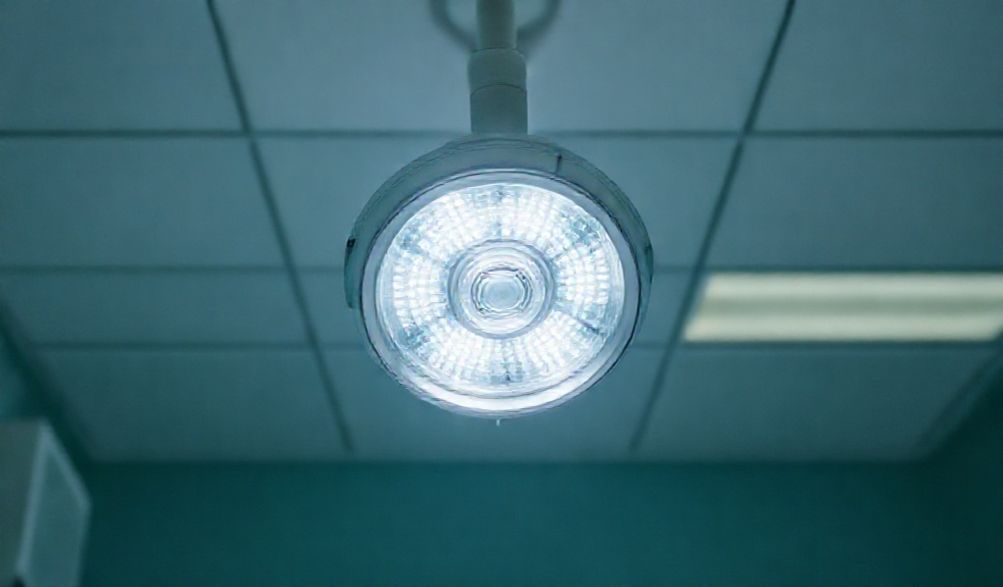
The Essential Guide to Medical Lighting: Enhancing Patient Care and Clinical Outcomes
In the high-stakes environment of modern healthcare, every detail matters. From the precision of surgical instruments to the protocols for infection control, each element is meticulously engineered for optimal outcomes. Yet, one critical component is often relegated to a mere afterthought: the lighting. Medical lighting is far more than a utility; it is a sophisticated, purpose-built tool that directly influences diagnostic accuracy, surgical success, patient recovery, and clinician well-being. This essential guide delves into the science, technology, and strategic considerations behind medical-grade illumination, providing healthcare administrators, facility planners, and medical professionals with the knowledge to make informed decisions that enhance both safety and care quality.
Understanding Medical Lighting: More Than Just Brightness
Unlike general ambient lighting, medical lighting is a precision instrument. Its primary role is not simply to illuminate a space, but to reveal critical information—the subtle color variation in tissue, the depth of a cavity, or the precise border of a lesion. It must perform flawlessly under demanding conditions, from the tense hours of an open-heart surgery to the quiet examination of a newborn. This specialized function demands a set of performance metrics that go far beyond the specifications of commercial or residential lighting.
Key Performance Metrics: Illuminance, Color Rendering, and Glare Control
To evaluate a medical light, one must understand the language of photometrics. Three key metrics are paramount:
- Illuminance (Lux): This measures the amount of light falling on a surface. In medical contexts, recommended lux levels are exceptionally high and task-specific. For example, a general examination may require 1,000 lux, while a major surgical site demands 40,000 to 160,000 lux to ensure deep-cavity illumination. Guidelines from organizations like the Illuminating Engineering Society of North America (IESNA) provide detailed benchmarks for different clinical areas.
- مؤشر تجسيد الألوان (CRI): Perhaps the most critical metric for diagnosis and surgery, CRI measures a light source’s ability to reveal the true colors of objects compared to natural light. A high CRI (90+ and ideally 95+) is non-negotiable. It allows clinicians to accurately distinguish between arterial and venous blood, identify tissue oxygenation levels, and detect subtle jaundice or cyanosis. Poor color rendering can lead to diagnostic errors.
- Unified Glare Rating (UGR) & Shadow Management: Glare causes visual fatigue, headaches, and impaired performance. Medical lights, especially surgical systems, are engineered to minimize direct and reflected glare through sophisticated optical designs, diffusers, and positioning. Equally important is shadow reduction. Advanced surgical lights use multiple LED clusters from different angles to “fill in” shadows cast by a surgeon’s head or hands, ensuring a consistently clear field of view.
The Impact on Human Physiology: Clinicians and Patients
The biological impact of light is profound. For clinicians, especially surgeons and proceduralists, hours of intense visual focus under inadequate lighting lead to eye strain, fatigue, and decreased concentration—factors that can impact performance. Proper medical lighting mitigates this by providing stable, high-quality illumination that reduces the eye’s need to constantly adjust.
For patients, lighting affects physiology and psychology. In patient rooms, constant bright light disrupts circadian rhythms, impairing sleep and potentially delaying healing. Conversely, lighting that mimics natural diurnal patterns can help regulate melatonin production, improve sleep quality, and reduce confusion, particularly in ICU or elderly care settings. The psychological benefit of a patient having control over their ambient light should not be underestimated, contributing to a greater sense of comfort and autonomy.
Primary Types of Medical Lighting and Their Clinical Applications
Medical lighting is not a one-size-fits-all solution. It is a family of specialized tools, each designed for a specific clinical purpose.
Surgical Lighting Systems: Precision in the Operating Room
The surgical light is the pinnacle of medical lighting technology. Modern systems, predominantly LED-based, are marvels of engineering. Key features include:
* Deep-Cavity Illumination: The ability to deliver intense, uniform light into deep surgical sites without excessive heat.
* Advanced Shadow Reduction: Achieved through multi-point source designs (often with hundreds of individual LEDs) that create overlapping fields of light.
* Color Temperature Control: Some systems allow adjustment of color temperature (e.g., from cool 4500K to warm 3500K) to optimize contrast for different tissue types.
* Sterilization & Integration: Designed with seamless, cleanable surfaces and often capable of integration with imaging systems, video overlays, and room controls in a hybrid operating room.
Examination and Diagnostic Lighting
This category encompasses the lights used in clinics, emergency departments, and bedside examinations.
* Overhead Exam Lights: Provide high-CRI, adjustable illumination for general physical assessments.
* Specialized Diagnostic Lights: Include dermatological lights for assessing skin lesions, transilluminators, and the integrated lights in devices like otoscopes and ophthalmoscopes. These are tuned to specific wavelengths to enhance visualization of particular conditions.
Ambient and Patient-Room Lighting
Here, the focus shifts from procedural precision to therapeutic environment. Principles of Evidence-Based Design guide this category:
* Circadian Lighting Systems: These automatically adjust color temperature and intensity throughout the day—bright, cool light in the morning; warm, dim light in the evening—to support patient and staff circadian health.
* Patient-Centered Controls: Bedside lights with multiple intensity settings and color options give patients control, reducing stress.
* Safety-Focused Design: Integrated night lights, path lighting, and glare-free fixtures ensure safe mobility for patients and staff during nighttime hours.
Critical Factors in Selecting Medical Lighting
Choosing the right system requires a balance of clinical need, safety, and operational pragmatism.
Safety and Regulatory Compliance (IEC 60601-1, etc.)
This is the absolute baseline. Any device used in patient care must comply with stringent international standards. The IEC 60601-1 series is the global benchmark for the safety and essential performance of medical electrical equipment. Compliance ensures protection against electric shock, mechanical hazards, excessive radiation, and electromagnetic interference. Furthermore, fixtures must be designed for infection control—with smooth, crevice-free surfaces that can withstand repeated cleaning with harsh disinfectants.
Technological Considerations: LED Dominance and Smart Features
LED technology has revolutionized medical lighting and is now the undisputed standard. Benefits include:
* Superior Efficiency & Lifespan: LEDs consume up to 80% less energy than halogen and last for 20,000-50,000 hours, slashing energy and maintenance costs.
* انبعاث حراري ضئيل: Critical for patient and clinician comfort, especially in surgical settings.
* Instant On & Dimming: Provides full intensity immediately with flicker-free dimming.
* Smart System Integration: Modern systems can be part of a networked building management system, allowing for pre-programmed lighting “scenes” for different procedures, usage tracking, and predictive maintenance alerts.
Ergonomics, Durability, and Total Cost of Ownership
A light is only as good as its usability. Evaluate:
* بيئة العمل: Are handles intuitive? Is the movement smooth and effortless? Can it be positioned and locked precisely without drift?
* المتانة: The system must withstand years of constant adjustment, potential impacts, and aggressive cleaning. Look for robust construction and warranty terms.
* التكلفة الإجمالية للملكية (TCO): Look beyond the purchase price. Calculate long-term savings from LED energy efficiency, reduced bulb replacements, and lower HVAC loads (due to less heat output). A higher-quality, more efficient system often has a lower TCO over a 10-year period.
The Evolving Future of Medical Lighting
The frontier of medical lighting is intelligent, adaptive, and deeply integrated.
Integration with Digital Surgery and Imaging
أصبح الإضاءة نقطة بيانات ديناميكية في غرفة العمليات الرقمية. في غرف العمليات الهجينة، يمكن لمستويات الإضاءة أن تتكيف تلقائيًا عند الانتقال من الجراحة المفتوحة إلى التصوير الفلوري. قد تتصل الأنظمة المستقبلية مباشرةً بمنصات الملاحة الجراحية والذكاء الاصطناعي، حيث يمكن ضبط طيف الضوء في الوقت الفعلي لتعزيز وضوح الأنسجة السرطانية التي يحددها نظام التصوير الفوري.
الإضاءة المتمحورة حول الإنسان وتصميم المحاكاة الحيوية
المستقبل منسجم نفسيًا. ستقوم أنظمة الإضاءة المتمحورة حول الإنسان (HCL) بإدارة الناتج الطيفي بنشاط لتعزيز اليقظة لطاقم العمل الليلي أو تعزيز الاسترخاء للمرضى قبل الجراحة. ستستخدم مبادئ التصميم الحيوي الضوء لخلق روابط مع الطبيعة، مثل محاكاة التحولات اللونية البطيئة للفجر أو عرض أنماط طبيعية مهدئة، لتقليل التوتر ودعم الشفاء الشامل.
قسم الأسئلة الشائعة
س1: ما هي أهم ميزة يجب البحث عنها في مصباح الجراحة؟
ج: بينما العديد من الميزات مهمة،, تقليل الظل الموحد هو الأهم. فهو يضمن إضاءة موقع الجراحة بشكل متسق وواضح من زوايا متعددة، مما يمنع العوائق البصرية التي قد تضر بسلامة وكفاءة الإجراء. هذه ميزة أساسية يتم تسليط الضوء عليها في التقييمات السريرية لمعدات غرفة العمليات.
س2: هل جميع مصابيح LED مناسبة للاستخدام الطبي؟
ج: لا. يجب أن تفي مصابيح LED الطبية بمعايير تنظيمية صارمة (مثل IEC 60601-1) للسلامة الكهربائية والانبعاثات الكهرومغناطيسية والمتانة الميكانيكية. كما يجب التحقق سريريًا من اتساق ألوانها ودقتها في تمثيل الألوان. تفتقر مصابيح LED الاستهلاكية إلى هذه الشهادات والضوابط، مما يجعلها غير مناسبة للمهام التشخيصية أو الجراحية.
س3: كيف تؤثر الإضاءة الطبية على تعافي المريض؟
ج: يشير البحث في التصميم القائم على الأدلة إلى أن إضاءة غرفة المريض التي تحاكي دورات ضوء النهار الطبيعي يمكن أن تساعد في تنظيم أنماط النوم/اليقظة، مما قد يقلل الارتباك ويحسن المزاج. علاوة على ذلك، فإن الإضاءة القابلة للتعديل تمنح المرضى شعورًا بالتحكم، مما يساهم في الراحة والرضا العامين، وهما عنصران من عملية الشفاء.
س4: هل يمكن أن يؤدي التحديث إلى إضاءة طبية حديثة إلى تقليل تكاليف المستشفى؟
ج: نعم، بشكل أساسي من خلال توفير التكاليف التشغيلية. تستهلك مصابيح LED الجراحية والفحص الحديثة طاقة أقل بشكل ملحوظ ولها عمر افتراضي يتراوح بين 20000-50000 ساعة، مما يقلل بشكل كبير من تكاليف الاستبدال والصيانة مقارنة بأنظمة الهالوجين أو الفلورسنت التقليدية. غالبًا ما يتم تعويض الاستثمار الأولي من خلال المدخرات طويلة الأجل وتحسين النتائج السريرية.
الخاتمة
يعد اختيار الإضاءة الطبية المناسبة قرارًا حاسمًا يتقاطع مع الفعالية السريرية وتجربة المريض وأداء الطاقم والكفاءة التشغيلية. فهو يتطلب الانتقال من المواصفات الأساسية إلى فهم شامل لكيفية عمل الضوء كأداة داخل سير عمل الرعاية الصحية المحددة. من خلال إعطاء الأولوية لمعايير السلامة، واعتماد تقنيات مثبتة مثل LED عالي دقة تمثيل الألوان (CRI)، ومراعاة العوامل البشرية لكل من مقدمي الرعاية والمرضى، يمكن لمنشآت الرعاية الصحية الاستثمار في حلول الإضاءة التي تُضيء حقًا الطريق نحو رعاية أفضل. مع تقدم التكنولوجيا، ستصبح الإضاءة أكثر تكاملاً وذكاءً، مما يعزز دورها كركيزة أساسية في البنية التحتية الطبية الحديثة.
ص>