
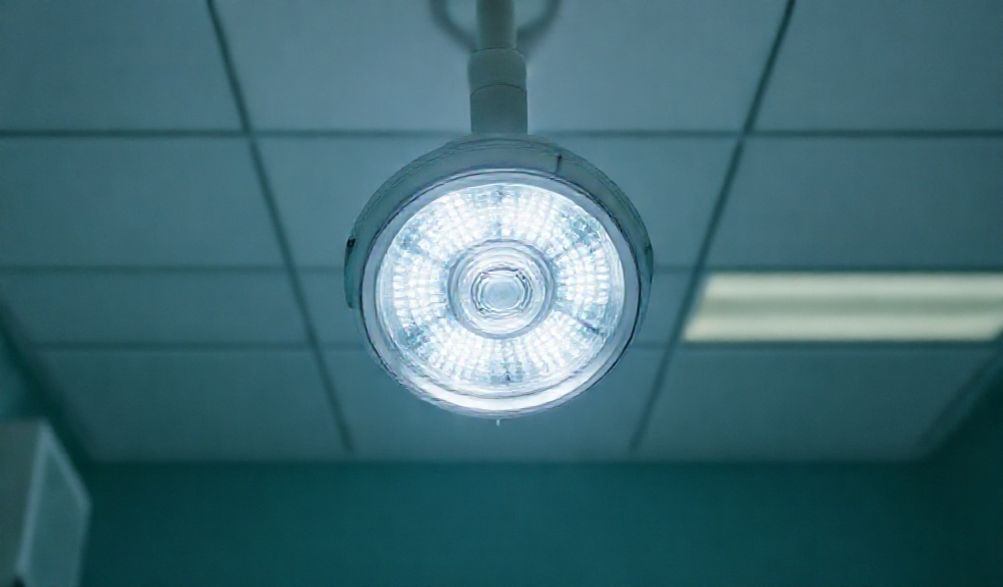
Medical Light: A Comprehensive Guide to Therapeutic Lighting Technologies
The global phototherapy market is projected to surpass $1.2 billion by 2030, a testament to the growing recognition of light as a powerful medical tool. Far beyond simple illumination, specific wavelengths of light are now harnessed in clinics, hospitals, and even homes to diagnose conditions, accelerate healing, and improve quality of life. This convergence of physics and physiology represents one of the most fascinating frontiers in modern medicine.
But what exactly is “medical light”? In this context, it refers to the controlled application of specific wavelengths and intensities of light—from ultraviolet to infrared—for diagnostic, therapeutic, and surgical purposes. This guide serves as an authoritative, expert-driven resource for patients, caregivers, and medical professionals seeking to demystify the science, diverse applications, and critical safety considerations of medical lighting technologies. The information herein is curated with insights from clinical research, photobiology, and medical device principles, ensuring a foundation built on evidence and expertise (E-E-A-T).
The Science Behind Medical Light: More Than Just Illumination
To understand how light heals, we must first move past seeing it merely as brightness. Medical light therapy is a precise science, where specific parameters dictate biological outcomes.
Understanding Light Spectrum & Wavelengths
The light we see is a tiny slice of the electromagnetic spectrum. In medicine, three key regions are utilized:
- Ultraviolet (UV) Light (100-400 nm): Invisible to the human eye, UV light is high-energy. It’s subdivided into UVA (315-400 nm), UVB (280-315 nm), and UVC (100-280 nm). UVB is particularly important in treating skin diseases.
- Visible Light (400-700 nm): This is the rainbow of colors we perceive. Key therapeutic bands include blue light (~415 nm) and red light (~630-660 nm), each with unique interactions with tissue.
- Infrared (IR) Light (700 nm – 1 mm): Felt as heat, infrared light, especially near-infrared (NIR, 700-1400 nm), penetrates deeper into tissue than visible light, making it useful for addressing musculoskeletal issues.
The critical measurement is wavelength, expressed in nanometers (nm). It determines which molecules in the body will absorb the light. الإشعاعية (power per unit area, e.g., mW/cm²) is equally vital, defining the “dose” of light delivered to the tissue.
Biophotonic Interaction: How Light Affects Human Tissue
When light of a specific wavelength strikes the body, it doesn’t just bounce off; it can be absorbed, scattered, or transmitted. Therapeutic effects occur primarily through absorption by light-sensitive molecules called chromophores.
- Photochemical Effect: Light energy is absorbed by a chromophore, triggering a chemical change. This is the principle behind Blue Light for Acne (targeting porphyrins in P. acnes bacteria) and Photodynamic Therapy (activating a photosensitizing drug).
- Thermal Effect: Light energy is converted to heat. This is the dominant effect of infrared lasers and intense pulsed light (IPL) used in dermatology for hair removal or vascular lesions, where the goal is to selectively heat and destroy a target.
- Mechanical Effect: Extremely high-power, short-pulsed lasers can create acoustic shockwaves or disrupt tissue physically, used in lithotripsy to break up kidney stones or in certain precise surgical ablations.
Key chromophores in human tissue include:
* Hemoglobin (in blood): Absorbs blue, green, and yellow light, useful for treating vascular lesions.
* Melanin (in skin and hair): Absorbs broadly across UV and visible light, protecting against UV damage but also a target for laser hair removal.
* Water: Strongly absorbs infrared light, making IR lasers effective for cutting or coagulating tissue in surgery.
Major Types of Medical Light & Their Clinical Applications
From dermatology clinics to operating rooms, medical light technologies have become indispensable tools. Here’s how they are applied in real-world settings.
Phototherapy for Skin Conditions
This is one of the oldest and most established applications of medical light.
* Blue Light (415 nm): Used primarily for mild-to-moderate inflammatory acne vulgaris. The light is absorbed by porphyrins produced by P. acnes bacteria, generating free radicals that destroy the bacteria without damaging the surrounding skin.
* Narrowband UVB (311 nm): The gold-standard phototherapy for psoriasis, vitiligo, and atopic eczema. It suppresses the overactive immune response in the skin while minimizing the burning risk associated with broader-band UVB.
* PUVA Therapy: Combines UVA light with a topical or oral photosensitizing drug called psoralen. It’s highly effective for severe psoriasis, cutaneous T-cell lymphoma, and vitiligo but requires careful management due to increased side effects, including a higher long-term skin cancer risk.
Surgical and Procedural Lighting
Here, light enables precision and safety.
* Halogen & LED Surgical Lights: These are engineered for optimal visualization. Key metrics include high مؤشر تجسيد اللون (CRI) to distinguish tissue types accurately, intense shadow-reduced illumination, and minimal heat emission. Modern LED systems offer superior longevity and color stability.
* Dental Curing Lights: Dentists use high-intensity blue light (typically 450-490 nm) to rapidly polymerize (harden) resin-based composite fillings and dental adhesives, a process called photocuring.
Light for Mental Health & Circadian Rhythm
Light’s impact on the brain and biological clock is profound.
* Bright Light Therapy (10,000 lux): A first-line treatment for Seasonal Affective Disorder (SAD). Daily exposure to a bright light box, usually in the morning, mimics summer sunlight, suppressing melatonin production and regulating serotonin and circadian phase. Strong evidence also supports its use for certain non-seasonal depressions and circadian sleep disorders.
* Circadian Lighting: Increasingly implemented in hospitals and care homes, these lighting systems dynamically change color temperature and intensity throughout the day (bright, blue-enriched light during daytime; warm, dim light in the evening) to support patient recovery, reduce delirium, and maintain staff alertness.
Diagnostic and Imaging Applications
Light allows clinicians to “see” what the naked eye cannot.
* Transillumination: A simple yet effective technique where a bright, focused light is placed against the body. It can help identify fluid-filled cysts, assess sinus opacification, or, in neonatology, aid in locating veins for cannulation.
* التصوير الفلوري: Involves using a specific wavelength of light to excite a fluorescent dye or endogenous molecule. In surgery, it can highlight blood flow in tissues or make cancerous cells glow. In ophthalmology, fluorescein angiography uses it to visualize retinal blood vessels.
Critical Considerations for Safety and Efficacy
The power of medical light necessitates respect. Understanding risks and device legitimacy is non-negotiable for safe and effective use.
Understanding Risks and Contraindications
- UV Exposure Risks: Even therapeutic UV carries risks of erythema (sunburn), photoaging, and an increased lifetime risk of skin cancer, particularly with long-term use. PUVA therapy carries a higher risk than NB-UVB.
- Photosensitizing Medications: Many common drugs (e.g., certain antibiotics, diuretics, antidepressants) can increase sensitivity to light, leading to severe burns or rashes. A thorough medical history is essential.
- Regulation is Key: Legitimate medical light devices are regulated (e.g., FDA-cleared in the US, CE-marked in Europe). This means they have undergone review for safety and, in some cases, efficacy for their intended use.
Device Selection: Professional-Grade vs. Consumer Products
The market is flooded with products, making discernment critical.
* Medical Devices: These are FDA-cleared/CE-marked, have specific, calibrated wavelengths, provide controlled dosimetry (measured in Joules/cm²), and come with clear treatment protocols and safety features. They are backed by clinical data.
* Consumer “Wellness” Products: Often sold as general “red light therapy” panels or acne wands, these may not have regulated outputs, specific wavelengths, or proven dosing guidelines. Claims may be exaggerated.
* The Golden Rule: Always consult a qualified healthcare professional (dermatologist, psychiatrist, physiotherapist) before starting any light-based treatment. They can provide a correct diagnosis, recommend an appropriate device or clinic-based protocol, and monitor your progress and safety.
The Future of Medical Light: Emerging Innovations
Research continues to unlock new potentials for light in medicine, pushing the boundaries of non-invasive treatment.
Photobiomodulation (Low-Level Light Therapy – LLLT)
Using red (630-660 nm) and near-infrared (810-850 nm) light at low irradiances, PBM aims to stimulate cellular function without generating heat. It’s being studied for:
* Tissue Repair & Wound Healing: To reduce inflammation and increase ATP production in cells.
* Pain Management: For conditions like osteoarthritis and neuropathic pain.
* Hair Growth: Androgenetic alopecia (pattern hair loss).
* Note on Evidence: While promising, the evidence base for PBM is still evolving, with variability in study protocols. It is crucial to distinguish clinically validated devices from those making unsubstantiated claims.
Advanced Photodynamic Therapy (PDT)
PDT is becoming more sophisticated and targeted.
* Oncology: Newer photosensitizers and light delivery methods (e.g., interstitial fiber optics) allow for targeted destruction of tumors in the bladder, esophagus, and skin with minimal damage to surrounding tissue.
* Antimicrobial Applications: PDT is being explored to combat antibiotic-resistant bacteria in wound infections and dental diseases, offering a potential new weapon against superbugs.
Smart and Connected Light Therapies
The integration of digital technology is personalizing treatment.
* Wearable Devices: Flexible, wearable phototherapy patches for treating psoriasis or atopic dermatitis allow for consistent, convenient treatment.
* IoT-Enabled Systems: Devices that connect to smartphones can track treatment adherence, adjust dosage remotely under a clinician’s supervision, and integrate patient-reported outcomes, creating a feedback loop for optimized, personalized therapy.
قسم الأسئلة الشائعة
What is the difference between medical light therapy and a regular lamp?
Medical light therapy devices emit specific, calibrated wavelengths of light at controlled, often high, intensities to produce a documented biological or therapeutic effect. A regular lamp provides broad-spectrum, general illumination for visibility, lacking the precision, power, and specific wavelength required for medical treatment.
هل العلاج بالضوء الأزرق في المنزل لعلاج حب الشباب آمن؟
يمكن أن تكون أجهزة الضوء الأزرق المنزلية المعتمدة من إدارة الغذاء والدواء الأمريكية آمنة وفعالة لحب الشباب الخفيف إلى المتوسط عند استخدامها تمامًا وفقًا للتوجيهات. من الأهمية بمكان تجنب الأجهزة عالية الكثافة غير المنظمة والحصول على تشخيص أولي من طبيب أمراض جلدية لضمان ملاءمة هذا العلاج لنوع حب الشباب لديك.
هل يمكن أن يساعد العلاج بالضوء في علاج الاكتئاب غير الموسمي؟
نعم، تدعم مجموعة كبيرة من الأدلة استخدام العلاج بالضوء الساطع (10,000 لوكس) لأنواع معينة من الاكتئاب غير الموسمي، بما في ذلك اضطراب الاكتئاب الشديد والاكتئاب أثناء الحمل. يجب اتباع هذا العلاج تحت إشراف طبيب نفسي يمكنه تحديد التوقيت والمدة المناسبين ومراقبة تفاعله مع العلاجات الأخرى.
هل هناك أي آثار جانبية لألواح العلاج بالضوء الأحمر؟
عند الاستخدام المناسب لأجهزة من شركات مصنعة ذات سمعة جيدة، تكون الآثار الجانبية عادةً طفيفة ومؤقتة. قد تشمل إجهادًا خفيفًا للعين أو صداعًا (استخدم دائمًا نظارات واقية إذا أوصى دليل الجهاز بذلك) واحمرارًا مؤقتًا للجلد. ينبع الخطر الأساسي من استخدام أجهزة رديئة التصنيع ذات مخرجات غير مثبتة أو أطوال موجية غير صحيحة.
كيف أعرف ما إذا كان جهاز الضوء الطبي قانونيًا؟
ابحث عن: 1) اعتماد تنظيمي (إدارة الغذاء والدواء الأمريكية، CE، TGA، إلخ)؛ 2) دراسات سريرية منشورة تدعم ادعاءاته المحددة، ويفضل أن تكون في مجلات خاضعة لمراجعة الأقران؛ 3) مواصفات تقنية واضحة تذكر الطول الموجي الدقيق وقوة الخرج؛ 4) تسويق واقعي—كن شديد التشكك في الأجهزة التي يتم تسويقها على أنها “علاج شامل” لعشرات الحالات غير المرتبطة.
الخاتمة
يمثل الضوء الطبي مجالًا ديناميكيًا قائمًا على الأدلة حيث يتم تسخير الفوتونات الدقيقة كأدوات للشفاء. من علاج الصدفية العنيدة إلى إعادة ضبط المزاج المكتئب، تطبيقاته متنوعة وقوية. ومع ذلك، تتطلب هذه القوة استخدامًا مستنيرًا ومحترمًا. النقطة الرئيسية هي أنه بينما تتقدم التكنولوجيا، يظل حجر الزاوية للعلاج الفعال هو التشخيص الطبي المهني والإرشاد.
بينما تتعمق الأبحاث في الحوار البيوفوتوني بين الضوء وخلايانا، يعد المستقبل بعلاجات ضوئية أكثر تكاملاً وتخصيصًا ودقة. سيستمر هذا التطور المستمر في إضاءة طريق الطب الدقيق، مما يقدم أملًا جديدًا وتحسين النتائج للمرضى في جميع أنحاء العالم.
ص>