
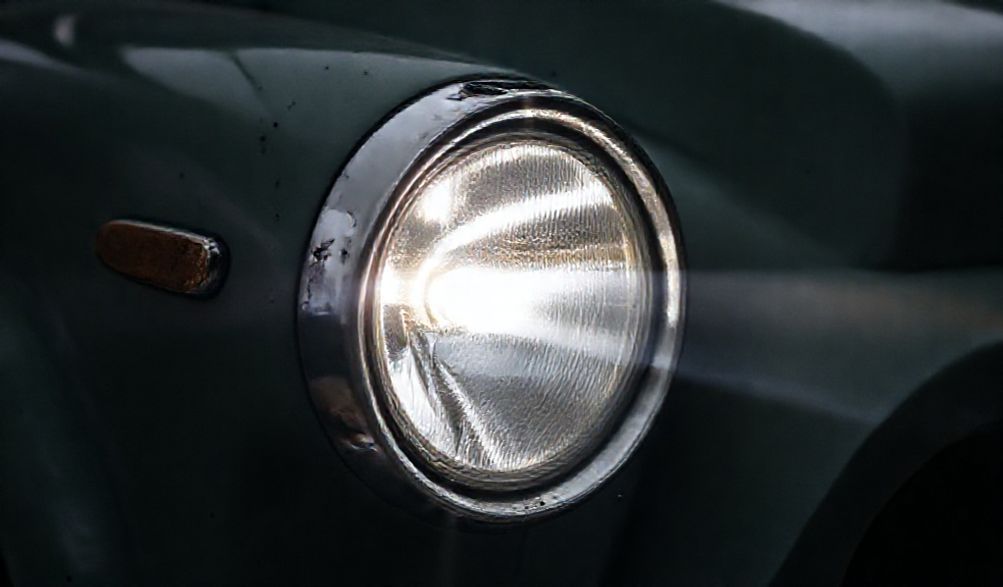
MedLED Headlights: The Complete Guide to Benefits, Installation & Safety
Picture this: you’re driving down a winding country road on a moonless night. Your headlights, growing yellower and dimmer by the month, struggle to pierce the darkness. Suddenly, a shape emerges at the edge of the asphalt—a deer, a pothole, debris. Your heart jumps as you brake, realizing your reaction time was hampered by poor illumination. This frustrating and dangerous scenario is all too common for drivers relying on aging halogen headlights.
The automotive aftermarket is flooded with solutions, but one term that consistently rises to the top for those seeking a serious upgrade is MedLED headlights. Often marketed with promises of medical-grade reliability and superior performance, these bulbs present themselves as the pinnacle of LED conversion technology. But what’s reality and what’s marketing hype?
This guide is designed to be your definitive, trustworthy resource. We’ll cut through the sales language with clear, expert insights, providing you with the knowledge to make an informed decision. Our focus is on your safety and satisfaction, prioritizing factual accuracy and practical advice over empty claims. By the end of this article, you’ll know exactly what MedLED headlights are, whether they’re the right choice for your vehicle, and how to install them correctly and safely.
What Are MedLED Headlights? Beyond the Marketing Name
At first glance, the “Med” in MedLED can seem like just another marketing gimmick. However, it typically points to a specific philosophy behind the product’s construction, one that prioritizes reliability above all else.
Demystifying the “Med” in MedLED
The “Med” most commonly stands for “Medical Grade.” This doesn’t mean the headlight bulb is sterile or used in surgeries. Instead, it refers to the quality standards applied to certain electronic components, like the LED chips and driver circuits.
In medical equipment, components must meet exceptionally high thresholds for purity, consistency, and longevity. A failure is not an option. Manufacturers of MedLED headlights leverage components built to these rigorous standards, arguing that this translates to unparalleled reliability, stability, and lifespan in the demanding environment of your vehicle.
It’s crucial to establish trust here: “MedLED” is a branding term, not an official automotive certification like DOT or SAE. While it suggests a higher tier of component quality, it’s not a regulated guarantee. Setting realistic expectations is key—these are premium aftermarket bulbs, not magical devices.
Core Technology: How LED Headlights Work
To appreciate any LED upgrade, it helps to understand the basic technology. A traditional halogen bulb works by passing electricity through a fragile tungsten filament until it glows white-hot, producing light (and a lot of waste heat).
An LED (Light Emitting Diode) is a solid-state semiconductor. When an electrical current passes through it, it emits light directly. This process is inherently more efficient. A complete LED headlight bulb consists of:
* The LED Chip(s): The actual light-emitting elements, often arranged on a small board.
* The Heat Sink: A critical component, usually made of aluminum fins, that draws heat away from the LED chips to prevent overheating and premature failure.
* The Driver/Canbus Module: A small circuit board that regulates power from your car’s 12V system to the precise voltage and current the LEDs require. In “Canbus-ready” bulbs, it also communicates with your car’s computer to prevent error messages.
MedLED vs. Standard LED vs. Halogen: A Clear Comparison
Let’s break down how MedLED headlights typically stack up against the competition. The table below provides a general overview, but real-world performance hinges heavily on the specific brand and product quality.
| Feature | Halogen | Standard LED | MedLED Headlights |
| :— | :— | :— | :— |
| Brightness (Lumens) | Low (~1,000 lm) | Medium to High (2,000-12,000+ lm) | Typically High (Focus on consistent, reliable output) |
| العمر الافتراضي | Short (~450-1,000 hrs) | Long (15,000-30,000+ hrs) | Very Long (30,000-50,000+ hrs; emphasis on longevity) |
| Energy Use | High (55W+ per bulb) | Low (15W-30W per bulb) | Low (Similar to standard LED, with efficient drivers) |
| إخراج الحرارة | Very High (Infrared/Radiant) | Low (Concentrated at the heat sink) | Low (With premium thermal management systems) |
| Upfront Cost | Low | Medium | High |
Demonstrating Expertise: The true potential advantage of a MedLED headlight lies not necessarily in peak brightness, but in build quality and thermal management. Where a cheap LED might use lower-grade chips that degrade quickly or a passive heat sink that can’t cope, a quality MedLED product invests in superior components and engineering to ensure the light output remains stable and the bulb lasts for years. Claims of “double the brightness” should be viewed skeptically; look instead for data on lumen maintenance and heat dissipation.
Key Benefits of Upgrading to MedLED Headlights
So, why consider the upgrade? For many drivers, the benefits extend far beyond a simple cosmetic change.
Enhanced Visibility and Night Driving Safety
This is the most significant advantage. MedLED bulbs typically produce a clean, white light with a color temperature around 6000K. This “cool white” light closely mimics daylight, which reduces eye strain and improves contrast. Road signs, lane markings, and potential hazards like pedestrians or animals “pop” more clearly against the darker background compared to the yellowish glow of halogens. This improved illumination can directly translate to increased reaction time and confidence when driving after dark.
Superior Energy Efficiency and Longevity
LEDs are inherently efficient. A MedLED headlight kit can produce significantly more light than a halogen while drawing less than half the power (e.g., 20W vs. 55W). This reduces the load on your vehicle’s alternator and electrical system. Furthermore, the robust construction aimed for in MedLED products leads to an exceptionally long service life—often rated for 30,000 to 50,000 hours. Under normal driving conditions, this could mean a set of bulbs that last the entire lifetime of your vehicle, eliminating the recurring cost and hassle of replacements.
Durability and Vibration Resistance
Halogen bulbs have a delicate filament that is susceptible to breaking from shock and vibration. The solid-state construction of LED bulbs, especially those built with medical-grade resilience in mind, makes them virtually immune to failures from rough roads, potholes, or off-road driving. This durability is a major reliability win.
Aesthetic Appeal and Modern Look
While secondary to safety, the visual upgrade is undeniable. The crisp, white light of MedLED headlights immediately modernizes the front-end appearance of any vehicle, bringing it in line with the lighting found on new cars. It’s a clean, high-tech look that many drivers appreciate.
Critical Considerations Before You Buy MedLED Headlights
Excited about the benefits? Pump the brakes for a moment. A successful upgrade depends on careful selection. Ignoring these factors can lead to poor performance, error messages, or even unsafe lighting.
Compatibility is King: Fitment and Canbus Systems
This cannot be overstated. You must purchase bulbs that match your vehicle’s exact make, model, year, and sometimes even trim level. Headlight housings and connectors vary widely. Use a retailer’s vehicle lookup tool meticulously.
Furthermore, most modern vehicles use a Canbus (Controller Area Network) system to monitor bulb health. Because LEDs draw so little power, the car’s computer may think the bulb is out and trigger a dashboard warning light. To prevent this, you need “Canbus-ready” bulbs or bulbs that come with small inline resistors called “decoders” or “anti-flicker modules.”
Understanding Lumens, Kelvins, and Beam Patterns
- Lumens = Brightness: This is the total amount of visible light emitted. Look for realistic lumen ratings (3,000-6,000 per bulb is common for good LEDs). Beware of astronomical, unverified claims.
- Kelvins (K) = Light Color: 6000K is the sweet spot for a bright, white light. Crucial Warning: Avoid bulbs above 6500K (bluish) or 8000K+ (purple). While they may look “cool,” the blue light spectrum scatters more in fog, rain, and snow, actually reducing your visibility and creating dangerous glare for oncoming traffic.
- Beam Pattern is EVERYTHING: This is the most critical safety factor. A halogen housing is designed to reflect light from a tiny, specific filament point. An LED bulb must place its LED chips in the exact same position to create the proper low-beam cutoff that lights the road without blinding others. Look for bulbs specifically designed to mimic the halogen filament position and for mentions of DOT/SAE compliance, which indicates the beam pattern has been tested to meet legal standards.
Heat Management: The Role of Quality Heat Sinks
LEDs are efficient, but the light they do produce generates heat at the chip level. Excessive heat is the primary killer of LED bulbs. A quality MedLED headlight will feature a substantial, well-engineered aluminum heat sink, often with fins, to passively dissipate this heat. Some high-power bulbs may even include a quiet, integrated fan for active cooling. This thermal management is a key differentiator for long-term reliability.
Brand Reputation and Warranty
The market is saturated with brands. Invest time in research. Look for companies with strong reputations in the automotive lighting space. Read verified purchase reviews to see real-world feedback on longevity, beam pattern, and customer service. A substantial warranty (e.g., 2-5 years) is a strong sign that the manufacturer stands behind the durability promised by the “MedLED” branding.
How to Install MedLED Headlights: A Step-by-Step Safety Guide
Important Note: Always consult your vehicle’s owner manual first for specific instructions and warnings. If your vehicle requires bumper or headlight assembly removal for access, strongly consider professional installation.
Tools and Safety Precautions You’ll Need
- Tools: A pair of gloves (to keep oils off the bulb), and possibly basic hand tools like sockets or screwdrivers.
- التحويلات الوثائقية—مثل ملصق قديم، أو اسم طبيب محفور، أو فاتورة بيع—تحول الجسم المجهول إلى وثيقة تاريخية.
- Park on a level surface and set the parking brake.
- Turn the engine OFF, turn the headlight switch OFF, ، و remove the keys from the ignition.
- If replacing halogen bulbs, allow them to cool completely for at least 30 minutes to avoid severe burns.
Step-by-Step Installation Process
- Access the Headlight Assembly: Open the hood. Access is usually from the engine bay behind the headlight. Some vehicles require removing a dust cover or accessing it from behind the wheel well liner.
- Disconnect the Power Plug: Firmly grasp the plastic wiring harness plug connected to the back of the old bulb and disconnect it (sometimes there’s a clip to press).
- Remove the Old Bulb: For most halogen bulbs, you will need to release a spring clip or rotate the bulb base (usually counterclockwise) about 1/8th of a turn to unlock it, then pull it straight out. Avoid touching the glass of a halogen bulb with bare skin.
- Install the New MedLED Bulb: THIS IS THE MOST CRITICAL STEP.
- Without touching the LED chips or lenses with your fingers (use gloves or a clean cloth), insert the new MedLED bulb into the headlight socket.
- For most reflector-style housings, the LEDs on the bulb must be oriented horizontally (at the 3 and 9 o’clock positions) to produce the correct beam pattern. The bulb or its base will often have alignment tabs. Refer to the bulb’s instructions.
- Once oriented, secure it by re-engaging the spring clip or rotating the base clockwise to lock.
- Reconnect and Test: Plug the vehicle’s wiring harness into the new LED bulb’s driver. Before reassembling any covers, turn on your vehicle’s headlights to ensure they work. Check both low and high beams if applicable.
- Secure the Assembly: Once confirmed working, reattach any dust covers and ensure everything is snug. Do not force components.
Post-Installation Aiming and Adjustment
حتى المصباح المثبت بشكل مثالي يمكن أن يكون خطيرًا إذا كان غطاء المصباح نفسه غير مضبوط. نوصي بشدة بفحص اتجاه المصابيح بشكل احترافي في ورشة إصلاح. يستخدمون معدات ضوئية لضبط الاتجاه لضمان أن مصابيح MedLED الجديدة والأكثر سطوعًا تضيء الطريق بشكل صحيح ولا تسبب توهجًا في عيون السائقين الآخرين. هذه خطوة غير قابلة للتفاوض من أجل السلامة والامتثال القانوني.
الأسئلة الشائعة (FAQ) حول مصابيح MedLED الأمامية
س: هل مصابيح MedLED الأمامية قانونية للاستخدام على الطرق؟
ج: اسم “MedLED” نفسه غير منظم. إنها قانونية للاستخدام على الطرق إذا وفقط إذا كانت معلمة بأنها متوافقة مع DOT/SAE (أي أنها تنتج نمط حزمة قانوني) وتم توجيهها بشكل صحيح في غطاء مركبتك. المصابيح غير المتوافقة أو سيئة التوجيه قد تؤدي إلى مخالفة مرورية وتشكل خطرًا على السلامة.
س: هل ستتسبب مصابيح MedLED الأمامية في إضاءة “فحص المحرك” أو أضرار الخطأ على لوحة القيادة؟
ج: قد يحدث ذلك في المركبات المزودة بأنظمة مراقبة حساسة لانطفاء المصابيح. لهذا السبب فإن شراء مصابيح “جاهزة لـ Canbus” أو استخدام أجهزة فك التشفير/المقاومات المرفقة أمر ضروري. هذه المكونات تخدع كمبيوتر السيارة ليعتقد أن مصباحًا قياسيًا مثبت.
س: هل يمكنني تثبيت مصابيح MedLED الأمامية في مصابيح الضباب أو الأضواء العالية؟
ج: نعم، ولكن يجب عليك شراء حجم المصباح الصحيح لتلك المآخذ (مثل H11 للضباب، 9005 للأضواء العالية). تأكد من أنها متوافقة. لاحظ أن بعض الولايات القضائية لديها قواعد محددة حول لون مصابيح الضباب.
س: لماذا مصابيح MedLED الأمامية الجديدة ليست ساطعة كما هو متوقع أو تنشر الضوء في كل مكان؟
ج: السبب الأول هو اتجاه التثبيت غير الصحيح. إذا لم تكن رقائق LED في وضع 3 و 9 على مدار الساعة، فسيكون نمط الحزمة خاطئًا تمامًا. أعد التحقق من هذا أولاً. تشمل الأسباب الأخرى مكونات ذات جودة رديئة جدًا أو سائق غير متوافق.
س: كم من الوقت يجب أن تدوم مجموعة مصابيح MedLED الأمامية بشكل واقعي؟
ج: بينما تم تصنيفها لعشرات الآلاف من الساعات، فإن العمر الافتراضي في العالم الحقيقي يعتمد على جودة إدارة الحرارة، وارتفاعات الجهد في النظام الكهربائي لسيارتك، وأنماط الاستخدام. مجموعة عالية الجودة من علامة تجارية حسنة السمات، مثبتة بشكل صحيح، يجب أن تدوم بسهولة 3-5 سنوات أو أكثر من القيادة العادية.
الخاتمة
يمكن أن يكون الترقية إلى مصابيح MedLED الأمامية تعديلاً تحويليًا لمركبتك، حيث تقدم مزيجًا مقنعًا من تعزيز السلامة، والكفاءة الحديثة، وعمر افتراضي مثير للإعجاب. يركز على مكونات ذات درجة أعلى ومعيار طبي مما يوفر إحساسًا ملموسًا بالموثوقية يتجاوز عروض LED القياسية.
بينما تمضي قدمًا، تذكر أن العوامل الأكثر أهمية للنجاح لا علاقة لها بشعارات التسويق. التركيب المناسب لمركبتك المحددة، والاهتمام الدقيق باتجاه المصباح الصحيح لنمط حزمة آمن، وفحص اتجاه المصباح الأمامي الاحترافي هي أمور غير قابلة للتفاوض على الإطلاق. تضمن هذه الخطوات أن استثمارك يؤتي ثماره في قيادة ليلية أكثر أمانًا، وليس في الإحباط أو، الأسوأ من ذلك، خلق خطر على الآخرين.
راعِ البائعين ذوي السمعة الطيبة، والتوقعات الواقعية، وممارسات التثبيت الآمنة. قم بإجراء بحثك، واقرأ المراجعات، واختر منتجًا يوازن بين الأداء والموثوقية المثبتة. رحلتك نحو إضاءة أفضل تبدأ بالمعرفة، وأنت الآن مجهز بها.
خطوتك التالية: احصل على دليل مالك مركبتك، حدد حجم مصباح المصباح الأمامي الدقيق، وابدأ بحثك مع التركيز الشديد على التوافق وتجارب المستخدمين المؤكدة.
ص>