
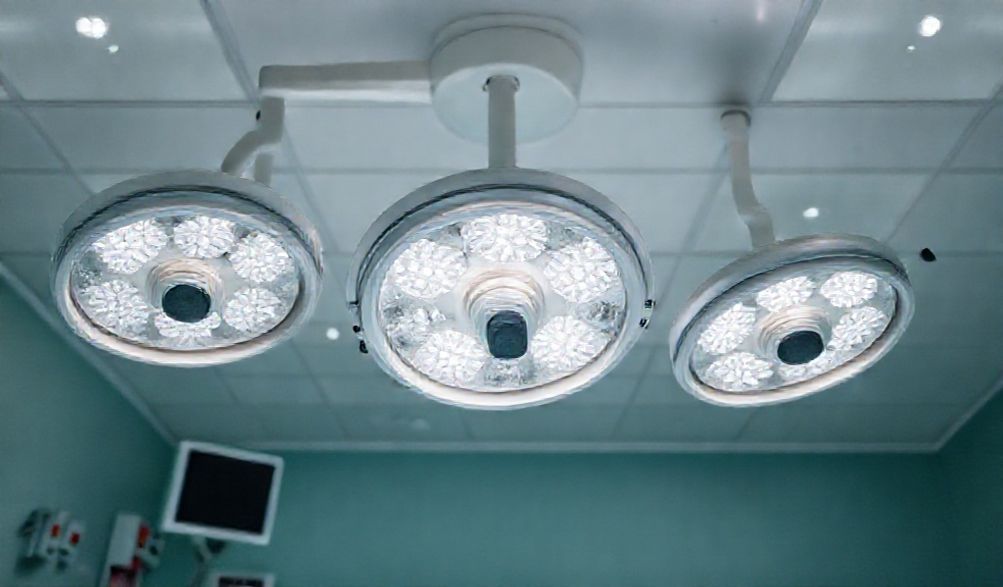
The Complete Guide to Buying Operating Room Lights for Sale: Quality, Safety & Value
Introduction
في بيئة غرفة العمليات عالية المخاطر، هناك عدد قليل من المعدات التي تعتبر أساسية بشكل حاسم - ومع ذلك قد يتم تجاهلها محتملًا في عملية الشراء - مثل الضوء الجراحي. It is the surgeon’s sun, the primary tool that illuminates the intricate landscape of the human body. The quality of light directly dictates the precision of a suture, the accuracy of a dissection, and the ability to differentiate between a nerve and a blood vessel. Selecting the right أضواء غرفة العمليات for sale is not merely a purchasing decision; it is a clinical, safety, and financial commitment that impacts patient outcomes, surgical team performance, and a facility’s bottom line.
This guide serves as an authoritative resource, synthesizing information from international safety standards (like IEC 60601-2-41), clinical best practices, and procurement expertise. It is designed for the key decision-makers—hospital administrators, procurement officers, and clinical engineering teams—who are tasked with navigating the complex marketplace. We address the dual intent behind the search for “operating room lights for sale”: the need for comprehensive information on what to look for and the commercial goal of making a smart purchase.
Our thesis is straightforward: by providing a structured framework to evaluate key features, understand total costs, and ask the right questions, you can move beyond price tags to make a truly informed, value-driven investment that will serve your surgical teams and patients for years to come.
Understanding Operating Room Light Fundamentals
Before diving into specifications and vendors, it’s essential to grasp what makes surgical lighting unique and how its core functions translate to the operating table.
Core Functions and Clinical Impact
An operating room light’s primary job is to render the surgical site as a clear, color-true, and shadow-reduced field. This has direct clinical consequences:
- Depth Perception & Tissue Differentiation: Surgeons rely on subtle visual cues to understand three-dimensional anatomy. Proper lighting creates contrast and reveals textures, allowing for accurate identification of tissues, organs, and pathological structures.
- Reduction of Eye Strain and Fatigue: Long procedures under poor lighting cause visual fatigue, leading to headaches and decreased concentration. Optimal illumination minimizes the eye’s constant need to adjust, keeping the surgical team sharper for longer.
- تعزيز الدقة الجراحية: When a surgeon can see clearly, hand movements become more confident and accurate. This can contribute to shorter procedure times, reduced risk of iatrogenic injury, and improved overall outcomes.
Key Components and Terminology
Navigating product brochures requires fluency in specific terms:
- Light Head: The main light-emitting assembly. In modern systems, this houses an array of LED modules.
- Suspension System: The structure that allows the light to be positioned. This includes ceiling-mounted arms (with single or multiple articulating segments) or track systems that allow lateral movement.
- Control Panel: The interface for adjusting light intensity, focus, and sometimes color temperature. Controls may be on the light head itself (via sterile handles), on a remote panel, or integrated into the operating room’s touchscreen controls.
- Lux: The unit of measurement for illuminance, or the amount of light falling on a surface. Surgical lights typically deliver 40,000 to 160,000 lux at the center of the field.
- درجة حرارة اللون: Measured in Kelvin (K), this describes the “warmth” or “coolness” of white light. Surgical lights often offer adjustable color temperatures (e.g., 4000K-5000K), with cooler light perceived as brighter and more alerting.
- مؤشر تجسيد الألوان (CRI): A scale from 0 to 100 that measures a light source’s ability to reveal the true colors of objects compared to natural light. For surgery, a CRI >90 is essential.
- Depth of Illumination: The ability of the light to provide adequate intensity deep within a cavity (e.g., in open abdominal or pelvic surgery) without the need for constant repositioning.
- Shadow Dilution: The characteristic of multi-source or cluster lights to minimize shadows created by the surgeon’s head and hands by filling them in with light from other angles.
Primary Types of Surgical Lights
The market offers several configurations:
- Traditional LED Lights: The modern standard, using Light Emitting Diodes. They offer instant-on capability, low heat output, long lifespans, and excellent energy efficiency.
- Single vs. Multi-Point (Cluster) Lights:
- Single-Point: A single, large light head. Often provides a very homogeneous field but may be more susceptible to creating a single shadow.
- Multi-Point/Cluster: Several smaller light heads arranged in a ring or array. This design is exceptionally good at shadow dilution, as the light converges from multiple angles.
- Specialty Lights: Includes lights designed for specific applications, such as high-intensity lights for minimally invasive surgery (to illuminate cavities through scopes), lights for hybrid ORs with integrated imaging equipment, or portable lights for emergency use.
Critical Features to Evaluate Before You Buy
When comparing operating room lights for sale, these are the non-negotiable categories for your evaluation matrix.
Optical Performance Metrics
This is the heart of clinical utility.
- Illumination Intensity (Lux): Ensure the light provides adjustable, high-intensity illumination suitable for your facility’s surgical specialties. Cardiac or neurosurgeons may require higher lux levels than general surgery.
- Color Rendering Index (CRI >90): Do not compromise here. A high CRI is critical for accurately distinguishing between arterial and venous blood, identifying bile ducts, recognizing tissue ischemia, and assessing organ viability.
- Homogeneity of Light Field: The light should provide even illumination across the entire field, with no hot spots (excessively bright centers) or rapid fall-off at the edges. A homogeneous field reduces the need for constant refocusing.
Mechanical Design and Ergonomics
A light that performs perfectly in specs is useless if it’s difficult to position.
- القدرة على المناورة: Evaluate the (غالبًا أكثر من متر من نقطة التثبيت) ضروري لوضع الضوء بعيدًا عن يديك، ومساعدك، والمعدات الأخرى. and articulation of the suspension arms. Can the light head be easily positioned over any point on the surgical table? Are the sterile handles intuitive and responsive for fine adjustments by the scrubbed-in team?
- Suspension Systems: Ceiling-mounted systems are common and stable. Track systems offer greater lateral mobility, which can be beneficial in rooms used for varied procedures. Assess the smoothness of movement and the system’s ability to stay in position without drift.
- الثبات: Once positioned, the light must remain absolutely still, even if bumped lightly. Look for robust construction and quality counterbalancing.
Safety and Compliance Standards
This is the baseline for any purchase.
- الامتثال التنظيمي: The light must carry appropriate approvals for your region—FDA clearance in the U.S., CE marking in Europe, etc. It must comply with the specific medical electrical equipment standard IEC 60601-2-41, which governs essential performance and safety of surgical lights.
- Heat Management: Despite LED lights running cool, heat management is still vital. Excessive radiant heat at the surgical site can dry out tissues. Verify the light’s heat dissipation specifications.
- مكافحة العدوى: The entire assembly, especially the light head, should be designed with seamless, cleanable surfaces that can withstand harsh hospital-grade disinfectants. The absence of crevices where contaminants can lodge is a must.
Navigating the Purchasing Process
With your criteria established, it’s time to engage with the market.
New vs. Refurbished Operating Room Lights
This is a major cost and value decision.
- New Lights: Offer the latest technology, full manufacturer warranty, and predictable lifecycle. They are a capital-intensive investment but come with the peace of mind of being the first owner.
- Refurbished Lights: Can provide exceptional value. Crucially, “refurbished” must mean certified and reconditioned by the original manufacturer or an ISO-certified third-party specialist. These units are disassembled, worn parts replaced, updated to current safety specs, tested rigorously, and sold with a new warranty (often 1-2 years). They can cost 30-50% less than new models and are an excellent option for budget-conscious facilities or expansion projects.
Leading Manufacturers and Brands Overview
While not an exhaustive list, familiarizing yourself with key players provides context:
- Stryker (Berchtold): Known for innovative designs, high-intensity LED clusters, and advanced control systems.
- Steris (AMSCO): A long-standing leader with a reputation for reliability, robust construction, and comprehensive service networks.
- Getinge (Maquet): Offers a wide range of surgical lights and integration solutions for hybrid and digital ORs.
- Dr. Mach: Recognized for high-quality optics, particularly in single-point and cluster LED lights, often with a focus on value.
- Other Notable Brands: Skytron, Brandon Medical, Merivaara, and Trumpf Medical are also significant contributors with specialized offerings.
Key Questions for Suppliers and Vendors
Arm yourself with this checklist during discussions:
- الضمان والخدمة: What is the comprehensive warranty period? What is excluded? What is the expected response time for service?
- Service Agreements: What are the costs and coverage options for extended service contracts? Are parts and labor included?
- Installation Support: Does the price include professional installation, calibration, and testing? Who handles the structural and electrical coordination?
- التوافق: Is this light compatible with our existing OR ceiling infrastructure (weight capacity, electrical supply, interface)? Can it integrate with our surgical video recording systems?
- Proof of Compliance: Can you provide documentation of FDA/CE marking and compliance with IEC 60601-2-41?
Maximizing Value and Ensuring a Smart Investment
The purchase price is just the beginning. True value is measured over the asset’s lifetime.
Total Cost of Ownership (TCO) Analysis
Look beyond the sticker price:
* كفاءة الطاقة: LED lights consume significantly less power than old halogen systems, leading to substantial savings on electricity bills.
* تكاليف الصيانة: What is the cost and frequency of preventive maintenance? How expensive are replacement parts (like handles or control modules)?
* Bulb/Lamp Lifespan: LED modules are rated for 50,000 hours or more—effectively the life of the light. This eliminates the recurring cost and labor of replacing halogen bulbs.
* Service Contract Value: A well-priced service contract can prevent costly emergency repairs and ensure uptime. Factor this into your annual operational budget.
Integration with Operating Room Infrastructure
A light is not an island. Consider:
* التثبيت: Does your OR ceiling have the structural strength for the new system? Are the necessary electrical circuits and data connections in place? A site assessment is mandatory.
* التكامل: Will the light’s controls interface with your OR’s unified control panel? Can it trigger a “surgical mode” in your HVAC? Does it have a video output to feed a picture-in-picture image of the light settings to your recording system?
* Future-Proofing: Consider technology that can adapt, such as lights with upgradeable software or compatibility with emerging digital OR ecosystems.
Planning for Installation and Maintenance
A smooth rollout ensures immediate ROI:
1. Site Assessment: Involve the vendor, your clinical engineering team, and facilities management early.
2. Staff Training: Ensure the perioperative staff, especially surgeons and circulating nurses, receive hands-on training from the vendor on use, cleaning, and basic troubleshooting.
3. Preventive Maintenance Schedule: Establish a PM schedule from day one, aligned with the manufacturer’s recommendations, to maximize performance, safety, and longevity.
قسم الأسئلة الشائعة
Q1: What is the typical price range for a new LED operating room light?
ج: Prices vary dramatically based on features, brand, configuration (single vs. cluster), and suspension type. A broad range would be from approximately $20,000 to over $100,000 per light head assembly. This underscores why a Total Cost of Ownership analysis is more important than the initial quote.
Q2: Are refurbished surgical lights a safe and reliable option?
A: Yes, absolutely—when sourced correctly. They are a safe and reliable option only when obtained from a reputable, certified provider that performs a complete overhaul, adheres to original manufacturer specifications, conducts full safety and performance testing, and provides robust warranty and compliance documentation.
س: ما مدى أهمية مؤشر تجسيد اللون (CRI) للجراحة؟
A: It is extremely important. A CRI above 90 is considered essential for modern surgery. It allows surgeons to make critical visual assessments, such as accurately judging tissue perfusion, differentiating between types of tissues, and identifying subtle color changes that indicate pathology or oxygenation levels.
Q4: What warranty should I expect with a new operating light?
ج: For a new light, expect a comprehensive system warranty of 1 إلى 3 سنوات on parts and labor. The LED modules themselves often carry a separate, longer warranty (e.g., 5 years or 50,000 hours). Always clarify what is included (e.g., travel for service techs) and the guaranteed on-site response time.
Q5: Can we install new lights in our existing OR suspension system?
A: Compatibility is not guaranteed and is a key question to ask. It depends on the weight of the new light head, the electrical interface, and the mechanical connection point. A professional site assessment by the vendor or your clinical engineering team is essential before purchase to avoid costly retrofit surprises.
الخاتمة
يعد اختيار operating room lights for sale is a multifaceted decision that balances uncompromising clinical performance, rigorous safety standards, and long-term operational value. It requires looking past specifications on a page to understand how the light will function in the dynamic, demanding environment of a live surgery.
We reinforce the principles of E-E-A-T (Experience, Expertise, Authoritativeness, Trustworthiness) by urging you to involve all stakeholders: consult with your surgeons and nurses for their clinical preferences, engage your biomedical engineering team for technical validation, and always request live demonstrations or visits to reference sites to see the equipment in action.
Your final step should be to use the criteria, features, and questions outlined in this guide to create a tailored Request for Proposal (RFP) or a weighted evaluation matrix. This structured approach will allow you to compare apples-to-apples, hold vendors accountable, and ultimately make a confident, strategic investment in a tool that illuminates the path to better patient care.
ص>