
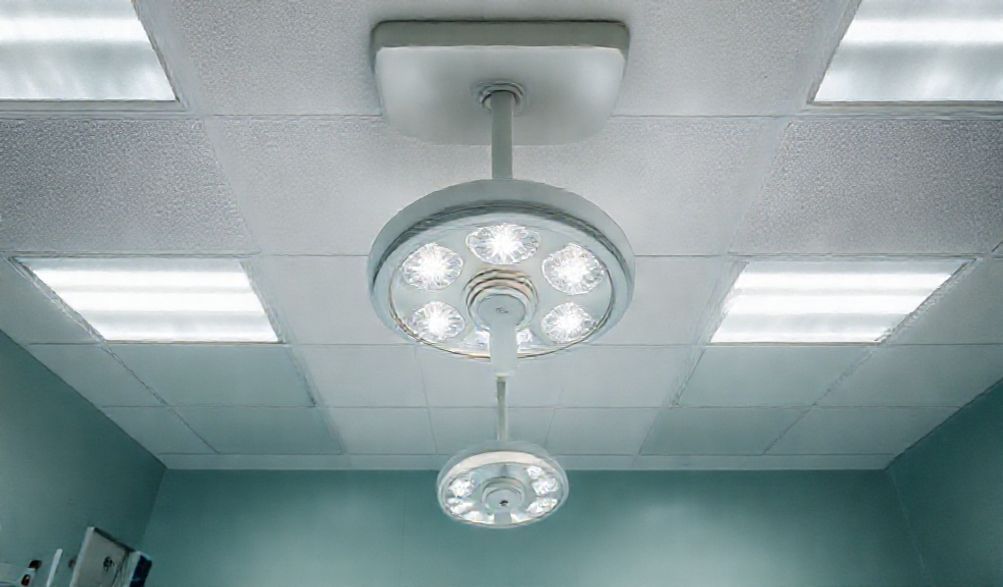
Operating Room Overhead Lights: A Guide to Technology, Safety, and Selection
What if the single most important tool in an operating room isn’t held in a surgeon’s hand, but is suspended above the patient? While scalpels, forceps, and imaging systems rightfully command attention, the quality of illumination in the surgical field is a foundational pillar of successful outcomes. Operating room overhead lights, or المصابيح الجراحية, are far from simple fixtures; they are highly engineered systems integral to precision, staff well-being, and patient safety.
This guide synthesizes information from industry specifications, clinical studies, and procurement guidelines to serve healthcare administrators, facility managers, and clinical engineering teams. Our recommendations align with established standards from bodies like the International Electrotechnical Commission (IEC) and the Association for the Advancement of Medical Instrumentation (AAMI). We are committed to presenting balanced, trustworthy information focused on safety and efficacy, without overt brand promotion.
This comprehensive guide will illuminate the critical technology behind modern surgical lights, decode the key features that define optimal performance, and provide a structured framework for selection, installation, and maintenance.
The Critical Role of Surgical Lighting in Modern Healthcare
Surgical lighting has evolved from casting a simple, bright beam to delivering a controlled, intelligent optical environment. Its impact permeates every aspect of the operating room.
Beyond Illumination: Impact on Surgical Precision and Outcomes
The primary mandate of an operating room overhead light is to enable the surgeon to see. But “seeing” in surgery is a complex sensory task requiring:
* تقليل الظلال: A single light source creates deep, obstructive shadows. Modern systems use multiple, strategically aligned light sources to fill in shadows cast by the surgeon’s head, hands, and instruments, providing consistent illumination across the entire wound.
* Accurate Color Rendering: Differentiating between arterial blood, venous blood, fatty tissue, and organ parenchyma relies on subtle color variations. A light with a poor مؤشر تجسيد اللون (CRI) can distort these hues, potentially leading to misinterpretation.
* Adjustable Intensity: The required light level varies by procedure and depth of the surgical cavity. The ability to dial in precise intensity without compromising color quality or generating excessive heat is crucial.
In essence, superior lighting reduces visual cognitive load, allowing the surgical team to focus on the procedure itself rather than straining to interpret what they see.
Enhancing OR Team Ergonomics and Reducing Fatigue
Long, complex procedures test the physical limits of the OR team. Lighting plays a significant role in ergonomics:
* Reduced Eye Strain: Flicker-free, consistent light with high CRI minimizes the constant muscular adjustments the eye must make, reducing fatigue and headaches.
* Thermal Management: Older halogen lights emitted significant infrared radiation, heating the surgeon’s head and the surgical site. Modern LED systems produce “cool light,” dramatically reducing this thermal burden and improving comfort.
* Effortless Positioning: Smooth, responsive articulating arms with intuitive controls allow for quick, stable light field positioning without physical struggle, preventing strain and maintaining a sterile field.
Patient Safety and Infection Control Considerations
The surgical light is a large piece of equipment directly over the open wound, making its design critical for infection control:
* Sealed and Cleanable Design: Lights must have seamless, sealed housings that prevent the ingress of fluids and dust. Surfaces should be smooth and non-porous to allow for effective disinfection between cases.
* Minimized Air Turbulence: The design and movement of the light should not create disruptive air currents that could compromise laminar airflow systems in the OR.
* Safety in Failure: Standards require backup systems to prevent total blackout in case of a primary light failure, ensuring the procedure can be concluded safely.
Core Technology and Features of Modern OR Lights
The shift from halogen to LED technology has been the most transformative advancement in surgical lighting in decades, enabling a host of performance improvements.
LED Technology: The New Standard for Efficiency and Performance
Light Emitting Diode (LED) systems have become the unequivocal standard, offering distinct advantages:
* Cool Light Output: LEDs emit minimal infrared radiation, eliminating the “hot spot” over the patient and the discomfort for the surgeon.
* Exceptional Longevity: LED arrays often boast lifespans of 50,000 hours or more, drastically reducing the frequency and cost of bulb replacements compared to halogen.
* Consistent Color Temperature: LED color temperature remains stable over time and across different intensity levels, unlike halogen bulbs which can shift color as they dim or age.
* كفاءة الطاقة: LEDs consume significantly less power, leading to substantial operational cost savings and a reduced environmental footprint.
Understanding Key Performance Metrics
When evaluating operating room overhead lights, specific quantitative metrics are essential.
Lux and Lumen Output: Measuring Illumination Intensity
Illumination at the surgical site is measured in lux (lumens per square meter). While extremely high lux values (e.g., 160,000+ lux at the center) are possible, the useful metric is often the illuminated field diameter at a specific lux level (e.g., a 20cm diameter field with 40,000 lux). This tells you how large the usable, high-intensity area is.
Color Rendering Index (CRI): Why True Tissue Color Matters
CRI measures a light source’s ability to reveal the true colors of objects compared to natural light. For surgery, a CRI of 90 or above is generally considered essential, with top systems achieving a CRI of 95-98. This ensures tissues, blood, and organs are seen in their authentic hues.
Depth of Illumination: Maintaining Focus in Deep Cavities
This refers to a light’s ability to provide adequate illumination deep within a cavity (e.g., in pelvic or thoracic surgery) without the surgeon having to constantly re-focus or reposition the light. It is a function of the optical design and light field homogeneity.
Design Innovations for Superior Functionality
Beyond the light source itself, mechanical and control innovations define user experience.
Shadow Reduction Technology (Multi-point Light Sources)
This is achieved through a configuration of several LED modules arranged in a ring or pattern. Each module’s light is focused on the same spot from a slightly different angle. When a surgeon’s head blocks one module, the others fill in the shadow, dramatically reducing its density.
Articulating Arms: Range of Motion and Positioning Stability
Arms must offer a wide range of motion to position the light head from any approach to the table. Once positioned, absolute stability is critical; the light must not drift or sag. Counterbalanced systems with precise friction brakes or electromagnetic locks are standard.
Sterile Handles and Touchless Control Systems
Sterile, removable handles allow the surgical team to adjust the light without breaking sterility. Increasingly, systems offer touchless control via sterile infrared foot pedals or voice activation, further minimizing the risk of contamination.
How to Choose the Right Operating Room Light System
Selecting surgical lights is a strategic decision that requires a multidisciplinary approach involving clinicians, facilities management, and biomedical engineering.
Assessing Your Surgical Suite’s Needs and Workflow
Begin with a clinical needs assessment:
* Procedure Mix: A high-volume general surgery suite may prioritize durability and simplicity. A cardiothoracic or neurosurgery room may require exceptional depth of illumination and specialized light heads.
* Room Layout and Table Positioning: Consider the ceiling height, track or fixed mount locations, and the need for lights to cover multiple table positions.
* Staff Input: Involve surgeons and nurses in demonstrations. Their feedback on handle feel, control intuitiveness, and light field quality is invaluable.
Key Selection Criteria and Comparison Checklist
Use a structured checklist to compare models objectively:
| Selection Criteria | What to Look For | Notes/Questions |
| :— | :— | :— |
| Illumination | Lux at center & field diameter (e.g., 40,000 lux @ 20cm). Depth of Illumination specification. | Is the intense area large enough for your procedures? |
| Color Quality | CRI ≥ 95. Stable color temperature across dimming range. | Request a demonstration with tissue models. |
| Shadow Control | Number and configuration of light sources (LED modules). | Ask for a shadow demonstration during a hands-on trial. |
| Mobility & Stability | Range of motion, ease of movement, and drift-free positioning. | Test the arm’s feel and brake strength. |
| Infection Control | Sealed design, cleanable surfaces, sterile handle options. | Review cleaning protocol compatibility. |
| Controls | Interface intuitiveness, touchless options (foot, voice). | How easily can a gowned user operate it? |
| Mounting | Ceiling track, fixed point, or multi-axis. Compatibility with your OR structure. | Verify structural support and electrical requirements. |
| Service & Warranty | Length of warranty, availability of local service technicians, PM schedule cost. | What is the estimated total cost of ownership? |
Integration with Other OR Technologies
The modern OR is an ecosystem. Consider:
* Video Integration: Many lights offer built-in or attachable 4K cameras for recording, telemedicine, and teaching.
* Surgical Imaging Compatibility: The light should not interfere with other technologies like intraoperative fluorescence imaging.
* Building Management Systems (BMS): Some systems allow for monitoring of usage, performance, and preventive maintenance alerts via the hospital network.
وضع الميزانية: التكلفة الإجمالية للملكية مقابل سعر الشراء الأولي
The sticker price is just one component. A comprehensive financial analysis should include:
* استهلاك الطاقة: Calculate the annual cost difference between LED and older technologies.
* Lamp Replacement: For non-LED systems, factor in the cost and labor for frequent halogen bulb changes.
* Preventive Maintenance: Include the cost of recommended annual service by certified technicians.
* عقود الخدمة: Evaluate the value of extended warranties and response-time guarantees.
A more expensive, high-quality LED system with a 10-year warranty may have a lower total cost of ownership than a cheaper alternative requiring frequent bulb and part replacements.
Installation, Maintenance, and Safety Standards
Proper implementation is as critical as the selection itself.
Pre-Installation Planning and Ceiling Requirements
Engage with the manufacturer and facilities team early:
* Structural Support: Surgical lights, especially large multi-arm systems, are heavy. Ceiling reinforcements are often required.
* Electrical and Data: Ensure adequate power supply and, if needed, data conduit are run to the mounting location.
* Optimal Placement: The primary light should be centered over the main surgical table position, with secondary lights or booms planned for optimal coverage.
Routine Maintenance Protocols for Optimal Performance
- يومياً: Wiping down all surfaces with approved hospital disinfectants.
- أسبوعيًا/شهريًا: Inspection of articulating arms for smooth movement and secure braking. Checking sterile handles for integrity.
- سنوياً/كل عامين: Performance verification by clinical engineering or the vendor. This should include measuring light intensity (lux), verifying color temperature, checking all mechanical functions, and inspecting electrical safety.
Compliance with Regulatory and Safety Standards
All surgical lights must comply with stringent regulations. The key standard is IEC 60601-2-41, which specifies safety and performance requirements for surgical luminaires and diagnostic examination lights. Compliance ensures electrical safety, mechanical safety, and that performance claims are verifiable. In the U.S., FDA clearance is also required.
الأسئلة المتكررة (FAQ)
س1: ما هو العمر الافتراضي النموذجي لمصباح جراحي LED؟
ج: The LED light source itself typically has a rated lifespan of 50,000 to 100,000 hours, which translates to decades of normal OR use. It’s important to differentiate this from the mechanical service life of the articulating arms and controls, which will require servicing or part replacement over time, often on a 5-10 year cycle depending on usage.
س: كم مرة يجب صيانة أو معايرة أضواء العمليات الجراحية؟
ج: Manufacturers recommend a preventive maintenance (PM) check at least once per year, performed by a certified technician. This PM includes cleaning internal optics, verifying mechanical stability and braking force, testing all controls, and measuring light output and color temperature to ensure they remain within specification.
س: هل يمكن ترقية أنظمة الإضاءة الهالوجينية القديمة إلى LED؟
ج: While some manufacturers offer LED retrofit kits for their older models, a complete system upgrade is often recommended. Retrofits may not fully optimize the optical path for LED performance and may not update the often-aged mechanical arms and controls. A new system guarantees the latest in shadow reduction, stability, and safety features.
Q4: What is the most important feature for minimizing surgeon eye fatigue?
ج: It’s a combination, but فإن التخفيض الممتاز للظلال is paramount. Constantly battling deep shadows forces the eye to constantly readjust. This, combined with high CRI (≥95) for accurate color and effective heat management to keep the field cool, creates a visually comfortable environment that reduces strain during long procedures.
هل توجد أضواء مخصصة لجراحات متخصصة مثل التنظير الداخلي أو جراحة الأعصاب؟
ج: Yes. Specialized lights exist, such as neurosurgery lights that provide exceptionally deep, shadow-free illumination for deep cavity work. For hybrid ORs, dual-mode lights offer a powerful overhead light for open surgery and a secondary, smaller-diameter “spot” light optimized for minimally invasive monitor-based surgery, reducing the need for two separate units.
الخاتمة
Choosing operating room overhead lights is a significant capital decision with direct implications for clinical outcomes, staff satisfaction, and long-term operational costs. It transcends a simple procurement task to become a strategic investment in the facility’s surgical capability.
The most critical step is to move beyond specifications on paper. Insist on hands-on demonstrations and trials in a simulated OR environment. Involve your lead surgeons and nurses in the evaluation, focusing on the subjective feel of the light, the ease of use, and the quality of the illuminated field on realistic tissue models.
As emphasized throughout this guide, prioritize vendor support, service network quality, and a clear total cost of ownership model alongside the technical specifications. Investing in a high-quality, properly installed, and meticulously maintained surgical lighting system is a foundational commitment to a safe, efficient, and effective operating room. It directly supports the core mission of every healthcare institution: delivering exceptional patient care.
دعوة للعمل: Before your next procurement cycle, conduct a formal needs assessment of your surgical suites. Gather your clinical and technical stakeholders, request detailed product specifications and demonstrations from short-listed vendors, and consult closely with your biomedical engineering team to ensure a selection that will serve your facility reliably for years to come.
ص>