
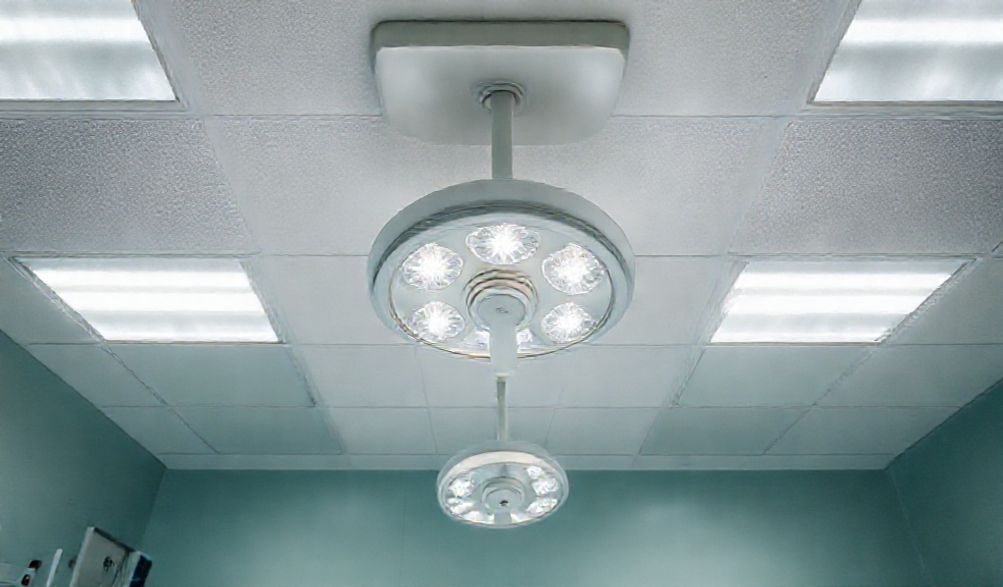
Operating Room Overhead Lights: A Guide to Technology, Safety, and Selection
Introduction
What if the single most important tool in an operating room isn’t wielded by a surgeon’s hand, but hangs from the ceiling? While scalpels, imaging, and skilled personnel rightfully command attention, the quality of illumination is a foundational pillar of surgical success. In the high-stakes environment of modern surgery, operating room overhead lights are far more than simple fixtures; they are sophisticated, life-critical medical devices. Poor lighting can obscure vital anatomy, increase procedural time, and contribute to surgical error, directly impacting patient outcomes.
This guide serves as a comprehensive, authoritative resource for healthcare administrators, facility managers, procurement specialists, and clinical staff tasked with the evaluation, specification, or purchase of OR lighting systems. Our goal is to demystify the technology, clarify the standards, and provide a structured framework for making an informed capital investment. We will journey through the evolution of surgical illumination, delve into the core technologies of modern systems, unpack the critical features that ensure safety and performance, and outline a practical approach to selection. By understanding the intricacies of تقليل الظل, thermal management, and sterility compliance, you can empower your surgical teams with the clarity they need to perform at their best.
The Evolution of Surgical Lighting: From Shadow to Precision
The history of operating room lighting is a story of the relentless pursuit of clarity, a battle against shadows and heat to reveal the true landscape of the human body. Understanding this evolution underscores why today’s technology represents such a significant leap forward.
Early Days: The Challenge of Shadows and Heat
In the earliest days of surgery, natural light was the primary source. Operating theaters were designed with large windows and skylights, but this left procedures at the mercy of weather and time of day. The introduction of artificial light—first gas lamps, then early electric incandescent bulbs—brought surgery indoors but introduced new problems. These sources were dim, produced intense, desiccating heat that could damage tissue, and cast harsh, obstructive shadows from the surgeon’s own head and hands. The light field was often unfocused and inconsistent, making deep-cavity work particularly challenging.
The Halogen and Incandescent Era
The mid-20th century saw the adoption of halogen lamps, which represented a major improvement. They offered brighter, whiter light with better color rendering than standard incandescents. Surgeons benefited from increased intensity and slightly improved efficiency. However, fundamental issues remained. Halogen lights generated tremendous radiant heat, requiring complex filter systems to protect the patient. They also had short lifespans (typically 1,000-2,000 hours), leading to frequent, costly bulb changes and operational downtime. The light quality would also degrade over the bulb’s life.
The LED Revolution: Efficiency, Coolness, and Control
The advent of Light Emitting Diode (LED) technology has fundamentally transformed operating room overhead lights. LEDs represent a paradigm shift, directly addressing the historical shortcomings:
* التشغيل البارد: LEDs produce minimal infrared radiation, drastically reducing the heat directed at the surgical site. This protects delicate tissues and improves patient comfort.
* Exceptional Longevity: With lifespans often exceeding 50,000 hours, LED arrays can last for over a decade under normal use, virtually eliminating the hassle and cost of bulb replacements.
* Precision Control: Digital control allows for unparalleled adjustment of light intensity and, in some systems, even color temperature. Surgeons can tailor the light to specific procedures (e.g., warmer light for distinguishing vascular tissue).
* كفاءة الطاقة: LEDs consume a fraction of the power of halogen systems, leading to substantial long-term energy savings for the facility.
This evolution from a hot, shadow-prone light source to a cool, precise, and intelligent illumination tool sets the stage for understanding modern systems.
Core Technologies in Modern OR Overhead Lights
Today’s operating room overhead lights are marvels of medical engineering, integrating several advanced technologies to create optimal visual conditions. Compliance with international standards like IEC 60601-2-41 for surgical luminaires is a baseline requirement, ensuring electrical and basic safety.
LED Arrays: Understanding Lumens, Color Temperature, and CRI
The heart of a modern light is its LED array.
* Lumens: This measures the total quantity of visible light emitted. Modern surgical lights typically deliver between 40,000 and 160,000 lux at the center of the light field (at a defined distance, e.g., 1 meter). Sufficient lumens are crucial for illuminating deep cavities.
* درجة حرارة اللون: Measured in Kelvin (K), this describes the “warmth” or “coolness” of white light. A range of 3500K to 5000K is common in ORs. 4000K-4500K is often considered a neutral “daylight white” that provides excellent contrast without causing excessive eye strain.
* مؤشر تجسيد الألوان (CRI): Perhaps the most critical metric, CRI measures a light source’s ability to reveal the true colors of objects compared to natural light. A CRI of 90 or above (on a scale of 0-100) is essential in surgery. A high CRI allows surgeons to accurately distinguish between tissues—differentiating an artery from a vein, healthy tissue from necrotic, or subtle shades of cyanosis.
Light Field Design: Focus vs. Depth of Illumination
The physical design of the reflector and lens system shapes the light beam. Two key concepts are at play:
* Focus (Spot Size): The ability to concentrate light into a smaller, more intense spot. This is vital for procedures requiring extreme precision in a confined area.
* Depth of Illumination: This refers to how well the light penetrates into a cavity (e.g., the pelvis or chest) without creating a “hot spot” at the surface and leaving the depths in shadow. Advanced multi-reflector or lens systems create a parallel light beam, providing deep, even illumination where it’s needed most.
Handling and Movement: Articulating Arms, Balance, and Sterile Handles
A brilliant light is useless if it can’t be positioned effortlessly and maintained in a sterile field. Modern systems feature:
* Articulating Arms: These ceiling-mounted arms, often with multiple segments and rotational joints, provide a large “range of motion” to position the light head anywhere over the surgical table.
* Perfect Balance: High-quality lights use mechanical or gas-spring counterbalance systems. This allows the heavy light head to be moved with minimal finger pressure and to stay securely in its set position without drifting.
* مقابض معقمة: The light head is equipped with handles that can be covered with disposable sterile sleeves or are themselves designed to be easily sterilized, allowing the surgical team to reposition the light during a procedure without breaking sterility.
Critical Features for Surgical Performance and Safety
Beyond basic illumination, specific features directly impact the success of the surgery and the safety of both patient and staff.
Shadow Reduction and Depth of Illumination
This is a primary performance differentiator. Advanced systems use two main techniques:
1. Multi-Source Design: Using several LED modules arranged in a ring or pattern. When a surgeon’s head or hand obstructs one module, the others fill in the shadow, dramatically reducing its density.
2. Parallel Beam Technology: As mentioned, sophisticated optical systems emit light in near-parallel rays. This minimizes light scatter and ensures the intensity remains consistent from the surface of a wound down to its deepest point, providing unparalleled clarity in deep-cavity surgery.
Thermal Management: Keeping the Surgical Site Cool
Even with cool LEDs, managing heat is critical. The best systems employ passive and active heat-sink designs to dissipate the minimal heat generated by the electronics away from the light beam. This prevents tissue desiccation and improves patient outcomes, especially in long procedures.
Fail-Safe Systems and Redundant Light Sources
In the middle of surgery, a light failure is unacceptable. Redundancy is key. High-end lights feature multiple, independently controlled LED modules. If one module fails, the others automatically compensate to maintain a usable, albeit slightly dimmer, light level, allowing the procedure to continue safely until a scheduled service.
Ease of Decontamination and Maintenance
The light is a frequent touchpoint in the OR and must withstand aggressive cleaning protocols. Key considerations include:
* Seamless, Smooth Surfaces: يجب ألا يحتوي رأس الضوء على شقوق أو دروز أو مناطق ذات نسيج حيث يمكن أن تختبئ الملوثات.
* مقاومة المواد الكيميائية: يجب أن تكون جميع الأسطح مقاومة لمطهرات المستشفيات القوية دون تدهور أو تغير في اللون أو تآكل.
* قابلية الصيانة: تسمح التصاميم المعيارية باستبدال المكونات بسهولة مثل المقابض أو لوحات التحكم دون إزالة الضوء بالكامل من السقف، مما يقلل من وقت التوقف.
الامتثال والمعايير وبروتوكولات التعقيم
يعد شراء operating room overhead lights هو نشاط منظم. إثبات الامتثال غير قابل للتفاوض لسلامة المرضى ومسؤولية المؤسسة.
المعايير التنظيمية الرئيسية (إدارة الغذاء والدواء، CE، ISO 13485)
في الولايات المتحدة، تعتبر أضواء العمليات أجهزة طبية من الفئة الثانية تتطلب تصريح 510(k) من إدارة الغذاء والدواء (FDA). في الاتحاد الأوروبي والأسواق الأخرى، يجب أن تحمل علامة CE، مما يدل على مطابقتها لتوجيهات الصحة والسلامة وحماية البيئة. يجب أن يكون المصنعون أيضًا حاصلين على شهادة ISO 13485, ، معيار إدارة الجودة الدولي المخصص للأجهزة الطبية، والذي يضمن تصميمًا وإنتاجًا ودعمًا ما بعد البيع متسقًا.
فهم IEC 60601-1 و -2-41 للمعدات الكهربائية الطبية
سلسلة IEC 60601 هي المجموعة الأساسية لمعايير السلامة والأداء للمعدات الكهربائية الطبية.
* IEC 60601-1: “المعيار العام” الذي يغطي السلامة الأساسية والأداء الجوهري لجميع المعدات الكهربائية الطبية (مثل الحماية من الصدمات الكهربائية والمخاطر الميكانيكية ودرجات الحرارة المفرطة).
* IEC 60601-2-41: “المعيار الخاص” المكرس للسلامة الأساسية والأداء الجوهري لـ المصابيح الجراحية و أضواء غرفة العمليات. يحدد متطلبات شدة الضوء وقطر المجال وإعادة إنتاج اللون وتخفيف الظل وسلامة التعامل.
التوافق مع التعقيم: مقاومة بروتوكولات تنظيف غرفة العمليات الصارمة
يجب أن يكون الضوء متوافقًا مع سياسات مكافحة العدوى المحددة في منشأتك. يجب على فرق المشتريات طلب والتحقق من تعليمات الاستخدام (IFU), الخاصة بالشركة المصنعة، والتي ستدرج صراحةً عوامل التنظيف المعتمدة والطرق وأوقات الدورة. يجب التحقق من توافق مواد الجهاز لضمان ألا يتسبب التنظيف اليومي في إتلاف الوحدة خلال عمرها الافتراضي.
كيفية اختيار نظام الإضاءة العلوي المناسب لغرفة العمليات
اختيار النظام المناسب هو عملية استراتيجية توازن بين الاحتياج السريري والجدوى التشغيلية والمسؤولية المالية.
تقييم احتياجات منشأتك: التخصصات الجراحية وتخطيط الغرفة
ابدأ بالتقييم السريري. تختلف احتياجات جناح جراحة القلب عن تلك الخاصة بغرفة جراحة العظام أو جراحة الأعصاب. ضع في الاعتبار:
* أنواع الإجراءات: هل تحتاج إلى عمق استثنائي للإضاءة لجراحة الحوض العميقة، أم إلى مجال أوسع للصدمات؟
* تكوين الغرفة: سيحدد حجم الغرفة وموضع الطاولة وارتفاع السقف المدى المطلوب وخيارات التثبيت (ضوء مركزي فردي، نظام متماثل بضوئين، أو مثبت على مسار).
* تفضيل الجراح: أشرك طاقم الجراحة الرئيسي في العروض التوضيحية. ملاحظاتهم حول ملمس المقبض وبداهة التحكم وجودة الضوء لا تقدر بثمن.
قائمة التحقق للمشتريات: المواصفات الرئيسية للمقارنة
أنشئ مصفوفة موحدة لتقييم الموردين بشكل موضوعي. قارن:
* الاستضاءة المركزية (لوكس) وقطر المجال (سم)
* مؤشر تجسيد اللون (CRI) ودرجة حرارة اللون (كلفن)
* تخفيف الظل (وفقًا لاختبار IEC 60601-2-41)
* بيانات أداء عمق الإضاءة
* نطاق الحركة وقوة التوازن
* عمر LED وشروط الضمان
التكلفة الإجمالية للملكية: الاستثمار الأولي مقابل الصيانة طويلة الأجل
انظر إلى ما هو أبعد من سعر الملصق. احسب إجمالي تكلفة الملكية (TCO) على مدى 10 سنوات:
* الشراء الأولي: تكلفة الأضواء والتركيب والتشغيل.
* التكاليف التشغيلية: استهلاك الطاقة (يمكن لمصابيح LED توفير آلاف الدولارات سنويًا).
* تكاليف الصيانة: تغيير المرشحات (إذا كانت قابلة للتطبيق) وعقود الصيانة الوقائية وتكلفة قطع الغيار (مثل المقابض المعقمة).
* تكاليف التوقف: قيمة فقدان حجز غرفة العمليات بسبب عطل في الإضاءة أو صيانة.
التكامل مع تقنيات وهندسة غرفة العمليات الأخرى
لا يجب أن يكون الضوء معزولاً. ضع في الاعتبار:
* التكامل مع الفيديو الجراحي: تقدم بعض الأضواء حوامل كاميرات 4K مدمجة أو أدلة ضوئية للإجراءات التنظيرية.
* أنظمة التحكم: هل يمكن ربط الضوء بلوحات تحكم الغرفة أو الشاشات التي تعمل باللمس لضبط “مشاهد” الإضاءة المسبقة؟
* التصميم الجمالي والوظيفي: يجب أن يكمل الضوء تصميم غرفة العمليات الحديث والبسيط، مع توفير حلول إدارة الكابلات للحفاظ على سقف نظيف وغير مزدحم.
الأسئلة المتكررة (FAQ)
ما هو العمر الافتراضي النموذجي لمصابيح الجراحة LED؟
عادةً ما تتمتع مصفوفات LED نفسها بعمر افتراضي مقدر يتراوح بين 50,000 إلى 100,000 ساعة. عملياً، مع الاستخدام المتوسط في غرفة العمليات، يعني هذا أن العمر الافتراضي يتراوح بين 10 إلى 20 عاماً قبل أن يتدهور إخراج الضوء إلى درجة تستدعي الاستبدال. قد تتطلب المكونات الميكانيكية الأخرى (المحركات، أجهزة الاستشعار) صيانة في وقت أقرب.
كم مرة تحتاج أضواء الجراحة إلى الخدمة أو المعايرة؟
يوصي المصنعون بإجراء صيانة وقائية سنوية (PM) يقوم بها فنيون معتمدون. تتضمن هذه الصيانة الوقائية فحص التوازن الميكانيكي، وتنظيف المرشحات الداخلية، والتحقق من مقاييس إخراج الضوء (الشدة، اللون)، واختبار جميع وظائف السلامة، والتفتيش عن التآكل. معايرة أجهزة الاستشعار ووحدات التحكم هي جزء من هذه الخدمة.
هل يمكن تحديث أنظمة الإضاءة الهالوجينية القديمة باستخدام LED؟
أحياناً، ولكن يُنصح بالحذر. بينما توجد مجموعات التحديث، فقد لا تندمج بشكل مثالي مع بصريات الضوء القديم، أو إدارة الحرارة، أو أنظمة التحكم، مما قد يهدد الأداء أو السلامة. غالباً ما يكون التحديث الكامل للنظام استثماراً أفضل على المدى الطويل، مما يضمن الامتثال الكامل والأداء الأمثل.
ما هي أهم العوامل لمنع إجهاد عيون الجراح؟
مزيج من مؤشر تجسيد اللون العالي (CRI ≥90)، والشدة القابلة للتعديل (لتجنب السطوع المفرط)، والحد الأدنى من الوهج من الأسطح العاكسة، والتحكم الممتاز في الظل. يمكن أن تساعد القدرة على تعديل درجة حرارة اللون قليلاً أيضاً، حيث يجد بعض الجراحين أن الضوء الأكثر دفئاً أقل إرهاقاً أثناء العمليات الطويلة.
كيف أتأكد من امتثال الأضواء لسياسة مكافحة العدوى في مستشفاي؟
قبل الشراء، قم بتزويد الشركة المصنعة بقائمة المنظفات والبروتوكولات المعتمدة في منشأتك. اطلب تأكيداً خطياً ومعتمداً من الشركة المصنعة على أن جهازهم متوافق مع تلك الكيماويات والطرق المحددة. يجب تضمين هذه الوثائق في دليل الاستخدام الرسمي للجهاز (IFU).
الخاتمة
أضواء السقف في غرفة العمليات هي استثمار حاسم مدفوع بالتكنولوجيا، يقع عند تقاطع سلامة المريض، وفعالية الجراحة، والكفاءة التشغيلية. لقد تطورت من مجرد مضيئات بسيطة إلى شركاء أذكياء في غرفة العمليات، توفر ضوءاً بارقاً، مخففاً للظلال، وذا لون حقيقي، مما يمكن فرق الجراحة من الأداء بثقة ودقة.
الاختيار الأمثل لا يتعلق بمجرد اختيار النموذج الأكثر سطوعاً أو الأكثر غنى بالميزات. بل يتعلق بإيجاد النظام الذي يوازن بشكل أفضل بين تكنولوجيا البصريات المتطورة ومعايير السلامة القوية، ودعم الخدمة الموثوق، والأهم من ذلك، الاحتياجات الإجرائية والتكاملية المحددة لطاقمك الجراحي. وهذا يتطلب نهجاً تعاونياً.
نشجع جميع صانعي القرار على التشاور بشكل وثيق مع الفرق السريرية، ومراجعة دراسات الحالة الإجرائية والأوراق البيضاء من الشركات المصنعة ذات السمعة الطيبة، والأهم من ذلك،, طلب عروض عملية وتجارب في بيئة محاكاة أو حية. رؤية الضوء والشعور به أثناء العمل هي الخطوة النهائية والأساسية في إجراء عملية شراء استثمارية ستضيء طريق النجاح في غرف عملياتكم لسنوات قادمة.
ص>