
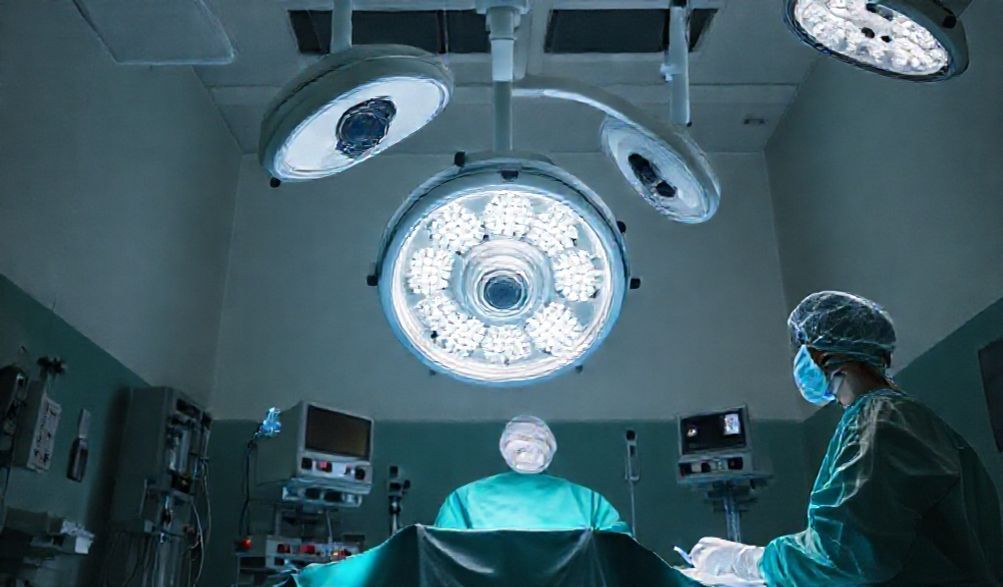
Operation Theatre Lights: A Comprehensive Guide to Surgical Lighting Systems
In the high-stakes environment of an operating theatre, clarity can mean the difference between life and death. Here, where millimeters matter and tissue differentiation is paramount, the quality of illumination is not a mere convenience—it is a foundational pillar of surgical success. Operation Theatre (OT) lights are far more than just “bright lights”; they are sophisticated, life-saving medical devices engineered to meet the most demanding visual requirements of modern surgery.
This guide serves as an authoritative resource for healthcare administrators, facility planners, biomedical engineers, and surgical teams. Whether you are procuring a new system, upgrading an existing one, or simply seeking to understand this critical technology, we will provide a thorough exploration of surgical lighting. We will delve into the core technology, break down the essential features, outline a strategic selection process, and examine the future trends shaping this vital field of medical equipment.
The Critical Role of Surgical Lighting in Modern Healthcare
The operating light is the surgeon’s primary tool for visual perception. Its performance directly influences the precision, speed, and safety of a procedure, impacting both the surgical team’s performance and, ultimately, patient outcomes.
Impact on Surgical Precision and Patient Outcomes
Superior surgical lighting directly contributes to enhanced surgical outcomes through several mechanisms:
* Reduced Visual Fatigue: Inadequate or poorly balanced light forces the surgeon’s eyes to constantly adjust, leading to strain and fatigue. High-quality, uniform illumination minimizes this effort, allowing for sustained concentration during lengthy procedures.
* Enhanced Tissue Differentiation: The ability to distinguish between arteries, veins, nerves, and different tissue types is crucial. Lights with a high مؤشر تجسيد اللون (CRI) and appropriate color temperature render colors accurately, making subtle differences in tissue hue and texture clearly visible.
* Minimized shadows: Deep, contrasting shadows can obscure critical anatomy. Advanced OT light systems are designed to dramatically reduce shadows, ensuring a consistently clear view of the surgical field.
* Clinical Correlation: Studies and clinical consensus indicate that optimal lighting can contribute to reduced error rates, decreased surgery duration, and lower levels of surgeon fatigue—all factors linked to improved patient recovery and reduced complication rates.
Beyond Illumination: The OT Light as a Safety System
Modern OT lights are integrated safety systems. Key safety considerations include:
* Heat Management: Excessive radiant heat from the light can cause tissue desiccation (drying) at the incision site. LED technology, now the standard, emits minimal infrared radiation, delivering “cool light” that protects patient tissue.
* Fail-Safe Design: Redundant power supplies and backup light modules ensure that a single component failure does not plunge the theatre into darkness mid-procedure.
* Ergonomics & Fatigue Reduction: A light that is difficult to position, causes glare, or requires constant readjustment contributes to physical strain. Well-designed suspension systems and intuitive controls are ergonomic features that enhance team efficiency and safety.
Core Technology & Components of an OT Light System
Understanding the fundamental technology is key to making an informed decision.
LED Technology: The New Gold Standard
Light Emitting Diode (LED) technology has completely revolutionized surgical lighting, replacing older halogen and metal halide sources. Its advantages are decisive:
* Cool Light Operation: LEDs produce very little heat in the infrared spectrum, minimizing the risk of tissue damage and improving comfort for the surgical team.
* Energy Efficiency & Longevity: LEDs consume significantly less power than halogen bulbs and boast an operational lifespan of 50,000-60,000 hours, reducing energy costs and the frequency and cost of bulb replacements.
* Superior Color Quality: LEDs can be engineered to produce a consistent, high-CRI light output ideal for surgery, with excellent stability over their entire lifespan.
* Instant On/Off & Dimming: Unlike halogens that need to warm up, LEDs provide full intensity instantly and allow for smooth, flicker-free dimming.
Key Mechanical Components Explained
- The Light Head: This is the core illuminator. Its design incorporates an array of numerous individual LEDs (often hundreds) paired with sophisticated reflector or lens systems. This multi-source configuration is what enables deep cavity illumination and shadow reduction.
- Suspension Systems: This is the “arm” of the light. Ceiling-mounted monopole or double-arm systems offer a wide range of motion. Track systems allow multiple lights to service several operating tables or be clustered for a single complex procedure. The suspension must be perfectly balanced for smooth, effortless positioning and to stay securely in place once set.
- Control Panel: Interfaces are designed for sterile operation. This includes handles that can be autoclaved or covered with sterile sleeves, touch-sensitive panels sealed against fluid ingress, and sometimes foot pedals or voice control. Modern controls also manage light intensity, color temperature adjustment, and integration with other OR systems.
Essential Features to Evaluate When Choosing OT Lights
When comparing systems, assess them against these critical performance and safety metrics.
Illumination Quality Metrics
- Lux & Luminous Flux: Lux measures light intensity at the surgical site. General surgery typically requires 40,000 to 100,000 lux, while deep-cavity procedures (e.g., cardiac, pelvic) may need 100,000 to 160,000 lux. Ensure the light delivers the required intensity at a typical working distance (e.g., 1 meter).
- درجة حرارة اللون ومؤشر تجسيد اللون: A color temperature of 4000K to 5000K mimics “cool daylight,” which is considered optimal for visual acuity and reducing eye strain. A CRI of >90 (where 100 is perfect color replication) is essential for true tissue color discrimination.
- Depth of Illumination & Field Diameter: This refers to the light’s ability to illuminate deep cavities (like the pelvis or chest) without a “tunnel effect” and to provide a wide, uniform field for open procedures. The illuminated field diameter should be adjustable.
Safety and Operational Features
- Shadow Reduction: Look for systems that use multiple, independently controlled LED modules. When a surgeon’s head or instrument creates a shadow from one module, the others immediately compensate, rendering the shadow diffuse and clinically insignificant.
- مكافحة العدوى: The entire assembly should have a sealed, seamless design with smooth surfaces that can withstand rigorous cleaning with hospital-grade disinfectants. All frequently touched handles and controls must be easily sterilizable.
- Redundancy & Reliability: The system should have multiple, independent LED drivers and power pathways. If one section fails, the others should remain operational at a reduced but still functional intensity. Check for robust warranty terms and the manufacturer’s service network reputation.
The Selection & Procurement Process: A Step-by-Step Guide
Purchasing OT lights is a major capital investment. A structured process ensures you acquire the right system for your needs.
إجراء تقييم للاحتياجات في منشأتك
ابدأ بتحديد متطلباتك:
* التخصصات الجراحية: ما أنواع الإجراءات الأكثر شيوعًا؟ لكل من جراحة الأعصاب، وجراحة العيون، والجراحة طفيفة التوغل متطلبات إضاءة فريدة.
* الخصائص الفنية لغرفة العمليات: لاحظ ارتفاع السقف، وقدرة التحمل، وتخطيط الخدمات الحالية (الغاز، الكهرباء، البيانات).
* الميزانية والجدول الزمني: ضع ميزانية واقعية تأخذ في الاعتبار التكلفة الإجمالية للملكية، وليس سعر الشراء فقط.
إنشاء قائمة مراجعة لطلب العروض
يجب أن يطلب طلب العروض الخاص بك معلومات واضحة من الموردين:
* المواصفات الفنية: مستويات اللكس عند مسافات محددة، ومؤشر تجانس الألوان، ودرجة حرارة اللون، وعمق الإضاءة، واستهلاك الطاقة.
* شهادات المطابقة: إثبات إلزامي للمطابقة مع ISO 80601-2-41 (المعيار المحدد لمصابيح الجراحة) و IEC 60601-1 (السلامة العامة للمعدات الكهربائية الطبية).
* الشروط التجارية: ضمان مفصل (الأجزاء، العمالة، الانتقال)، واتفاقيات مستوى الخدمة، وتوافر معدات الإعارة، وعروض التدريب.
* المراجع: اطلب معلومات الاتصال للتركيبات الحديثة في منشآت مماثلة.
أهمية التجارب السريرية والعروض التوضيحية
لا تشتري أبدًا بناءً على المواصفات فقط. أصر على عرض توضيحي في الموقع في إحدى غرف العمليات الخاصة بك. يجب أن يقوم فريق الجراحة الفعلي بالتقييم:
* سهولة الاستخدام: ما مدى سهولة وضعها والتحكم فيها؟
* الأداء في الظروف الفعلية: هل الضوء حقًا مُقلل للظلال في سيناريو محاكاة؟ هل هناك أي وهج؟
* بيئة العمل: هل يتحرك النظام التعليقي بسلاسة ويبقى في مكانه؟
التركيب، والصيانة، وإدارة دورة الحياة
التنفيذ السليم والرعاية أمران حاسمان للأداء والسلامة على المدى الطويل.
التركيب والمعايرة الاحترافية
يجب أن يتم التركيب بواسطة فنيين معتمدين، غالبًا من الشركة المصنعة أو شركة هندسة طبية حيوية مؤهلة للغاية. وهذا يضمن:
* السلامة الهيكلية: يمكن لحامل السقف تحمل الأحمال الديناميكية والثابتة.
* السلامة الكهربائية: التأريض السليم والتوصيل بدوائر طاقة الطوارئ.
* المعايرة الأولية: يتم ضبط الضوء لتقديم مقاييس الأداء المحددة له.
جدول الصيانة الوقائية الروتينية
تمنع خطة الصيانة الاستباقية الأعطال:
* يومياً: يجب على طاقم غرفة العمليات مسح الأسطح بالمطهرات المعتمدة.
* شهريًا / ربع سنويًا: يجب أن يتحقق مهندسو الطب الحيوي من التوازن الميكانيكي، وشد الوصلات، واستجابة التحكم.
* سنويًا: يجب أن تتضمن زيارة الصيانة الوقائية الكاملة معايرة الشدة ودرجة حرارة اللون، وفحص جميع الوصلات الكهربائية، وتحديثات البرامج.
اعتبارات التكلفة الإجمالية للملكية
سعر الشراء هو مجرد البداية. يتضمن التحليل الشامل للتكلفة الإجمالية للملكية:
* التكلفة الأولية: المعدات، التركيب، والتدريب.
* التكلفة التشغيلية: استهلاك الطاقة (توفير مصابيح LED كبير هنا).
* تكلفة الصيانة: عقود الصيانة الوقائية، والأجزاء، والعمالة على مدى فترة 10-15 سنة.
* تكلفة التوقف: تأثير عطل الإضاءة على جدولة غرفة العمليات والإيرادات.
غالبًا ما يقدم نظام أعلى جودة وأكثر كفاءة مع ضمان قوي تكلفة إجمالية للملكية أقل من بديل أرخص وأقل موثوقية.
مستقبل إضاءة الجراحة: الاتجاهات الناشئة
تتطور إضاءة الجراحة من أداة سلبية إلى مكون ذكي ومتكامل في غرفة العمليات الرقمية.
التكامل مع غرف العمليات الرقمية
أصبح ضوء غرفة العمليات مركزًا للتكنولوجيا:
* التراكب التصويري: يمكن للأضواء المزودة بكاميرات أو أجهزة عرض مدمجة تركيب الصور المسحية قبل الجراحة (مثل التصوير بالرنين المغناطيسي أو التصوير المقطعي المحوسب) مباشرة على تشريح جسم المريض.
* تسجيل الفيديو: تقوم الكاميرات المدمجة بدقة 4K ببث مجال الجراحة لأغراض التدريس والطب عن بُعد والتوثيق.
* التحكم في غرفة العمليات: يمكن أن تصبح لوحة تحكم الضوء واجهة لضبط أضواء الغرفة وأنظمة التدفئة والتهوية وتكييف الهواء والأجهزة المدمجة الأخرى.
التصور المتقدم والأضواء المتخصصة
- التصوير الفلوري: يمكن للأضواء ذات القدرات على أطوال موجية محددة تحفيز الصبغات الفلورية (مثل الأخضر الهندي سيانين - ICG) لتصوير تدفق الدم أو الأنسجة اللمفاوية أو الخلايا السرطانية في الوقت الفعلي.
- أضواء جراحة المناظير الدقيقة: توفر كابلات ومصادر الضوء المتخصصة إضاءة شديدة وباردة لإجراءات التنظير الداخلي والجراحة بالمنظار.
- التعقيم بالأشعة فوق البنفسجية من نوع سي: تبحث بعض الأنظمة في دمج دورات تلقائية قصيرة من الأشعة فوق البنفسجية من نوع سي لتطهير مجال الجراحة بين الإجراءات.
الأنظمة الذكية واتصال البيانات
- الصيانة التنبؤية: تراقب أجهزة الاستشعار أداء مصابيح LED وساعات الاستخدام والاهتراء الميكانيكي، وتنبه الفنيين لاحتياجات الصيانة قبل حدوث عطل.
- تحليلات الاستخدام: يمكن أن تساعد بيانات أنماط استخدام الإضاءة في تحسين جدولة غرف العمليات وتخصيص الموارد.
- التحكم الصوتي وبالإيماءات: ضبط وضع وشدة الضوء دون استخدام اليدين للحفاظ على مجال معقم.
الأسئلة الشائعة حول أضواء غرفة العمليات
س1: ما هو العمر الافتراضي النموذجي لأضواء غرف العمليات الحديثة من نوع LED؟
ج1: يمكن أن تدوم أضواء الجراحة الحديثة من نوع LED من 50,000 إلى 60,000 ساعة تشغيل، وهو ما يعادل عادةً 15-20 سنة من الاستخدام السريري، وهي فترة أطول بكثير من المصابيح الهالوجينية التقليدية.
س2: كم مرة يجب صيانة أو معايرة أضواء غرف العمليات؟
ج2: يوصى بإجراء فحص صيانة وقائي شامل من قبل فني طبي حيوي مؤهل على الأقل سنوياً. يجب أن يقوم طاقم غرفة العمليات بالتنظيف اليومي والفحوصات البصرية.
س3: هل يمكن ترقية أضواء غرف العمليات الهالوجينية القديمة إلى تقنية LED؟
ج3: في كثير من الحالات، نعم. تتوفر مجموعات التحديث لبعض الموديلات، ولكن من الضروري استشارة الشركة المصنعة الأصلية أو أخصائي معتمد لضمان أن يحافظ التحديث على جميع شهادات السلامة ومعايير الأداء.
س2: ماذا يعني الضوء “الخالي من الظلال” حقًا؟
ج4: لا يوجد ضوء خالٍ تماماً من الظلال. ومع ذلك، تستخدم أضواء غرف العمليات عالية الجودة مصادر إضاءة متعددة من زوايا مختلفة قليلاً. عندما يحجب جسم ما مصدراً واحداً، تقوم المصادر الأخرى بملء الفراغ، مما يقلل بشكل كبير من تباين وكثافة الظل، مما يجعله غير ذي أهمية سريرياً.
س5: هل هناك معايير محددة يجب أن تلتزم بها أضواء غرف العمليات؟
ج5: نعم. تشمل المعايير الدولية الرئيسية ISO 80601-2-41 (المتطلبات الخاصة بالسلامة الأساسية والأداء الأساسي لأضواء الجراحة) ومعيار المعدات الكهربائية الطبية العام IEC 60601-1. يجب التحقق من الامتثال.
الخاتمة
يعد اختيار أضواء غرف العمليات قراراً استراتيجياً يؤثر على النتائج السريرية ورفاهية الطاقم والكفاءة التشغيلية لأكثر من عقد من الزمان. وهو يتطلب الانتقال من مجرد مقارنة بسيطة للسطح والسعر. إن النهج الشامل - الذي يعطي الأولوية لتقييم مفصل للاحتياجات، والتقييم الدقيق لبيانات الأداء الموثقة، وتحليل التكلفة الإجمالية لدورة الحياة، والشراكة مع مصنع معروف بالجودة والدعم - أمر ضروري.
بينما تستمر الجراحة في مسارها نحو مزيد من الرقمنة والتكامل، فإن ضوء غرفة العمليات في طريقه للتطور من مجرد مضيء سلبي إلى عقدة نشطة وذكية داخل النظام البيئي الجراحي. إن اتخاذ خيار مستنير ومتطلع إلى المستقبل اليوم سيضمن تجهيز منشأتك ليس فقط للحاضر، ولكن لمستقبل الرعاية الجراحية.
ص>