
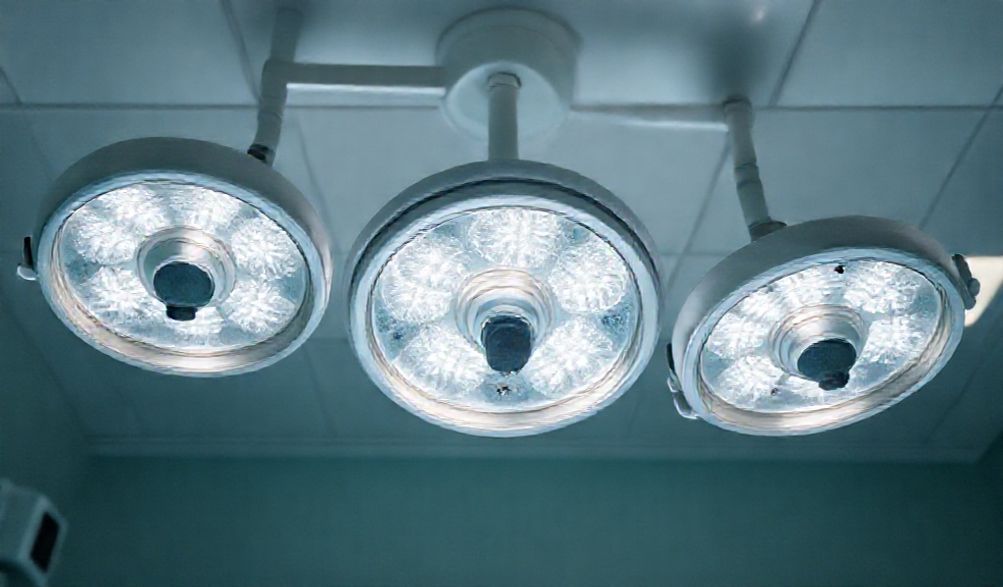
The Complete Guide to Overhead Surgical Lights: Technology, Selection & Safety
Introduction
In the high-stakes environment of an operating room, a surgeon’s most fundamental tool is not the scalpel or forceps—it is light. Optimal visualization is the bedrock of surgical precision, directly impacting procedure duration, decision-making accuracy, and ultimately, patient outcomes. Studies suggest that inadequate lighting can contribute to surgical errors and increased fatigue, underscoring that the overhead surgical lights are far more than simple fixtures; they are critical, life-supporting medical devices.
This guide is designed to be a comprehensive, unbiased resource for those responsible for specifying, procuring, and maintaining OR infrastructure: surgical directors, clinical engineering managers, and healthcare facility planners. Our aim is to move beyond marketing claims and provide a clear framework for decision-making, synthesized from industry standards (such as AAMI/ANSI and IEC), clinical research, and core engineering principles.
We will dissect the sophisticated technology inside modern overhead surgical lights, from their shadow-defying optical systems to their cool, efficient LED hearts. You will learn the essential criteria for selecting the right lights for diverse surgical specialties, the non-negotiable protocols for maintenance and sterility, and a glimpse into the future of intelligent, integrated OR environments. Consider this your foundational checklist for making an informed, long-term investment in patient safety and surgical excellence.
Understanding Overhead Surgical Light Technology & Core Components
To evaluate overhead surgical lights effectively, one must first understand the engineering and optical principles that transform electricity into a controlled, life-revealing beam. Modern surgical luminaires are marvels of applied physics, designed to solve the unique challenges of the operative field.
Light Source Evolution: From Halogen to LED
The journey of surgical illumination has been a relentless pursuit of cooler, brighter, and more reliable light.
- Halogen: The long-standing standard, halogen bulbs produced a warm, continuous spectrum of light. However, they were notoriously inefficient, converting over 90% of energy into heat, which posed risks of tissue desiccation and surgeon discomfort. Their short lifespan (typically 1,000-2,000 hours) also meant frequent, costly bulb changes and OR downtime.
- Metal Halide/HID: An interim technology offering better efficiency and color temperature than halogen. While an improvement, they still generated significant heat and required a warm-up/cool-down period, limiting responsiveness.
- LED (Light Emitting Diode): The undisputed champion in modern ORs. LED overhead surgical lights offer transformative advantages:
- Cool Light: LEDs emit minimal infrared radiation, drastically reducing heat transfer to the surgical site and the surgical team.
- Exceptional Longevity: With lifespans often exceeding 50,000 hours, LEDs virtually eliminate bulb replacements during the light’s operational life.
- كفاءة الطاقة: They consume a fraction of the power of older technologies, contributing significantly to lower hospital operating costs and sustainability goals.
- Precise Control: LED arrays allow for exquisite control over intensity and, in some systems, even tunable color temperature.
Optical Systems & Shadow Management
The primary challenge in surgical lighting is to illuminate a deep cavity without creating obstructive shadows from surgeons’ heads and hands. This is solved through advanced optical design.
- Depth of Illumination: This refers to the light’s ability to provide uniform intensity not just on the surface, but deep into a wound. It is achieved through sophisticated multi-reflector or lens systems. These systems capture light from the source and shape it into a converging beam pattern that penetrates tissue cavities effectively.
- Parallel Beam Technology: This is the gold standard for shadow reduction. By aligning light rays to be nearly parallel as they exit the lamp head, the system minimizes the divergence that creates sharp, obstructive shadows. When a surgeon’s hand interrupts some parallel rays, the surrounding rays continue uninterrupted from other angles within the array, filling in the shadow. This creates a phenomenon known as “shadow dilution,” where obstructions cast only a faint, soft grey shadow instead of a deep black void.
Critical Performance Metrics
Selecting overhead surgical lights requires speaking the language of photometrics. Here are the key metrics, often defined by standards like ISO 9680:
- Illuminance (Lux/lumens): This measures the quantity of light falling on a surface. For surgery, the target is typically 40,000 to 160,000 lux at the center of the light field, depending on the specialty. It answers “how bright is it?”
- مؤشر تجسيد الألوان (CRI): Perhaps more critical than pure brightness, CRI measures the quality of light. It is a scale (0-100) of how accurately a light source reveals the true colors of objects compared to natural daylight. A CRI of 90+ is essential in surgery for accurately distinguishing between tissues, such as arterial blood from venous blood, or healthy tissue from necrotic tissue.
- Color Temperature (Kelvin, K): This describes the visual “warmth” or “coolness” of the light. Surgical lights typically range from 4000K (warm white) to 5000K (cool, daylight white). A temperature around 4500K is often preferred as it provides a neutral white that reduces eye strain during long procedures.
Key Selection Criteria for Surgical Overhead Lights
4.0x فما فوق overhead surgical lights is a strategic decision that balances clinical needs, human factors, and operational logistics. Use this framework to guide your evaluation.
Clinical Requirements & Surgical Specialty Needs
A one-size-fits-all approach fails in the OR. Different specialties have unique visualization demands.
- General & Abdominal Surgery: Require a large light field diameter (often 25-30 cm at 1m distance) and high depth of illumination to penetrate deep cavities.
- Neurosurgery & Spinal Surgery: Demand extremely high, focused intensity (up to 160,000 lux) and exceptional shadow control for working in narrow, deep corridors. Smaller light field diameters may be preferred.
- Cardiac Surgery: Need a blend of high intensity and excellent color rendering to differentiate subtle tissue and blood vessel shades.
- Minimally Invasive & Endoscopic Surgery: While monitors provide the primary view, room lighting remains crucial for set-up, instrument handling, and patient monitoring. Lights with excellent dimming range and neutral color temperature are key to avoid screen glare.
Ergonomic Design & Ease of Use
A light that is difficult to position is a light that won’t be used optimally, leading to surgeon fatigue and compromised visualization.
- القدرة على المناورة: The light should move effortlessly in all axes—horizontal, vertical, rotational—with minimal resistance. Counterbalanced arms should hold position securely without drift.
- Reach & Coverage: The system must provide adequate coverage over the entire OR table from its mounting point, ensuring no “dead zones.”
- Sterile Handling: The ability to attach a sterile handle or sleeve, or have a design that allows direct manipulation of a smooth, cleanable surface by a scrubbed-in team member, is essential for maintaining the sterile field.
- Position Memory: Some high-end models offer programmable memory settings that can recall favorite positions for specific procedures or surgeons, saving time and ensuring consistency.
Integration with the Surgical Ecosystem
The modern OR is a networked environment. The lighting system should not be an island.
- Mounting Systems: Choose between fixed ceiling mounts, single-track systems, or multi-track systems. Tracks offer greater flexibility and coverage but require more robust ceiling support.
- Control Interfaces: Consider how the light is controlled: manual handles, touch panels on the light head, wall-mounted controls, or integration into a centralized OR control system (like a “knobology” panel).
- Hybrid OR & Imaging Compatibility: In rooms with fixed C-arms, CT, or MRI, lights must be designed to avoid collisions and may need to be retractable or have a low magnetic footprint. Compatibility with camera and video systems for teaching and documentation is also a growing consideration.
Maintenance, Sterilization & Safety Protocols
The performance and safety of overhead surgical lights degrade without a rigorous maintenance regimen. This is not merely operational housekeeping; it is a critical component of patient safety.
Routine Cleaning & Disinfection Procedures
Overhead surgical lights are frequent contact points and potential reservoirs for pathogens.
- Daily/Pre-Procedure Cleaning: Wipe down all accessible surfaces, especially handles and control panels, with a hospital-grade, low-level disinfectant.
- Terminal Cleaning: After procedures involving infectious agents, a more thorough disinfection of the entire light head and arm is required. Crucially: Always follow the manufacturer’s Instructions for Use (IFU). Using unapproved harsh chemicals, abrasive wipes, or excessive moisture can damage anti-reflective coatings, seals, and electronic components.
- Focus on Seams & Joints: Pay special attention to seams, hinges, and the areas around removable handles, as these can trap contaminants.
Preventative Maintenance & Calibration
Proactive maintenance prevents failures during critical moments.
- Scheduled Service Intervals: Most manufacturers recommend annual or bi-annual preventative maintenance by a certified technician. This includes:
- الفحص الميكانيكي: Checking balance, tension of arms, brake function, and smoothness of movement.
- Electrical Safety Testing: Verifying grounding integrity, insulation, and switch functionality to hospital electrical safety standards.
- Photometric Calibration: Measuring and verifying light output (lux), color temperature, and CRI to ensure they remain within specified tolerances.
- التوثيق: All service and calibration activities must be meticulously documented for compliance and quality assurance.
Ensuring Patient & Staff Safety
Safety is engineered into the design and must be preserved through practice.
- Thermal Management: The primary safety advantage of LEDs is their minimal radiant heat. This must be maintained; a failing thermal management system in any light can lead to dangerous heat buildup at the surgical site.
- السلامة الكهربائية: Overhead surgical lights must be certified to relevant medical electrical equipment standards (e.g., IEC 60601-1). Regular electrical safety checks are mandatory.
- السلامة الميكانيكية: The system must be securely mounted to structural supports. Regular checks for arm stability and brake function prevent the risk of a light head drifting or falling.
The Future of Surgical Lighting: Smart OR Integration
The next generation of overhead surgical lights is evolving from passive illuminators to intelligent, connected nodes within the digital operating room.
Connected Systems & Data
- Integrated Imaging: Lights with built-in 4K or fluorescence-capable cameras are becoming more common, allowing for seamless recording and streaming of procedures for teaching, telemedicine, and medico-legal documentation without obstructing external cameras.
- تسجيل البيانات: Smart lights can log usage patterns, intensity settings, and runtime, providing valuable data for predictive maintenance, utilization analysis, and even studying surgical workflow.
Advanced Visualization Enhancements
- Spectral Imaging & Tissue Differentiation: Research is advancing into lights that can emit specific wavelengths to enhance the contrast between different tissue types (e.g., cancerous vs. healthy tissue), potentially projecting this information as an overlay onto the surgeon’s field of view.
- Augmented Reality (AR) Guidance: يمكن للأنظمة المستقبلية أن تندمج مع فحوصات ما قبل الجراحة وأنظمة الملاحة، باستخدام رأس الضوء لإسقاط الخطط الجراحية أو هوامش الأورام أو المعالم التشريحية الحرجة مباشرة على المريض ضمن خط رؤية الجراح.
- تتبع الضوء الآلي: تخيل ضوءًا يتبع تلقائيًا أدوات الجراح أو بؤرة تركيز الكاميرا، محافظًا على الإضاءة المثالية دون استخدام اليدين.
الاستدامة في غرفة العمليات
البصمة البيئية للرعاية الصحية تحت التدقيق، والإضاءة تعد مجالًا رئيسيًا للتحسين.
- كفاءة الطاقة: الكفاءة المتأصلة في تقنية LED هي نقطة انطلاق رئيسية. تأتي المكاسب الإضافية من أجهزة الاستشعار الذكية التي تخفت الأضواء عندما تكون غرفة العمليات غير مشغولة.
- طول العمر وقابلية الخدمة: التصاميم التي تؤكد على الوحدات القابلة للتعديل والمكونات طويلة العمر تقلل النفايات الإلكترونية. تزيد الشركات المصنعة من تصميم المنتجات للإصلاح والترقية بدلاً من الاستبدال الكامل.
- خيارات المواد: أصبح استخدام المعادن والبلاستيك القابلة لإعادة التدوير، والحد من المواد الخطرة، أولوية في تصميم المنتجات.
قسم الأسئلة الشائعة
س: ما هو العمر الافتراضي النموذجي لمصباح الجراحة LED؟
ج: مصدر ضوء LED نفسه يستمر عادة من 50,000 إلى 60,000 ساعة—والتي، تحت الاستخدام العادي في غرفة العمليات، قد تعادل 15-20 سنة. العمر الافتراضي الكامل لنظام الإضاءة بأكمله (بما في ذلك الميكانيكا والإلكترونيات) يعتمد على جودة التصنيع، وكثافة الاستخدام، والصيانة، ولكن النظام الذي تتم صيانته جيدًا يجب أن يدوم 10-15 سنة أو أكثر.
س: كم مرة يجب خدمة أضواء الجراحة السقفية بشكل احترافي؟
ج: توصي معظم الشركات المصنعة بصيانة وقائية شاملة وفحص معايرة من قبل فني معتمد سنويًا أو نصف سنوي. قد تتطلب غرف الاستخدام العالي فحوصات أكثر تواترًا. التزم دائمًا بالجدول المحدد في دليل خدمة الشركة المصنعة.
س: ما الفرق بين لوكس ومؤشر تجسيد اللون (CRI)؟
ج: اللوكس يقيس quantity كمية الضوء – “كم” الضوء يسقط على مجال الجراحة. مؤشر تجسيد اللون (CRI) يقيس quality يقيس جودة الضوء – “مدى دقة” كشفه للألوان الحقيقية للأنسجة والمواد. كلاهما حرج؛ تحتاج إلى لوكس عالي لترى بوضوح، ومؤشر تجسيد لون عالي (90+) لترى بشكل صحيح.
س: هل يمكن ترقية أنظمة الإضاءة الهالوجينية القديمة إلى LED؟
ج: تتوفر مجموعات التحديث لبعض الموديلات، ولكن هذا ليس حلاً عالميًا. يتطلب ذلك تقييمًا دقيقًا من قبل الشركة المصنعة للمعدات الأصلية (OEM) أو فني معتمد. تشمل العوامل التوافق الكهربائي، وإدارة الحرارة لوحدة LED الجديدة، وما إذا كان النظام البصري الحالي مناسبًا. يجب ألا تتعارض الترقية مع شهادات السلامة أو أداء الجهاز الأصلي.
س: ما هي أهم العوامل عند اختيار أضواء لغرفة عمليات جديدة؟
ج: أولوية الجمع بين:
1. الاحتياج السريري: مطابقة أداء الضوء (الشدة، حجم المجال، التحكم في الظل) مع التخصصات الجراحية الأساسية.
2. بيئة العمل: التأكد من سهولة استخدامه وبديهيته لفريق الجراحة.
3. التكامل: التخطيط لكيفية تركيبه، والتحكم فيه، وتعايشه مع تقنيات غرفة العمليات الأخرى، الحالية والمستقبلية.
4. التكلفة الإجمالية للملكية (TCO): انظر إلى ما هو أبعد من سعر الشراء لتشمل استهلاك الطاقة، وتكاليف الصيانة، والعمر الافتراضي المتوقع، ودعم الخدمة.
الخاتمة
اختيار وصيانة overhead surgical lights أضواء غرفة العمليات مسؤولية عميقة. يؤثر هذا القرار على الفعالية اليومية لفرق الجراحة، وسلامة كل مريض على طاولة العمليات، والكفاءة التشغيلية طويلة المدى للمنشأة. إنه استثمار حيث يمكن للتوفير في التكنولوجيا، أو بيئة العمل، أو الخدمة أن يكون له عواقب سريرية مباشرة.
بينما تمضي قدمًا في مشاريع المشتريات أو الترقية، دع هذا الدليل يكون إطارك الأساسي. ارس قراراتك في الحقائق التقنية لمقاييس الإضاءة وإدارة الظل. دع الاحتياجات المحددة لجراحيك وتخصصاتك تحدد المتطلبات السريرية. لا تستهين أبدًا بالأهمية الحاسمة لبروتوكول صيانة صارم يضع السلامة أولاً.
نشجعك على استخدام هذه المعلومات كقائمة مرجعية. استشر عن كثب مع المستخدمين النهائيين السريريين—الجراحين والممرضات الذين سيعتمدون على هذا الجهاز. راجع أحدث المعايير الصناعية. الأهم من ذلك، رتب عروضًا عملية من الشركات المصنعة المختارة قصيرة القائمة. لا بديل عن رؤية وشعور أداء الضوء والتعامل معه في بيئة غرفة عمليات محاكاة. من خلال تبني نهج شامل قائم على الأدلة، تضمن أن الضوء الساطع في غرف عملياتك يكون حقًا منارة للأمان، والدقة، والرعاية.
ص>